
Wood Turtle Size: Your Complete Care Guide
If you’re wondering how big a wood turtle grows and worrying if your habitat setup is right, you’re not alone-many turtle enthusiasts share these concerns for their pet’s well-being.
This article covers: average size ranges, growth stages, factors influencing dimensions, health monitoring tips, and personal insights from my turtle-keeping journey.
Wood Turtle Size Basics
Glyptemys insculpta is the scientific name for the Wood Turtle, a species I’ve admired for its unique sculpted shell and gentle nature. Understanding their size is key to providing a proper home, as it influences everything from enclosure space to diet planning. From my experience with tortoises like Austen, I’ve learned that knowing a turtle’s dimensions helps prevent stress and health issues, ensuring they thrive in captivity.
- Carapace length: This measures the top shell from front to back, giving you a clear idea of overall size.
- Plastron length: This covers the bottom shell’s length, which is vital for assessing shell health and fit in habitats.
- Weight range: Tracking weight helps monitor growth and spot potential problems early, much like I do with my Greek Tortoise Bronte.
| Life Stage | Average Carapace Length | Average Plastron Length | Average Weight |
|---|---|---|---|
| Hatchling | 1-1.5 inches | 0.8-1.2 inches | 0.1-0.2 lbs |
| Juvenile | 2-4 inches | 1.5-3 inches | 0.5-1 lb |
| Adult | 5-8 inches | 4-6 inches | 1-2 lbs |
Adult Wood Turtle Dimensions
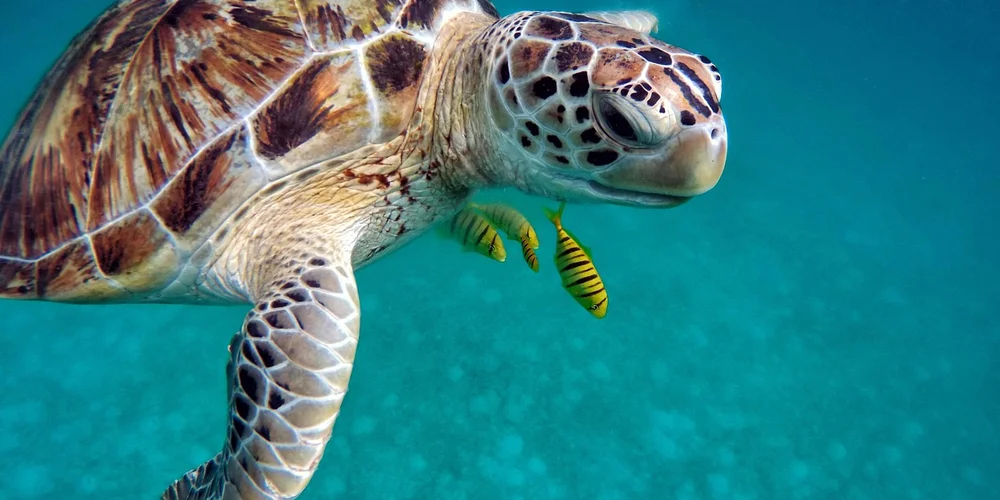
Adult Wood Turtles typically reach a carapace length of 5 to 8 inches, with some individuals stretching up to 9 inches in ideal conditions. Their shell width often matches their length, creating a balanced, oval shape that’s easy to recognize. I’ve noticed similar proportions in my Box Turtle Orwell, where a well-formed shell indicates good health and proper care over the years.
Weight for adults ranges from 1 to 2 pounds, influenced by factors like genetics, diet, and environment. Genetics play a big role in final size, but consistent nutrition and a spacious habitat can help your turtle reach its full potential. Just as Bronte’s graceful growth stemmed from varied meals and room to roam, Wood Turtles benefit from a mix of proteins and greens to maintain a healthy weight.
To measure shell length accurately, use a soft tape measure along the midline of the carapace from the front to the back edge. Do this gently during handling to avoid stress, and record measurements monthly to track changes over time. I’ve found that regular checks, paired with calm interactions, build trust and ensure your pet’s well-being, much like how I care for all my shelled friends.
Hatchling and Juvenile Wood Turtle Size
Wood turtle hatchlings emerge tiny, typically measuring just 1 to 1.5 inches in carapace length, much like a large coin you’d hold in your palm. Their small size makes them incredibly vulnerable, so handling should be minimal to reduce stress and support their delicate start in life. From my experience with Austen, my Russian tortoise, I’ve seen how even slight environmental changes can impact young turtles, so patience and gentle care are key.
As juveniles, wood turtles grow steadily, reaching about 2 to 3 inches by their first year, with growth continuing in stages. Ontogenetic growth follows a gradual pattern: hatchlings focus on building strength, juveniles expand their shell rapidly, and sub-adults slow as they near maturity. For hatchlings, the first year is the key transition, with noticeable growth into the juvenile stage. Expect rapid development in shell and limb growth during this period. Here’s a simple outline of their growth stages with approximate carapace lengths:
- Hatchling (0-1 year): 1-1.5 inches
- Early Juvenile (1-3 years): 1.5-3 inches
- Late Juvenile (3-7 years): 3-5 inches
Caring for smaller turtles in captivity requires attention to detail to mimic their natural habitat. I’ve found that providing a secure, shallow water area and hiding spots helps juveniles feel safe, much like how Bronte, my Greek tortoise, thrives with ample cover. Focus on these tips to support their well-being:
- Use a small, escape-proof enclosure to prevent injuries and stress.
- Maintain consistent humidity levels around 60-80% to aid shell development.
- Offer a varied diet rich in calcium, such as leafy greens and occasional insects, to fuel growth without overfeeding.
Wood Turtle Growth Rate and Age
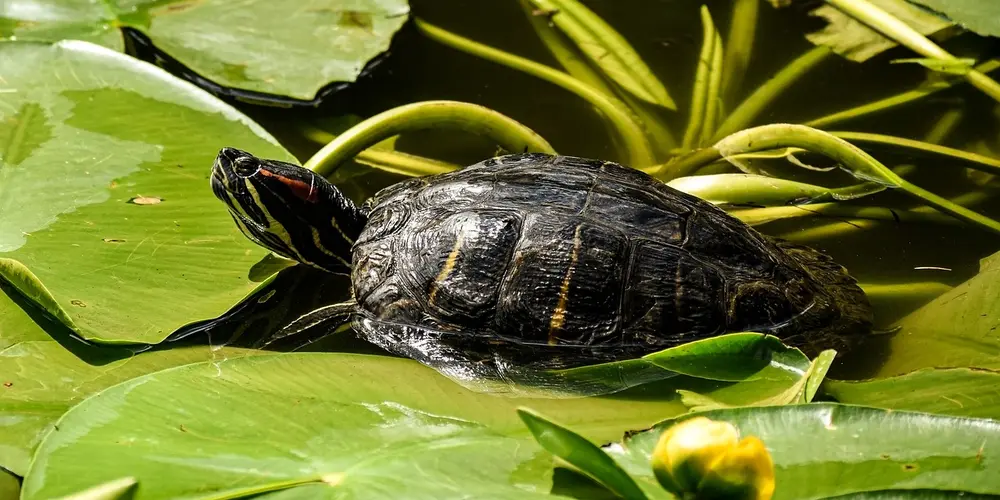
Wood turtles grow slowly, taking about 10 to 15 years to reach full adult size, with maturity typically occurring around 10 years old when they measure 5 to 8 inches. This gradual pace allows for strong, healthy development, but it demands long-term commitment from owners to avoid rushing their natural rhythm. In my care of Orwell, the box turtle, I’ve learned that steady growth often leads to a more resilient and content pet. If you’re curious about box turtles, a size growth guide can answer questions like “how big do box turtles get?” It outlines typical size milestones and helps you plan for housing and long-term care.
Captive wood turtles often grow faster than their wild counterparts due to consistent diets and fewer environmental stresses. Wild turtles face food scarcity and predators, which can stunt growth, while captive ones benefit from controlled conditions that promote optimal size. For example, a well-fed captive turtle might reach 4 inches by age 5, whereas a wild one could take longer. Key factors influencing this include:
- Diet: High-quality, varied foods in captivity accelerate growth compared to the unpredictable foraging in the wild.
- Environment: Stable temperatures and UVB lighting in enclosures support better shell health and faster development.
Signs of healthy growth include a smooth, evenly shaped shell, active behavior, and a good appetite. You’ll notice growth plateaus as they approach maturity, usually after 8-10 years, when size increases slow significantly. These growth patterns also tie into lifespan and final size, which vary by species. Tracking size over time can help you anticipate aging and care needs. Watch for these indicators to ensure your turtle thrives, and remember that overfeeding can lead to health issues, so balance is essential for their welfare.
Sexual Dimorphism and Size Variations
Male wood turtles often grow larger than females, with males reaching up to 9 inches in shell length while females typically max out around 7 inches. This size difference means males need more space to move and explore comfortably. I’ve seen this in my own tortoises, like Austen, whose steady growth reminded me to always plan for adult sizes from the start. People often wonder about painted turtles too—do they reach a full adult size, and is there a growth chart that tracks it? A painted turtle growth chart can help owners anticipate space needs and care as they grow.
Regional influences play a big role, with wood turtles in northern areas tending to be smaller due to shorter growing seasons. Colder climates can slow their growth, leading to more compact bodies compared to southern populations. Geographic factors like food availability and temperature shape these variations, so where a turtle comes from affects its ultimate size.
While ornate and painted wood turtles aren’t standard terms, some wood turtle subspecies show slight size tweaks, but generally, they follow the same growth patterns. Focusing on the common wood turtle helps avoid confusion and ensures proper care. From my experience with Bronte’s graceful demeanor, I learned that understanding species-specific traits prevents mismanagement.
Housing Considerations Based on Size
Start with a 20-gallon tank for hatchlings, upgrading to 75 gallons or more for adults to support their activity levels. Providing ample space reduces stress and promotes natural behaviors like foraging. I upgraded Orwell’s enclosure as he grew, and it made a noticeable difference in his health and happiness.
- Adjust water depth to about 1.5 times the turtle’s shell length for safe swimming.
- Make the basking area large enough for the turtle to fully stretch out and dry off.
- Use a soft substrate like coconut coir or cypress mulch that allows digging without injury.
Follow these steps to upgrade enclosures smoothly as your turtle grows. Regular size checks every few months help you stay ahead of their needs. Measure your turtle’s shell length and increase tank size gradually, ensuring each new setup has proper heating and hiding spots. This proactive approach supports lifelong wellness and aligns with animal welfare principles.
Health and Size Abnormalities
Wood turtles can face growth issues from illnesses like metabolic bone disease, which softens their shells and stunts size. I’ve noticed with my own turtles, such as Austen, that a lack of UVB light or poor diet often triggers this. Respiratory infections and parasitic infestations also hinder development, making regular health checks vital.
- Metabolic bone disease: Caused by calcium or vitamin D3 deficiencies, leading to weak, deformed shells.
- Shell rot: Bacterial or fungal infections that erode the shell, impacting overall growth.
- Internal parasites: Worms or protozoa that steal nutrients, causing weight loss and small size.
To maintain an ideal weight, feed a balanced diet of leafy greens, proteins, and occasional fruits. You can gently feel along their shell and limbs; if bones protrude or the shell feels hollow, your turtle might be underweight. Watch for lethargy or sunken eyes as warning signs. Also, be aware of signs your turtle is overweight, like a noticeably rounder shell and thicker body; adjust portions and increase activity as needed.
Seek veterinary care if your turtle shows rapid weight changes, refuses food for days, or has swollen joints. Early intervention saved Bronte from a parasitic issue that threatened her growth. Don’t wait—size abnormalities often signal deeper health problems.
Legal and Ethical Aspects of Wood Turtle Size
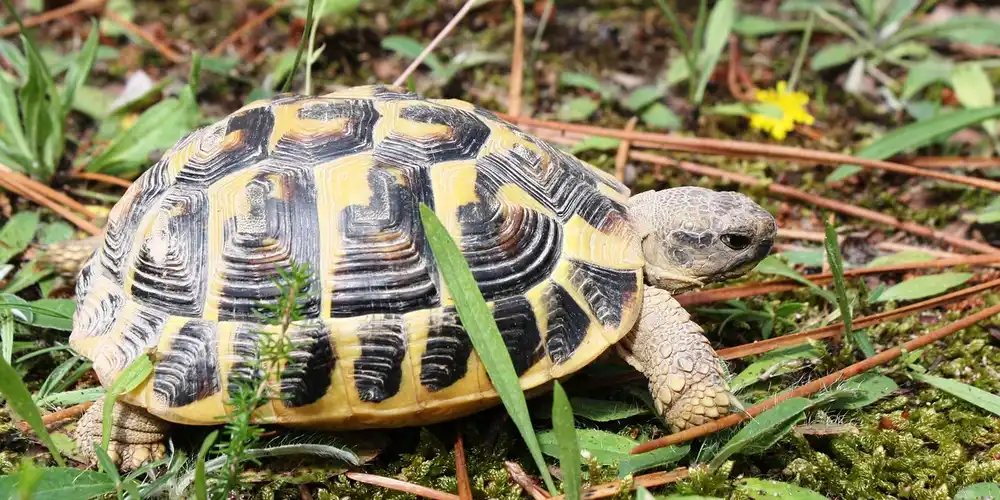
Many regions require permits for owning wood turtles, especially based on size and age to prevent illegal trade. Laws often protect juveniles to ensure wild populations thrive, so always check local regulations before acquiring one. Additionally, many protected turtle species require permits or licenses to own, and some may be prohibited without them. I’ve seen how improper ownership leads to fines and harm to these gentle creatures.
- Permit requirements: Vary by state or country, often mandating captive-bred turtles of certain sizes.
- Age restrictions: Younger turtles may be off-limits to reduce stress on wild breeding cycles.
- Documentation needs: Proof of legal sourcing is essential to avoid penalties.
Wild-caught turtles face higher risks of disease and stress, impacting their size and lifespan. Adopting from rescues, like I did with Orwell, gives a second chance to turtles in need. Captive-bred options are healthier and support ethical practices.
Choose your pet based on your ability to provide proper care, not just its small size for convenience. Animal welfare means prioritizing a turtle’s long-term health over aesthetic preferences. Responsible ownership helps preserve these amazing animals for generations. Ethical considerations for keeping turtles ask whether you can commit to a turtle’s lifelong care and whether your habitat and finances allow proper care. Are you prepared to meet its needs and avoid supporting harmful wildlife trade?
FAQs
What is the average size of a wood turtle?
Wood turtles typically grow to a carapace length of 5 to 8 inches as adults. A common question is, how big do pet turtles get? Their size can vary based on factors like genetics and overall care quality.
What tank size is ideal for a wood turtle?
Hatchlings do well in a 20-gallon tank, but adults require at least a 75-gallon enclosure for adequate space. Upgrading the tank as they grow supports their health and natural behaviors.
How large can an ornate wood turtle grow?
Ornate wood turtle is not a standard species name and may refer to common wood turtle variants. These turtles generally follow the same size range of 5 to 8 inches in shell length.
What is the typical size of a painted wood turtle?
Painted wood turtle is not a recognized term and could be a misnomer for other species. True wood turtles reach similar adult sizes, so focus on standard care guidelines.
How does wood turtle size affect their habitat setup?
Larger turtles need more spacious tanks to prevent stress and allow for activities like swimming and basking. Adjust water depth and land areas based on their current size for optimal well-being. Knowing what size tank a turtle needs is essential for proper care. It should scale with the turtle’s growth.
Caring for Your Wood Turtle Through the Years
Remember that a wood turtle’s growth is a slow, steady process requiring a spacious enclosure and a varied, nutritious diet to support its health. By consistently monitoring their size and shell condition, you can ensure they are developing properly throughout their long life.
Committing to a wood turtle means embracing a decades-long journey of learning and adapting your care as new information emerges. Your dedication to understanding their unique needs is the greatest gift you can give your shelled companion, promising them a full and vibrant life.
Further Reading & Sources
- Wood turtle – Wikipedia
- Glyptemys insculpta (Wood turtle) – Michigan Natural Features Inventory
- Wood Turtle | Mass.gov
- Wood Turtle
Matthew is a dedicated turtle enthusiast and conservationist with over 15 years of experience in reptile care. Known affectionately as "The Leatherback" among his peers, he combines his passion for turtles with a commitment to educating pet owners on responsible turtle care and environmental stewardship.
Terrestrial Turtles