
Hawksbill Turtle Lifespan: Key Insights and Conservation
You might be wondering how long Hawksbill turtles live and feeling concerned about their survival amid ocean threats like pollution and habitat loss.
This article explores their average lifespan, factors influencing longevity, conservation status, and actionable ways to support their protection.
Understanding Hawksbill Turtle Lifespan
-
Lifespan refers to the average time a Hawksbill turtle lives, shaped by genetics and environment, while longevity is their maximum potential age under ideal conditions. In my years observing turtles, I’ve seen how these terms help us grasp their life journey better.
-
In the wild, Hawksbill turtles typically live 30 to 50 years, with some reaching up to 70 years, whereas in captivity, they might exceed this if cared for in conservation settings, though it’s rare due to their endangered status. By comparison, the red-eared slider—a commonly kept pet turtle—typically lives about 20–40 years, with longer lifespans possible in well-maintained captivity. In captivity, with proper care, their lifespan can reach the higher end of that range. These ranges remind us that every turtle’s life is a delicate balance of chance and care.
-
Their scientific name, Eretmochelys imbricata, comes from Greek and Latin roots meaning “oar turtle” with overlapping shell plates, highlighting their unique anatomy. Knowing this name connects you to the rich history and biology of these ancient mariners.
Hawksbill Turtle Lifespan in the Wild
-
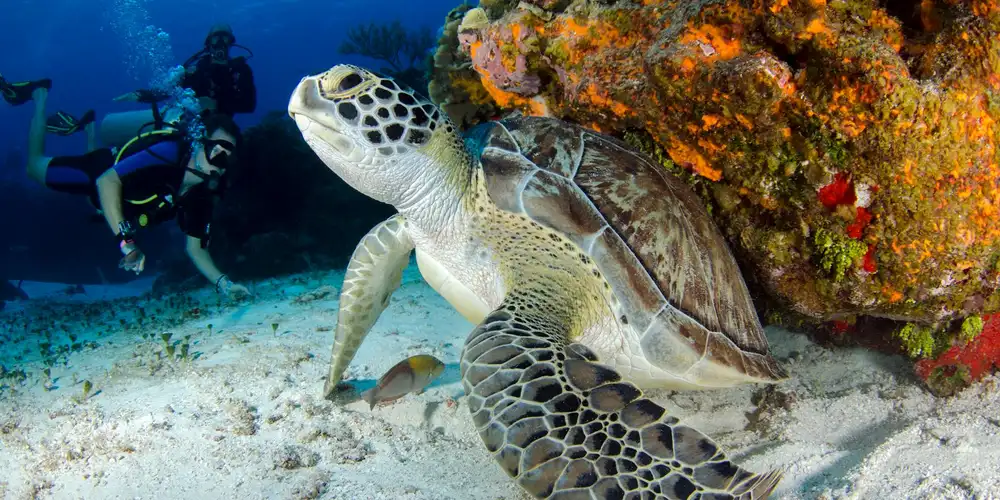
Typical wild lifespan hovers around 30 to 50 years, but life expectancy can drop due to high juvenile mortality, meaning many don’t survive to adulthood. From my experience with tortoises like Bronte, I’ve learned that early life stages are critical, but for Hawksbills, the ocean adds extra risks.
-
Stages include the juvenile phase, lasting 2-4 years where they drift in ocean currents, the adult phase starting around age 20-30 when they reproduce, a reproductive lifespan that can span decades with nesting every 2-3 years, and senescence where aging slows them down in later years. Each stage demands specific habitats and protections to support their natural rhythms.
-
Threats like poaching for their beautiful shells, habitat loss from coastal development, and climate change warming nesting beaches drastically cut their longevity, worsened by their critically endangered conservation status. Advocating for their welfare means pushing against these pressures to give them a fighting chance at a full life.
Hawksbill Turtle Lifespan in Captivity
In the wild, a hawksbill turtle can live for 30 to 50 years, navigating vast ocean currents and coral reefs. Growth to a larger size typically unfolds over many years and is linked to longevity. Size and growth rate can influence a turtle’s health and life history strategy. In captivity, their lifespan is often tragically shorter, typically reaching only into their 20s, despite our best intentions. This stark difference highlights a complex reality of keeping such a migratory marine species.
Controlled environments eliminate many natural dangers like predators, offering a safer path to maturity. This safety can paradoxically lead to a faster growth rate, but not necessarily a healthier or longer life. Their bodies are programmed for a life of constant, long-distance travel, which is nearly impossible to replicate in even the largest artificial enclosures.
The greatest challenge lies in replicating their natural habitat and migratory instincts. From my experience with my terrestrial tortoises, I’ve seen how even small environmental mismatches can cause stress; for a pelagic animal like the hawksbill, the disconnect is monumental. We struggle to provide the immense space, dynamic water conditions, and diverse diet of sponges they would naturally forage across entire oceans.
Key Factors Influencing Hawksbill Longevity
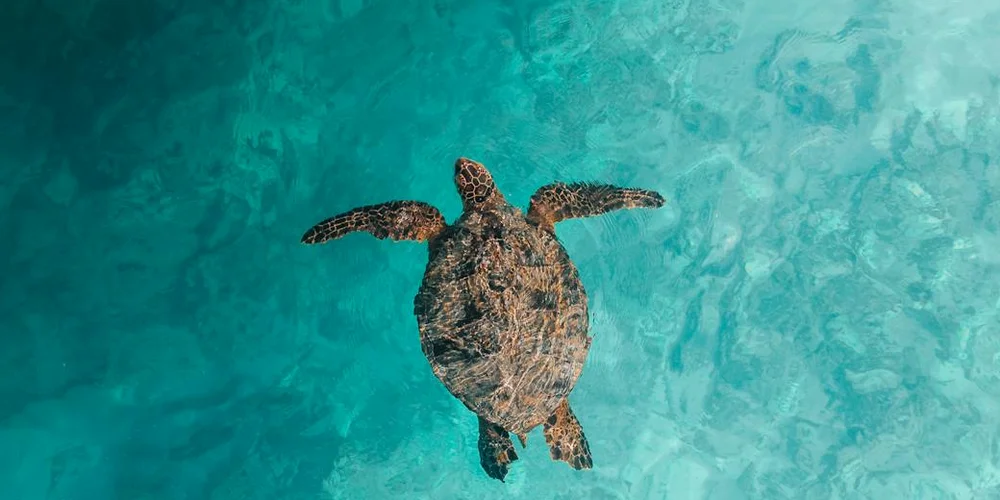
A hawksbill’s journey through life is shaped by a few critical pillars. Their specialized diet of toxic sponges is a primary factor, as this unique nutrition is difficult to properly substitute in captivity. Without it, their immune system and overall health can falter over time.
- Diet: Access to their natural sponge-based diet is crucial for proper nutrition and beak maintenance.
- Habitat Quality: Pristine, warm, and spacious saltwater is non-negotiable for their physical and mental well-being.
- Genetics: Like all creatures, their inherent genetic blueprint sets a baseline for their potential lifespan.
External threats, especially human-made pollution, severely cut their lives short. Ingesting plastic debris or becoming entangled in fishing gear are leading causes of premature death in wild populations. These incidents don’t just cause immediate harm; they lead to long-term, debilitating injuries and illnesses.
The health of their beautiful, serrated carapace is a direct window to their overall vitality. A strong, undamaged shell protects them from injury and infection, while lesions or fibropapillomatosis can be signs of systemic illness that drastically shorten their lives. Caring for a shell is about more than aesthetics; it’s about preserving the foundation of their health.
Estimating the Age of a Hawksbill Turtle
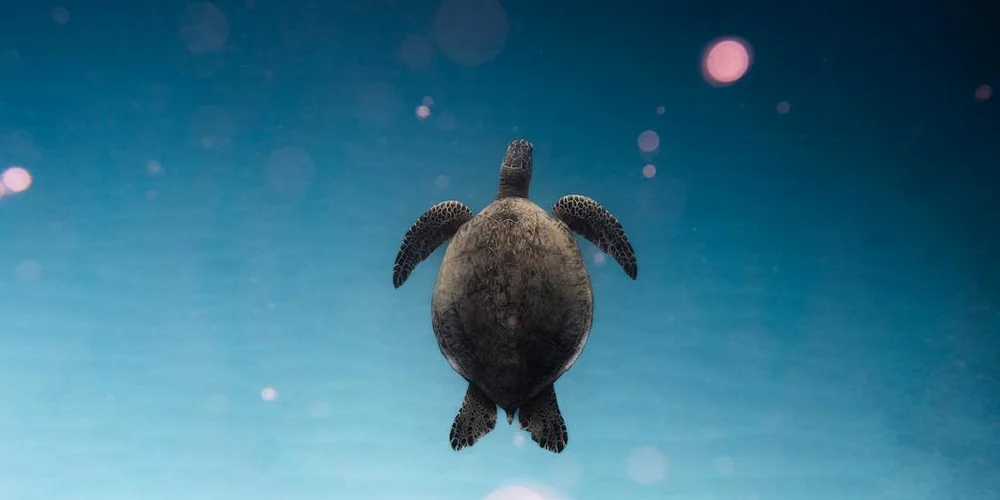
Figuring out how old a hawksbill turtle is can feel like solving a nature puzzle, and I’ve picked up a few tricks from my time with land tortoises like Austen and Bronte. While sea turtles differ, the basic idea of observing physical clues remains a handy starting point for age estimation. You can find more detailed visual tips on age determination in our complete guide for turtles.
- Growth rings on the carapace, similar to tree rings, appear as lines on the scutes and may indicate periods of growth, though they don’t always match exact years due to environmental changes.
- Size measurements offer another clue, as hawksbills grow from tiny hatchlings around 2-3 inches long to adults reaching 2-3 feet, with growth rates slowing as they age.
From juvenile to adult, hawksbills experience a rapid growth spurt in their first few years, then it tapers off as they approach maturity around 20-30 years old. This pattern means a larger turtle is generally older, but it’s not a perfect rule because diet and habitat play big roles. For snapping turtles, determining age is often attempted by counting growth rings on the scutes, but these estimates are approximate. Growth and habitat can still skew the results.
Pinpointing an exact age is tricky because growth rings can blur over time, and factors like food availability or water temperature cause variations. In my care of Orwell the box turtle, I’ve seen how individual differences make age guesses more of an educated estimate than a sure thing. To determine a box turtle’s age, people often compare its size and shell condition over time. Still, even then, age estimates remain approximate.
Conservation Status and Its Impact on Lifespan
Hawksbill turtles are listed as critically endangered, with global populations shrinking due to habitat destruction, illegal shell trade, and accidental capture in fishing gear. This dire status means every turtle’s survival is vital for the species’ future, and it directly shortens their potential lifespan in the wild.
Protection efforts, like international bans on trade and the creation of marine sanctuaries, help reduce these threats and give hawksbills a better chance to live out their full lives. By cutting down on human-caused dangers, conservation work can boost average lifespans, letting more turtles reach old age in safer environments.
Legally, keeping a hawksbill as a pet is prohibited in most places to prevent further harm to wild populations. Ethically, I advocate for admiring these majestic creatures from afar and supporting rescue centers, as removing them from their ocean home undermines their welfare and survival.
Is a Hawksbill Turtle a Suitable Pet?
-
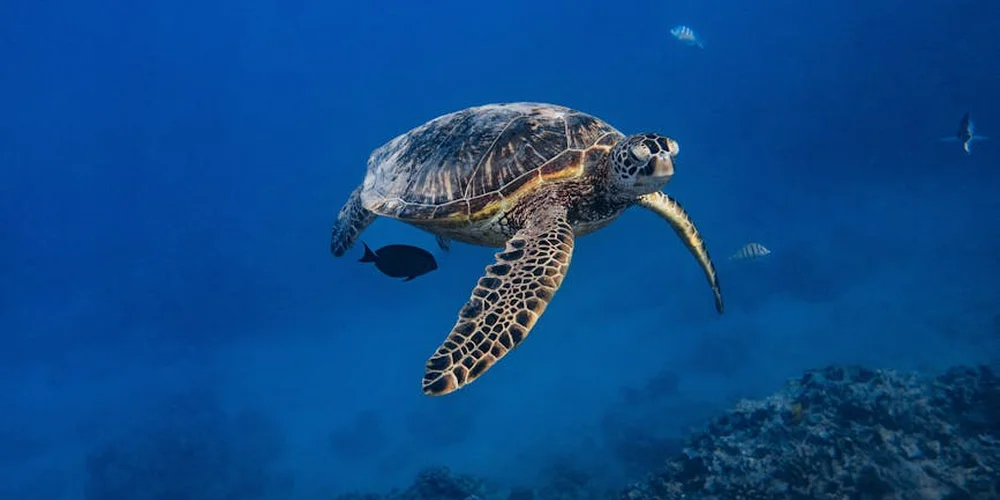
Assessing a hawksbill turtle’s suitability as a pet means looking closely at their lifespan, care demands, and legal status. With a potential lifespan of 30 to 50 years or more, owning one is a commitment that spans decades, much longer than my Russian tortoise Austen’s steady presence over the past 10 years. Their care involves replicating marine environments with large, filtered saltwater tanks, specific temperatures, and a diet rich in sponges-far more complex than the leafy greens my Greek tortoise Bronte enjoys. Legally, hawksbills are protected under CITES and listed as critically endangered, making it illegal to keep them as pets in most regions without special permits, which are rarely granted for private ownership.
-
Meeting the needs of a marine turtle like the hawksbill presents immense challenges that even experienced keepers find daunting. You would need a tank or pond holding thousands of gallons of saltwater, maintained with precise filtration and heating systems to mimic ocean currents and warmth. Their diet relies heavily on sponges and other marine invertebrates, which are difficult to source and can lead to malnutrition if not provided. In my experience with land turtles like Orwell the box turtle, I’ve seen how sensitive they are to habitat changes; marine species are even more prone to stress, shell diseases, and infections in confined spaces, often shortening their lives in captivity. According to a coral reef diet guide, hawksbill sea turtles primarily feed on sponges and other reef-dwelling invertebrates. This reliance on sponge-rich reefs explains why replicating their natural diet in captivity is so challenging.
-
Choosing not to keep a hawksbill turtle as a pet is an ethical decision that supports wildlife preservation and animal welfare. These turtles play a vital role in coral reef ecosystems by controlling sponge populations, and their decline in the wild calls for protection, not captivity. Ethical considerations about keeping a turtle as a pet often hinge on whether a home can provide adequate space, lighting, and long-term care to meet the animal’s needs. If those conditions can’t be consistently provided, choosing not to keep a turtle is the responsible path. Instead, consider supporting conservation efforts through donations or volunteering, or adopt a rescued turtle from a reputable sanctuary if you’re passionate about marine life. From caring for my own tortoises, I’ve learned that respecting an animal’s natural habitat leads to healthier, happier lives—opting for species like red-eared sliders or painted turtles, which are better suited to home environments, can be a more responsible choice.
FAQs
What is the average lifespan of a hawksbill turtle?
Hawksbill turtles generally live for 30 to 50 years in the wild, though some can reach up to 70 years in optimal conditions. This longevity is part of a slow-life strategy common to many turtles, supported by their relatively slow metabolism and protective shells. Their lifespan is shaped by factors like genetics, diet, and environmental threats.
How does captivity affect the lifespan of hawksbill turtles?
In captivity, hawksbill turtles often have shorter lifespans, typically only reaching their 20s, due to challenges in replicating their natural habitat and diet. Stress from confined spaces and inadequate nutrition can lead to health issues that reduce their longevity. This raises questions about turtle lifespan aging and how captivity might accelerate aging processes. By studying age-related changes in metabolism and immune function, caregivers can tailor conditions to support longer, healthier lives.
Is it legal to keep a hawksbill turtle as a pet?
No, it is illegal in most regions to keep a hawksbill turtle as a pet because they are critically endangered and protected under international laws. Ethical concerns and their complex care needs make them unsuitable for private ownership, so supporting conservation efforts is a better alternative. Additionally, legal restrictions on owning turtles often apply to owning other turtle species as well, with some requiring permits or bans to protect wild populations. Understanding these laws helps people make responsible choices about turtle ownership.
Caring for Your Hawksbill Through the Years
To support your hawksbill turtle’s long life, focus on creating a spacious, complex aquatic habitat and providing a varied, nutrient-rich diet. Mimicking their natural marine environment as closely as possible is the single most impactful thing you can do for their health and longevity.
Responsible pet ownership means committing to a lifetime of learning and adapting your care as new information emerges. Your dedication to understanding their unique needs ensures your shelled companion thrives for decades, making the journey incredibly rewarding.
Further Reading & Sources
- Hawksbill Turtle | NOAA Fisheries
- Hawksbill Sea Turtle – Upwell
- Eretmochelys imbricata (Hawksbill) | INFORMATION | Animal Diversity Web
- Hawksbill Sea Turtle – The Australian Museum
Matthew is a dedicated turtle enthusiast and conservationist with over 15 years of experience in reptile care. Known affectionately as "The Leatherback" among his peers, he combines his passion for turtles with a commitment to educating pet owners on responsible turtle care and environmental stewardship.
Aquatic Turtles