
Why Do Red-Eared Sliders Bite and How to Stop It?
Published on: April 7, 2026 | Last Updated: April 7, 2026
Written By: Matthew The
That sudden nip from your red-eared slider can leave you startled and worried about why your usually calm pet is acting out.
In this article, we’ll explore the common causes of biting, effective prevention techniques, and steps to foster a safer, happier relationship with your turtle.
Why Red-Eared Sliders Bite: Common Causes
-
Red-eared sliders often bite due to feeding reflexes, where they mistake your fingers for food during hand-feeding. I learned this firsthand when my tortoise Austen once nipped my hand while I offered a leafy green-it was a quick, instinctual reaction, not aggression. Always use feeding tools to avoid confusion and keep your fingers safe.
-
Territorial aggression is common in tank settings, especially if space is limited or resources like basking spots are scarce. In my experience, even gentle turtles like Bronte can become defensive when they feel their home is invaded, leading to resource guarding behaviors. Understanding that turtles spend significant time out of water to bask for warmth, UV exposure, and dry shell health helps explain why competition for sunny spots can arise. Providing ample room and multiple basking areas helps meet these needs and reduces tension.
-
Stress from improper handling or sudden environmental changes, like water temperature shifts or new tank mates, can trigger biting. When I moved Orwell’s enclosure, his usual calm demeanor shifted to skittishness, showing how sensitive they are to disruptions. Gradual adjustments and gentle interactions help maintain their comfort.
-
Medical issues, such as shell infections or internal pain, may cause pain-induced nipping as a distress signal. If your turtle bites unexpectedly, consider a vet check—I’ve seen how discomfort can turn a peaceful pet into a nervous biter. To tell if your turtle is sick, monitor changes in appetite, activity, and shell condition for persistent signs. Regular health monitoring is key to preventing this.
Recognizing Signs of Stress and Aggression

-
Watch for body language cues like hissing, rapid retreat into the shell, or aggressive postures with an extended neck and open mouth. My Greek tortoise Bronte often hisses softly when stressed, a clear warning before any bite attempt. Recognizing these signals early helps you intervene calmly.
-
Hunger or discomfort, such as poor water quality or incorrect temperatures, can escalate into biting behavior. I’ve noticed that when Austen’s tank is too cold, he becomes more irritable and likely to snap during feeding times. Keeping their environment stable reduces these triggers.
-
Personal anecdotes highlight early warnings; for instance, my box turtle Orwell once avoided his favorite basking spot for days before a minor bite incident. This taught me that subtle changes in routine often precede aggression, so I now track their habits closely. Paying attention to small details can prevent bigger issues.
Safe Handling Techniques to Avoid Bites
After years of caring for my own turtles, I’ve learned that most bites happen from simple misunderstandings. Approaching your turtle with calm, predictable energy is the single most important factor in preventing bites. They aren’t being malicious; they’re just reacting to what they perceive as a threat. Some species can cannibalize under stress or overcrowding. Understanding their aggressive signals is a key part of prevention.
Gentle Restraint and Movement
Quick, jerky motions look like a predator to a turtle. Your goal is to be a calm, steady presence.
- Always approach your red-eared slider from the front where they can see you. Sneaking up from behind is a surefire way to startle them.
- Move your hand slowly and deliberately, sliding it under their shell from the side. Avoid coming straight down over their head.
- Support their entire body weight with both hands, cradling the shell. Let their legs dangle comfortably; never pick them up by a limb.
- Keep handling sessions brief, ideally under 10-15 minutes, to prevent stress from building up.
Proper Hand Placement and Handling Limits
Your hands should be a source of security, not fear. Correct hand placement communicates safety and prevents the defensive tucking that can lead to accidental nips. I learned this the hard way with my box turtle, Orwell, who would snap if I didn’t support his plastron properly.
- Place one hand under the front part of the shell (the plastron) and the other under the back half for full support.
- Limit handling to essential activities like tank cleaning or health checks. Red-eared sliders are not cuddly pets and do not enjoy frequent handling.
- Never handle your turtle during feeding time, as they are in a heightened, food-focused state and more likely to mistake a finger for a snack.
Reducing Stress During Interactions
A calm turtle is a turtle that won’t bite. Creating a low-stress environment for interaction builds trust over time. Speak to them in a soft, low voice before you even open the tank lid. If you’re unsure how your turtle is feeling, look for signs of stress such as hiding, reduced appetite, or rapid breathing at the surface. These cues tell you when to adjust lighting, temperature, or handling to help them feel secure.
- Wash your hands before and after handling. Residual food smells can trigger a feeding response.
- Handle your turtle close to a soft surface, like over a carpet or a towel-lined table, in case they wiggle free.
- Pay attention to their body language. Hissing, retracting into their shell, or a wide-eyed stare are clear signs to give them space.
Optimal Tank Setup to Minimize Biting
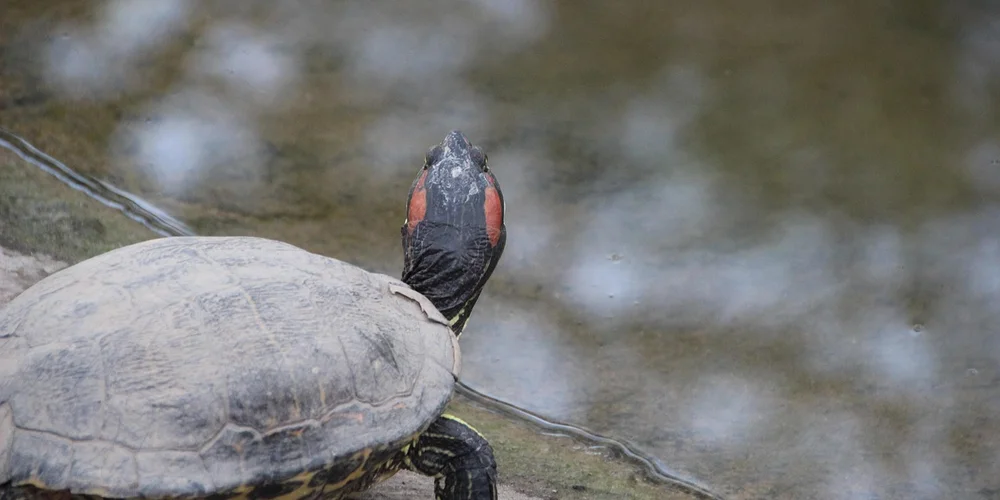
Often, biting is a symptom of a subpar environment. A bored, stressed, or uncomfortable turtle is far more likely to display aggressive behaviors. Investing in a proper habitat is an investment in a peaceful coexistence.
Essential Habitat Elements
Your turtle’s tank is their entire world. It needs to meet all their instinctual needs for security and thermoregulation.
- Provide multiple hiding spots, like clay pots on their side or commercial turtle caves, where they can retreat and feel safe.
- Ensure a spacious, easy-to-access basking area with both a heat lamp and a full-spectrum UVB light. Inadequate basking spots cause immense stress.
- Maintain excellent water quality with a powerful canister filter rated for 2-3 times your tank’s volume. Dirty water is a constant irritant.
Enrichment to Curb Boredom and Aggression
A stimulated mind is a peaceful mind. Enrichment is not a luxury for turtles; it’s a necessity for their psychological well-being. I rotate novel items in my tortoises’ enclosures to keep them engaged and curious. Enrichment activities for pet turtles keep them active and healthy. They provide physical exercise and mental stimulation.
- Introduce aquarium-safe objects they can push around, like large river rocks or ping pong balls.
- Create a “foraging” experience by hiding food items in different parts of the tank or in a treat ball designed for reptiles.
- Rearrange tank decorations every few months to create a “new” environment and spark exploration.
Dietary Balance to Address Hunger
A hungry turtle is a bitey turtle. Many nips are simply a case of mistaken identity driven by an unbalanced diet or poor feeding routine. My sliders became much more relaxed after I dialed in their nutrition.
- Feed a varied diet of high-quality commercial pellets, leafy greens like dandelion greens, and occasional protein like earthworms or feeder fish.
- Avoid over-reliance on fatty, “junk food” treats, which can leave them perpetually hungry for proper nutrition.
- Establish a consistent feeding schedule and location, so they don’t associate your hand entering the tank solely with food.
First Aid and Response to Bites

If your red-eared slider bites you, stay calm and act quickly. Immediate care can prevent infections and ease discomfort. I’ve handled bites from my own turtles, like when Orwell nipped me during feeding—[prompt cleaning made all the difference](https://shellsanctuary.com/do-turtles-bite-humans-pain-level-and-prevention-tips).
Steps for Cleaning Wounds
- Rinse the bite under cool, running water to wash away saliva and debris.
- Gently clean with mild soap, using a soft cloth to avoid irritation.
- Apply an antiseptic like iodine or hydrogen peroxide to disinfect the area.
- Cover with a sterile bandage to keep it clean and dry.
Repeat this process twice daily until the wound shows signs of healing.
When to Seek Medical Care
- The bite is deep, won’t stop bleeding, or causes severe pain.
- You see redness, swelling, pus, or red streaks around the wound.
- You develop a fever, chills, or feel generally unwell.
Don’t delay seeing a doctor if infection signs appear; turtle mouths host bacteria.
Bite Force and Potential Injuries
Red-eared sliders have strong jaws for crushing food. Their bite can break human skin, leading to punctures or minor cuts. Most bites are shallow, but deep ones might need stitches or antibiotics.
Safety Measures to Prevent Infection
- Wash your hands before and after handling your turtle to reduce germ transfer.
- Avoid sudden movements that might startle your slider into biting.
- Keep a first aid kit handy with antiseptics and bandages.
Regular hygiene habits protect both you and your pet from health risks.
When to Consult a Veterinarian for Biting Issues
Frequent biting often hints at hidden health troubles. A vet visit can reveal causes like pain or illness that affect behavior. With Austen, my Russian tortoise, a vet found shell issues causing his grumpiness.
Symptoms Indicating Underlying Health Problems
- Loss of appetite or weight changes.
- Lethargy, hiding more than usual, or refusing to swim.
- Swollen eyes, nose, or mouth areas.
- Abnormal shell growth or discoloration.
These symptoms may signal infections, nutritional deficits, or stress-related conditions.
How a Vet Diagnoses Pain or Illness
Vets perform exams, sometimes using X-rays or blood tests. They check for issues like respiratory infections or shell rot that cause discomfort. For instance, vets often assess water quality and diet during evaluations.
Follow-Up Care and Habitat Adjustments
- Give medications exactly as prescribed, even if your turtle seems better.
- Adjust tank temperature, filtration, or lighting based on vet recommendations.
- Add hiding spots or reduce noise to lower stress levels.
Consistent follow-up care helps your turtle recover and reduces future biting incidents.
Long-Term Bite Prevention Through Training and Routine
-
Desensitization Methods and Positive Reinforcement
Start by slowly introducing your presence to reduce fear and aggression in your red-eared slider. I’ve found that gradual exposure, like placing my hand near Austen’s enclosure for short periods, helps him get used to me without stress. Use positive reinforcement by offering small, favorite treats-such as chopped leafy greens-when your turtle remains calm during interactions. Over time, this builds positive associations with your presence.
Follow these steps for effective desensitization:
- Sit quietly by the tank for 5-10 minutes daily, allowing your turtle to observe you.
- Gently place your hand in the water without touching, rewarding calm behavior with a treat.
- Progress to light touches on the shell or legs, always stopping if signs of stress appear.
With my Greek tortoise Bronte, this method turned her initial skittishness into curiosity, and she now approaches my hand willingly. Always prioritize your turtle’s comfort to prevent bites and support their well-being.
-
Consistency in Handling and Feeding Schedules
Red-eared sliders thrive on predictable routines, which lower their anxiety and reduce biting tendencies. Stick to regular times for feeding and handling, as this signals safety and reduces defensive reactions. For instance, I feed Orwell at the same hour each day, and his reserved nature has softened into trust over months.
Key elements of a consistent routine include:
- Feeding at fixed intervals, like morning and evening, to prevent food-related aggression.
- Handling sessions at calm times, avoiding sudden changes that startle your turtle.
- Keeping the environment stable, such as water temperature and tank layout.
This approach mimics their natural rhythms and minimizes stress-induced bites. Consistency isn’t just about timing-it’s about creating a reliable bond that makes your turtle feel secure.
-
Patience-Based Strategies for Building Trust
Building trust with a red-eared slider is a slow process that requires unwavering patience. Rushing interactions can lead to bites, so focus on gentle, incremental progress over weeks or even months. I spent quiet moments near Bronte’s habitat, letting her decide when to engage, which gradually built her confidence.
Effective patience strategies involve:
- Avoiding forced handling; let your turtle come to you on its terms.
- Using soft voices and slow movements to create a calming atmosphere.
- Celebrating small victories, like when your turtle stops retreating from your hand.
From my experience, this method transformed Orwell from a shy turtle to one that recognizes my voice and approaches without fear. Trust grows from respect and time, not haste, ensuring a happier life for your pet. To build trust with a new pet turtle, start with calm, predictable interactions and give it time to acclimate. Let the turtle come to you at its own pace and use gentle voice cues to reinforce safety.
FAQs
How powerful is a red-eared slider’s bite?
Red-eared sliders have strong jaws adapted for crushing hard-shelled prey like snails and insects. Their bite can easily break human skin, causing minor cuts or punctures that may require first aid.
What is the bite force in PSI for red-eared sliders?
While exact PSI measurements are not widely documented, their bite force is estimated to be sufficient for their dietary needs but generally not extreme compared to larger turtle species. It is strong enough to inflict painful nicks or bruises if they bite defensively.
Do red-eared slider bites cause serious injury?
Most bites result in superficial wounds, but deep bites can lead to bleeding or infection if not treated promptly. Serious injuries are rare, but immunocompromised individuals should seek medical care for any bite that breaks the skin.
What do Reddit users commonly report about red-eared slider bites?
Many Reddit threads describe bites as sudden and often linked to feeding mistakes or territorial behavior in home aquariums. Users frequently note that bites are more startling than severely painful, emphasizing proper handling to avoid incidents.
Can a red-eared slider’s bite force damage objects?
Their bite is capable of cracking thin materials like plastic or brittle shells of small aquatic creatures. However, it is not strong enough to damage hard items like aquarium glass or metal fixtures in their tank.
Caring for Your Red-Eared Slider with Confidence
From my time with turtles like Bronte, I’ve learned that biting often stems from stress or hunger, so focus on creating a peaceful habitat and consistent feeding routine. A common myth is that turtles bite out of pure aggression; in reality, most bites are defensive or driven by fear. Understanding this truth helps separate myth from fact and guides better care. Gentle handling and recognizing their body language can transform your interactions and reduce biting incidents.
Responsible turtle ownership means committing to their long-term well-being and adapting as they grow. For both land and aquatic turtles, this care guide is essential—covering habitats, diets, and enrichment at every stage. Stay curious and keep exploring resources to deepen your knowledge, ensuring your turtle thrives under your care.
Further Reading & Sources
- r/turtle on Reddit: I have a question. Do fully grown red ear slider turtles bite hurt?
- Red Eared Slider Handling & Behavior Notes – ReptiFiles
- Do Red Eared Sliders Bite? – The Reptile Guide
- Do Red-Eared Sliders Bite? 5 Reasons Why & How To Stop It
Matthew is a dedicated turtle enthusiast and conservationist with over 15 years of experience in reptile care. Known affectionately as "The Leatherback" among his peers, he combines his passion for turtles with a commitment to educating pet owners on responsible turtle care and environmental stewardship.
Understanding Turtle Behavior