
What Do Red-Eared Slider Turtles Eat? A Complete Feeding Guide
Feeding your Red-Eared Slider turtle can feel overwhelming, but getting their diet right is essential for a healthy, happy pet-just as I’ve seen with my own turtles over the years.
In this guide, we’ll cover: types of food, feeding schedules, portion sizes, essential supplements, and common mistakes to avoid.
Understanding the Red-Eared Slider’s Omnivorous Diet
An omnivore eats both plants and animals, just like your red-eared slider naturally does. This mix keeps them healthy and full of energy, much like how a varied diet benefits us humans. In the wild, they snack on whatever they find, but in captivity, you control their meals to mimic that diversity.
Wild diets include bugs, small fish, and water plants, while captive ones rely on your careful planning. For a practical wild vs captivity diet guide, balance wild-foraged items with safe captive options. Offering a range of foods prevents boredom and nutritional gaps, something I’ve seen keep my own turtles thriving for years. A quick safety and portion check helps you stay aligned with that guide. From watching my tortoises Austen and Bronte, I know variety sparks their curiosity and supports overall well-being.
Natural Diet in the Wild
In their native habitats, red-eared sliders feast on insects, tiny fish, and lush aquatic plants. This wild buffet teaches us that a balanced diet is key to their survival and vitality. Observing how they hunt and graze in ponds reminds me to include similar items in home care.
- Insects like crickets and beetles
- Small fish such as minnows
- Aquatic plants like duckweed and algae
When I first cared for Orwell, my box turtle, I noticed how mimicking his wild diet with live prey and greens boosted his activity and shell health. Replicating this for red-eared sliders helps avoid common issues like sluggishness or poor growth.
Captive Diet Essentials
For a happy captive turtle, focus on three main parts: animal protein, plant foods, and quality pellets. Getting this balance right wards off problems like shell deformities, which I’ve prevented in my pets through steady monitoring and meticulous care when feeding aquatic turtles live food, pellets, and vegetables.
- Animal protein: Supports muscle and shell development
- Plant foods: Aids digestion and provides vitamins
- Commercial pellets: Offers a reliable nutrient base
By rotating these elements, you ensure your turtle gets all it needs without overdoing any one thing. This approach has kept my turtles’ shells smooth and strong, much like a well-tended garden.
What to Feed Your Red-Eared Slider Turtle

Think of your turtle’s meals as a colorful palette of options to keep things exciting. Rotating foods not only prevents pickiness but also ensures a broad spectrum of nutrients for long-term health. From my experience, a varied menu makes feeding time a joy for both you and your pet.
Protein-Rich Foods for Growth and Health
Young turtles need more protein for growth, while adults require less to avoid obesity. Offer protein sources like earthworms or small fish a few times a week, adjusting based on your turtle’s age and activity level.
- Insects: Crickets, mealworms
- Worms: Earthworms, bloodworms
- Small fish: Guppies, feeder fish
I once overfed protein to a young turtle, leading to rapid growth and shell issues— a lesson in moderation. Stick to portions that match their size, and you’ll see steady, healthy development without the risks. Common turtle feeding mistakes to avoid include overfeeding and feeding too often. Steering clear of them helps ensure consistent, healthy growth.
Plant-Based Foods for Balance
Plants are essential for digestion and preventing deficiencies. Including leafy greens and veggies in their diet has helped my turtles maintain smooth digestion and vibrant energy. There is a complete safe list of vegetables turtles can eat. Using it helps ensure a balanced, safe diet.
- Leafy greens: Kale, romaine lettuce
- Vegetables: Carrots, squash
- Occasional fruits: Apples, berries (in small amounts)
From tending to Bronte, my Greek tortoise, I’ve seen how plants ease her digestive process, much like a gentle cleanse. Mix these in regularly to keep your red-eared slider’s gut happy and balanced.
Commercial Turtle Pellets and Staples
High-quality pellets act as a nutritional safety net in your turtle’s diet. Look for brands with balanced ingredients, and I’ve found that ones fortified with calcium support shell strength effectively. The calcium-to-phosphorus ratio is the single most important rule in turtle nutrition. For this reason, choose pellets that help balance this ratio, not just those that emphasize calcium alone.
Based on my trials, pellets from reputable sources can round out meals without relying solely on fresh foods. They provide consistency, ensuring your turtle gets vital vitamins even on busy days. For an omnivorous turtle, a balanced diet blends pellets with a variety of fresh greens, fruits, and occasional animal protein. This approach helps you create a balanced diet for your omnivorous turtle.
Feeding Frequency and Portions for Juveniles and Adults
Getting the schedule right is one of the most common challenges for new turtle owners. I’ve found that matching their meals to their life stage is the single biggest factor in keeping them healthy and active. Their metabolism and growth needs change dramatically as they mature.
Here is a quick-reference table to visualize the differences.
| Life Stage | Feeding Frequency | Portion Size Guide | Protein Focus |
|---|---|---|---|
| Juvenile (Under 1 year) | Once or twice daily | Amount they can consume in 15 minutes | High (70-80%) |
| Adult (Over 1 year) | Every other day | Amount the size of their head | Lower (25-30%) |
These are solid starting points, but you must watch your individual turtle. A highly active turtle in a large, warm tank may need more food than a more sedentary one. I adjust Bronte’s portions slightly in the summer when she’s constantly exploring, and reduce them a bit in the winter when she’s calmer.
Juvenile Red-Eared Slider Diet
Baby red-eared sliders are pure, scaly energy. They are growing at an incredible rate and need fuel to match. I fed my young turtle, Pip, a protein-rich diet daily to support his rapid shell and bone development. His little legs were constantly paddling, and his eyes were always searching for the next morsel.
His daily menu looked something like this:
- A high-quality commercial turtle pellet as his staple.
- Small, gut-loaded crickets or chopped earthworms for live protein.
- Occasional tiny pieces of cooked fish for variety.
I made sure every meal was packed with the nutrients he needed to build a strong foundation for his adult life.
Adult Red-Eared Slider Diet
As your turtle crosses into adulthood, its dietary needs shift from growth to maintenance. Overfeeding an adult turtle is a fast track to obesity and serious health issues like pyramiding of the shell. I learned this the hard way with my first turtle, giving him the same large portions he enjoyed as a juvenile. If you’re unsure whether your turtle is overweight, look for signs like a noticeably rounded shell or extra fat around the neck and limbs. A quick vet check can confirm and help you adjust portions to avoid overfeeding.
My adult Greek tortoise, Bronte, now eats a balanced meal every other day. A typical meal for her includes:
- A small portion of turtle pellets.
- A large leaf of dark, leafy greens like romaine or dandelion.
- A single, defrosted shrimp or a couple of bloodworms as a protein treat.
This schedule keeps her at a perfect weight, her shell smooth, and her energy levels consistent without the risk of overfeeding.
Foods to Avoid in Your Turtle’s Diet
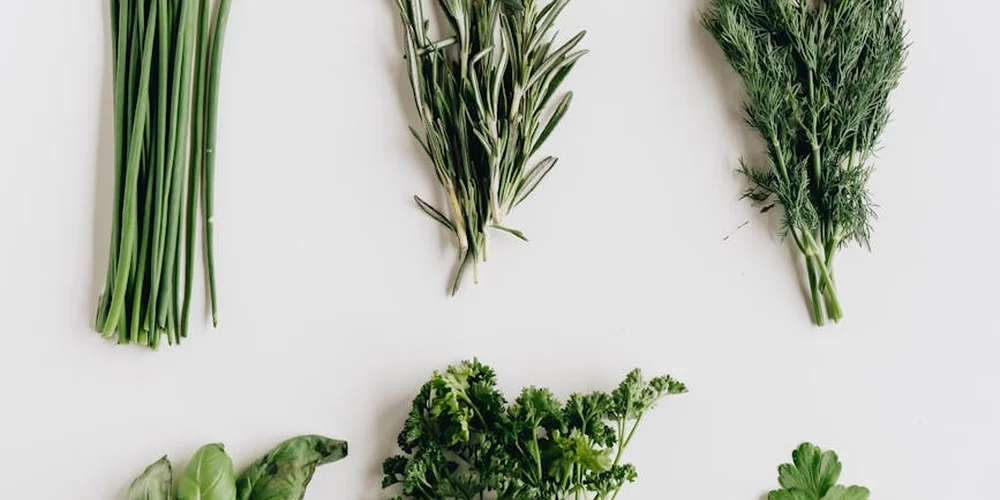
Just as important as knowing what to feed is knowing what to keep far away from your turtle’s dish. Some common human and pet foods can be toxic or cause severe nutritional deficiencies in reptiles. Their digestive systems are simply not built to process everything we can.
Based on research and a couple of personal scares, here is my definitive list of foods to avoid.
- Iceberg Lettuce: This is mostly water and offers no nutritional value. It can fill your turtle up without providing any benefits, leading to malnutrition.
- Avocado: Every part of the avocado-skin, pit, and flesh-is toxic to many animals, including turtles. It can cause serious cardiac distress.
- Processed Meats: Foods like ham, bacon, or beef are far too high in fat, salt, and preservatives for a turtle’s system and will damage their kidneys over time.
- Rhubarb: The leaves are highly toxic, and it’s best to avoid the plant entirely to be safe.
- Dairy Products: Turtles are reptiles and lack the enzymes to digest lactose. Cheese, milk, or yogurt will cause digestive upset.
I once made the mistake of assuming all greens were safe and offered a piece of spinach to Orwell, my box turtle. He developed a slight calcium deficiency because spinach binds to calcium, preventing its absorption. It was a small but powerful lesson in always double-checking the specifics of their diet.
Practical Feeding Tips from Personal Experience
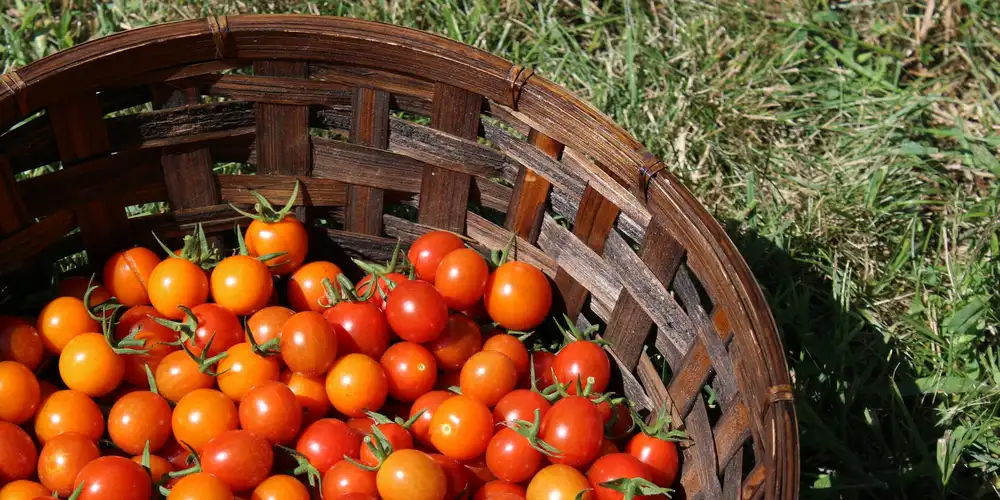
After a decade of turtle parenting, I’ve learned that mealtime is more than just dropping food in the tank. I started feeding my Russian tortoise, Austen, in a separate plastic tub, and it transformed cleanup from a chore into a quick wipe-down. This simple step keeps their main home much cleaner and gives you a better chance to observe their eating habits.
You’ll quickly notice each turtle has a unique personality at dinner time. My box turtle, Orwell, is a meticulous forager, while Bronte, my Greek tortoise, eats with the delicate precision of a fine diner. Watching them helps you tailor portions and recognize when their appetite changes, which is often the first sign something is off.
How to Introduce New Foods
Turtles can be surprisingly stubborn about new items on the menu. I’ve found a gentle, patient approach works wonders, especially with my more reserved shelled friends.
- Start by mixing a tiny amount of the new food with their current favorite meal.
- Gradually increase the proportion of the new food over the next 7-10 days.
- If they refuse, try a different preparation, like finely shredding greens or slightly mashing a new fruit.
- Be persistent but never force it; sometimes it takes multiple introductions over weeks for them to accept a new taste.
Patience truly is the secret ingredient with finicky eaters; it took Bronte nearly a month to finally accept dandelion greens, which are now a staple.
Maintaining Tank Cleanliness During Feeding
A clean tank is a healthy tank, and how you feed plays a huge role. Leftover food decays quickly, fouling the water and stressing your turtle’s immune system.
My number one tip is to use a separate feeding container, like a small, water-filled tub without any substrate or decorations. This contains the mess entirely. Keeping the feeding mess separate helps keep your turtle tank clean and odor-free. Regularly dumping and cleaning that feeding water also reduces odor in the main habitat. After your turtle finishes eating, you simply transfer them back to their clean main habitat and dump the dirty feeding water.
I also recommend feeding protein-rich foods like shrimp in this separate tub, as they can be particularly messy. This single habit has drastically reduced filter clogs and water changes in my own turtle habitats, leading to clearer water and healthier, more active pets.
Using Supplements for Optimal Health
Even the most balanced diet can lack specific nutrients essential for a turtle’s long-term health. In their natural habitat, they get this from a vast and varied environment, but in our homes, we need to help. Ensuring adequate calcium and vitamin D3 supports a strong shell. Proper nutrition directly influences shell health.
Calcium is non-negotiable for building and maintaining a strong, resilient shell and skeletal structure. A deficiency can lead to soft shell, a serious and painful condition. Vitamin D3 is calcium’s essential partner, as it allows their body to actually absorb and use the calcium you provide.
Applying supplements is simple. I use a small plastic bag or container with a pinch of supplement powder, add the food, and gently shake to coat it lightly. I saw a remarkable improvement in the strength and color of Orwell’s shell after just a few months of a consistent supplement routine.
A good schedule is to dust their food with a calcium supplement 2-3 times a week, and a multivitamin once a week. Rotating these days ensures they get a full spectrum of support without overdoing any single nutrient.
Recognizing Signs of Overfeeding and Underfeeding
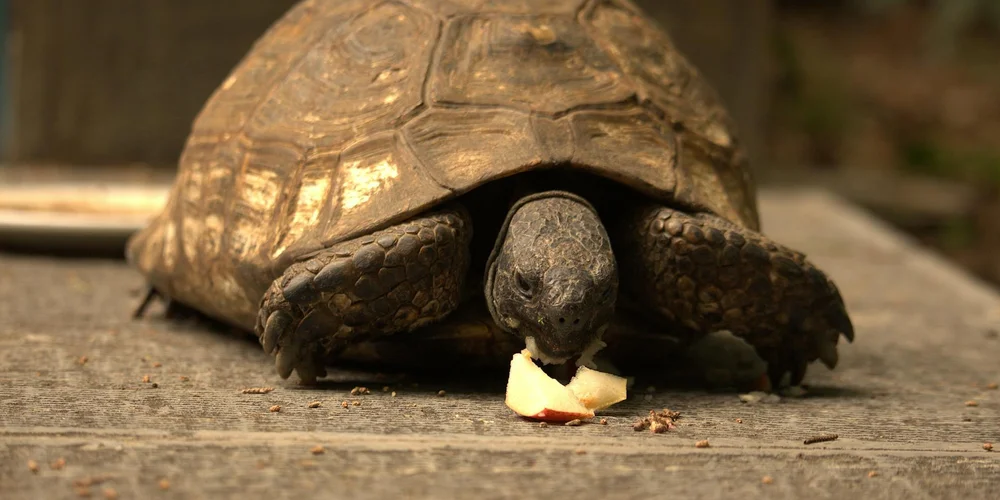
Getting the portion sizes right is one of the trickiest parts of turtle care, but your turtle will tell you everything you need to know if you learn to read the signals. I’ve learned to watch my own turtles, Austen and Bronte, like little, slow-moving barometers of their own health.
Signs You’re Feeding Too Much (Overfeeding)
An overfed turtle can develop serious health issues over time, like pyramiding on their shell or fatty liver disease.
- Shell Pyramiding: Instead of a smooth, domed shell, individual scutes (the plates on the shell) begin to rise into pyramid-like shapes.
- Excessive Fat Pads: Look for bulging skin that makes it difficult for your turtle to fully retract its head and limbs into its shell.
- Lethargy and Reluctance to Swim: A turtle carrying extra weight will often prefer basking for extended periods and seem sluggish in the water.
- Rapid, Unusual Growth: While young turtles grow quickly, a sudden, disproportionate growth spurt can indicate overfeeding.
- Persistent Leftover Food: If you consistently see uneaten food decaying in the tank after 15-20 minutes, you are definitely offering too much.
Signs You’re Not Feeding Enough (Underfeeding)
Underfeeding stunts growth and weakens your turtle’s immune system, leaving it vulnerable to illness.
- Noticeable Weight Loss: The skin around the legs and neck may appear loose or sunken, and the shell might feel dangerously lightweight.
- Lethargy from Lack of Energy: This is different from the lazy lethargy of overfeeding; here, your turtle lacks the basic energy to move or bask properly.
- Soft Shell (in juveniles): A young turtle’s shell should be firm. A soft, pliable shell often points to a severe calcium deficiency from poor diet.
- Pacing and Begging Behavior: A hungry turtle will often swim frantically against the glass or follow you intently whenever you approach the tank.
- Sunken or Dull Eyes: Healthy turtles have bright, alert eyes. Sunken eyes can be a sign of dehydration and malnutrition.
How to Make the Right Adjustments
If you spot any of these signs, don’t panic. Turtles are resilient, and you can easily correct their diet.
- For Overfeeding: Immediately reduce the portion size of their primary meals. A good rule I follow is to offer an amount of food roughly the size of your turtle’s head (excluding the neck).
- For Underfeeding: Gradually increase the amount of their staple pellets or proteins. Do this slowly over a week to avoid shocking their system.
- For Both Scenarios: Double-check that you are offering a properly balanced diet with enough leafy greens and calcium sources, like cuttlebone. Variety is the true secret to a healthy turtle.
The most important tool you have is simple observation; watch how your turtle behaves and looks between feedings, and you will naturally find the perfect balance.
Common Questions
What is a simple red-eared slider diet for beginners?
A simple starter diet primarily consists of high-quality commercial turtle pellets. Supplement this with occasional leafy greens and small portions of protein like earthworms a few times a week.
Is there a reliable red-eared slider diet chart I can follow?
Yes, a good diet chart visually outlines the ideal protein-to-plant ratio for different life stages. It helps you quickly plan balanced weekly meals without guesswork.
What do people on Reddit commonly ask about red-eared slider diets?
A frequent question involves the correct feeding frequency to prevent obesity in adult turtles. Another common topic is how to safely introduce new vegetables to a picky eater’s diet.
Feeding Your Red-Eared Slider: The Essentials
Feed your red-eared slider a balanced diet of commercial pellets, fresh leafy greens, and occasional protein, adjusting the ratio of plants to protein as your turtle matures from juvenile to adult. Providing variety and proper supplementation is the cornerstone of a healthy, thriving turtle.
Your commitment to learning about their specific needs, from diet to water quality, is what transforms basic care into exceptional stewardship. Continue to observe your turtle and stay curious, as a dedicated owner is their greatest advocate for a long, vibrant life. Learn how to care for both land and aquatic turtles to provide them with the best environment.
Further Reading & Sources
- What Should I Feed My Red-Eared Slider Turtle?
- What Do Red-Eared Sliders Eat? – ReptiFiles
- r/Redearedsliders on Reddit: Trying to create the best diet for my turtle… what do you guys feed your sliders and what’s your feeding schedule?
- Caring for Your Red-Eared Slider
Matthew is a dedicated turtle enthusiast and conservationist with over 15 years of experience in reptile care. Known affectionately as "The Leatherback" among his peers, he combines his passion for turtles with a commitment to educating pet owners on responsible turtle care and environmental stewardship.
Common Turtle Foods