
Feeding Aquatic Turtles: Live Food, Pellets, and Vegetables
Published on: January 28, 2026 | Last Updated: January 28, 2026
Written By: Matthew The
Are you feeling uncertain about the best diet for your aquatic turtle, worried it might not get all the nutrients it needs to stay vibrant and healthy? I’ve cared for turtles like my steady Austen and thoughtful Bronte for years, and I know that proper feeding is key to their well-being.
This article explores live food, pellets, and vegetables to give you a clear, balanced approach. You’ll find practical tips based on real experience to keep your turtle happy and thriving.
Understanding the Core Diet of Aquatic Turtles
What Aquatic Turtles Naturally Eat
Aquatic turtles thrive on a diet that mirrors their wild habits, blending live prey, plants, and modern options. In my years of caring for turtles like Austen and Bronte, I’ve seen how a varied menu keeps them active and healthy, just as nature intended.
- Live prey: Small fish, insects such as crickets and mealworms, and aquatic snails.
- Plant matter: Water plants like duckweed, algae, and tender greens from their environment.
- Commercial options: High-quality pellets designed to replicate natural nutrients without the guesswork.
Variety isn’t just about taste-it prevents boredom and ensures your turtle gets a full spectrum of nutrients. Mimicking their wild diet reduces stress and supports lifelong vitality, something I prioritize for all my shelled friends.
Essential Food Categories: Live, Pellets, and Vegetables
Live foods, like feeder fish and crickets, offer protein and mental enrichment as turtles hunt. Watching your turtle chase prey taps into their instincts, making meals both nutritious and engaging, similar to other enrichment activities that keep pet turtles active and healthy.
- Feeder fish: Provide essential fats and protein for energy and growth.
- Crickets: Deliver a crunch that turtles love, packed with vitamins and minerals.
- Leafy greens: Spinach, kale, and romaine lettuce add fiber and prevent digestive issues.
Pellets serve as a reliable base, balancing nutrients in every bite. I rely on pellets to fill gaps in my turtles’ diets, ensuring they never miss key vitamins or minerals.
Vegetables round out meals with vitamins and hydration. Including greens like those I feed Orwell helps maintain a healthy weight and supports shell integrity over time.
Essential Nutrients for Optimal Turtle Health
Key Nutrients: Protein, Calcium, and Vitamins
Protein fuels growth and repair, especially in young turtles, and comes from live prey and pellets. From my experience, a protein-rich diet keeps turtles like Bronte agile and strong, much like their wild counterparts. In the wild, turtles eat insects, spiders, and worms as key protein sources, and a simple protein guide can help you replicate that balance at home. A practical protein guide keeps meals varied and nutritious.
- Protein sources: Insects, worms, and pellet blends that mimic natural prey.
- Calcium needs: Critical for shell and bone strength; I supplement with crushed cuttlebone or powdered calcium.
- Vitamins: A, D3, and others from diverse foods or added supplements to boost immunity.
Calcium is non-negotiable for preventing soft shells and deformities. I make it a habit to dust food with calcium a few times weekly, a simple step that safeguards my turtles’ long-term health.
Balancing Nutrition with Greens and Supplements
Calcium-rich vegetables, like kale and collard greens, are easy additions to boost mineral intake. These greens not only strengthen shells but also add variety that turtles eagerly accept.
- Calcium-rich veggies: Kale, collard greens, and dandelion leaves for a natural boost.
- Safe vitamin sources: Commercial turtle vitamins or whole foods like carrots for vitamin A.
Deficiencies can lead to metabolic bone disease or stunted growth. By mixing greens with supplements, I’ve avoided these risks and kept my turtles thriving for years.
Prevention starts with a balanced plate and regular monitoring. Advocating for animal welfare means tailoring each meal to meet your turtle’s unique needs, just as I do for Austen and the others.
Safe and Unsafe Foods for Your Aquatic Turtle
Recommended Vegetables and Leafy Greens
Providing a variety of vegetables is foundational for a balanced aquatic turtle diet. I’ve found that a rotating menu of romaine lettuce, kale, and collard greens keeps my turtles interested and healthy. These are excellent staples because they are rich in vitamins and low in substances that can cause issues. In addition, many garden plants and some flowers are safe for turtles to nibble, offering a safe variety in moderation. Always choose pesticide-free blooms if you add flowers to their diet.
- Romaine lettuce, kale, collard greens, dandelion greens, and turnip greens are fantastic choices.
- You can also offer small amounts of shredded carrots, zucchini, and bell peppers for variety.
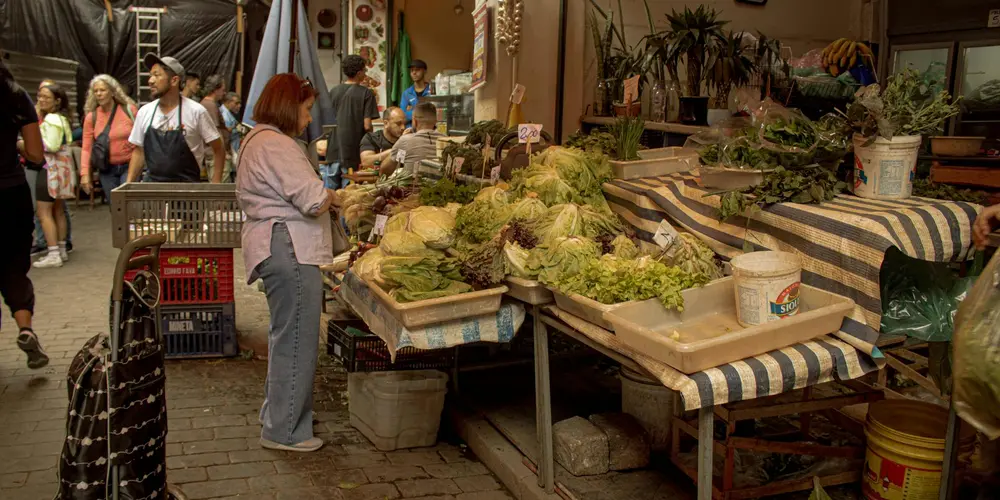
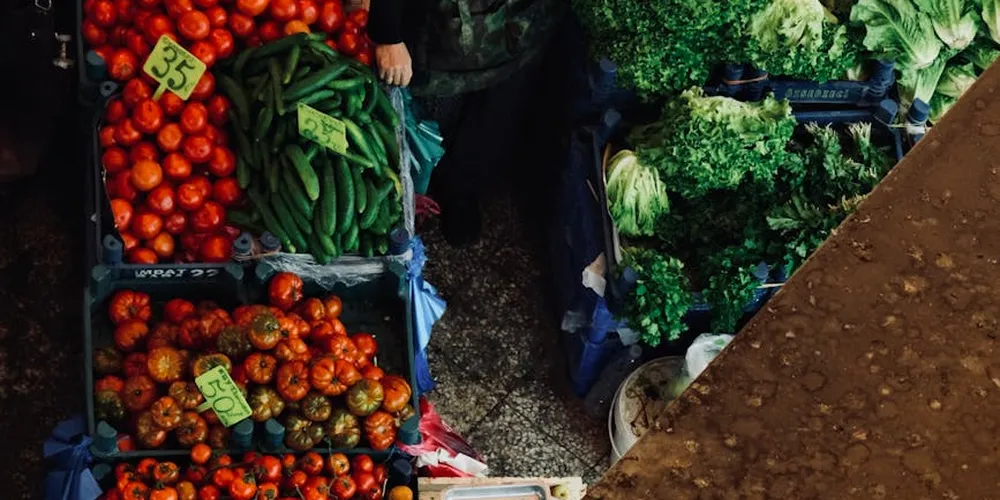
Preparation makes all the difference in whether your turtle will actually eat these healthy options. Always wash greens thoroughly under cool running water to remove any pesticide residues or dirt. I chop them into bite-sized pieces that are easy for my turtles to manage. Whenever possible, source fresh greens for your turtle from trusted markets or local farmers. Preparing them promptly—washing, trimming, and chopping into bite-sized pieces—helps ensure your turtle gets fresh, nutritious foods. For particularly picky eaters, I sometimes soak the greens in water from a can of tuna (in water, not oil!) for a minute to add a tempting scent.
Live Food Options: Feeder Fish, Insects, and More
Live food provides essential enrichment and mimics natural hunting behaviors. Watching my turtles stalk a cricket is a reminder of their wild instincts, and it’s great exercise for them. It’s a crucial part of their diet, especially for younger, growing turtles.
- Safe and nutritious live foods include bloodworms, brine shrimp, crickets, earthworms, and ghost shrimp.
- For larger turtles, you can occasionally offer feeder fish like guppies or minnows.
Sourcing and handling are critical for safety. I strongly advise against collecting insects from your yard, as they may carry pesticides or parasites. Always purchase live food from reputable pet stores that breed them specifically as feeders. When offering live prey, ensure it is an appropriate size for your turtle to consume easily and monitor the feeding to prevent any injury.
Foods to Avoid for a Healthy Turtle
Just as important as knowing what to feed is knowing what to withhold. Some seemingly harmless foods can cause serious nutritional imbalances or even be toxic to your shelled friend. I learned this the hard way early on with a bag of spinach.
- Avoid spinach and rhubarb as they are high in oxalates, which can bind to calcium and prevent its absorption.
- Never offer iceberg lettuce; it’s mostly water and offers little nutritional value.
- Steer clear of any processed human foods, dairy products, and toxic plants like avocado.
These foods don’t just affect your turtle internally. Foods that break apart easily, like bread, can quickly foul the tank water, leading to poor water quality and potential health issues. It’s always better to stick with known, safe options to keep your turtle thriving for years to come.
How to Prepare and Serve Food in Captivity

Preparing Vegetables and Greens for Feeding
Proper preparation increases the likelihood your turtle will accept its greens. Taking a few extra minutes to prep the food correctly can transform a reluctant eater into an enthusiastic one. My method is simple and effective.
- First, wash all vegetables and greens thoroughly under cold water.
- Next, chop them into small, manageable pieces-smaller than your turtle’s head is a good rule.
- Finally, you can offer them directly in the water or use a clip to secure them to the side of the tank.
If your turtle ignores its veggies, don’t give up. Try offering greens first thing in the morning when your turtle is hungriest, before any other food type. If your turtle isn’t eating, don’t panic—consistency and patience can help reawaken its appetite. I encourage a calm, regular feeding routine and familiar foods to support eating. You can learn more about the reasons your turtle may not be eating and how to encourage it to eat here. I’ve also had success by mixing a few small pieces of a favorite protein, like a worm, in with the chopped greens to encourage investigation and tasting.
Serving Live and Frozen Foods Safely
Handling live and frozen food requires care to keep your turtle safe. Always use feeding tongs for live insects like mealworms or crickets to avoid accidental bites and to keep your hands clean. For feeder fish, I acclimate them to the tank water in their bag for about 15 minutes before release to reduce stress on the fish and the tank’s ecosystem.
- Use long feeding tongs to offer wiggling prey.
- For feeder fish, quarantine them for a few days in a separate tank if possible to ensure they are healthy.
Frozen foods are a convenient and safe alternative. The key to thawing frozen foods like bloodworms or shrimp is to never use a microwave, as it can destroy nutrients and create hot spots. I place the needed portion in a small container of warm tank water for about 10-15 minutes until fully thawed, then I drain the water and serve using tongs.
Using Pellets as a Staple in the Diet
High-quality commercial pellets are designed to be a nutritionally complete staple. Look for pellets where a high-quality protein, like fish meal or shrimp meal, is the first ingredient, not a grain or filler. Over the years, I’ve found that brands formulated specifically for turtles, rather than general “reptile” pellets, tend to be superior.
- Select pellets that are sized appropriately for your turtle’s mouth.
- Choose brands that are fortified with calcium and vitamins.
- Avoid pellets with artificial colors or excessive fillers.
Pellets should be part of a varied diet, not the entire diet. I use pellets as a reliable base, typically offering them every other day, and then I round out their diet with vegetables and occasional live or frozen treats. This combination ensures they get a spectrum of nutrients and keeps mealtime interesting for them.
Creating a Balanced Feeding Schedule
How Often to Feed Based on Age and Species
Getting the feeding frequency right is one of the most common challenges for new turtle keepers. I learned this firsthand when my Russian tortoise, Austen, needed a very different schedule than my aquatic turtles.
- Juvenile turtles are growing machines and need daily feeding. Offer a mix of protein-rich pellets and finely chopped vegetables every day to support their rapid development.
- Adult turtles slow down considerably. For most species, feeding them every other day, or even just 3-4 times a week, is perfectly sufficient. Their diet should be mostly plant-based.
You must watch your turtle’s individual behavior. A highly active turtle in a large, enriched habitat may need slightly more food than a more sedentary pet. Adjust portions based on how quickly they eat and their overall energy levels. A turtle that seems lethargic might be telling you it’s time to cut back.
Recognizing Signs of Overfeeding or Poor Nutrition
Our instinct is often to shower our pets with food, but with turtles, this love can be harmful. Overfeeding is a far more common problem than underfeeding in captive turtles.
- Visible weight gain where their skin bulges out from their shell, making retraction difficult.
- Fatty deposits around their limbs, often seen as pudgy “armpits” or “thighs.”
- Shell issues like pyramiding, where the scutes form pyramid-like bumps, or soft spots indicating metabolic bone disease from calcium deficiency.
- Chronic buoyancy problems, where the turtle struggles to stay submerged, can be linked to digestive gas from a poor diet.
If you spot these signs, don’t panic. Correcting course involves a temporary fast for a day or two, followed by a strict return to an age-appropriate, balanced diet. Increase the variety of dark, leafy greens and ensure you’re using a proper calcium supplement. It’s amazing how quickly they can bounce back with the right care.
The Role of Live Food in Enriching the Diet
Benefits of Live Prey for Behavior and Health
Watching a turtle hunt live prey is a glimpse into their wild nature. This isn’t just about nutrition; it’s vital mental and physical stimulation that prevents boredom.
- Live food encourages natural foraging and hunting behaviors, keeping your turtle active and engaged.
- It provides a fantastic source of high-quality, easily digestible protein, which is especially important for juveniles and breeding females.
Introducing live food requires a gentle hand. Start with smaller, easy-to-catch prey like ghost shrimp or blackworms before moving to larger feeder fish. Always supervise the first few feedings to ensure your turtle is interested and can handle the prey humanely. My turtle Bronte was always a thoughtful hunter, never wasting a single movement.
Ethical and Practical Considerations
Feeding live animals to other animals comes with a responsibility for the welfare of all creatures involved. I firmly believe in sourcing feeder fish from reputable suppliers to ensure they are healthy and disease-free.
- Always quarantine new feeder fish for at least a week in a separate tank to observe for illness before offering them to your turtle.
- Choose prey that is an appropriate size for your turtle to dispatch quickly and humanely.
If the idea of live feeding doesn’t sit well with you, there are excellent alternatives. High-quality frozen or freeze-dried options like bloodworms, krill, and shrimp offer similar nutritional benefits without the ethical concerns. For painted turtles, this approach is part of a broader guide to aquatic turtle nutrition and the question of ‘do painted turtles eat,’ emphasizing variety. You can rehydrate freeze-dried foods to make them easier for your turtle to digest. It’s all about finding a balance that works for you and your shelled friend. A well-rounded aquatic turtle nutrition plan also includes occasional greens and appropriately sized protein sources to round out the diet.
Tools and Best Practices for Easy Feeding
Essential Feeding Accessories and Equipment
Feeding your aquatic turtle can be a clean, simple process with the right tools. I always use a pair of long, stainless steel feeding tongs for offering live or frozen foods. This keeps my fingers safe from accidental nips and prevents the food from contaminating the water with skin oils. My turtles, Austen and Bronte, quickly learned to associate the tongs with mealtime. This is the kind of practical tip you’ll find in the ultimate beginners guide to feeding your pet turtle. If you’re just starting out, the guide will walk you through safe feeding routines, portion sizes, and food options.
A dedicated feeding dish is another game-changer, especially for pellet-based diets. I use a heavy, flat ceramic dish that sits securely on the bottom of the tank. Placing food in a dish drastically reduces how much gets trampled and lost in the substrate, keeping the water cleaner for longer. For particularly messy eaters, some keepers use a separate, small feeding tank.
Water quality is paramount, and how you feed directly impacts it. I feed my turtles in their main tank but follow a simple rule. Remove any uneaten food, whether it’s a leftover leaf of kale or a pellet, within 15-20 minutes. Letting food decompose in the water is a fast track to poor water conditions and potential health issues.
Storage Tips for Live, Frozen, and Pelleted Foods
Proper storage is non-negotiable for keeping your turtle’s food safe and nutritious. For high-quality commercial pellets, I transfer them from the bag into an airtight container. Storing pellets in a sealed container in a cool, dark cupboard preserves their vitamins and prevents pests from getting in. I write the purchase date on the container with a marker to ensure I use them while they’re still fresh.
Frozen foods like bloodworms and shrimp need a constant, deep freeze. I keep them in my freezer’s main compartment, never the door where temperatures fluctuate. A dedicated plastic bin in the freezer helps me organize all the different frozen cubes and prevents freezer burn. I only thaw the amount I need for a single feeding in a small cup of tank water.
For live foods like crickets or worms, I focus on creating a temporary healthy habitat. I keep feeder fish in a separate, filtered tank. Gut-loading your live food by feeding them nutritious vegetables for a day or two before offering them to your turtle passes on those vital nutrients. This is a budget-friendly way to boost the nutritional value of a simple feeder insect.
You don’t need expensive solutions for good storage. Repurposed glass jars are perfect for pellets. Buying frozen food in larger bulk packs is often more economical per serving. Planning your purchases and storing food correctly reduces waste and saves you money over the long term, making premium turtle care more affordable.
FAQs
How often should you feed aquatic turtles?
Juvenile turtles require daily feeding to support rapid growth, while adults do well with meals every other day or 3-4 times weekly. Adjust the schedule based on your turtle’s species, activity level, and overall health to maintain an ideal weight. For more detailed guidance, check out our feeding schedule for turtles: how often and how much to feed.
What are safe foods for aquatic turtles?
Safe foods include dark leafy greens like kale and romaine lettuce, high-quality commercial pellets, and live prey such as crickets or feeder fish. Offering a varied diet ensures your turtle receives essential nutrients for long-term vitality. A complete safe list of vegetables your turtle can eat includes items like collard greens, dandelion greens, zucchini, squash, bell peppers, and carrots. Chop any hard vegetables into bite-sized pieces to prevent choking and feed in moderation, alongside the greens, pellets, and occasional live prey.
What foods should be avoided for aquatic turtles?
Avoid spinach and rhubarb due to high oxalate levels that hinder calcium absorption, and steer clear of iceberg lettuce or processed human foods. These items can lead to nutritional deficiencies and compromise your turtle’s health.
How to recognize signs of overfeeding in aquatic turtles?
Watch for visible weight gain where skin bulges from the shell and fatty deposits around the limbs. Other indicators include shell deformities like pyramiding or buoyancy issues from digestive discomfort.
Can you supplement aquatic turtle diet with live prey?
Yes, live prey adds mental stimulation and protein, particularly beneficial for young or active turtles. Always source from reputable suppliers to minimize disease risks and handle prey humanely during feeding.
Steering Your Turtle Toward Lifelong Health
From watching Orwell, my box turtle, thrive on a mix of foods, I’ve learned that variety is non-negotiable for their well-being. To create a balanced diet for your omnivorous turtle, mix plant matter with protein and occasional live prey. A balanced diet combining live prey, quality pellets, and fresh vegetables ensures your aquatic turtle gets all necessary nutrients. Rotate these options to mimic their natural eating habits and prevent dietary boredom.
Caring for a turtle is a rewarding journey that demands your ongoing attention and love. Stay curious and keep learning about their needs to provide the best life possible for your shelled friend. Your commitment makes all the difference in their happiness and health.
Further Reading & Sources
- Feeding Aquatic Turtles | VCA Animal Hospitals
- Mazuri® Aquatic Turtle Diet | Turtle Food for Freshwater Turtles
- What Do Turtles Eat? | PetMD
- Feeding Aquatic Turtles
Matthew is a dedicated turtle enthusiast and conservationist with over 15 years of experience in reptile care. Known affectionately as "The Leatherback" among his peers, he combines his passion for turtles with a commitment to educating pet owners on responsible turtle care and environmental stewardship.
Common Turtle Foods