
How Big Do Pet Turtles Get? Your Complete Size Guide
Published on: April 19, 2026 | Last Updated: April 19, 2026
Written By: Matthew The
If you’re bringing home a pet turtle, you might be worrying about how much space it will need as it grows-I felt the same when I first welcomed my Russian Tortoise, Austen, into my life.
In this article, we’ll cover species sizes, growth factors, and care tips: common types, average dimensions, habitat planning.
The Range of Pet Turtle Sizes
One of the most common surprises for new turtle owners is the sheer variety in adult sizes. Choosing a turtle without knowing its potential size can lead to cramped habitats and health issues down the road. My own journey with Austen the Russian tortoise taught me that even “small” species need ample room to roam and thrive.
Small Pet Turtle Species
These petite pals are perfect for keepers with limited space, but they still demand a proper setup. Their small stature makes them less disruptive in a home, but their care is no less important.
- Musk Turtles: Hatchlings are barely the size of a thumbnail, but adults typically reach a stout 3 to 5 inches. Their rugged, dark shells feel almost like ancient stone.
- Russian Tortoises: Like my Austen, they start small enough to fit in a teacup but grow into robust 6 to 8-inch adults. They need a spacious enclosure for digging and exploring, not just a small tank.
- Greek Tortoises: My graceful Bronte is a Greek tortoise, growing to a similar 6 to 8 inches. Their golden-brown shells are like sun-warmed earth, and they require a warm, dry habitat with room to graze.
Medium to Large Pet Turtle Species
These turtles are a major commitment. Many people unknowingly bring home a tiny red-eared slider, only to need a 100-gallon tank within a few years. Their impressive size directly shapes every aspect of their care. For beginners, a red-eared slider turtle beginners guide can help you plan the right setup from day one. It covers essentials like tank size, filtration, lighting, and feeding to keep them healthy.
- Red-Eared Sliders: They can grow from a coin-sized hatchling to a formidable 10 to 12 inches. Their substantial weight and powerful legs require a very large aquatic setup with a powerful filter.
- Box Turtles: Orwell, my reserved box turtle, is a perfect example of a medium-sized species, typically reaching 4 to 7 inches. Their high-domed shells feel wonderfully intricate under your fingers.
- Painted Turtles: These vibrant swimmers often grow to 5 to 7 inches, with smooth shells adorned with red and yellow markings that gleam under the water.
- Map Turtles: Known for the intricate, map-like patterns on their shells, many species grow to a manageable 4 to 6 inches, though some can reach up to 10 inches.
Factors Affecting Turtle Growth
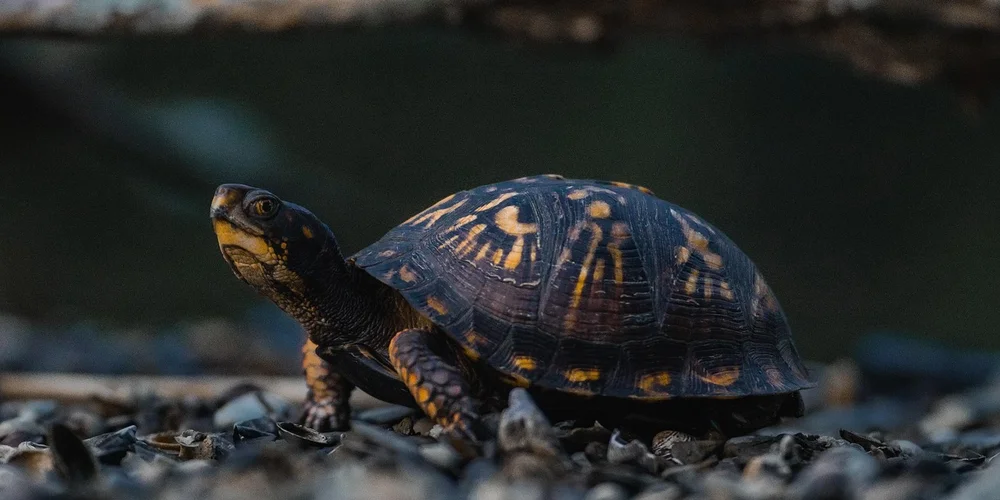
A turtle’s final size isn’t just written in its genes. I’ve seen firsthand how environment and care can either help a turtle reach its full, healthy potential or sadly stunt its growth. Ensuring proper conditions is a fundamental part of animal welfare. Even when you know the average size, like the size range for box turtles, each individual can grow differently based on their surroundings.
- Genetics: The species is the starting point. A musk turtle will never grow as large as a slider, no matter what you do.
- Diet: This is perhaps the most influential factor under your control. Both malnutrition and overfeeding have severe consequences.
- Temperature: Turtles are ectotherms. If their habitat is too cold, their metabolism slows, and so does their growth.
- Sex Differences: In many species, like red-eared sliders, females grow significantly larger than males. This is a crucial consideration for long-term planning.
Diet and Nutrition Impact
Getting the diet right is a delicate balancing act. I learned through trial and error that a monotonous diet leads to nutritional deficiencies and poor shell development. A varied, species-appropriate diet is non-negotiable for healthy growth.
- Offer a mix of high-quality commercial pellets, leafy greens, and appropriate proteins.
- Dust food with a calcium supplement a few times a week to support strong bone and shell growth.
- Provide only what your turtle can eat in 15 minutes to prevent obesity, which is a common and serious health problem.
- Avoid iceberg lettuce and high-fat meats, as they offer little nutritional value.
Environmental and Genetic Influences
Your turtle’s home and lineage set the stage for its life. A cramped tank doesn’t just limit swimming space; it can physically and psychologically stunt a turtle’s development. I always advocate for providing the largest habitat possible from the start. Choosing the perfect tank size and shape for your aquatic turtle is the next essential step to ensure proper swimming space and overall health.
- Habitat Size: A small enclosure can restrict movement and lead to stress, which negatively impacts growth. Think of it as a child trying to grow up in a tiny closet.
- UVB Lighting: Without proper UVB light, turtles cannot metabolize calcium, leading to Metabolic Bone Disease and a soft, deformed shell.
- Water Quality: For aquatic species, clean, well-filtered water is essential. Poor water quality causes stress and illness, hindering growth.
- Breed Lineage: Even within a species, some genetic lines are simply predisposed to be slightly larger or smaller, much like families of people.
Growth Timeline and Milestones
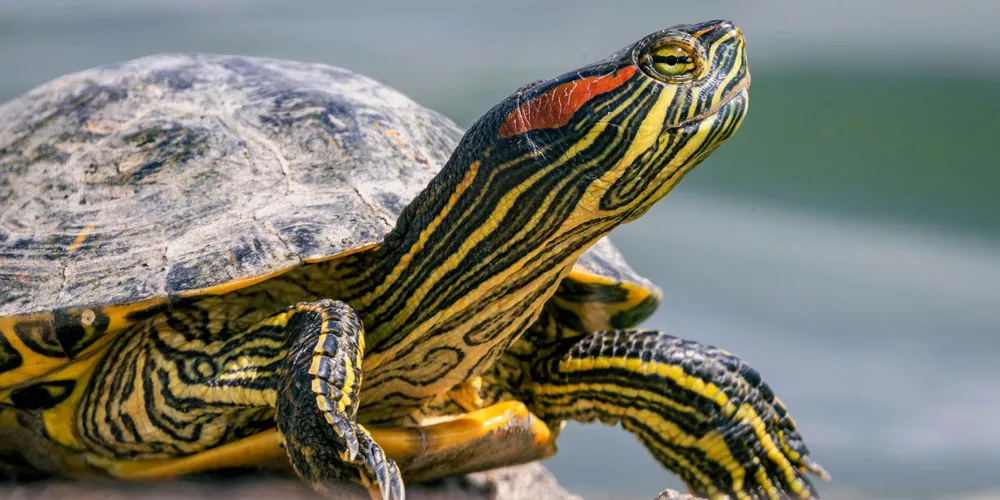
Watching a turtle grow is a lesson in patience. Their growth isn’t a race, but a slow, steady journey that reflects their natural pace of life. I’ve charted this path with my own shelled family, and I’ll guide you through what to expect.
Hatchling to Juvenile Stages
This initial phase is one of the most rapid growth periods in a turtle’s life.
- Hatchling (0-1 year): Your turtle will be tiny, often no bigger than a quarter. My Russian Tortoise, Austen, was about the size of a ping-pong ball when I first got him. They are incredibly fragile at this stage.
- Early Juvenile (1-3 years): You’ll notice significant growth spurts. Expect your turtle to potentially double in size each year. This is when my Greek Tortoise, Bronte, started to develop the beautiful, distinct patterns on her shell.
- Late Juvenile (3-5 years): Growth begins to slow but remains steady. Their personalities become more defined, much like Orwell, my Box Turtle, who became more inquisitive and started showing his unique food preferences.
During these early years, consistent nutrition and proper UVB lighting are non-negotiable for healthy shell and bone development.
When Turtles Reach Full Size
Recognizing maturity is key to adjusting long-term care. You’ll know growth is slowing when you see less frequent and less dramatic increases in shell length over a six-month period.
- Most common pet turtle species reach their full size between 5 and 10 years of age.
- Species like Russian Tortoises (like Austen) often mature around 7-10 years.
- Smaller species, like some Box Turtles, may reach full size a bit sooner, around 5-7 years.
Diet, enclosure size, and overall health are the biggest factors that can slightly extend or shorten this timeline. A turtle in a cramped habitat with a poor diet may never reach its full genetic potential, which is a serious welfare concern. These same factors also impact how a turtle ages and its ultimate lifespan. By providing proper diet and ample space, owners can support healthier aging and potentially extend healthy years.
Enclosure Needs Based on Turtle Size
Your turtle’s home must grow with them. Providing a spacious, enriching environment is the single most impactful thing you can do for their physical and mental health. So, what size tank does a turtle need? The tank should be large enough for the turtle to swim, dive, and bask comfortably; bigger is generally better as they grow. A small tank doesn’t just stunt growth; it stifles their natural behaviors.
| Species Type | Hatchling/Juvenile | Adult Minimum | Recommended Adult |
|---|---|---|---|
| Small (e.g., Musk Turtles) | 10-20 Gallon | 30 Gallon | 40+ Gallon |
| Medium (e.g., Russian/Greek Tortoises) | 20-40 Gallon Tank / Small Tortoise Table | 4ft x 2ft Enclosure | 6ft x 3ft Enclosure or Larger |
| Large (e.g., Red-Eared Slider, Sulcata) | 40-75 Gallon | 75-125 Gallon | 150+ Gallon or Outdoor Pond |
Tank Size Recommendations
Think of the minimum sizes as a starting point, not a goal. I always advocate for the largest enclosure you can possibly provide.
- For small aquatic turtles: A 40-gallon breeder tank offers more floor space than a standard 40-gallon, which is perfect for swimming and exploring.
- For medium tortoises like Austen and Bronte: I upgraded them from tables to a custom-built 8ft x 4ft outdoor enclosure for the summer. The difference in their activity levels was immediate and joyful.
- For large species: An indoor 150-gallon stock tank can be a more affordable and spacious alternative to a glass aquarium. For truly giant species, permanent outdoor housing is often the only ethical option.
Always plan your final adult enclosure from day one, even if you use a smaller temporary home for a hatchling. This saves you money and stress down the line.
Basking and Space Considerations
The basking area is your turtle’s personal sunroom, and its design is critical.
- The basking platform must be large enough for the turtle to rest completely out of the water (for aquatics) or under the heat lamp (for tortoises) with room to spare.
- For my aquatic setup, I use a large, sloping piece of slate that Orwell can easily climb. It’s sturdy and retains heat perfectly.
- For Austen and Bronte’s tortoise table, I created a multi-level basking spot with flat rocks. This gives them options for different temperature gradients and encourages natural climbing behavior.
A cluttered, enriching environment with hiding spots, visual barriers, and different textures is just as important as the total square footage. It reduces stress and mimics the complexity of their wild habitats.
Personal Care Tips for Healthy Growth
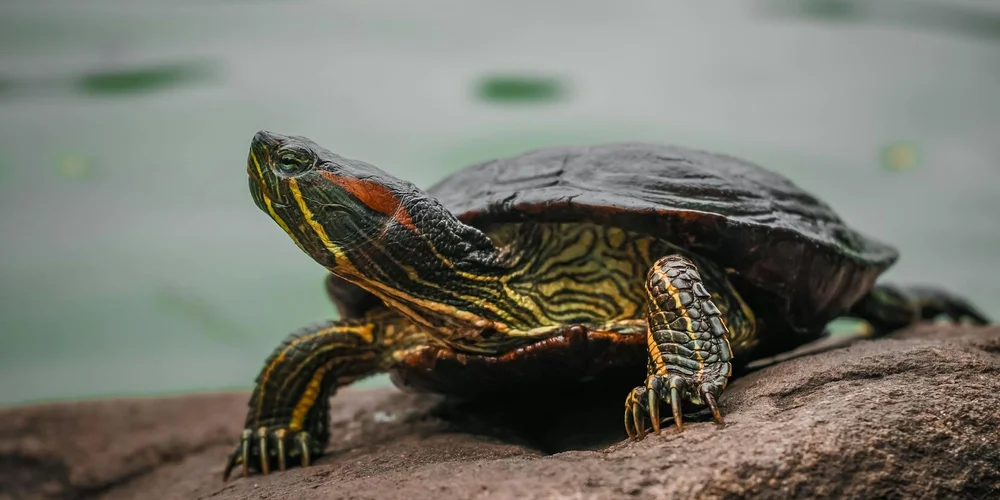
Watching my turtles Austen, Bronte, and Orwell grow has taught me that patience and attention make all the difference. Consistent care routines help your turtle thrive without stress or health setbacks. I recall when Bronte, my Greek tortoise, had a slight shell issue from an unbalanced diet; it was a wake-up call to refine my approach. Here are some actionable tips I swear by:
- Measure your turtle’s carapace monthly with a soft tape to track changes and adjust care early.
- Offer a varied diet rich in leafy greens and calcium sources to support steady growth-Austen loves dandelion greens for this.
- Ensure the habitat size increases as your turtle grows to prevent cramped conditions that stunt development.
- Avoid overfeeding; I learned with Orwell that excess food can lead to obesity and shell deformities.
- Create a calm environment with proper lighting and hiding spots to reduce stress, which impacts growth positively.
Monitoring Your Turtle’s Development
Tracking growth isn’t just about numbers – it’s about understanding your turtle’s health story. For painted turtles, you can compare measurements to a full-size growth chart to see when they’ve reached adult size. Simple measurements can reveal if your care is on the right path or needs tweaking. I use a flexible ruler to measure from the front to the back of the shell, noting it in a journal. When Austen, my Russian tortoise, showed slower growth, I realized his enclosure was too cool; adjusting the heat lamp made a world of difference. Follow these easy steps to stay informed:
- Gently place your turtle on a flat surface and measure the carapace length in a straight line.
- Record the date and size in a notebook or app to spot trends over time.
- Compare growth to species averages-for instance, Greek tortoises like Bronte grow about an inch per year in their prime.
- Look for smooth, even shell expansion; irregularities might signal diet or habitat issues.
Welfare-Focused Practices
Ethical care ensures your turtle reaches its full size naturally and happily. Providing ample space and proper nutrition is non-negotiable for preventing size-related problems. Ethical considerations are central to the decision to keep a turtle as a pet. If these needs can’t be met, it’s better to opt not to own one. From my advocacy work, I’ve seen turtles suffer in tiny tanks, leading to stunted growth and behavioral issues. Orwell, my box turtle, once seemed lethargic until I upgraded his habitat with more room to roam; his energy and shell health improved dramatically. Focus on these welfare-centered habits:
- Choose an enclosure that allows for free movement-aim for at least four times the turtle’s shell length in width.
- Incorporate UVB lighting and a heat gradient to mimic natural conditions, aiding metabolism and growth.
- Feed a species-appropriate diet; for example, herbivores like Austen need high-fiber plants, while omnivores like Orwell benefit from occasional protein.
- Monitor water quality for aquatic species to avoid infections that hinder development.
- Schedule regular vet check-ups to catch any growth abnormalities early, much like I do with annual visits for my trio.
What People Ask
What is the average size of a common pet turtle?
Pet turtle sizes vary dramatically by species, from small 3-5 inch Musk Turtles to large 10-12 inch Red-Eared Sliders. If you’re wondering how big red-eared slider turtles get, they commonly reach about 10-12 inches in length. Females are typically larger. Always research the specific species’ potential adult size before purchasing to ensure you can provide an adequate habitat.
Is there a chart to track my turtle’s growth by age?
While general growth timelines exist, a precise chart by age is difficult as growth is heavily influenced by diet, habitat, and genetics. The most reliable method is to measure your turtle’s shell monthly and compare it to the known adult size range for its species. Understanding turtle growth, size, and lifespan also ties into lifespan and final size. In many species, growth slows with age, so tracking shell size helps predict when your turtle will reach its adult size and what to expect for its long-term care.
Are there restrictions on turtle sizes in Ireland?
In Ireland, the sale of certain non-native turtle species is regulated to protect local ecosystems. Always check with local authorities or a reputable pet shop to ensure the species you are interested in is legal and suitable for the Irish climate.
Your Turtle’s Full-Size Future: A Gentle Reminder
Always research your turtle’s specific species to understand its adult size, just as I did before welcoming my Russian tortoise Austen home. Providing a habitat that grows with your pet prevents stress and supports their natural development over many years. Space needs are part of that planning—are space and habitat requirements for pet turtles realistic as they mature? Planning for room from the start helps ensure a healthy, long-lived setup.
Committing to a turtle means embracing a long-term responsibility for their well-being, which includes adapting your care as they age. Stay curious and keep learning about pet turtle care, as even after a decade with my shelled friends, I still find new ways to improve their lives.
Further Reading & Sources
- What is the Largest Sea Turtle? A Sea Turtle Size Comparison Chart | Smithsonian Ocean
- Relative Shell Lengths of Turtles | Vermont Reptile and Amphibian Atlas
- How Big Do Box Turtles Get? Vet-Verified Average Weight & Growth Chart | PangoVet
- How Big Do Box Turtles Get? Size & Growth Chart | Hepper Pet Resources
Matthew is a dedicated turtle enthusiast and conservationist with over 15 years of experience in reptile care. Known affectionately as "The Leatherback" among his peers, he combines his passion for turtles with a commitment to educating pet owners on responsible turtle care and environmental stewardship.
Tank Size and Type