
Can Turtles Leave or Change Their Shells?
Published on: June 6, 2026 | Last Updated: June 6, 2026
Written By: Matthew The
If you’ve ever imagined a turtle casually stepping out of its shell like a hermit crab, you’re not alone-this common worry often pops up, but the reality is both fascinating and reassuring for turtle lovers like us. From my years caring for turtles like Austen, my gentle Russian tortoise, I’ve seen firsthand that their shells are a permanent, living part of their bodies, not something they can shed or swap.
In this article, we’ll cover: shell anatomy and attachment, growth and changes over time, debunking myths, and practical care tips for healthy shells. You’ll get clear answers based on science and my personal experiences with shelled companions like Bronte and Orwell.
The Shell Is Part of the Turtle’s Skeleton
Think of a turtle’s shell like your own ribcage and spine-it’s fused right into their body. From caring for my Russian Tortoise Austen, I’ve seen how his brown and tan shell isn’t just a cover; it’s his built-in armor connected to his bones. This fusion means the shell grows with them, much like how our skeletons support us throughout life.
Here’s what makes the shell so integral:
- It’s made of bone covered by keratin scutes, which are similar to your fingernails.
- The spine and ribs are attached, so removing it would be like trying to detach your own backbone.
- Shells provide protection and help with temperature regulation, which I’ve noticed keeps Bronte, my Greek Tortoise, comfortable in varying climates.
Over the years, I’ve observed that a healthy shell indicates overall well-being. If Austen’s shell feels rough or discolored, it often signals he needs a diet adjustment or more UV light. This connection reminds me why proper care is non-negotiable for their survival.
No, Turtles Cannot Leave or Change Their Shells
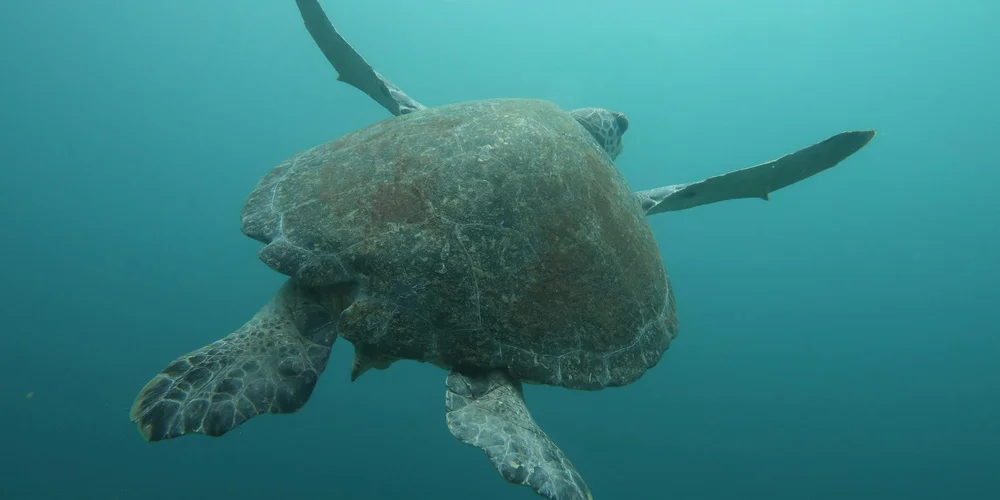
Despite what cartoons might show, turtles are stuck with their shells for life. I’ve watched Orwell, my Box Turtle, retreat into his dark brown shell countless times, but he never steps out of it—it’s his permanent home. Trying to force a turtle to leave its shell would cause severe injury or death, as it’s physically impossible. In reality, a turtle cannot survive without its shell—the shell is part of its skeleton and protects vital organs. The idea of living without a shell is a myth.
Common myths I’ve debunked through experience include:
- The idea that shells can be swapped or shed like snake skin-they can’t, because they’re part of the skeletal system.
- Beliefs that damage will heal by itself; minor scratches might, but major issues need vet care to prevent infections.
- Notions that turtles outgrow shells; instead, they expand gradually through proper nutrition and habitat.
From Bronte’s graceful movements to Austen’s steady pace, their shells are central to their identity. Advocating for animal welfare means never attempting to alter or remove a turtle’s shell, as it’s a cruel and futile act. Instead, focus on providing a safe environment where they can thrive naturally.
How Turtles Shed Their Scutes for Growth
Turtles shed their scutes-the keratin plates on their shells-to allow for growth and renewal. This natural process helps them stay healthy and adapt to their changing size over time. I’ve watched my Russian Tortoise, Austen, go through this many times when he sheds his shell and skin, and it’s always a gentle, steady progression that reminds me of ocean waves slowly reshaping the shore.
What Healthy Scute Shedding Looks Like
Healthy scute shedding involves old plates lifting and falling off without any discomfort. You’ll see thin, translucent pieces detaching evenly, revealing a smooth, vibrant shell underneath. With Bronte, my Greek Tortoise, I’ve noticed it happens in patches, much like leaves dropping from a tree in autumn. Here’s what to expect in a normal shed:
- Scutes peel off in small sections, not all at once
- No redness, swelling, or foul smells
- Your turtle remains active and eats normally
- New shell areas appear clean and slightly lighter in color
I recall Austen’s last shed-it was so seamless, I barely noticed until I spotted a few scutes in his enclosure. Gentle handling and a balanced diet make this process smooth and stress-free for them.
Shell Growth From Hatchling to Adult
From tiny hatchlings to full-grown adults, turtles’ shells expand through scute shedding and bone growth beneath. Their shells start soft and pliable, hardening over months as they mature. Orwell, my Box Turtle, was no bigger than a walnut when I first brought him home; now, his dark brown shell with yellow patterns has grown sturdy and defined. Growth typically follows these stages over their lifespan and size progression:
- Hatchling phase: Shell is flexible and sheds frequently to accommodate rapid growth
- Juvenile stage: Shedding slows, and scutes become thicker and more defined
- Adult maturity: Sheds occur less often, mainly for maintenance and minor size adjustments
Proper nutrition and habitat space are crucial here-I’ve learned that overcrowding or poor diet can stunt shell development. Watching them grow is like tending a garden; patience and care yield beautiful, lasting results.
When Shell Shedding Signals a Problem
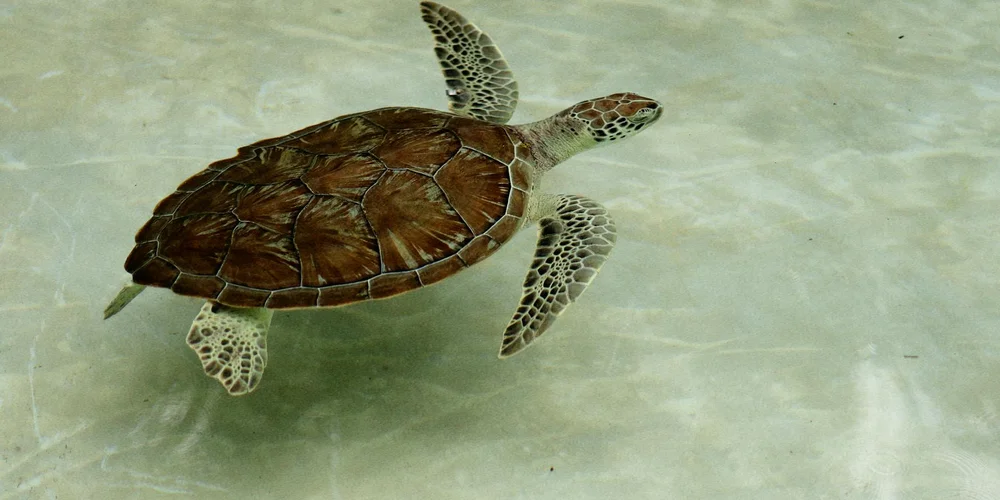
Sometimes, shedding points to underlying health issues that need attention. Abnormal shedding can indicate infections, nutritional deficits, or environmental stress. I once noticed Bronte’s scutes weren’t lifting evenly, and it turned out her humidity levels were off-a quick fix that spared her discomfort. Look out for these red flags:
- Scutes clinging tightly or peeling in large, jagged chunks
- Discoloration, such as white spots or dark patches under the shell
- Soft areas, pits, or a foul odor-signs of shell rot or infection
- Lethargy or loss of appetite during shedding periods
If you see any of these, consult a reptile vet promptly. Advocating for their welfare means acting fast to prevent long-term harm. In my experience, early intervention keeps shells strong and turtles thriving for years.
Caring for Your Turtle’s Shell Health
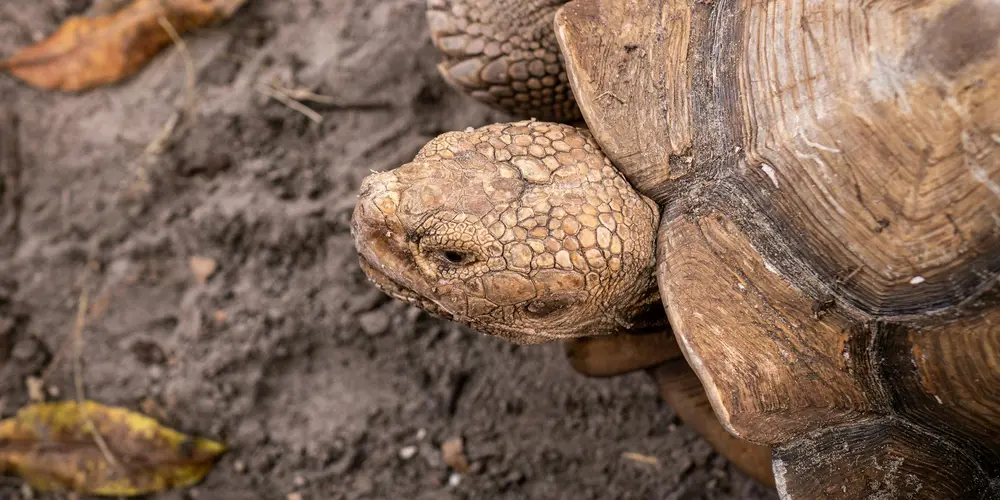
Your turtle’s shell is part of its living body, not a removable accessory. I’ve spent years tending to Austen, Bronte, and Orwell, and their shells tell stories of health and care. Does diet and nutrition impact a turtle’s shell health? It does—calcium, vitamin D, and balanced nutrients help keep shells strong. A well-maintained shell reflects a happy, thriving turtle.
Start with a balanced diet rich in calcium and vitamins. I feed Austen leafy greens and occasional cuttlebone to keep his shell strong. Provide proper UVB lighting to help them metabolize calcium effectively. Without it, shells can soften and weaken over time.
- Offer calcium supplements or natural sources like crushed eggshells.
- Ensure their habitat has a basking spot to dry off and prevent shell rot.
- Keep the enclosure clean to avoid bacterial infections.
Regularly inspect the shell for cracks, discoloration, or soft spots. When Orwell had a minor scrape, I monitored it closely. Early detection prevents small issues from becoming big problems.
Supporting Natural Shell Repair
If your turtle’s shell gets damaged, don’t panic. Their bodies can heal minor injuries with the right support. I remember when Bronte had a small chip from a fall; her gentle nature made her hesitant, but she recovered fully. Patience and proper care are your best tools for shell repair. Can a turtle’s shell heal from cracks and injuries?
Keep the habitat pristine to prevent infection. I used a soft cloth to gently clean the area with warm water, avoiding harsh chemicals. Ensure your turtle stays hydrated and eats nutrient-rich foods to fuel the healing process. It’s also important to clean and disinfect your turtle’s enclosure regularly to maintain a healthy environment.
- Isolate the turtle if needed to reduce stress and prevent further injury.
- Consult a reptile vet for severe damage-they can provide treatments like shell patches.
- Monitor progress weekly, looking for signs of new growth or color changes.
Avoid handling the turtle excessively during recovery. Let nature do its work while you provide a safe environment. In our safe turtle handling for children complete guide, you’ll find tips for gentle, supervised interactions. Over the years, I’ve seen how resilient these creatures are with a little help.
The Evolutionary Miracle of the Turtle Shell
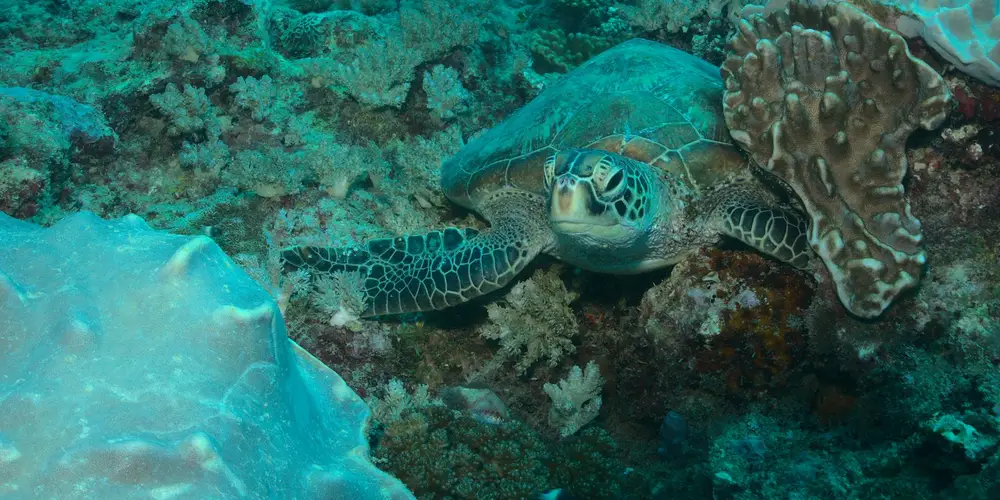
The turtle shell is a marvel of evolution, fused to the spine and ribs for ultimate protection. It didn’t just appear—it developed over millions of years from modified bones. This design is why turtles can’t abandon their shells; it’s part of their skeleton. In the anatomy of the turtle shell, the shell comprises the carapace and plastron, with bones fused to the endoskeleton. This anatomy underpins how the shell grows and protects the body.
Think of it like a built-in fortress. Austen’s sturdy shell allows him to retreat from threats, a trait that has ensured survival through ages. The shell’s layers include keratin scutes on the outside, similar to our fingernails, and bone underneath.
- It provides defense against predators and environmental hazards.
- The shape aids in buoyancy and movement for aquatic species.
- It helps regulate body temperature by absorbing and retaining heat.
Evolution crafted this structure for efficiency, not convenience. That’s why changing or leaving the shell isn’t an option-it’s integral to their identity. Observing Bronte’s graceful movements, I’m reminded how this adaptation supports their slow, steady lives.
FAQs
What is the difference between a turtle’s shell and its skin?
The shell is a bony, permanent part of the skeleton covered in keratin scutes, while the skin is a flexible, external layer that can shed. The shell provides structural support and protection, whereas the skin helps with sensory functions and moisture regulation.
How long does it take for a turtle to grow new scutes?
The process typically takes several weeks to months, depending on the turtle’s species, age, and health. Younger turtles may grow new scutes more quickly due to rapid growth, while adults experience slower, maintenance-oriented shedding.
How do environmental conditions affect shell growth?
Proper humidity, temperature, and UVB lighting are essential for healthy shell development and scute shedding. Inadequate conditions can lead to issues like soft shells, retained scutes, or slowed growth.
Are there turtles that shed scutes more than others?
Yes, aquatic species like red-eared sliders often shed scutes more frequently than terrestrial turtles such as tortoises. Younger, growing turtles also tend to shed more often as they expand in size. Scutes are the protective keratinous plates that make up a turtle’s shell, serving as armor. They shed to allow the shell to grow and to replace worn areas.
Can injuries heal on a turtle shell while it molts?
Minor injuries may heal during molting as new scutes form and cover damaged areas. However, significant damage often requires veterinary care to ensure proper healing and prevent infections.
Your Turtle’s Shell: A Lifelong Commitment
Based on my years with Austen, my Russian tortoise, I can confirm that a turtle’s shell is an inseparable part of its body, growing with them throughout their life. The shell grows with the animal and does not shed. If damaged, it can heal but won’t fully regenerate a missing piece. Focus on providing a safe habitat and proper nutrition to support shell integrity, rather than any notion of removal or change.
Commit to being a vigilant caretaker by always seeking out reliable information on pet turtle care. Your dedication to learning, much like my ongoing journey with Bronte and Orwell, directly contributes to your turtle’s well-being and happiness.
Further Reading & Sources
- r/mildlyinteresting on Reddit: My turtle shed its entire shell at once.
- What to Do If Your Turtle Is Shedding
- What Is a Turtle Shell Made of, and Why Does It Shed? | Chewy
- Ask Dr. Jenn: What Is My Turtles Shell Made Of and Why Is It Shedding?
Matthew is a dedicated turtle enthusiast and conservationist with over 15 years of experience in reptile care. Known affectionately as "The Leatherback" among his peers, he combines his passion for turtles with a commitment to educating pet owners on responsible turtle care and environmental stewardship.
Turtle Myths and Misconceptions