
What Snapping Turtles Eat in the Wild: A Naturalist’s Guide
You might be wondering what snapping turtles actually eat in their habitats, perhaps feeling a mix of curiosity and concern about their powerful jaws and rumored diets.
We’ll explore their omnivorous menu, hunting techniques, seasonal eating patterns, and ways to support their welfare in the wild.
The Omnivorous Nature of Snapping Turtles
Snapping turtles eat whatever they can find in their watery homes. Their varied diet makes them adaptable survivors in freshwater habitats. I’ve seen this firsthand with my own turtles; while Orwell, my box turtle, enjoys a balanced mix, snapping turtles take opportunism to another level.
They serve as both predators and scavengers in ecosystems. By hunting live prey and cleaning up dead matter, they help maintain water quality and balance. This dual role keeps their environment thriving and healthy.
This diverse eating habit supports their long lives and steady growth. With nutrients from many sources, snapping turtles can live over 30 years and reach impressive sizes. From caring for Austen and Bronte, I know that a rich diet prevents issues and boosts vitality in turtles.
Common Prey and Plant Foods in Their Diet
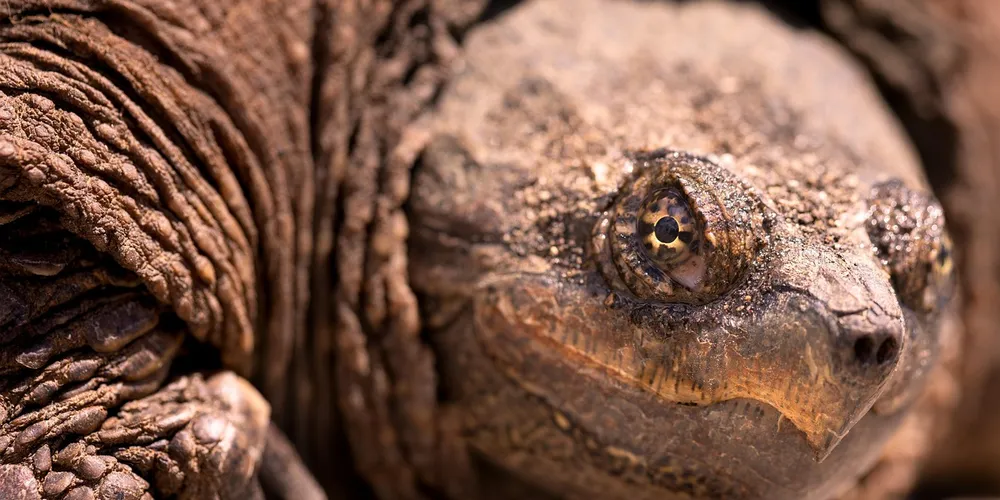
Animal-based foods are a big part of their meals. They actively hunt and eat a range of creatures to fuel their bodies. Here’s what they commonly go for:
- Fish: such as minnows, bass, and other small species found in ponds and streams.
- Amphibians: including frogs, toads, and salamanders they catch near the water.
- Invertebrates: like crayfish, snails, and insects that are easy to snap up.
Plant-based items round out their diet nicely. These foods provide fiber and essential vitamins that keep them strong. You’ll often see them munching on:
- Aquatic vegetation: such as water lilies, algae, and other submerged plants.
- Seeds: from plants like grasses and trees that drop into the water.
- Berries: that fall from bushes along the shoreline, adding a sweet touch.
Carrion and detritus are also on the menu. Scavenging dead animals and decaying matter helps recycle nutrients and keeps their home clean. It’s a natural way they contribute to ecosystem health, much like how I ensure my pet turtles’ enclosures stay tidy for their well-being.
Diet Variations: Juvenile vs Adult Snapping Turtles
Just like my own tortoises, Austen and Bronte, had different needs as hatchlings, a snapping turtle’s diet evolves dramatically with age. Baby snapping turtles are voracious carnivores, consuming up to 90% animal protein to fuel their rapid shell and body growth. Their tiny, agile bodies are built for chasing down fast-moving, bite-sized prey. In a quick hatchling nutrition guide, you’ll see that this protein-heavy start is typical for many young turtles. Of course, species-specific needs can vary, so always consult a reliable guide for your turtle’s care.
As they mature into formidable adults, their metabolism slows and their palate broadens. Adult snapping turtles become true omnivores, incorporating significantly more aquatic vegetation and larger, slower prey into their meals. This shift helps sustain their massive bodies with less energy expenditure.
Here’s a simple breakdown of how their preferences change:
| Life Stage | Primary Diet Focus | Common Food Examples |
|---|---|---|
| Juvenile | High-Protein Animals |
|
| Adult | Mixed Omnivore |
|
Hunting and Foraging Behaviors in the Wild
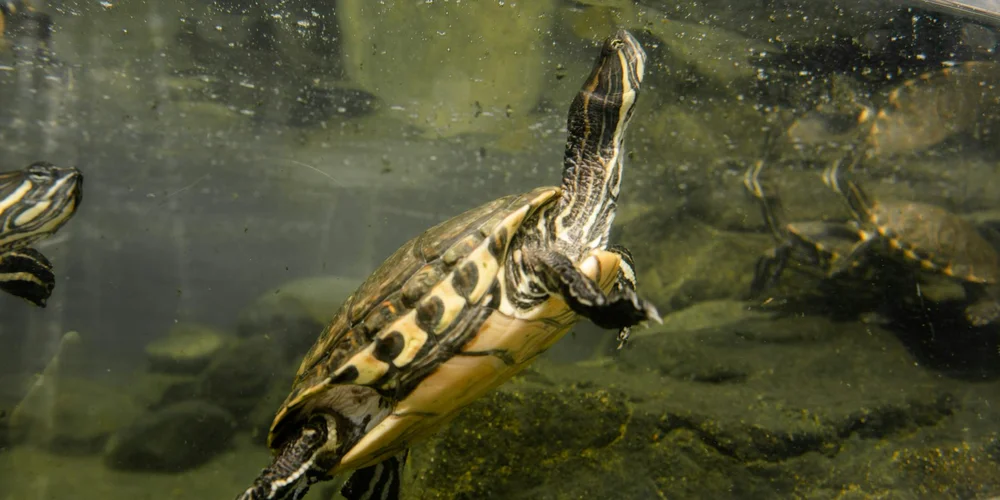
Watching my box turtle, Orwell, methodically hunt a worm gives me a tiny glimpse into the masterful predatory skills of his wild cousins. Common snapping turtles are masters of ambush, lying perfectly still on murky pond bottoms with their mouths agape. They look like nothing more than a harmless rock or piece of wood.
Alligator snapping turtles take this deception a step further. They use a fascinating natural lure-a pink, worm-like appendage on their tongue-to wriggle and attract curious fish straight into their powerful jaws. It’s a breathtaking example of evolutionary ingenuity.
Their hunting process is a calculated, step-by-step operation:
- Positioning: They settle into the soft sediment, becoming nearly invisible.
- Waiting: They remain motionless for hours, conserving energy.
- Striking: With explosive speed, they extend their neck and snap their beak-like jaws shut.
- Consuming: Prey is often swallowed whole or torn apart with sharp claws.
Beyond active hunting, they are vital ecosystem cleaners. Snapping turtles are opportunistic scavengers, readily consuming dead fish, mammals, and birds that settle on the bottom. This behavior helps keep their aquatic homes clean and free of decaying matter, a crucial service for the health of other wildlife. It’s just one aspect of snapping turtle behavior and biology.
Natural Predators of Snapping Turtles
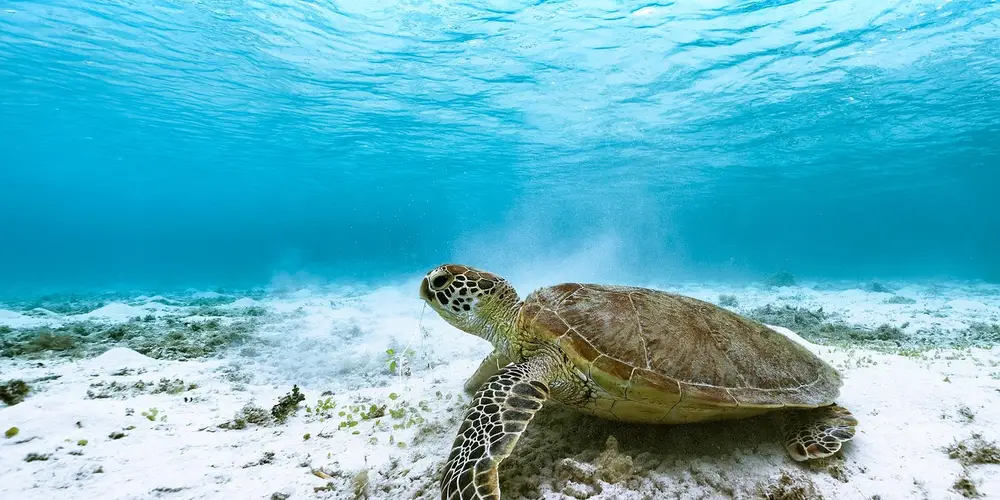
- Snapping turtles face threats from animals like raccoons, birds of prey such as eagles, and larger fish including bass or pike. In my years observing turtles like my box turtle Orwell, I’ve seen how even seemingly safe habitats can hide dangers from these predators.
- Their varied diet of fish, insects, and carrion often leads them into open waters or shallow areas, increasing exposure. When they’re busy hunting or scavenging, they become less alert, making them easier targets for stealthy attackers.
- Habitat type heavily influences survival; in murky, vegetated ponds, snapping turtles can camouflage well, but in clear or sparse environments, predators spot them more easily. From caring for aquatic pets, I’ve learned that dense cover mimics their wild refuges, reducing stress and predation risk.
Connecting Wild Diets to Pet Snapping Turtle Care
- Replicating a wild diet in captivity means offering a mix of safe, nutrient-rich foods to keep your turtle healthy and engaged. Based on my experience with varied turtle species, a balanced diet prevents common issues like shell deformities and boosts their natural behaviors.
- Recommended items to include:
- Live or frozen fish such as minnows or smelt for protein and omega-3s
- Insects like crickets or mealworms to mimic natural foraging
- Aquatic plants such as duckweed or anacharis for fiber and vitamins
Rotating these foods ensures they get the full spectrum of nutrients without boredom setting in.
- Avoid feeding processed meats, bread, or high-fat items that can cause digestive problems or obesity. I always check labels and stick to whole foods to avoid contaminants, much like how I care for Austen and Bronte’s specific needs. To prevent deficiencies, supplement with calcium and vitamin D3, especially if they lack natural sunlight exposure.
Human Consumption: Can You Eat Snapping Turtles?
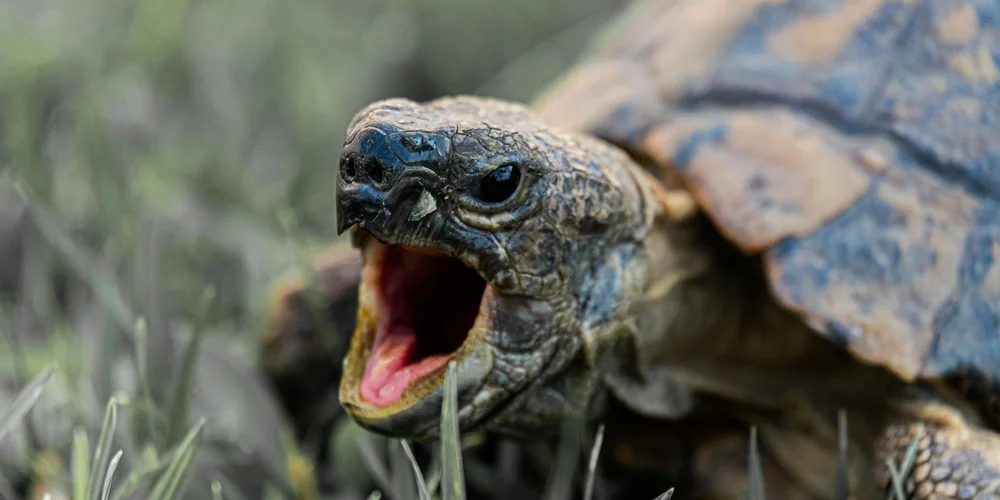
In many regions, particularly across the Southern United States, snapping turtles have a long history as a traditional food source, often featured in soups and stews. They are commonly found in rivers, streams, ponds, and wetlands across much of the United States, with particularly large populations in the Southeast. For anyone looking to observe or engage with snapping turtles, be sure to consult your state wildlife agency for current location, season, and harvest regulations.
This practice is deeply rooted in cultural heritage and is not a modern dietary trend. I’ve spoken with individuals for whom turtle soup is a cherished family recipe passed down through generations.
Cultural Practices and Local Regulations
While this is a cultural reality, it’s vital to recognize the legal and ethical landscape surrounding it today.
- Many states and localities have specific regulations governing the capture and harvest of snapping turtles, including size limits, seasonal restrictions, and permitted methods.
- These rules exist to prevent overharvesting and ensure stable wild populations, as snapping turtles play a crucial role in their aquatic ecosystems.
- Always consult your state’s fish and wildlife agency before considering any interaction with wild turtles.
Ignoring local regulations can result in significant fines and harm local turtle populations.
Ethical Considerations and Animal Welfare
From my perspective, the ethics of consuming snapping turtles cannot be separated from their welfare.
These are long-lived, complex creatures with a clear capacity to experience stress and pain. Any method of capture or dispatch must prioritize minimizing suffering above all else. This is a non-negotiable aspect of respectful interaction with any animal.
If harvesting occurs within a legal framework, the animal should be harvested respectfully and utilized completely to honor its life.
A Note on Preparation
Preparation methods are extensive and fall outside the scope of pet care advice.
- It universally involves humane dispatch, which is a specialized skill.
- The process of cleaning and butchering a snapping turtle is complex due to its anatomy and powerful musculature.
- Welfare must be the foremost concern during every step, from handling to final preparation.
For most people, the best way to appreciate a snapping turtle is to observe it thriving in its natural habitat. In the wild, snapping turtles are commonly found in ponds, wetlands, and slow-moving rivers across much of North America. They prefer shallow waters with muddy bottoms. We can honor cultural traditions while also advocating for the compassionate and legal treatment of wildlife.
FAQs
How often should I feed my pet snapping turtle?
Juvenile snapping turtles require daily feedings to support rapid growth, while adults can be fed every 2-3 days. Adjust portions based on their activity and monitor weight to prevent health issues. For detailed guidelines on feeding frequency and amounts, visit feeding schedule for turtles.
What is a sample diet plan for a captive snapping turtle?
A balanced weekly plan could include fish like minnows on some days and insects or leafy greens on others. Rotate food types regularly to provide essential nutrients and keep your turtle engaged. These ideas can help you create a balanced diet plan for your turtle and design practical sample schedules. A simple weekly timetable makes it easy to follow and adjust portions as needed.
How does the diet of an alligator snapping turtle differ from a common snapping turtle?
Alligator snapping turtles often consume more fish due to their unique tongue lure, while common snapping turtles have a broader omnivorous diet. Both species scavenge, but hunting strategies influence their prey choices. The alligator snapping turtle hunting behavior hinges on an ambush tactic, using a worm-like tongue lure to attract prey. It then strikes rapidly, explaining why fish dominate its meals.
Are there any differences in the diet of snapping turtles in Florida?
Florida snapping turtles eat local species such as Florida crayfish and aquatic insects found in wetlands. Their diet remains omnivorous but reflects the region’s abundant biodiversity and warmer climate. Are turtles herbivores, carnivores, or omnivores? Diets across species vary, with many turtles being omnivores.
What is the purpose of the distinctive spines on a snapping turtle’s shell?
The spines aid in camouflage by mimicking debris on pond bottoms, helping them ambush prey. They also provide some defense but do not directly assist in feeding or digestion.
Final Reflections on Snapping Turtle Diets
Snapping turtles enjoy a varied menu of fish, insects, plants, and small animals in their natural habitats. Mimicking this diversity in captivity ensures they receive essential nutrients and stay engaged with their food. In the wild, they may opportunistically prey on ducklings, though adult ducks are generally too large for them.
Commit to your pet’s health by always researching and adapting their care as new information arises. Staying informed helps you create a thriving environment that honors their wild instincts and well-being.
Further Reading & Sources
- What Do Snapping Turtles Eat? | Field & Stream
- What Do Snapping Turtles Eat? – A-Z Animals
- r/turtle on Reddit: How much and how often do I feed my common snapping turtle?
- Common Snapping Turtle | NC Wildlife
Matthew is a dedicated turtle enthusiast and conservationist with over 15 years of experience in reptile care. Known affectionately as "The Leatherback" among his peers, he combines his passion for turtles with a commitment to educating pet owners on responsible turtle care and environmental stewardship.
Common Turtle Foods