
What Fish and Seafood Can Turtles Eat?
Figuring out the right fish and seafood for your turtle can feel overwhelming, especially when you worry about making a mistake that affects their health. Over the years with my own turtles-Austen, Bronte, and Orwell-I’ve seen how the right diet keeps them thriving and full of energy.
We’ll dive into safe fish options, healthy seafood picks, foods to skip, and simple feeding tips.
Understanding Seafood in a Turtle’s Balanced Diet
Seafood isn’t always a daily necessity, but it plays a vital role in meeting specific nutritional needs. Protein supports muscle development and repair, while calcium is the fundamental building block for a strong, resilient shell. Vitamin A is crucial for maintaining healthy skin, eyes, and a robust immune system.
Your turtle’s species dictates its reliance on seafood. Aquatic turtles, like sliders and cooters, are naturally more carnivorous, especially as juveniles. They thrive on a diet that replicates the fish and invertebrates they’d catch in the wild. My Russian Tortoise, Austen, enjoys a mostly plant-based menu, while my aquatic turtles eagerly anticipate their fishy treats.
Variety is your best strategy for preventing nutritional deficiencies. Think of seafood as one important color on your turtle’s dietary palette, not the entire painting. Rotating different protein sources ensures they get a full spectrum of vitamins and minerals, which is crucial for preventing vitamin deficiencies in pet turtles.
Nutritional Benefits of Seafood
Seafood is a powerhouse of targeted nutrition for turtles. The high-quality protein fuels their growth and everyday energy. Calcium, abundant in whole fish like sardines with their edible bones, directly contributes to shell density and health. Does diet and nutrition impact a turtle’s shell health? Yes—proper balance of calcium, phosphorus, vitamin D, and protein supports shell formation and ongoing repair.
- Protein: Essential for muscle maintenance and overall bodily functions.
- Calcium: Critical for preventing metabolic bone disease and ensuring a sturdy shell structure. Small shrimp with their shells on are a fantastic source.
- Vitamin A: Supports vision, skin integrity, and immune response.
- Omega-3 Fatty Acids: Found in oily fish, these promote healthy organ function and reduce inflammation.
Do Aquatic Turtles Require Seafood?
Yes, aquatic turtles often have a biological requirement for seafood. Their bodies are adapted to process animal protein efficiently. For many species, a complete lack of seafood can lead to stunted growth and weakened shells. They are opportunistic feeders in nature, and small fish, insects, and crustaceans form a significant part of their diet. Seafood is just one source of animal protein that turtles require, alongside meats like fish and chicken.
Land turtles and tortoises have different needs. While my box turtle, Orwell, might nibble on a worm, his diet is overwhelmingly leafy greens and vegetables. The key is understanding your specific turtle’s natural history to provide the most appropriate and nourishing diet.
Safe Fish Varieties for Your Turtle
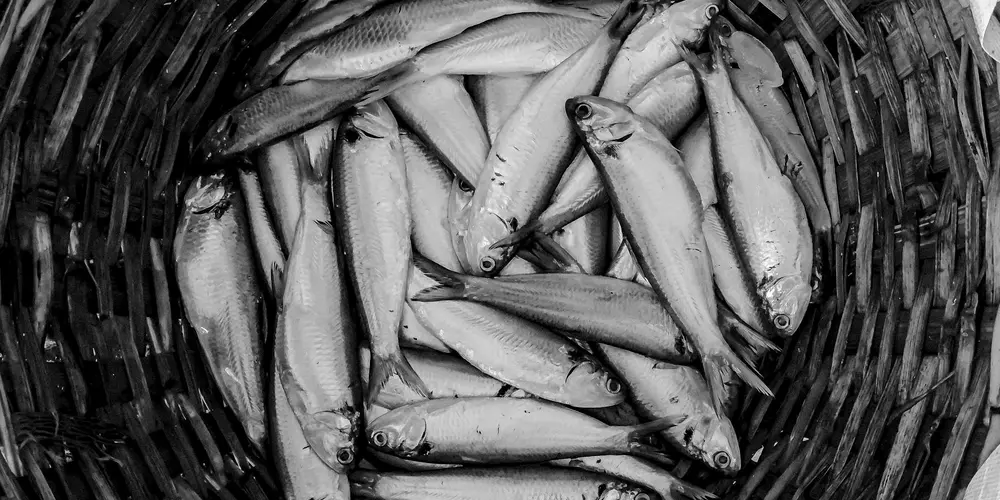
Choosing the right fish is a simple act of care. Always opt for low-mercury options to prevent the buildup of heavy metals in your turtle’s system. Small, short-lived fish like tilapia, sardines, and anchovies are consistently safe choices. Their place in the food chain means they accumulate fewer toxins.
Offering a mix of freshwater and saltwater fish provides nutritional diversity. This variety mimics the natural diet of wild turtles and helps prevent picky eating habits. I always avoid large predatory fish like tuna, as their mercury levels are simply too high for our shelled friends. When feeding painted turtles, it’s essential to follow a proper nutrition guide for aquatic turtles.
Freshwater Fish Options
Freshwater fish are often readily available and easy for turtles to digest.
- Tilapia: A lean, mild-flavored fish that is a staple in my turtles’ diet.
- Whitefish: Another excellent, low-fat option that is gentle on their digestive systems.
- These fish are typically farmed in controlled environments, making them a reliable and safe protein source.
Saltwater Fish Options
Small, oily saltwater fish are nutrient-dense treats.
- Sardines: Packed with calcium from their bones and rich in omega-3s.
- Anchovies: Another small fish with low toxin levels and high nutritional value.
I recommend offering these saltwater options occasionally to add exciting diversity and a boost of beneficial fats to their meals. Always ensure they are prepared plain, without any added salt, oil, or seasonings.
Shellfish and Crustaceans Turtles Can Enjoy
-
Safe shellfish options like shrimp, crayfish, and mollusks offer a natural calcium boost for strong shells.
From my time caring for Orwell, my box turtle, I noticed his shell became more vibrant when I included cooked shrimp in his diet occasionally.
Calcium-rich foods help prevent shell deformities and support overall health.
-
Always prepare shellfish by cooking them thoroughly to reduce risks from parasites or bacteria.
I steam or boil shrimp and crayfish for a few minutes until they turn opaque, which makes them safer and easier for turtles to digest.
Proper preparation ensures your turtle enjoys these treats without health hazards.
-
Avoid raw shellfish and salty types like processed shrimp, as they can lead to digestive issues or salt toxicity.
Stick to fresh or frozen varieties without added seasonings to keep meals wholesome.
Steering clear of unsafe options protects your turtle from unnecessary stress and illness.
Crustaceans like Shrimp and Crayfish
-
Serve shrimp and crayfish cooked to enhance safety and digestibility, though some turtles might nibble on raw versions if thoroughly cleaned.
Their shells are packed with calcium, which I’ve seen benefit Bronte, my Greek tortoise, by fortifying her graceful shell structure over time.
Cooking these crustaceans softens them, making calcium more accessible for absorption.
-
Limit feeding to small amounts due to high protein content, which can cause obesity or kidney strain if overdone.
I offer shrimp as a weekly supplement, not a staple, to maintain a balanced diet for my turtles.
Overfeeding protein-rich foods can lead to health problems, so moderation is key.
Mollusks and Other Seafood
-
Include clams or mussels in your turtle’s diet, but always remove hard shells to prevent choking or internal injuries.
I gently steam mollusks until the shells pop open, then extract the soft meat for a safe, tasty meal.
Shell removal turns potential risks into nutritious, easy-to-eat delights.
-
Practice moderation with mollusks to avoid dietary imbalances, as too much can disrupt calcium-to-phosphorus ratios.
Rotate them with greens and other proteins to keep meals varied and healthy.
A diverse diet supports long-term vitality and prevents nutrient deficiencies.
Feeding Guidelines: How Much and How Often
-
Determine portion sizes based on your turtle’s age and size, using visual cues for accuracy.
For Austen, my Russian tortoise, I adjust amounts as he grows to match his gentle, steady appetite.
Tailoring portions to individual needs ensures your turtle gets just the right amount of nutrition.
-
Feed adult turtles seafood like shrimp or clams once a week to supplement their diet without overloading them.
This frequency mimics natural foraging patterns and keeps meals exciting.
Sticking to a weekly schedule helps maintain optimal weight and health.
-
Mix seafood with leafy greens, vegetables, or commercial pellets for a balanced meal that covers all nutritional bases.
I often combine small shrimp pieces with chopped kale for Orwell, making his diet both nutritious and engaging.
Blending foods prevents monotony and promotes overall well-being.
Determining Portion Size
-
Use the “size of the turtle’s head” rule for portions, offering an amount that fits in that space to prevent waste or overeating.
This method has worked well for my turtles, ensuring they eat enough without feeling stuffed.
Visual portion control simplifies feeding and supports healthy growth.
-
Adjust portions for baby turtles by offering smaller, bite-sized pieces more frequently to support their rapid development.
Start with tiny amounts and increase as they mature, watching for signs of satisfaction.
Baby turtles thrive on frequent, small meals that match their energetic needs.
Feeding Frequency
-
Recommend feeding juveniles two to three times a week with seafood treats, as they need more protein for growth.
Adults do well with once-weekly servings to maintain muscle without excess weight gain.
Adjusting frequency by age helps turtles stay active and healthy throughout their lives.
-
Emphasize not overfeeding to prevent obesity, which can lead to shell issues or reduced mobility.
I monitor my turtles’ weight by feeling their shells and adjusting diets if they seem sluggish.
Keeping portions in check fosters a long, vibrant life for your shelled friend.
Health Risks and Seafood to Avoid
Feeding your turtle seafood requires careful selection to prevent health issues. Some fish carry hidden dangers like heavy metals and parasites that can seriously harm your shelled friend.
- Risky seafood includes large predatory fish high in mercury and raw shellfish that may contain harmful parasites.
- You minimize these risks by sourcing seafood from reputable suppliers and always cooking or freezing it properly before serving.
- Watch for symptoms of mercury poisoning, which can include lethargy, loss of coordination, and a refusal to eat.
Seafood with High Mercury Levels
Large, long-lived fish accumulate mercury in their tissues, which is toxic to turtles. I never offer my tortoises tuna or swordfish because their small bodies can’t process these toxins effectively.
- Identify and avoid fish like tuna, shark, swordfish, and king mackerel due to their high mercury content.
- Choose safer alternatives with low mercury levels, such as freshwater smelt, cooked shrimp, and tilapia.
Parasite and Contamination Risks
Raw fish can introduce internal parasites to your turtle’s digestive system. Freezing seafood at -20°C for at least seven days before feeding is my go-to method for eliminating most parasites.
- Use commercially frozen or thoroughly cooked seafood to kill potential parasites and bacteria.
- Avoid feeding wild-caught fish unless you are certain it has been properly frozen or cooked to eliminate risks.
Special Considerations and Ethical Sourcing
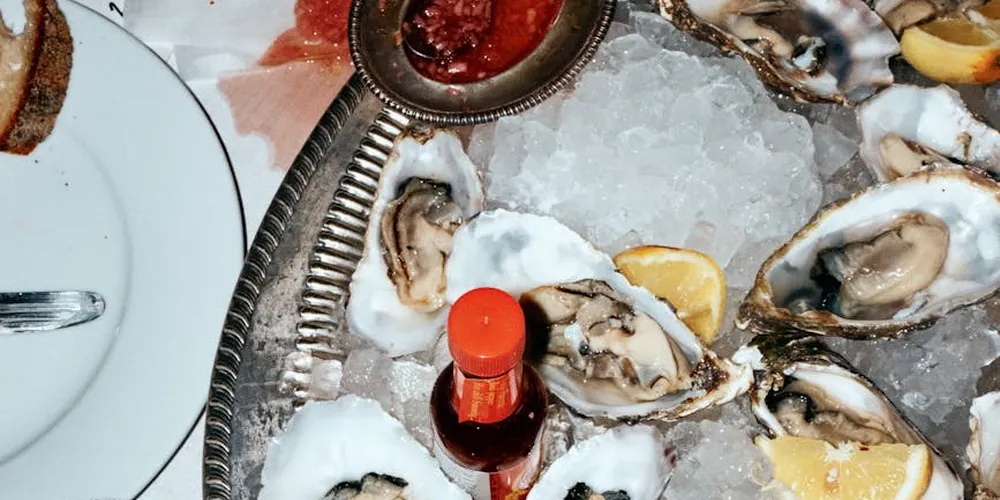
Every turtle has unique dietary needs based on its age and species. Sourcing food responsibly protects both your pet’s health and our aquatic ecosystems.
- When feeding baby turtles, start with tiny portions of seafood and monitor their reaction closely.
- Consider species-specific needs; red-eared sliders are more omnivorous and may enjoy fish, while my Russian tortoise Austen thrives on a plant-based diet.
- Prioritize ethically sourced seafood by choosing sustainable, farmed options that have lower environmental impact.
Feeding Seafood to Baby Turtles
Young turtles have delicate digestive systems that require extra care. I always chop seafood into minuscule pieces for hatchlings to prevent choking and aid digestion. For a balanced diet, consider offering age-appropriate live foods, pellets, and leafy vegetables to support nutrition as they grow.
- Recommend finely chopping or shredding seafood into manageable bites for easy consumption.
- Exercise caution to avoid overloading their small systems; offer seafood as a occasional treat, not a staple.
Ethical and Safe Sourcing
Making informed choices about your turtle’s food supports animal welfare and environmental health. Selecting farmed fish from clean waters often means lower toxin levels compared to some wild-caught varieties.
- Guide your choices by selecting farmed fish from regulated facilities, which typically have controlled diets and lower contaminant risks.
- Ensure proper storage by keeping seafood frozen until use and thawing it safely to maintain freshness and prevent bacterial growth.
FAQs
Is seafood safe for turtles?
Yes, seafood is generally safe for turtles when selected from low-risk sources and prepared correctly. Always cook or freeze seafood to eliminate parasites and avoid high-mercury options to keep your turtle healthy. Outside of seafood, some human foods can be offered in small amounts as safe options for turtles. Stick to turtle-safe choices like leafy greens and plain vegetables, and avoid processed or seasoned items.
What types of seafood are safe for turtles?
Safe seafood includes small, low-mercury fish like tilapia and sardines, as well as cooked shellfish such as shrimp. These choices provide essential protein and calcium without introducing harmful toxins.
Can baby turtles eat seafood?
Yes, baby turtles can eat seafood, but it must be finely chopped into tiny pieces to prevent choking. Offer it sparingly as a supplement to their main diet to support growth without overloading their systems.
How often should turtles be fed seafood?
Feed adult turtles seafood about once a week to maintain a balanced diet without causing obesity. Juvenile turtles may require seafood two to three times weekly to support their higher protein needs for development. Maintain a regular feeding schedule with consistent portions to prevent overfeeding and support steady growth. Adjust the frequency and amount as the turtle grows, and monitor body condition regularly.
What seafood should be avoided for turtles?
Avoid large predatory fish like tuna and swordfish due to their high mercury content, which can be toxic. Also, never feed raw shellfish, as it may contain parasites that pose serious health risks.
Your Turtle’s Healthy Eating Journey
Offer safe fish like small feeder fish and cooked shrimp in moderation to support a balanced diet. Steer clear of raw or salty seafood to protect your turtle from potential health risks. Consider sourcing and preparing fresh foods for your turtle to help diversify its diet. Always choose high-quality ingredients and handle them safely to protect your turtle’s health.
Commit to ongoing education about pet turtle care to meet their evolving needs. For box turtles, a care box turtle complete beginners guide offers quick, practical tips on housing, diet, and UVB lighting. This resource helps new keepers start confidently and avoid common mistakes. Your dedication to learning ensures a thriving, joyful life for your shelled companion.
Further Reading & Sources
- What Do Different Sea Turtles Eat? – Clearwater Marine Aquarium
- Feeding Aquatic Turtles | VCA Animal Hospitals
- Do Turtles Eat Fish? How to Add Them to My Aquarium & Care Tips | The Vet Desk
- Sea Turtle Diet – SEE Turtles
Matthew is a dedicated turtle enthusiast and conservationist with over 15 years of experience in reptile care. Known affectionately as "The Leatherback" among his peers, he combines his passion for turtles with a commitment to educating pet owners on responsible turtle care and environmental stewardship.
Common Turtle Foods