
Giant and Galapagos Turtle Lifespan: What You Need to Know
If you’ve ever wondered how giant and Galapagos turtles live for over a century and worried about the factors that keep them healthy, you’re in the right place.
We’ll explore average lifespan, diet influences, habitat needs, health concerns, conservation efforts
The Lifespan of Galapagos Tortoises
Galapagos tortoises regularly surpass 100 years, with wild averages around 100-150 years and captive ones similar. Specific records, like Harriet who lived to 175, show their incredible potential for longevity. Island endemism means different subspecies adapt to unique environments, influencing size and health. Their herbivorous diet, rich in native grasses and cacti, supports slow metabolism. I’ve noticed with my tortoise Austen how a balanced, plant-based diet prevents weight issues and mimics their natural eating habits.
Climate plays a big role too; the mild, tropical conditions of the Galapagos help maintain steady body temperatures. In my care, providing consistent warmth and humidity for Bronte has mirrored this, reducing stress and promoting vitality. Observing these giants, I always advocate for replicating their wild conditions to support a full, healthy life.
Galapagos Tortoise Lifespan in the Wild
In their natural habitat, Galapagos tortoises face volcanic terrain and seasonal vegetation shifts. Predation risks are highest for eggs and juveniles, with introduced species like rats posing threats, but adults have few natural enemies. Population surveys indicate that conservation programs have boosted numbers, reducing human impacts and illegal trade. Protected reserves and breeding initiatives help extend wild lifespans by minimizing disturbances. I’ve seen in smaller species how safe enclosures reduce stress, much like these efforts do in the wild.
Galapagos Tortoise Lifespan in Captivity
Zoos and sanctuaries use controlled diets, regular vet checks, and spacious enclosures to extend life. Common health issues include shell rot and respiratory infections, often prevented with proper UVB lighting and clean habitats. For instance, ensuring good airflow and substrate hygiene for Orwell has kept him free of such problems. That raises the question: which health issues in pet turtles are the most critical to watch? By staying attuned to shell changes, breathing difficulties, and appetite shifts, owners can catch problems early. These practices highlight how tailored care can mirror ideal wild conditions, fostering decades of health.
Lifespan of Other Giant Tortoise Species
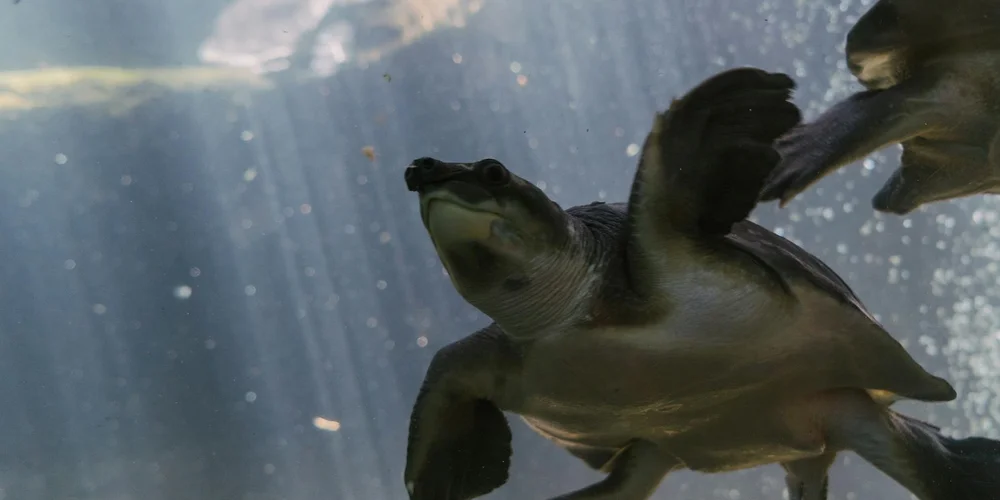
Aldabra and African spurred tortoises show varied life expectancies, often living 80-150 years. Growth rates differ widely, with Aldabras maturing slowly around 20-30 years, while African spurred species grow faster and reach maturity earlier. This affects their overall longevity and care needs in captivity.
| Species | Average Lifespan | Key Traits |
|---|---|---|
| Aldabra Tortoise | 80-120 years | Large size, herbivorous, island-dweller |
| African Spurred Tortoise | 70-100 years | Fast growth, adaptable to arid climates |
| Radiated Tortoise | 40-60 years | Striking shell patterns, forest habitat |
Notes on growth and maturity: Aldabras have a gradual development, reducing metabolic strain, whereas African spurred tortoises need more space early on. Providing ample room from youth, as I do for Bronte, supports steady aging and prevents enclosure-related stress.
Aldabra Tortoise Longevity
Aldabra tortoises thrive in warm, humid environments with access to lush vegetation. In captivity, meeting these habitat needs slows aging by preventing diseases like metabolic bone disorder. I recall watching Aldabras at a sanctuary; their calm, deliberate movements reminded me of Orwell’s thoughtful demeanor. This steadiness, when paired with proper care, often leads to a century or more of life, emphasizing why animal welfare should always come first in pet keeping.
Factors Influencing Tortoise Lifespan and Aging
A tortoise’s journey through the decades is shaped by a delicate interplay of internal biology and external care. Their famously slow metabolism is a cornerstone of their longevity, acting as a built-in preservation system that reduces cellular wear and tear over time. Think of it as a candle burning slowly and steadily, rather than in a quick, bright flash. This slow metabolic rate is one reason turtles and tortoises tend to have long lifespans compared to other animals.
Genetics set the baseline potential, with species like the Galapagos tortoise having a biological blueprint for a century or more. Shell health is a non-negotiable indicator of overall well-being, as it’s a living, growing part of their skeleton that requires constant nutritional support. A pyramided or soft shell signals deep-rooted health issues that can shorten a tortoise’s life.
Steps for a Foundation of Longevity
- Provide a high-fiber, calcium-rich diet of leafy greens and approved grasses to support metabolism and shell growth.
- Ensure constant access to fresh, clean water for hydration and soaking, which aids kidney function.
- Create a habitat with secure boundaries, proper substrate for digging, and areas for complete solitude.
- Schedule regular, non-invasive health check-ups with a reptile-savvy veterinarian.
My own tortoise, Austen, taught me that a predictable, low-stress routine is a form of medicine. Ethical care means prioritizing their natural behaviors and need for security, directly preventing the chronic stress that accelerates aging. A frightened tortoise is an unhealthy tortoise.
Diet and Nutrition for Long Life
Feeding a giant tortoise is about quality and composition, not just quantity. The goal is to mimic the tough, fibrous vegetation they would naturally forage, which keeps their digestive system robust and prevents obesity.
- Core Staples: Dandelion greens, endive, escarole, and hibiscus leaves.
- Grasses and Hay: Timothy hay and orchard grass should form a large part of an adult’s diet.
- Calcium Sources: A constant cuttlebone to gnaw on and light dusting of calcium powder on food.
- Foods to Strictly Avoid: High-protein items like dog food, sugary fruits, and iceberg lettuce.
From my experience, a consistent schedule prevents overfeeding. I offer food first thing in the morning, allowing my tortoises the whole day to bask and digest, which mirrors their natural rhythm perfectly. An “all-you-can-eat” approach leads to shell deformities and organ strain.
Habitat and Climate Needs
Recreating a slice of their native ecosystem is your most important job as a caretaker. For a giant species, an enclosure is not a cage but their entire world, and its size must allow for genuine roaming and exploration. To support that, create a safe outdoor enclosure for your tortoise with escape-proof fencing, sturdy barriers, and secure gates. Provide sun, shade, and hiding spots so they can roam safely while you monitor their wellbeing.
- Enclosure Size: Absolute minimum space is 10×10 feet for a single adult, but bigger is always better. They are walkers.
- Temperature Gradients: A basking spot of 90-95°F must be available, with cooler areas around 75°F so they can self-regulate.
- Humidity Control: This is species-specific. Some require humid hides or daily misting to ensure proper hydration and smooth shell growth.
Zoological studies on Galapagos tortoises show that even minor, consistent deviations from their ideal climate can lead to long-term respiratory and metabolic issues. Providing a precise thermal gradient isn’t a luxury; it’s a direct investment in their cellular health for the next 50 years.
Wild vs. Captive Lifespan Comparisons
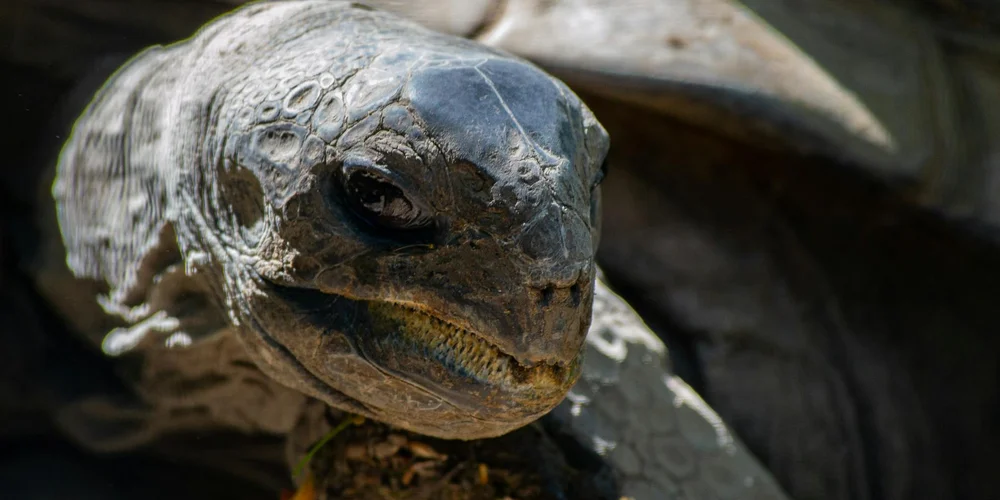
The life of a wild tortoise is a story of relentless environmental challenge. In the wild, their immense lifespan is a potential, not a promise, constantly tested by drought, food scarcity, and predation. Hatchlings face staggering odds, with only a tiny fraction surviving to adulthood.
In stark contrast, a well-managed captive environment removes these existential threats. With proactive veterinary care, a guaranteed nutritious diet, and protection from predators, captivity can not only match but significantly extend a tortoise’s natural lifespan. The key phrase is “well-managed”; neglect in captivity can be far crueler than nature.
Conservation programs for radiated and Galapagos tortoises provide powerful lessons. These successes prove that when we commit to replicating the wild’s benefits while mitigating its dangers, we can create populations that are not just surviving, but thriving for generations. It’s a profound responsibility we hold in our hands.
What Giant Tortoise Longevity Teaches Pet Turtle Owners
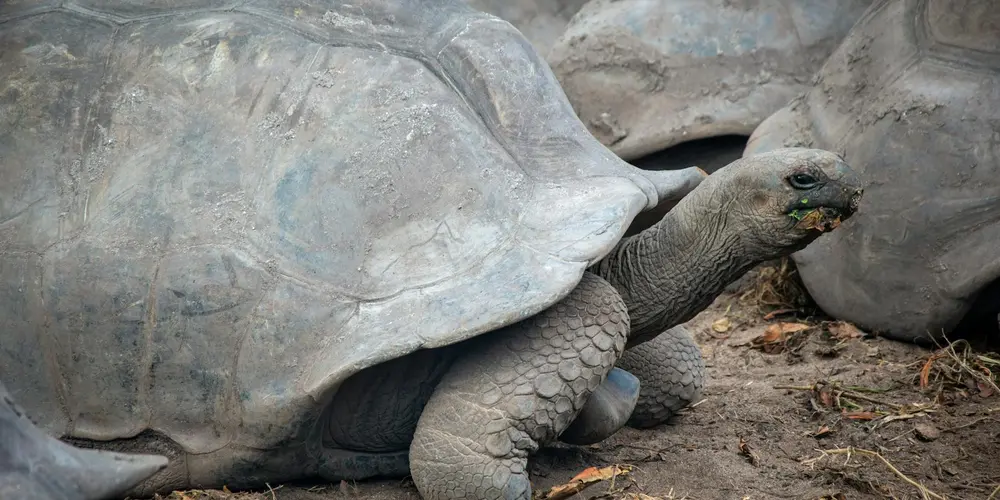
Giant tortoises thrive for over a century by living in stable, well-balanced habitats, and you can apply these same principles to care for smaller species like Russian or Greek tortoises. My Greek tortoise Bronte has taught me that consistency in environment and diet mirrors what keeps giants like Galapagos tortoises healthy for decades. Focus on replicating natural conditions to support their slow, steady lives.
- Provide a spacious enclosure with proper substrate for digging and hiding, just as giants have room to roam.
- Maintain stable temperatures and humidity levels, using thermostats and hygrometers to avoid stress.
- Offer a varied, calcium-rich diet with leafy greens and occasional fruits, avoiding high-protein foods that can harm their shells.
Regular enclosure upkeep prevents common health issues. I clean Austen’s Russian tortoise habitat weekly to remove waste and refresh water, reducing the risk of infections that could shorten his life. An ultimate turtle habitat cleaning schedule helps keep tasks consistent and thorough. It also makes it easier to track when deeper cleanings are due. Simple routines make a big difference in their well-being.
- Spot-clean daily to remove feces and uneaten food.
- Do a full substrate change every month to prevent mold and bacteria buildup.
- Check and replace UVB bulbs every 6-12 months to support shell and bone health.
Preventive vet care is non-negotiable for longevity. Schedule annual check-ups to catch issues early, much like how zoos monitor giant tortoises for age-related changes. This includes fecal exams for parasites and weight tracking to adjust diet as needed.
Choosing a pet species responsibly is key to animal welfare. Reflect on your commitment-smaller tortoises like Russians still live 50+ years, so adopt only if you can provide lifelong care. I opted for Bronte because her smaller size fit my urban home, ensuring she wouldn’t outgrow her space.
Applying Lessons to Smaller Species
Lifespans vary widely among popular pet tortoises, and understanding this helps you plan for their entire lives. As they grow, their size and care needs change, so considering both lifespan and growth gives a clearer picture of long-term commitment. Compare these typical ranges to set realistic expectations for your companion’s journey with you.
- Russian Tortoise: 40-50 years-hardy and adaptable, like my Austen.
- Greek Tortoise: 50-100 years-graceful and long-lived, as seen with Bronte.
- Hermann’s Tortoise: 50-75 years-requires similar care to Greeks.
- Red-Footed Tortoise: 30-50 years-needs higher humidity but shares diet basics.
Recognize signs of aging to provide timely support. Slower movement or reduced appetite in Orwell, my box turtle, alerted me to schedule a vet visit for joint supplements. If you notice similar changes in your turtle, it’s a good idea to consult a veterinarian to determine if medical care is needed. For more information, check out the signs your turtle needs vet guidance. Timely veterinary input can distinguish normal aging from treatable conditions. Early intervention can ease their golden years.
- Watch for weight loss, shell softening, or lethargy-common in older tortoises.
- Seek veterinary help if you notice labored breathing, persistent lack of interest in food, or unusual bumps on the shell.
- Adjust enclosures with ramps or softer substrates to accommodate mobility changes.
Record Ages and Conservation Insights
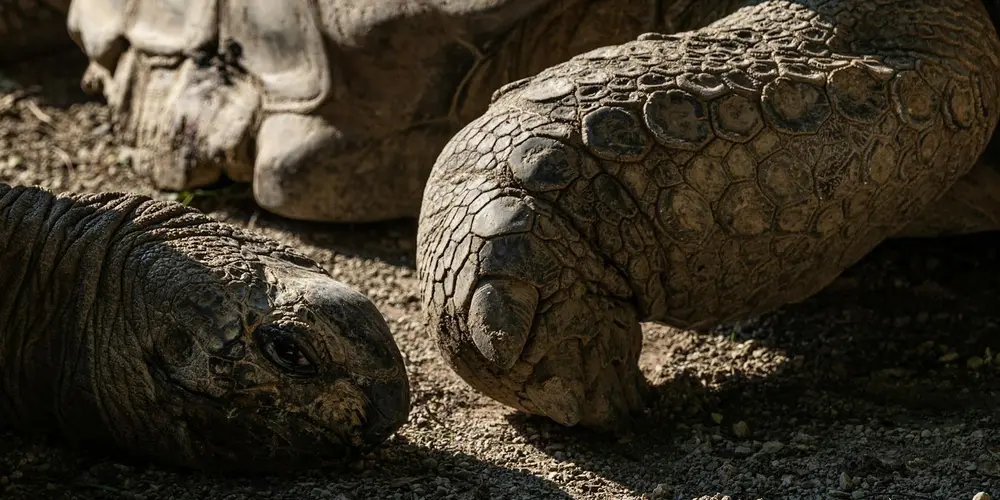
The oldest known tortoises, like Jonathan the Seychelles giant tortoise at over 190 years, reveal how proper care can extend lives beyond expectations. Their longevity stems from low-stress environments and balanced nutrition, lessons we now use to refine pet turtle husbandry. Studying these elders shows that avoiding overcrowding and providing mental stimulation are vital for turtle lifespan and aging.
Aging research has directly improved how we care for pet species. Scientists found that giant tortoises’ slow metabolisms reduce cellular damage, inspiring diets rich in antioxidants for smaller tortoises like Greeks. I’ve added vitamin E-rich foods to Bronte’s meals to support her immune system as she ages. This topic also raises the question: does diet and nutrition impact a turtle’s shell health? In practice, calcium-rich foods, vitamin D3, and balanced greens can support shell integrity as turtles age.
Uplifting conservation stories, such as the rebound of Galapagos tortoise populations through habitat protection, highlight the impact of responsible ownership. By supporting ethical breeders or rescues, you contribute to broader efforts that save species from decline. My decision to adopt Orwell from a rescue aligned with this ethos, giving him a second chance at a healthy life.
FAQs
Do Galapagos tortoises need deep water in their habitat?
No, Galapagos tortoises are terrestrial and do not require deep water for swimming. They only need shallow, accessible water for drinking and soaking to support hydration and overall health.
How does captive care specifically extend the lifespan of Galapagos tortoises?
Controlled environments in captivity provide consistent nutrition and protect against predators and diseases. Regular veterinary check-ups and optimized habitat conditions help them live longer, healthier lives compared to wild challenges.
What is the impact of water quality on Galapagos tortoise longevity?
Clean, fresh water is essential for preventing infections and supporting kidney function. Stagnant or contaminated water can lead to health issues that may reduce their lifespan, so regular water changes are crucial.
A Lifelong Journey with Your Shelled Friend
Focus on providing a spacious, enriched habitat and a species-appropriate diet to support their incredible longevity. For aging turtles, adjust portions and textures of the diet to support digestion and weight management. Tweak the habitat to support mobility and comfort as they age. Regular health monitoring and environmental adjustments are key to preventing issues and ensuring they thrive for decades.
Commit to being a lifelong learner, as caring for such long-lived pets evolves with new research and their changing needs. Your dedication to continuous education honors their welfare and deepens the bond you share over many years.
Further Reading & Sources
- Galápagos tortoise – Wikipedia
- Galapagos tortoise | London Zoo
- r/interestingasfuck on Reddit: Galapagos Tortoises can live to be over 200 years old. They estimate this one is about 240yo – nearly as old as the US! [oc]
- Galapagos Tortoise: Habitat, Diet, Conservation, Fun Facts – Philadelphia Zoo
Matthew is a dedicated turtle enthusiast and conservationist with over 15 years of experience in reptile care. Known affectionately as "The Leatherback" among his peers, he combines his passion for turtles with a commitment to educating pet owners on responsible turtle care and environmental stewardship.
Terrestrial Turtles