
Turtle Population and Ecology: A Deep Dive
Published on: June 10, 2026 | Last Updated: June 10, 2026
Written By: Matthew The
You might have noticed fewer turtles in your local ponds or heard troubling news about their global decline. These ancient mariners and land dwellers are facing unprecedented challenges that threaten their very existence.
This article covers the key threats to turtle populations, the global conservation efforts underway, and the vital ecological roles these creatures play in our world. We will explore the interconnected web of life that depends on their survival.
Fundamentals of Turtle Population Dynamics
Population dynamics reveal how turtle groups change through births, deaths, and environmental shifts. Observing my Russian tortoise Austen over a decade has shown me that steady growth hinges on balanced life stages.
Life history covers the journey from egg to adult, with survival rates dictating how many make it through each phase. In the wild, only a fraction of hatchlings reach adulthood, which underscores why every turtle deserves careful attention especially during their vulnerable first year.
- Fecundity: The number of eggs a female produces each season.
- Hatchling survival: How many young turtles endure their first vulnerable year.
- Juvenile survival: The rate at which young turtles grow and avoid predators.
- Adult survival: The likelihood of mature turtles living full lifespans.
Grasping these terms helps you see why wild populations stay stable or decline. This knowledge guides responsible pet ownership by highlighting the risks of uncontrolled breeding.
From my experience with Bronte, my Greek tortoise, I limit breeding to prevent overcrowding and support animal welfare. By understanding survival rates, you can make informed choices that protect both pets and their wild cousins.
Natural Habitat Use and Enclosure Design
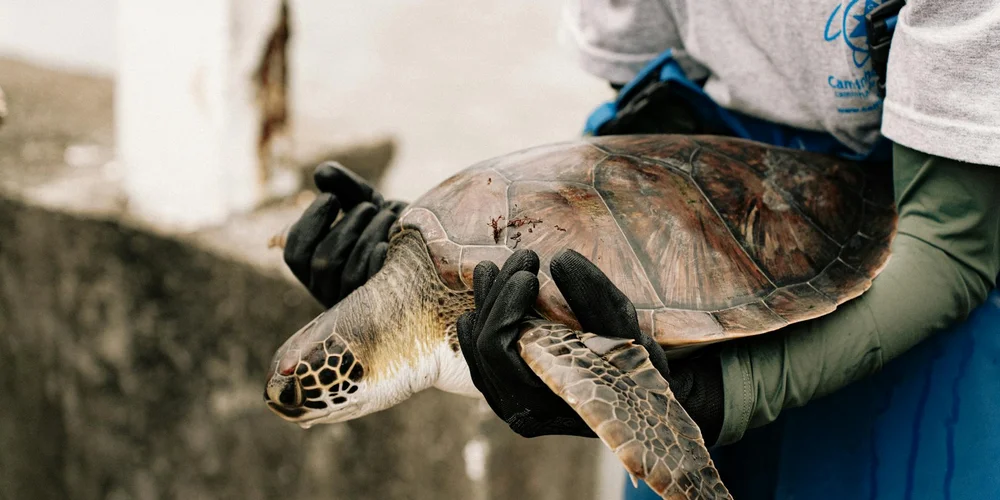
Wild turtles use specific home ranges and may migrate to nesting beaches or foraging grounds. Creating a captive space that mirrors these behaviors reduces stress and promotes natural instincts.
Follow these steps to build an enclosure that feels like home.
- Choose a spacious area to allow for roaming and exploration.
- Incorporate a substrate mix of topsoil and sand for digging and burrowing.
- Set up temperature gradients with a warm basking spot and cooler shaded areas.
- Add hiding spots like hollow logs or planted sections for security.
- Include a shallow water dish for hydration and soaking.
Focus on sensory details to enrich their environment. The substrate should feel soft underfoot, mimicking the earthy textures of their native habitats.
Temperature gradients let them regulate body heat, much like sun-warmed rocks in the wild. Hiding spots offer a sense of safety, which I’ve seen calm my box turtle Orwell during noisy days.
By replicating these elements, you support their well-being and honor their natural rhythms. Your efforts in enclosure design directly impact their health and happiness, fostering a thriving home.
Reproduction and Life History in Captivity
In the wild, a turtle’s reproductive cycle is a finely tuned response to environmental cues, and understanding this can transform your approach to pet care. Observing nesting behavior in captivity, like my Russian tortoise Austen’s restless digging, is a direct window into their deeply ingrained instincts. It tells you their biological clock is ticking, even in a safe enclosure.
A fascinating aspect of turtle ecology is temperature-dependent sex determination (TSD). The temperature at which the eggs incubate dictates whether the hatchlings will be male or female. This natural mechanism means you, as a caretaker, hold a profound responsibility in the breeding process, directly influencing the future population you’re cultivating. The gender of hatchlings is determined by the warmth of the eggs, a pivotal aspect of turtle reproduction. Managing incubation conditions helps ensure balanced gender ratios in the population.
Hatchling development is a fragile period. In nature, only a small fraction survive to adulthood, facing numerous predators. In our homes, we must provide a protected yet stimulating environment that supports their delicate start in life without the threats of the wild.
- Establish a distinct temperature gradient in the enclosure, with a warm basking area reaching 85-95°F and a cooler zone around 70-75°F to mimic natural thermal choices.
- Provide a deep, loose nesting box filled with a moistened soil and sand mixture, allowing the female to exhibit natural digging behaviors for egg deposition.
- Carefully monitor incubation temperatures; for many common species, temperatures around 80-82°F may produce males, while 88-90°F often yields females.
- Maintain high humidity levels (around 80%) for the nesting substrate and incubating eggs to prevent desiccation and support proper embryonic development.
- Simulate seasonal light cycles by gradually adjusting the photoperiod with your timer to signal the onset of breeding conditions, then a winter cooling period for rest.
Grasping the complexities of wild reproductive ecology is our best defense against casual overbreeding. Seeing how few hatchlings naturally reach maturity has made me incredibly deliberate about breeding my own turtles, ensuring every potential life has a secure, planned future. Responsible pet ownership means recognizing that we should not aim to replicate the raw numbers of nature, but rather its intention and balance.
Diet and Trophic Ecology for Healthy Pets
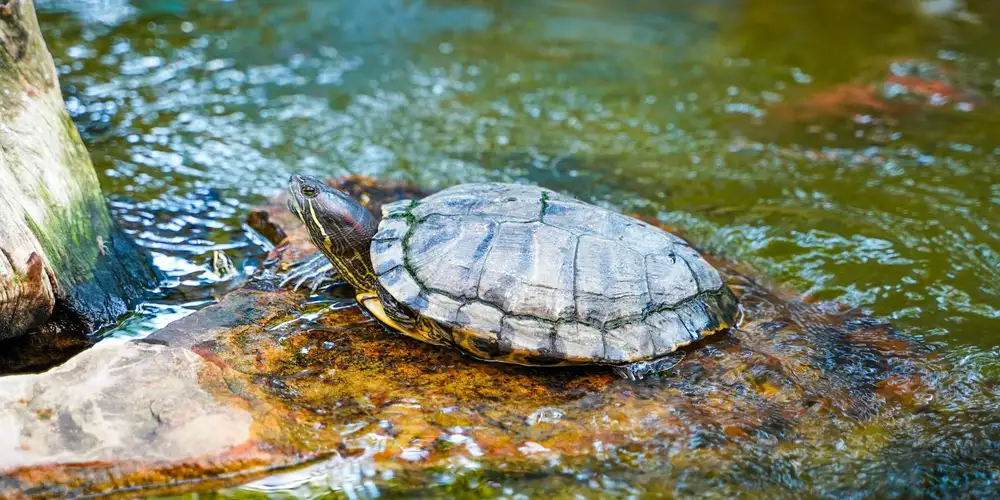
A turtle’s role in its ecosystem, its trophic level, is defined by what it eats. Some are primarily herbivores, grazing on plants, while others are omnivores, consuming a mix of plant and animal matter. Across species, turtle diets range from herbivory to omnivory, and some species are notably carnivorous. Thus, the question of whether turtles are herbivores, carnivores, or omnivores has no single answer; it depends on the species and habitat. In the wild, their diet is a constant hunt or forage, a dynamic interaction with their environment that provides a vast array of nutrients. Predators keep populations in check, while prey items fuel growth.
Replicating this varied, ecology-based diet is the cornerstone of captive health. Feeding the same commercial pellet every day is like serving the same sandwich for every meal-it lacks the rotational nutrition their bodies are designed to process.
- Leafy Greens: Dandelion greens, endive, and collard greens replicate the roughage of a wild herbivore’s graze.
- Edible Flowers: Hibiscus, nasturtiums, and rose petals provide vitamins and mimic natural foraging behavior.
- Protein Sources: For omnivorous species, earthworms, snails, and occasional feeder fish mirror the invertebrate and small prey they’d find.
- Calcium-Rich Items: Cuttlebone and dusted dark leafy greens are crucial for shell health, just as they would consume bones or mineral-rich soils in nature.
- Aquatic Plants: For aquatic turtles, duckweed and anacharis offer a direct link to their natural aquatic grazing habits.
My personal journey with diet adjustment has been a lesson in species-specific observation. My Greek tortoise, Bronte, thrives on a mostly herbivorous diet with the occasional snail, a treat that sparks her natural hunting instincts and provides essential protein. Conversely, my box turtle Orwell, a more dedicated omnivore, requires a more balanced 50/50 split of plant and animal matter to maintain his energy and brilliant shell coloration. Watching them tells you everything you need to know about what to offer next.
Health Risks and Disease Prevention
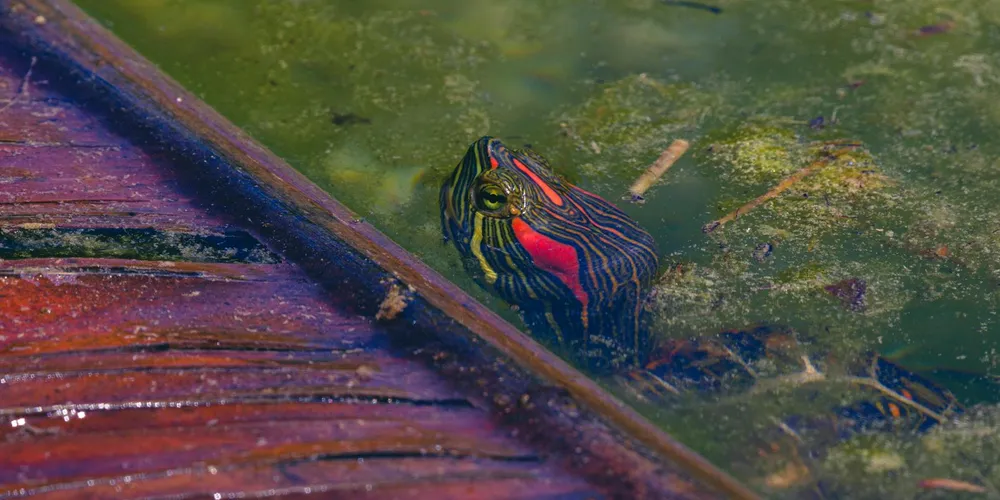
Wild turtles face threats like ranavirus, which causes skin ulcers and organ damage in populations I’ve studied. This virus doesn’t stay in the wild—it can infect captive turtles if we’re not careful, much like how my own Bronte once showed signs after exposure to an unquarantined newcomer. Zoonotic-disease guides show that diseases can pass between dogs, cats, and turtles through close contact, so quarantine and hygiene matter. If any pet shows signs after exposure, consult a veterinarian promptly. By understanding these risks, you can better shield your pets from similar outbreaks.
Drawing from wild disease research, here’s a quick health checklist to use daily:
- Watch for clear, alert eyes without swelling or discharge.
- Monitor eating patterns; a sudden drop in appetite worries me with Orwell.
- Inspect the shell for cracks, soft spots, or unusual discoloration.
- Check for normal breathing and no mucus around the nostrils.
- Note activity levels; lethargy often hints at underlying issues.
Quarantine new turtles for at least 30 days, as I do with any addition to my home. This simple step prevents disease spread, mirroring practices that protect wild groups from epidemics. Isolate them in a separate enclosure to keep your existing pets safe and healthy.
Conservation Genetics and Ethical Sourcing
Gene flow in wild turtles maintains diversity, but pet trade harvesting often imbalances sex ratios, reducing breeding success. Opting for captive-bred turtles helps sustain populations by lessening wild extraction and supporting genetic health. I’ve seen how this choice with Austen promotes resilience in species over time.
When picking a pet, seek out breeders who prioritize sustainability. My go-to advice is to ask for proof of captive breeding, like hatch records, to avoid fueling wild declines. Look for active, well-cared-for turtles from transparent sources.
Scientists use mark-recapture and telemetry to track movements and survival in studies. You can aid conservation by purchasing only from legal, reputable sellers and reporting any dubious trade practices. This approach honors the wild roots of creatures like Bronte without harming their natural homes.
Contributing to Turtle Conservation as a Pet Owner
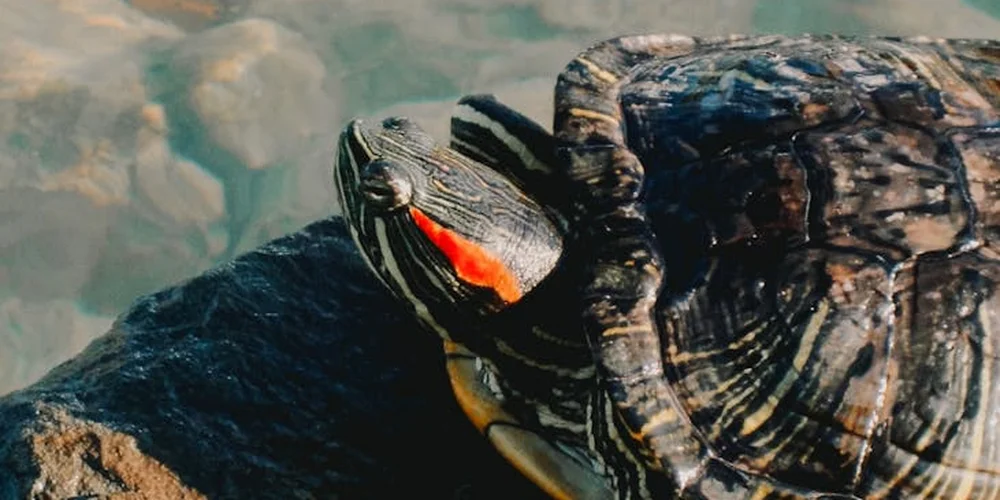
Your role as a pet turtle owner extends beyond daily care into meaningful conservation efforts. Simple habits like safeguarding habitats and backing conservation initiatives create ripples of positive change. Over the years with my turtles Austen, Bronte, and Orwell, I have seen how personal actions support broader ecological health.
Start by focusing on habitat protection right at home. Maintain secure enclosures to prevent escapes, which helps preserve local ecosystems from invasive species. I use native plants and natural substrates in my turtles’ habitats to mimic their wild environments safely. This approach reduces the risk of introducing non-native species if any turtle were to get out. This focus also helps create a bio-secure environment for your pet turtle. A clean, well-sealed enclosure minimizes exposure to pathogens while safeguarding nearby ecosystems.
Support conservation programs through donations or volunteer work. Organizations dedicated to turtle survival rely on community involvement to fund research and rescue operations. I regularly contribute to groups that work on habitat restoration, inspired by the steady presence of my Russian Tortoise Austen.
- Join platforms like iNaturalist to report turtle sightings and aid in population tracking.
- Explore resources from the Turtle Survival Alliance for updates on global conservation projects.
- Engage with local wildlife agencies for citizen science opportunities in your area.
Your pet care practices naturally align with reducing bycatch and climate change effects. Choosing captive-bred turtles over wild-caught ones lessens the demand that leads to accidental bycatch in fisheries. I ensured my Box Turtle Orwell was sourced ethically to avoid contributing to this issue. Addressing climate impacts begins with small steps, like using energy-efficient heating in enclosures to lower your carbon footprint. The graceful nature of Bronte reminds me that every mindful action helps protect their wild cousins from habitat shifts.
FAQs
Where can I find free resources on sea turtle population ecology?
You can access free books and PDFs on sea turtle population ecology through online archives like the Internet Archive. These resources provide valuable insights into wild turtle dynamics that can inform responsible pet care practices. They also cover the life cycle of sea turtles—from nesting and hatching to juvenile and adult stages.
What are some key facts about sea turtle population ecology?
Sea turtles face threats like habitat loss and bycatch, which impact their survival rates and genetic diversity. Understanding these facts helps pet owners appreciate the importance of ethical sourcing and conservation efforts. Knowledge of sea turtle biology—such as nesting, migration, and hatchling survival—guides targeted conservation actions. Protecting nesting beaches and reducing bycatch support healthy turtle populations.
How does recent research on sea turtle population ecology from 2021 apply to pet turtles?
Studies from 2021 highlight climate change effects on nesting sites and sex ratios due to temperature shifts. This knowledge encourages pet owners to mimic natural conditions in enclosures and support conservation initiatives.
Stewards of a Slow and Steady World
From my decade with Austen and the others, the most vital lesson is that proper habitat setup and a species-appropriate diet are the bedrock of a healthy pet turtle’s life. By replicating key elements of their natural ecology in your home, you provide the foundation for their long-term wellbeing. This means understanding how their turtle habitats differ between the wild and pet environments.
Committing to responsible pet ownership means pledging to never release a turtle and to always seek out new, reliable care information. Your dedication to continuous learning is the single greatest gift you can offer your shelled companion, ensuring their world remains as rich and secure as the one they evolved in.
Further Reading & Sources
- Sea Turtle Ecology and Population Dynamics in the Northeast
- Most Sea Turtles Rebounding Worldwide as Conservation Efforts Protect Nests and Habitat, Analysis Finds | NOAA Fisheries
- A pulse check for trends in sea turtle numbers across the globe – PMC
- Green Turtle | NOAA Fisheries
Matthew is a dedicated turtle enthusiast and conservationist with over 15 years of experience in reptile care. Known affectionately as "The Leatherback" among his peers, he combines his passion for turtles with a commitment to educating pet owners on responsible turtle care and environmental stewardship.
Understanding Turtle Behavior