
How Turtles Protect and Defend Themselves in the Wild
Published on: June 20, 2026 | Last Updated: June 20, 2026
Written By: Matthew The
Have you ever watched a turtle slowly amble across a path and wondered how such a gentle, unhurried creature possibly survives in a world full of predators? It’s a question that captivated me years ago, leading me to observe my own shelled companions, Austen and Bronte, for countless hours.
Their survival isn’t luck; it’s the result of a sophisticated, ancient toolkit of defenses. From their iconic shell to surprising behavioral tricks, turtles are masters of self-preservation. They have evolved remarkable strategies that go far beyond simply hiding in their portable home.
In this article, we’ll explore their primary defense methods: their incredible shell anatomy, deceptive camouflage, surprising speed in water, defensive biting, and clever escape behaviors.
The Shell: A Turtle’s Built-In Armor
A turtle’s shell is a marvel of biological engineering, far more complex than a simple helmet or shield. This bony structure is actually fused to their spine and ribcage, making it a permanent part of their skeleton. In turtle shell biology, researchers study how this fusion and the shell’s layered structure support movement and protect the organs. The top part, the carapace, and the bottom, the plastron, are covered in large, interlocking plates called scutes, which are made of keratin – the same protein that makes up our fingernails.
When danger looms, a turtle can pull its head and limbs completely inside this fortress. They tuck their necks in an S-shaped curve, pulling their head straight back, while their legs and tail seal the openings. It’s a swift, practiced motion that leaves no vulnerable parts exposed.
My Russian tortoise, Austen, is a master of this. If I approach too quickly while he’s grazing on dandelions, he lets out a soft hiss of air and vanishes into his shell in an instant. You’re left looking at a silent, immobile sculpture where a lively creature just was. Running your fingers over his shell afterward, you feel the surprising warmth of the sun-baked scutes and the intricate, puzzle-like seams between them.
Camouflage and Cryptic Coloration: Blending into Nature
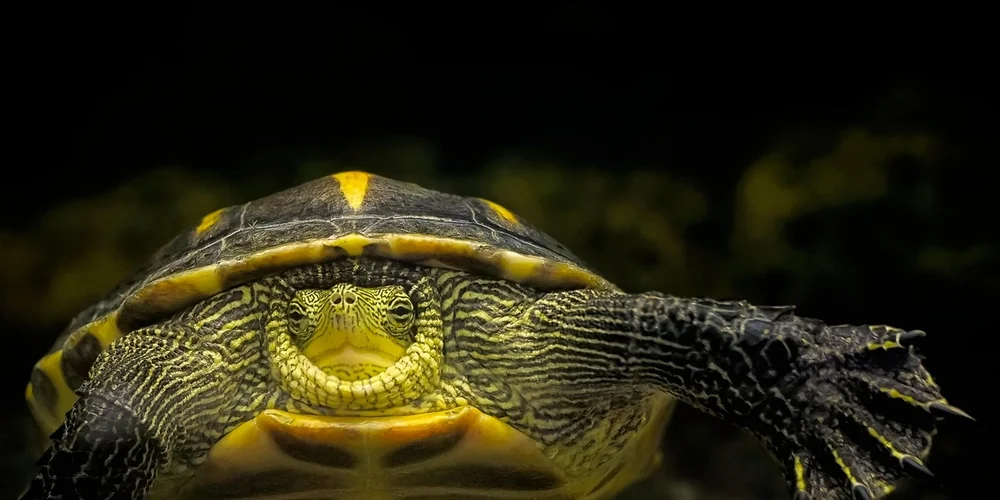
Turtles are artists of disguise, using their natural coloration to melt into their surroundings. Their shells are rarely a single, solid color; they are masterpieces of mottled browns, tans, olives, and blacks that mimic dappled sunlight, leaf litter, and soil. In science, these shell color patterns are a classic example of camouflage and evolutionary adaptation. Researchers study the pigments and microstructures that create the mottled look to understand how predators are fooled. This cryptic coloration breaks up their outline, making them incredibly difficult for predators to spot.
Beyond just color, their behavior enhances their camouflage. Many species will burrow slightly into loose soil or leaf mold. They settle into the substrate until their shell is flush with the ground, becoming just another bump in the landscape. Others will press themselves against the base of a plant or log, using shadows and vegetation to disappear.
In your pet turtle’s enclosure, you can support this instinct by providing plenty of hiding spots. I use a deep layer of cypress mulch for my tortoises to burrow into and offer half-log hides and clusters of edible plants like spider plants. This gives them the security to express natural behaviors.
My box turtle, Orwell, is the king of this strategy. I’ve spent minutes searching for him in his habitat, only to finally spot him perfectly still, his dark shell and yellow patterns looking exactly like a sun-flecked patch of earth. His complete stillness is his final, most effective layer of defense, proving that sometimes the best protection is simply not being seen at all.
Evasion and Escape: Swift Defensive Moves
Many people picture turtles as slow, but their evasion tactics can be surprisingly swift and effective. Their first line of defense is often to simply vanish from a threat’s line of sight.
Aquatic Escape Artists
For turtles like my Russian Tortoise, Austen, who enjoys a good soak, water is the ultimate escape route. When spooked, an aquatic turtle won’t hesitate. Do turtles need water to survive? While aquatic species rely on water for many essential activities, land tortoises like Austen still need regular access to fresh water for drinking and humidity.
- They perform a powerful, sudden dive, using their strong back legs to propel themselves deep into the water.
- Once submerged, they can swim with surprising speed to put distance between themselves and danger.
- They might also wedge themselves under a submerged log or root, using the environment as a shield.
Terrestrial Tactics
On land, the strategy shifts from swimming to hiding and digging. My Greek Tortoise, Bronte, is a master of this.
- Many species will immediately pull into their shells and freeze, relying on camouflage to become a “rock.”
- Others, like box turtles, can completely seal their shell, hiding all soft body parts from view.
- Burrowing is a common and effective tactic, with turtles using their strong legs to quickly dig into soft soil or leaf litter.
I’ve seen Bronte, who is usually so graceful, scramble with shocking speed into a favorite corner of her enclosure when a shadow passes overhead. This instinct to flee or hide is deeply ingrained, even in the safety of a home.
Biting and Aggressive Displays: When Turtles Fight Back
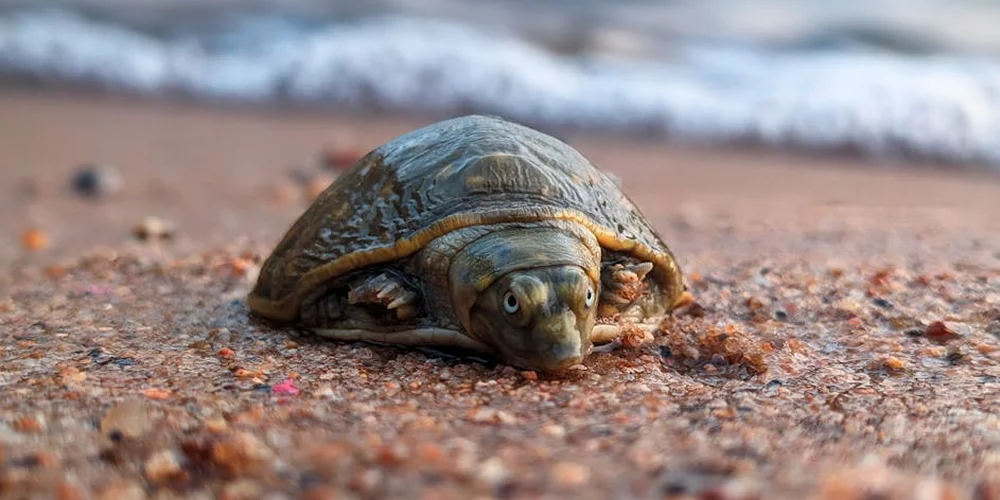
When evasion fails, a turtle’s demeanor can change in an instant. A bite is a last resort, but it is a powerful and effective one.
The Power of the Beak
A turtle’s beak is not for chewing food alone. It is a sharp, keratin-based tool that can deliver a painful pinch or a serious cut.
- This defense is typically used when a turtle feels cornered, grabbed, or handled improperly.
- Species like snapping turtles are famous for this, but even small pet turtles can and will bite if provoked.
- They often hiss loudly when they feel threatened, a clear auditory warning to back off.
Chemical and Visual Deterrents
Some turtles have an even more pungent way of saying “leave me alone.”
- Musk turtles, for example, can release a foul-smelling liquid from glands near their shell.
- This musk is designed to disgust predators and can be quite potent.
- Other displays include gaping their mouths wide to appear larger and more intimidating.
My box turtle, Orwell, once gave me a firm nip when I tried to adjust his hiding log while he was still inside. It was a clear reminder that even a reserved turtle needs to feel in control of its space. To avoid provoking a bite, always approach your turtle slowly from the front and support its entire body when you need to pick it up. Let them see your hand coming, and never startle them from above like a predator would.
Recognizing Defensive Behaviors in Pet Turtles
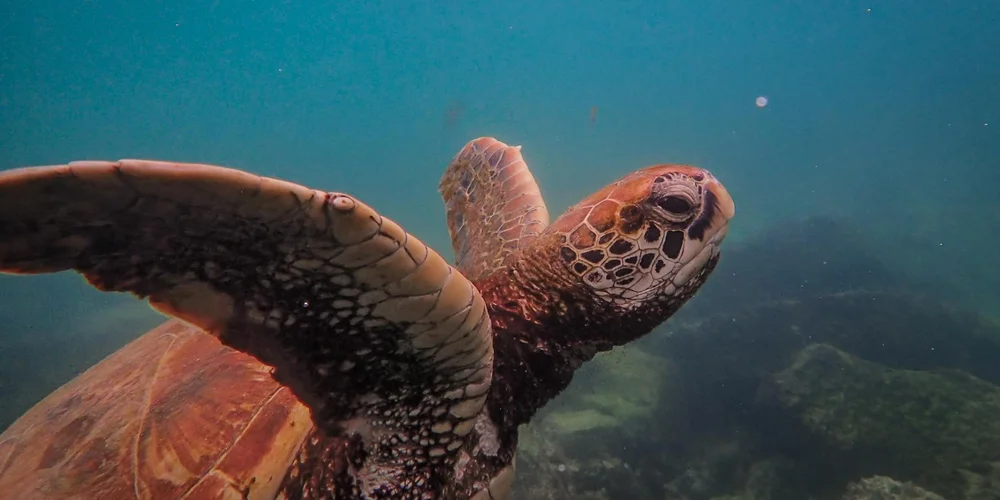
Watching your turtle’s behavior closely lets you spot when they feel threatened or uneasy. Early detection of stress signals can prevent health issues and build trust between you and your pet. If you’re unsure how to tell when a turtle is stressed, this guide can help. It outlines common signs and practical steps to calm and support your pet.
- Withdrawal: They pull their head and limbs tightly into their shell, avoiding interaction.
- Hissing: A sharp exhale sound made when they feel cornered or scared.
- Refusal to eat: Skipping meals often signals fear or discomfort in their environment.
- Rapid retreat: Quick movements to hide under rocks or in corners.
- Shell tapping: Light knocking sounds as they shift, showing agitation.
Interpreting body language helps you understand their mood without words. A tucked head and closed eyes often mean they need space, while slow, deliberate movements indicate calmness. For instance, my Greek Tortoise Bronte arches her neck gracefully when curious but flattens low to the ground if startled. Alarm cues like wide-eyed stares or frantic paddling in water species signal immediate distress.
From my years with multiple turtles, I’ve seen how personalities shape their reactions. Austen, my Russian Tortoise, withdraws slowly but steadily, while Orwell the Box Turtle hisses briefly before assessing the situation. Each species has unique tells; learning yours deepens your bond.
- Sit quietly at a distance for 10-15 minutes to observe without intrusion.
- Use soft, indirect lighting to avoid startling them with bright flashes.
- Limit handling to essential times, like health checks, to reduce anxiety.
- Note patterns over days-consistent hiding might mean enclosure issues.
Reducing Stress for Your Pet Turtle: Care Tips
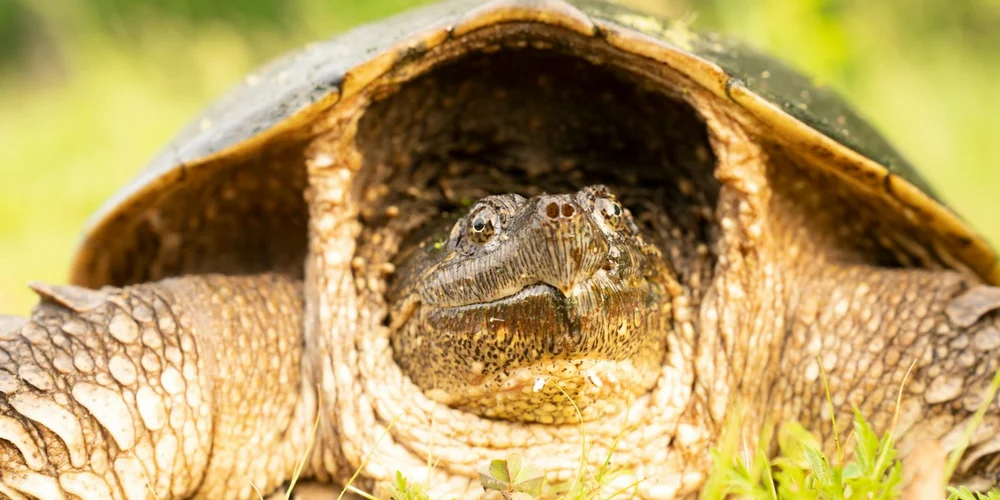
- Handle your turtle with flat, supportive hands, lifting gently from below to mimic solid ground. Avoid grabbing from above, as it triggers predator instincts. I’ve found that short, calm sessions with Austen help him stay relaxed during vet visits.
- Create enclosures with hiding spots like half-logs or plant cover, and use substrates like coconut coir to mimic natural digging. Adding shallow water dishes and varied textures encourages exploration and security. Bronte loves burrowing in soft soil, which reduces her stress significantly.
- Maintain consistent temperatures and humidity levels, offer a balanced diet with leafy greens, and clean habitats weekly to prevent illness. Regular routines in feeding and light cycles provide stability, lowering fear responses. Orwell thrives on a set schedule, eating eagerly when he feels safe.
- Prioritize their long-term welfare by observing changes and adapting care. Respecting their natural behaviors, like basking or solitude, fosters a happier, healthier life. Over a decade with my turtles has taught me that patience and attention to detail make all the difference.
FAQs
How do different turtle species vary in their defense strategies?
Species like snapping turtles use powerful bites as a primary defense, while box turtles can fully seal their shells for protection. Aquatic turtles often rely on swift diving and swimming, whereas terrestrial types may burrow or remain still to blend in.
What should I do if my pet turtle bites me?
Remain calm and avoid jerking away to minimize injury and stress for the turtle. Gently set the turtle down and clean the bite area with soap and water, then watch for any signs of infection or swelling. Turtles can bite humans, and the bite can be painful. To prevent bites, handle turtles calmly and keep fingers away from their mouths, using gloves or tools if needed.
Can a turtle’s shell be damaged, and how does that affect its defense?
Yes, shells can crack from trauma, weakening their armor and exposing the turtle to predators and infections. Prompt veterinary attention is essential to repair damage and restore its defensive capabilities. Whether a turtle’s shell can heal from cracks and injuries depends on the severity of the damage and the care provided.
How do baby turtles protect themselves compared to adults?
Baby turtles have softer, more flexible shells and depend heavily on hiding and camouflage for safety. They often use quick, evasive movements to escape threats until their shells harden with age.
Are there any environmental factors that influence a turtle’s defensive behavior?
Factors like loud noises, sudden temperature changes, or inadequate hiding spots can increase a turtle’s stress and defensive reactions. Maintaining a quiet, consistent habitat with plenty of cover helps them feel secure and less prone to defensiveness. When a turtle acts strange, it’s helpful to consult a simple turtle behavioral diagnostic checklist to note changes in activity, appetite, and basking patterns. This can help you determine whether stress, illness, or environmental factors are at play.
Cherishing Your Turtle’s Natural Wisdom
From observing my tortoise Austen’s gentle retreats, I’ve seen how turtles depend on their shells and instincts for safety. Mimic their wild defenses by offering secure hides and gentle handling to keep stress at bay. No matter how strong and hard a turtle’s shell is, it’s still essential to provide them with a safe environment.
Embrace your role in nurturing these ancient creatures through mindful care and ongoing learning. Stay curious about turtle behavior and habitat needs to foster a lifetime of trust and health. You can also train your pet turtle with gentle, reward-based cues to strengthen your bond. With patience, these small training moments can ease handling and daily care.
Further Reading & Sources
- seaturtle.org – FAQ : How to sea turtles defend themselves in the wild?
- Turtle Defense | PBS LearningMedia
- What Are Turtles’ Defenses? | Pets on Mom.com
- How Do Sea Turtles Protect Themselves? – Sciencing
Matthew is a dedicated turtle enthusiast and conservationist with over 15 years of experience in reptile care. Known affectionately as "The Leatherback" among his peers, he combines his passion for turtles with a commitment to educating pet owners on responsible turtle care and environmental stewardship.
Understanding Turtle Behavior