
Are Turtles Intelligent and Smart Animals?
Published on: July 12, 2026 | Last Updated: July 12, 2026
Written By: Matthew The
You might think turtles are just slow, simple creatures, but after a decade with my Russian tortoise Austen and others, I’ve seen their surprising smarts firsthand.
This article covers turtle intelligence signs, learning capabilities, memory feats, social behaviors, and welfare tips.
Defining Intelligence in Turtles
Intelligence in turtles isn’t about acing tests or playing chess; it’s their knack for solving everyday challenges in their slow, steady world. Think of it as practical smarts-how they navigate their environment, remember safe spots, and adapt to changes over time. From my decade with Austen, my Russian Tortoise, I’ve watched him master his enclosure’s layout, avoiding obstacles and finding his favorite basking rock with ease. This isn’t random wandering; it’s learned behavior that shows a clear mind at work.
We often measure animal intelligence by problem-solving and memory, and turtles excel in ways that might surprise you. Their cognitive abilities are tuned for survival, not speed, making every decision deliberate and purposeful. I’ve seen Bronte, my Greek Tortoise, pause and assess new objects in her space before approaching, a sign of thoughtful curiosity. This careful approach reflects a deep-seated intelligence that values caution and observation.
Defining turtle intelligence helps us appreciate their unique place in the animal kingdom. It’s not about comparing them to dogs or dolphins but recognizing their distinct, resilient way of thinking. Orwell, my Box Turtle, has taught me that intelligence can be quiet and reserved, yet profoundly effective in his daily routines. By understanding this, we can better support their welfare and enrich their lives in captivity.
Evidence of Turtle Cognition and Learning
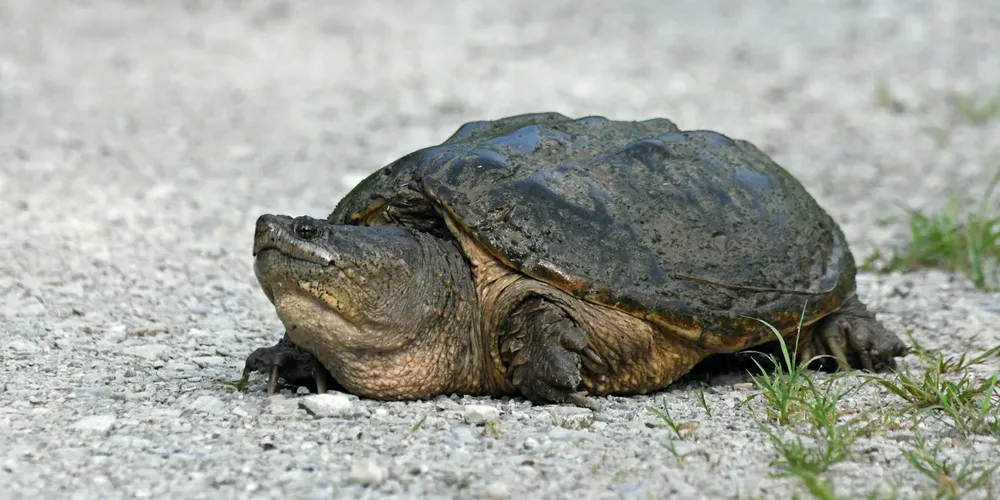
Turtles demonstrate clear signs of learning through repeated experiences and environmental interactions. They can associate specific sounds, like a food container opening, with mealtime, showing they form strong mental connections. In my care, Austen quickly learned that the rustle of leafy greens means dinner is near, and he’ll amble over without hesitation. This isn’t just instinct; it’s evidence of memory and anticipation at play. These responses illustrate turtle senses in action—how sight, hearing, and smell inform their learning. Perception, then, ties together cues from the environment with memory to guide future behavior.
Problem-solving is another area where turtles shine, especially in navigating obstacles or finding food. Studies and my own observations reveal that turtles can remember complex routes and adapt to new setups in their habitats. For instance, Bronte once figured out how to push aside a lightweight barrier to reach a hidden treat, a simple but smart solution that highlights her cognitive flexibility.
Social learning and recognition add to the evidence of their intelligence. Turtles often distinguish between familiar caregivers and strangers, responding with calmness or curiosity based on past interactions. Orwell, though reserved, perks up when I approach, suggesting he recognizes my presence and associates it with positive experiences. This bond underscores why ethical pet care matters—it respects their ability to form connections. Do pet turtles recognize their owners and show affection? They can recognize familiar caregivers and may respond with relaxed curiosity or seek out their presence, which many owners interpret as affection.
- Memory retention: Turtles recall feeding spots and safe hideouts over long periods.
- Adaptive behavior: They adjust to changes in temperature or enclosure layouts.
- Sensory cues: Responses to sounds, sights, and smells show learning in action.
Advocating for turtle welfare means acknowledging their cognitive capacities. Providing stimulating environments with varied textures and challenges supports their natural intelligence and prevents boredom. From my journey with these shelled companions, I’ve learned that respecting their minds is key to their happiness and health.
The Remarkable Turtle Memory
I’ve watched my Russian Tortoise, Austen, navigate our garden for years. He doesn’t just wander. He follows specific, memorized paths to his favorite sunny spots and hiding places. This isn’t random exploration; it’s a clear demonstration of powerful spatial memory that guides their daily lives.
Turtles form strong mental maps of their territory. They remember locations of food, water, and safe basking areas. This skill is vital for survival in the wild, and it translates directly to their life in our homes.
Their memory extends beyond simple geography. They recognize routines and the people who care for them. My Greek Tortoise, Bronte, will often start moving toward her feeding area when she hears the specific rustle of her food bag. This associative memory shows they connect specific sounds and sights with positive outcomes, a sign of cognitive processing.
Here are key ways their memory manifests:
- They remember complex routes through their habitat to find resources.
- They recognize their primary caretaker and may react differently to strangers.
- They learn daily routines for feeding, handling, and lights turning on/off.
- They can recall the location of hidden food for surprising lengths of time.
Problem-Solving and Behavioral Flexibility
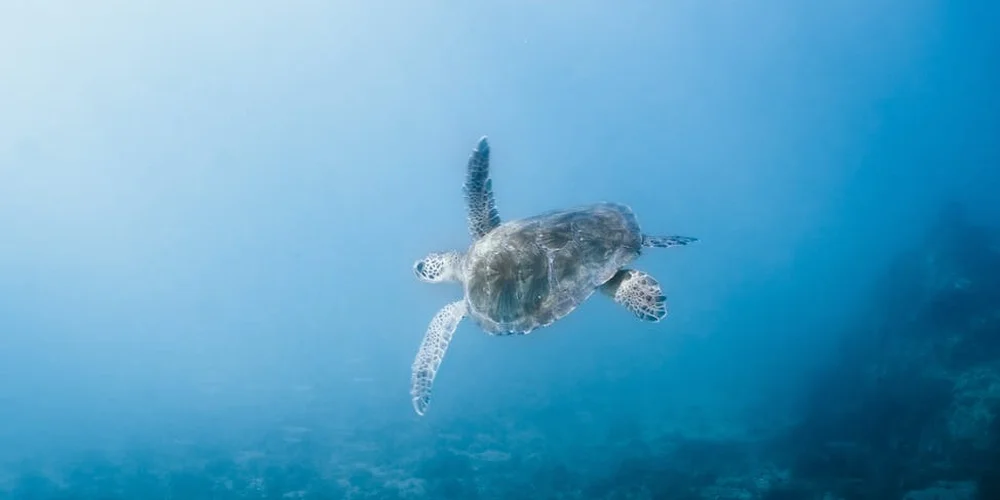
Intelligence isn’t just memory; it’s the ability to solve novel problems. I’ve seen this firsthand with my Box Turtle, Orwell. He once persistently nudged a small, lightweight rock against the base of a terrarium decoration. After several attempts, he used it as a step to climb onto the decoration itself. This wasn’t instinct; it was a calculated effort to overcome a physical obstacle.
Turtles exhibit behavioral flexibility, meaning they can adjust their actions to achieve a goal. They don’t just give up when the direct path is blocked. They try another way. If your turtle keeps trying to climb out, stop it by securing the enclosure. Create a safe, comfortable habitat to reduce escape attempts.
Their problem-solving is often rooted in persistence and observation. They will test the boundaries of an enclosure, not out of frustration, but to understand the limits of their world. Watching them work through a challenge is a lesson in quiet determination.
Consider these examples of their problem-solving skills:
- Figuring out how to tip over a food bowl to get to the last morsels.
- Using objects in their environment as tools or stepping stones.
- Learning to associate a specific color or shape of a container with food.
- Modifying their digging or climbing technique to suit a new substrate or obstacle.
Bronte, my Greek Tortoise, once spent twenty minutes meticulously rearranging the leaves in her enclosure to create a perfect basking spot. It was a slow, deliberate process of trial and error. This flexibility in manipulating their environment to increase their comfort is a brilliant, practical form of intelligence. It proves their minds are constantly working, assessing, and adapting.
Emotional Capacity and Inner World
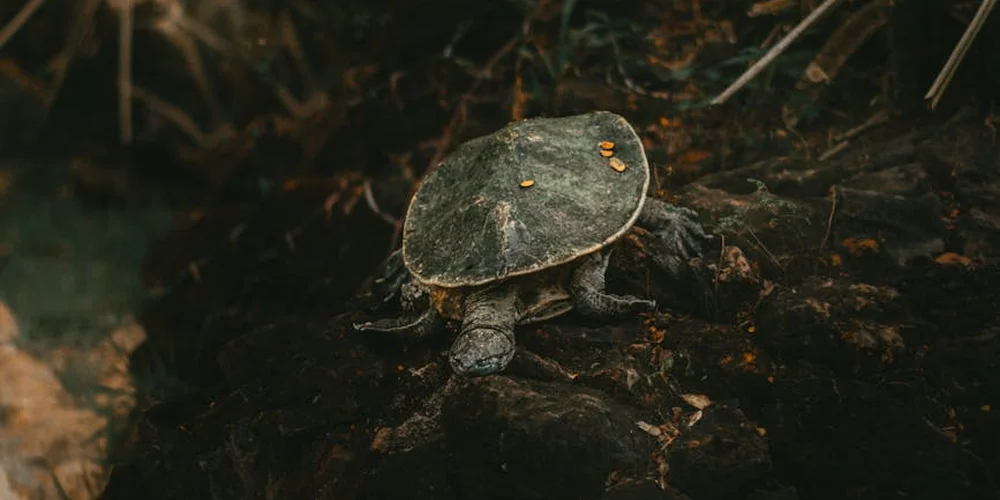
Many people wonder if turtles feel emotions like joy or stress, and from my years of caring for them, I can say they do have a rich inner life. Turtles express emotions through behaviors that you can learn to recognize with patience and observation. Coloration changes and other subtle body cues can reveal how they’re feeling, adding another layer to understanding their moods. For instance, my Russian tortoise Austen often basks calmly in the sun, showing contentment, while Orwell the box turtle hides when stressed, teaching me to respect their boundaries.
You might notice your turtle reacting to your presence or changes in their environment. Signs of positive emotions include active exploration and steady eating habits, whereas pacing or refusal to eat can signal distress. I’ve seen Bronte, my Greek tortoise, perk up when I offer her favorite leafy greens, a clear sign of preference and comfort. However, it’s essential to recognize when your turtle is stressed to provide timely care. Learn more about identifying stress in turtles and how to alleviate it.
- Contentment: Relaxed limbs, steady breathing, and basking for long periods.
- Stress: Hiding, hissing sounds, or reduced activity-always check for environmental triggers.
- Bonding: Slow approaches or following movements, which I’ve experienced with Austen over time.
Advocating for their welfare means tuning into these subtle cues to provide a safe, enriching habitat. By responding to their emotional needs, you help turtles thrive and reduce anxiety in their daily routines. I make sure to handle my pets gently and keep their enclosures consistent, as sudden changes can unsettle even the most steady tortoise.
Comparing Turtle Intelligence to Other Animals
When you compare turtle intelligence to animals like dogs or birds, it’s not about being smarter-it’s about adaptation. Turtles excel in survival-based intelligence, using instincts honed over millions of years to navigate their world. Unlike dogs that learn tricks for rewards, turtles like Orwell have solved simple puzzles in my care, such as nudging objects to reach food, showing problem-solving skills.
In my experience, turtles don’t socialize like pack animals, but they display memory and learning. For example, Bronte remembers the layout of her enclosure and avoids areas where she’s had negative experiences, similar to how cats learn from repetition. This contrasts with birds, which might mimic sounds, but turtles focus on spatial awareness and routine. That also raises questions about loneliness and social needs in pet turtles. While many turtles tolerate or prefer solo housing, some species may benefit from enrichment or companionship when done carefully.
- Memory: Turtles recall food sources and safe spots, as I’ve seen with Austen returning to the same basking area daily.
- Problem-solving: They can navigate obstacles, though slower than rodents or primates.
- Social intelligence: Less complex than in dogs, but they recognize caregivers over time.
Intelligence varies widely among species, and turtles shine in their resilience. Appreciating their unique smarts helps you provide better care, focusing on enrichment that matches their natural behaviors. I’ve found that offering varied textures and hiding spots keeps my turtles engaged, much like how dogs need toys but in a calmer, more deliberate way.
Caring for Your Turtle’s Mind

Seeing the gears turn in my tortoise Austen’s mind when he navigates a new obstacle is one of the great joys of being a keeper. Their intelligence isn’t just for observation; it’s a fundamental aspect of their welfare that we must actively support.
Create a Complex Habitat
A bare tank is a bored mind. In the wild, a turtle’s day is spent exploring, foraging, and problem-solving. Your job is to replicate that mental stimulation at home. That’s where turtle enrichment comes in. Here are 15 ways to prevent boredom in a turtle tank.
- Vary the Terrain: Use a mix of flat rocks, gentle slopes, and safe, bark-free soil substrates. My Greek tortoise, Bronte, will spend hours methodically navigating a new pile of smooth river stones.
- Offer Hiding Spots: Provide multiple hides, like half-logs or terracotta pots. This gives them a sense of security and control, reducing stress and encouraging natural exploratory behavior.
- Add Visual Interest: Placing non-toxic, sturdy plants (real or artificial) creates a more engaging environment that encourages movement and investigation.
Challenge Them With Food
Dropping food in a bowl is convenient, but it wastes a prime opportunity for mental exercise. I’ve watched my box turtle, Orwell, become a different, more alert animal since I started making him work for his meals.
- Scatter Feeding: Instead of a bowl, scatter their leafy greens and safe flowers throughout the enclosure. This triggers their natural foraging instinct.
- Puzzle Feeders: A simple puzzle can be a ball with holes that dispenses bits of fruit or a lettuce leaf tucked under a lightweight, movable object.
- Varied Presentation: Hang leafy greens from a clip so they have to tug at them, or wedge a favorite snack like a strawberry into a crevice in a rock.
Making mealtime a puzzle doesn’t just prevent boredom; it mimics the cognitive challenges they are evolutionarily designed to solve.
Engage in Gentle Interaction
Turtles are not cuddly, but they are observant. Positive, non-stressful interaction builds familiarity and provides mental stimulation.
- Hand-Feeding Treats: This builds a positive association with your presence. Offer a piece of dandelion green or a raspberry from your fingers, moving slowly and predictably.
- Supervised Exploration: In a completely secure and supervised area, allow your turtle to explore a new, safe room. Watch how they map their surroundings and investigate new textures.
- Respond to Their Cues: Learn your turtle’s personality. Austen will approach me when he’s curious, while Orwell prefers to watch from a distance. Respecting their individual comfort levels is key to a trusting relationship.
Recognizing your turtle as a thinking, feeling individual is the first and most important step in providing exceptional care. A mentally engaged turtle is a healthier, more content turtle, and witnessing their unique problem-solving skills is a truly rewarding experience.
FAQs
Are turtles intelligent?
Yes, turtles demonstrate intelligence through problem-solving and memory, such as learning routines and navigating their environment. Their cognitive skills are adapted for survival, not complex tasks like those of more social animals.
How does turtle intelligence compare to human intelligence?
Turtle intelligence is fundamentally different from human intelligence, focusing on instinctual survival rather than abstract reasoning or language. While turtles excel in spatial memory and adaptation, humans possess advanced cognitive abilities for innovation and communication.
Is a turtle’s intelligence similar to a dog’s?
Turtles and dogs have distinct types of intelligence, with dogs being more trainable and social, while turtles rely on environmental awareness and persistence. Both can learn from experiences, but turtles exhibit slower, more deliberate problem-solving suited to their solitary nature.
Your Journey with a Clever Companion
Observe your turtle’s unique behaviors and problem-solving skills to appreciate their intelligence, and enrich their habitat with varied stimuli to keep their minds engaged. From watching my tortoises, Austen and Bronte, navigate their enclosures with purpose, I’ve learned that a stimulating environment brings out their natural curiosity and adaptability.
Commit to responsible pet ownership by prioritizing your turtle’s welfare through proper diet, habitat, and regular health checks. Keep exploring new insights on pet turtle care, as ongoing learning deepens your bond and ensures your shelled friend thrives under your thoughtful guardianship, especially when considering the ethical aspects of their care.
Further Reading & Sources
- r/turtle on Reddit: How smart are turtles
- How Smart Are Turtles? Everything We Know About Their Intelligence – A-Z Animals
- Are Turtles Smart? 4 Interesting Displays of Intelligence (Vet Answer) | Hepper Pet Resources
- How Intelligent Are Turtles? Instincts & Learning Ability | PangoVet
Matthew is a dedicated turtle enthusiast and conservationist with over 15 years of experience in reptile care. Known affectionately as "The Leatherback" among his peers, he combines his passion for turtles with a commitment to educating pet owners on responsible turtle care and environmental stewardship.
Understanding Turtle Behavior