
Do Turtles Make Noise and Vocal Sounds?
Published on: July 13, 2026 | Last Updated: July 13, 2026
Written By: Matthew The
You might assume turtles are silent, but they do produce sounds, and if you’ve ever heard a strange noise from your pet, it’s natural to wonder if it’s normal or a sign of distress. From my years with Austen, Bronte, and Orwell, I’ve observed gentle hisses and soft clicks that reveal their unique ways of communicating.
In this article, we’ll cover: common turtle sounds, when and why they vocalize, what noises mean for health, and caring tips based on personal experience.
The Quiet World of Turtles: An Introduction to Reptile Vocalizations
Many people assume turtles live in complete silence, but after years of caring for species like Russian and Greek tortoises, I’ve found their soundscape is more nuanced than you might think. Turtles do produce noises, though they are often soft and easy to miss if you’re not paying close attention. Unlike birds or mammals, reptiles like turtles rely less on vocal cords and more on other methods, such as hisses or clicks, to express themselves. In my experience with Austen, my gentle Russian Tortoise, I’ve learned that these sounds are tied to their emotions and environment, not just random occurrences.
Reptile vocalizations are generally subtle because turtles lack the complex larynx structures found in many other animals. This doesn’t mean they’re silent; instead, their sounds serve specific purposes like signaling distress or contentment. For instance, Orwell, my reserved Box Turtle, once made a low grunt when feeling threatened, which taught me to approach him more calmly. By tuning into these cues, you can better understand your pet’s needs and advocate for their welfare by reducing stress in their habitat. To explore the full range of sounds turtles make, this complete guide to turtle vocalizations outlines common noises, what they signal, and practical tips for responding. It helps you interpret your turtle’s cues and keep their environment calmer.
Decoding the Sounds: Common Turtle Noises and Their Meanings
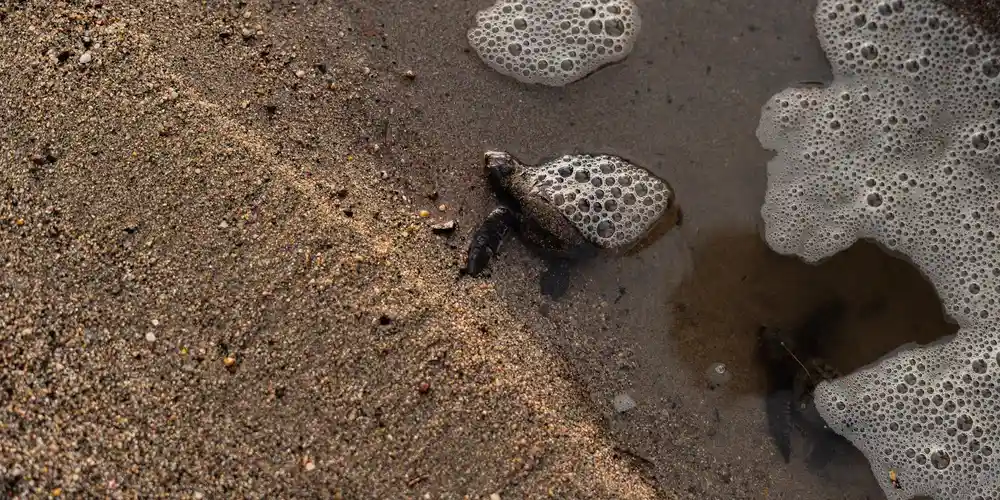
Recognizing what different turtle sounds mean can transform how you interact with your pet. Each noise has a context, and interpreting them correctly helps ensure your turtle feels safe and healthy. Based on my observations with Bronte, Austen, and Orwell, here’s a breakdown of common vocalizations and their typical meanings, along with other box turtle behaviors to watch for.
Hissing Sounds
Hissing is one of the most frequent noises turtles make, often when they retract into their shells. This sound usually indicates fear or a defensive reaction, not aggression. When Austen hisses, it’s his way of saying he needs space, so I give him time to relax before handling.
Clicking or Clucking
Clicking noises can signal curiosity or excitement, especially during feeding. Bronte, my graceful Greek Tortoise, makes soft clicks when she’s exploring her enclosure, which I interpret as a sign of contentment. It’s a gentle reminder that a stimulating environment keeps turtles engaged and happy.
Grunting or Groaning
Grunts are deeper sounds that may occur during movement or if a turtle feels discomfort. Orwell’s occasional groans taught me to check for habitat issues, like improper substrate or temperature, to prevent health problems. Always monitor these sounds closely, as they could point to underlying needs.
- Hissing: Often means fear or defense; give your turtle space.
- Clicking: Can indicate curiosity or happiness; observe their behavior for clues.
- Grunting: Might signal discomfort; review their habitat and diet.
By listening to these vocal cues, you’re not just decoding sounds-you’re building a deeper bond with your pet. Pay attention to patterns over time, as each turtle, like my thoughtful Bronte, has unique ways of communicating. This approach supports animal welfare by helping you respond proactively to their well-being.
Why Turtles Hiss: It’s Not Always What You Think
Many new turtle owners are startled the first time they hear a sharp hiss from their pet. This sound is almost always a simple, physical reaction to being handled or feeling threatened. When a turtle pulls its head and limbs quickly into its shell, it forces air out of its lungs, creating that signature hissing noise. It’s a byproduct of their defense mechanism, not a vocalization of anger.
From living with my Russian tortoise, Austen, I’ve learned to read the context. A quick hiss as he retreats into his shell tells me he needs a moment to feel secure again. I give him space, and he usually reemerges when he’s ready.
Is That Hissing a Sign of Sickness?
While most hissing is normal, a change in its pattern can be a red flag. Constant, labored hissing or any hissing accompanied by wheezing, bubbles from the nose, or lethargy is a serious concern. This can point to a respiratory infection, which requires immediate veterinary attention.
Here is a quick guide to help you differentiate:
| Normal Hissing | Concerning Hissing |
|---|---|
| Occurs only during handling or sudden movement | Happens frequently while the turtle is at rest |
| Sound is short and sharp | Sound is raspy, prolonged, or sounds wet |
| Turtle is otherwise active and eating normally | Accompanied by nasal discharge or swollen eyes |
My box turtle, Orwell, once had a respiratory infection. The key difference was a faint, clicking sound with each breath, a clear sign his hissing wasn’t just behavioral. Prompt treatment made all the difference.
Love in the Air: Mating Calls and Noises

The world of turtle courtship is surprisingly vocal. During mating season, you might hear a variety of unique sounds that are completely separate from defensive hissing. These are intentional vocalizations used for communication. Understanding how these signals translate in aggressive encounters helps explain turtle fighting and slapping behavior, and what those actions mean. In moments of competition, vocal cues can accompany postures to convey intent.
Male turtles are often the more vocal partners. You may hear gentle clucking, cooing, or even a low-pitched grunting as part of their courtship ritual. My Greek tortoise, Bronte, makes a soft, repetitive clicking sound when she’s most active and interested in her surroundings during the spring.
- Clucking or Cooing: Soft, repetitive sounds often made by males when pursuing a female.
- Grunting or Bellowing: Deeper sounds that can accompany the mating act itself.
- Squeaking: Sometimes heard from females, potentially to signal disinterest or to adjust position.
These sounds are a natural part of their life cycle. Observing these behaviors is a sign your turtles are healthy and their environment supports their natural instincts. It’s a fascinating glimpse into their complex social world. Likewise, understanding turtle body language and coloration changes can reveal mood, health, or stress. Learning to read these cues helps you better understand what your turtles are communicating.
The Night Shift: Do Turtles Make Noise After Dark?

You might hear a gentle scraping or rustling from your turtle’s enclosure long after you’ve turned off the lights. This nocturnal activity is often completely normal and stems from their natural instincts. So you might wonder: are turtles nocturnal, or do they simply have varied sleep cycles? Understanding turtle sleep patterns can help you interpret these nighttime movements. My Russian tortoise, Austen, sometimes decides 2 AM is the perfect time for a slow, deliberate patrol of his territory.
Many turtle species are crepuscular, meaning they are most active during dawn and dusk, which can easily spill over into the night.
- Exploratory Sounds: You may hear the soft scrape of their shell against a hide or the rustle of substrate as they dig a shallow resting spot.
- Hydration Runs: A late-night trip to the water dish can create subtle splashing sounds.
- Restless Shifting: Just like us, they readjust in their sleep, which can produce faint scratching noises.
True, loud, or distressed vocalizations in the dark are rare. If you hear persistent, loud clicking, wheezing, or what sounds like labored breathing, it’s time to pay closer attention. That kind of noise isn’t part of their typical nightly routine.
When Sounds Signal Trouble: Health and Husbandry
While many turtle sounds are harmless, some are your pet’s only way of telling you something is wrong. Learning to differentiate between a quirky behavior and a cry for help is a crucial part of responsible ownership. I’ve learned to listen closely to my crew, as their sounds have guided me to improve their care. When a turtle acts strange, I rely on a simple behavioral diagnostic checklist to help pinpoint why. This quick guide prompts me to assess habitat, health signals, and daily routines to distinguish stress from illness.
Breathing Sounds: Normal Panting or a Red Flag?
A turtle’s breathing should be virtually silent. If you can hear it without putting your ear right up to them, it’s worth investigating.
Normal breathing might include an almost imperceptible, slow opening and closing of their nares (nostrils), but it shouldn’t make a sound. After a lot of movement, you might see them panting slightly with their mouth open, similar to a dog, but this should be brief.
Here are sounds that indicate a potential problem:
- Wheezing or Whistling: This often points to a respiratory infection. The sound is caused by mucus or inflammation in their airways. It’s the most common serious sound I’ve encountered.
- Clicking or Gurgling: These wet, bubbly noises can suggest fluid in the lungs, a serious condition that needs immediate veterinary care.
- Persistent Open-Mouth Breathing: If they are consistently breathing with their mouth open and you hear a rasp, it’s a significant red flag for respiratory distress.
If you hear any of these, check your husbandry first. Incorrect temperature or humidity is a leading cause of respiratory issues in turtles and tortoises. Ensure their habitat’s gradient is correct and that they have a proper basking area to regulate their body temperature effectively.
Caring for a Vocal Turtle: Your Role as a Keeper
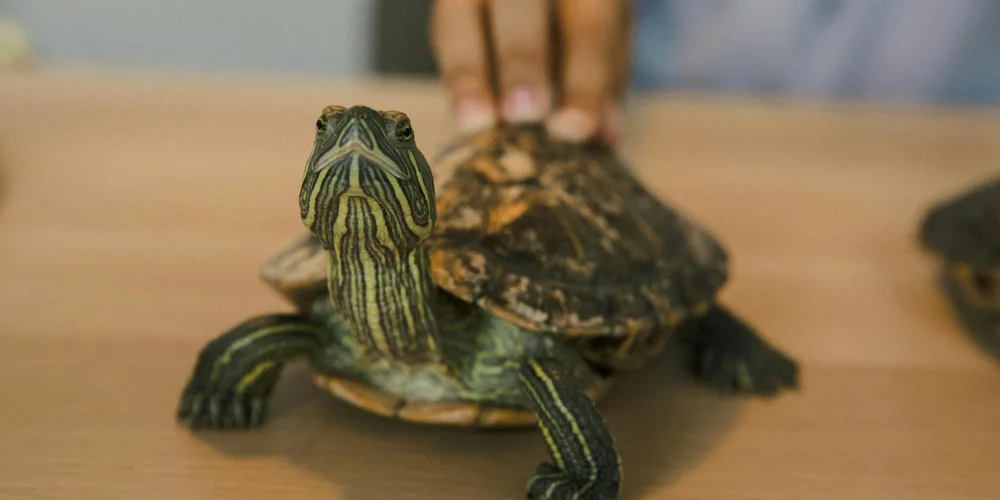
When my Russian tortoise, Austen, lets out a quiet, wheezy hiss as I refill his water dish, I know he’s not angry. That sound is his way of communicating a simple, immediate need. Recognizing and responding to these vocal cues is a fundamental part of responsible turtle guardianship.
Interpreting Common Turtle Sounds
Your turtle’s sounds are a direct line to their well-being. Learning this language transforms your care from basic maintenance to a true partnership. Learn how to tell if your turtle is stressed and what you can do to help. Early recognition makes a big difference in their comfort and health.
- The Hiss: This is the sound you’ll hear most often. It’s not typically aggression. It’s simply air being rapidly expelled from their lungs as they retract into their shell. My Greek tortoise, Bronte, does this every time she’s startled by a sudden shadow.
- Clucking or Chirping: These softer sounds, often heard during feeding or exploration, can indicate contentment or mild excitement. It’s their version of a happy hum.
- Whistling or Wheezing: Pay close attention here. While a faint whistle can be normal, a persistent, labored wheeze is a major red flag. This often signals a potential respiratory infection, which requires immediate veterinary attention.
- Bubbling or Gurgling: Sounds from the nose or mouth, especially if accompanied by bubbles, are serious. This almost always points to a respiratory illness.
Your Action Plan for Noisy Behavior
Hearing your turtle vocalize means it’s time to become a detective. Your observations are the first and most critical step.
- Assess the Context: What was happening right before the sound? Was it during handling, feeding, or while they were completely alone? Context provides the biggest clue.
- Check the Environment: Verify the habitat temperature and humidity levels are correct for your species. Incorrect settings are a common source of stress and illness.
- Observe for Other Symptoms: Look for lethargy, a lack of appetite, swollen eyes, or mucus around the nose and mouth. Sounds rarely happen in a vacuum; other symptoms complete the picture.
- Consult an Exotic Veterinarian: When in doubt, especially with whistling or gurgling, seek professional help. Reptile medicine is specialized, and early intervention saves lives.
Creating a Comfortable, Low-Stress Habitat
The best way to handle vocalizations is to prevent those caused by stress or poor health. A proper habitat is your strongest tool.
- Provide multiple hiding spots so your turtle feels secure.
- Ensure a proper thermal gradient with a warm basking area and a cooler zone.
- Maintain clean, fresh water at all times for drinking and soaking.
- Offer a varied, species-appropriate diet to support overall health.
My box turtle, Orwell, once started making a faint clicking noise. By tracking the sound to his feeding time, I realized it was his excitement for earthworms. This small discovery deepened our bond. Your attentive care turns random noises into meaningful conversations.
FAQs
Do turtles make noise?
Yes, turtles can produce a variety of sounds, including hissing, clicking, and grunting. These noises are often linked to their emotions, environment, or specific behaviors. Through this vocal activity, turtles rely on their senses—especially hearing and vibration sensing—to perceive their surroundings and communicate with others. Sensing sound and vibrations helps them detect danger, find mates, and interpret their environment.
Why do turtles make a noise like air escaping?
This sound is usually a hiss caused by air being expelled as they quickly retract into their shells. It typically signals fear or a defensive response rather than intentional vocalization.
Do turtles make noise at night?
Turtles may create soft sounds at night, such as rustling or scraping, due to normal nocturnal activity. Loud or persistent noises, however, could indicate stress or health problems that need attention.
Do turtles make noise when mating?
Yes, turtles often vocalize during mating with sounds like clucking, grunting, or cooing. These are natural courtship calls that reflect their reproductive behavior and well-being. Snapping turtles, in particular, provide a clear window into reptile behavior biology. Researchers study how signals, posture, and environmental cues shape their mating interactions.
Can turtles make noise while sleeping?
Turtles might emit faint noises while sleeping, such as light breathing or shifting sounds. If these become loud or labored, it could point to respiratory issues or discomfort requiring a vet check.
Listening Closely to Your Shelled Friends
From caring for my tortoises like Austen and Bronte, I’ve noticed they use subtle sounds to share their feelings, such as hissing when stressed or gentle clicks during feeding. By tuning into these noises, you can better understand and meet your turtle’s unique needs—especially considering how turtles hear.
Responsible pet ownership means committing to lifelong learning about species-specific care and welfare. Keep exploring new resources and observing your turtle’s behaviors to ensure a happy, healthy life together.
Further Reading & Sources
- Turtle Vocalizations Reframe Origins of Auditory Communication | The Scientist
- Turtle Vocalizations as the First Evidence of Posthatching …
- Turtle vocalizations – YouTube
- Singing sea turtles among dozens of vocal animal species once thought to be silent – CBS News
Matthew is a dedicated turtle enthusiast and conservationist with over 15 years of experience in reptile care. Known affectionately as "The Leatherback" among his peers, he combines his passion for turtles with a commitment to educating pet owners on responsible turtle care and environmental stewardship.
Understanding Turtle Behavior