
Can Turtles See Color? Unraveling Turtle Vision Myths
Published on: July 13, 2026 | Last Updated: July 13, 2026
Written By: Matthew The
Have you ever watched your turtle curiously eye a colorful object and wondered if they perceive the world in full color or shades of gray? Many pet owners worry that colorblindness could limit their turtle’s experiences, making their habitats less engaging or even stressful.
In this article, we’ll explore: turtle color vision capabilities, scientific evidence on their sight, how it affects behavior and care, and tips for enhancing their environment based on visual needs.
Introduction to Turtle Vision
When you look into your turtle’s eyes, you might wonder what the world looks like from their perspective. Their vision is a finely tuned system, evolved over millions of years to help them survive and thrive in their specific environments. From my own observations, my Russian tortoise, Austen, can spot a piece of red strawberry from across his enclosure long before he notices the green leaf it sits on.
Turtle eyes are complex organs. They possess a high number of specialized cells called cones in their retinas, which are directly responsible for color detection. This biological setup is a strong initial clue that their world is far from monochrome. Their ability to perceive detail might not be as sharp as ours, but their vision excels in other critical areas.
Are Turtles Colorblind? The Truth About Color Perception
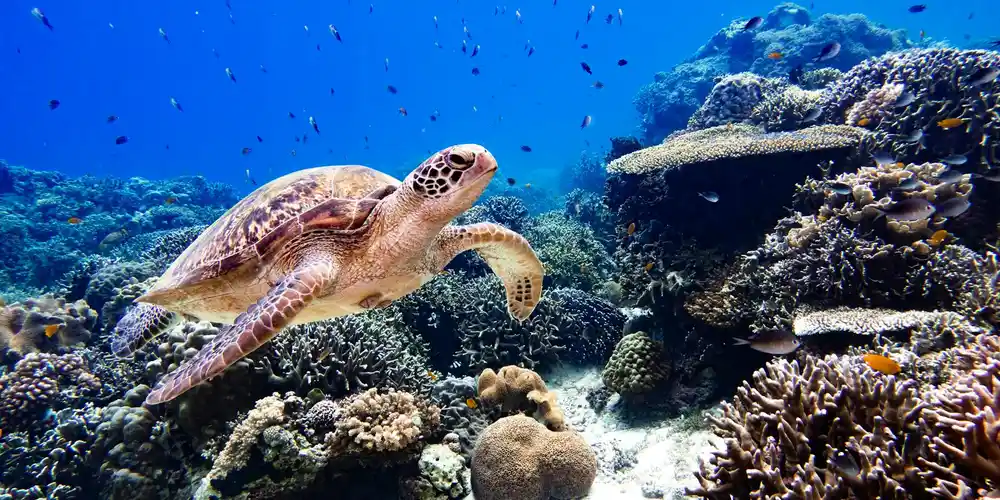
The simple and fascinating answer is no, turtles are not colorblind. Scientific research confirms that most turtle species possess tetrachromatic vision, meaning they have four types of color receptors (cones) in their eyes. In contrast, humans are typically trichromatic, with only three. This gives turtles a potential color range we can only imagine. And when it comes to the colors of their shells, those hues may be experienced very differently by turtles themselves. Their shell colors and patterns could play a role in camouflage, signaling, or mate choice in ways we only begin to understand.
Think of it like this: where we see a basic rainbow, a turtle likely sees a much richer, more vibrant spectrum. They are believed to see into the ultraviolet range, a part of the light spectrum completely invisible to us. This ability isn’t just for show; it’s vital for their survival. It helps them locate the ripest, most nutritious fruits, identify potential mates by subtle shell or skin colorations we might miss, and navigate their world with a unique sensory map.
From my experience with my box turtle, Orwell, his attraction to brightly colored foods is undeniable. He will consistently choose a yellow squash flower or a red berry over a piece of pale lettuce. This isn’t a coincidence. Their color vision is a powerful tool that directly influences their feeding behavior and dietary choices. For those curious about other species, do painted turtles eat similarly, and what does an aquatic turtle nutrition guide recommend for their diets? A reliable guide on aquatic turtle nutrition can help tailor a balanced menu.
Here is a quick comparison of what this means in practice:
- Human Vision: We see combinations of red, green, and blue light.
- Turtle Vision: They see combinations of red, green, blue, and ultraviolet light.
- Result: A flower that looks uniformly yellow to us might have intricate ultraviolet patterns guiding a turtle to its nectar.
So, when you are setting up your turtle’s habitat or choosing their food, remember you are designing for a creature that sees a more colorful world. Providing a variety of naturally colored foods isn’t just good nutrition; it’s visual enrichment for an animal that appreciates the palette. To support this, source fresh, pesticide-free produce and prepare it properly for your turtle. This keeps meals varied and nutritionally balanced.
How Turtles See: Eye Anatomy and Visual Capabilities
Looking into the eyes of my Russian tortoise, Austen, I’ve often wondered what his world looks like. Turtle eyes are complex organs with structural adaptations that give them a visual experience far different from our own. They possess a high density of cone cells in their retinas, which are the photoreceptors responsible for color vision in bright light.
Unlike humans, who are trichromatic (seeing in three primary colors), most turtles are tetrachromatic. This means they have four types of cone cells, allowing them to perceive a broader spectrum of colors, including ultraviolet light. This extra dimension to their sight is like seeing a world painted with colors we can’t even imagine. In turtles’ senses and perception, vision works together with smell, touch, and even magnetic cues to guide behavior and navigation.
Their eyes also contain special oil droplets in front of the cone cells. These droplets act like filters, sharpening color discrimination and reducing glare, which is incredibly useful for a creature that often basks in bright sun. This combination of extra cones and oil filters gives turtles exceptional color vision, crucial for finding food, choosing mates, and navigating their environment.
Species Differences in Turtle Color Vision
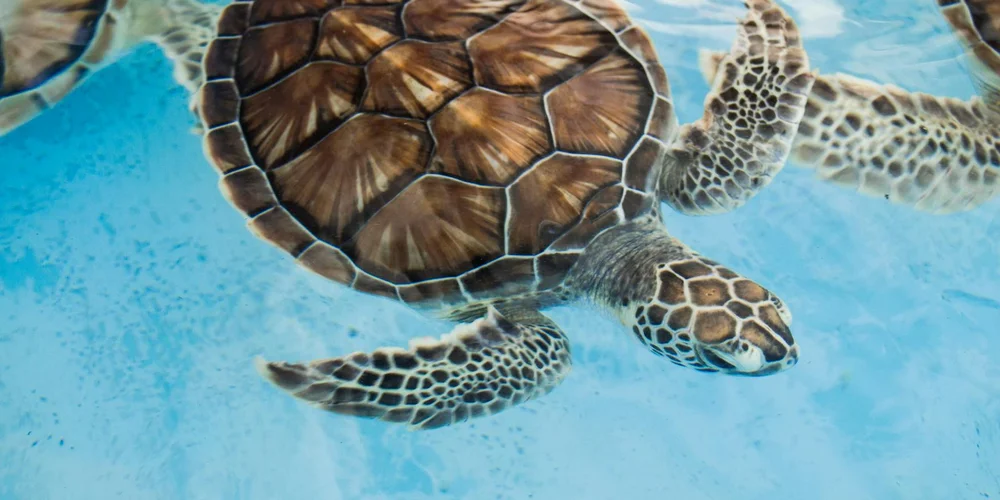
Not all turtles see the world in the same vibrant palette. Visual capabilities are deeply shaped by a species’ habitat and lifestyle, creating fascinating variations across the turtle family. My aquatic and terrestrial turtles perceive their surroundings quite differently.
Aquatic turtles, like the popular Red-Eared Slider, have vision fine-tuned for life in the water.
- They are exceptionally good at distinguishing colors in the green and blue spectrum, which helps them spot food and predators in murky or deep water.
- Their vision is adapted to handle the way light refracts and changes color as it passes through water.
In my experience, my box turtle, Orwell, demonstrates the traits of a land-dweller.
- Terrestrial species like box turtles and tortoises often have vision biased towards the red and yellow end of the spectrum.
- This helps them identify ripe, red fruits, nutritious flowers, and other food sources on land.
- Their color perception is vital for recognizing the specific shades of green that indicate the most tender and edible plants.
Diurnal (active during the day) versus nocturnal species also shows a clear split.
- Day-active turtles rely heavily on their advanced color vision for all daily activities.
- Nocturnal turtles may trade some color perception for more rod cells, which are better for seeing in low light, making their world less about color and more about contrast and movement in the dark.
Practical Tips for Pet Turtle Care Based on Vision

Turtles perceive colors vividly, which means you can use this to enhance their daily life and feeding routines. Choosing brightly colored foods like red bell peppers or orange carrots can make meals more enticing and stimulate their natural foraging instincts. I often watch Austen, my Russian Tortoise, eagerly approach anything with a warm hue in his dish. It’s especially helpful when trying to get a stubborn turtle to eat vegetables.
Incorporate safe, colorful elements into their habitat to keep them engaged and reduce stress. Adding non-toxic plants or decor in greens and yellows mimics their wild environment and supports mental well-being. Bronte, my Greek Tortoise, seems to enjoy basking near a patch of artificial ivy I placed in her enclosure.
- Offer a variety of colorful vegetables to ensure a balanced diet and visual appeal.
- Use UVB lighting that supports their color vision and overall eye health, replacing bulbs every 6-12 months.
- Avoid overly bright or flashing lights that could cause discomfort or stress.
Monitor how your turtle responds to different colors to tailor their care. Noticing subtle cues, like increased activity around certain shades, helps you create a more personalized and comforting space. With Orwell, my Box Turtle, I’ve learned he’s calmer with earthy tones around his hiding spots.
When to Check Your Turtle’s Eye Health
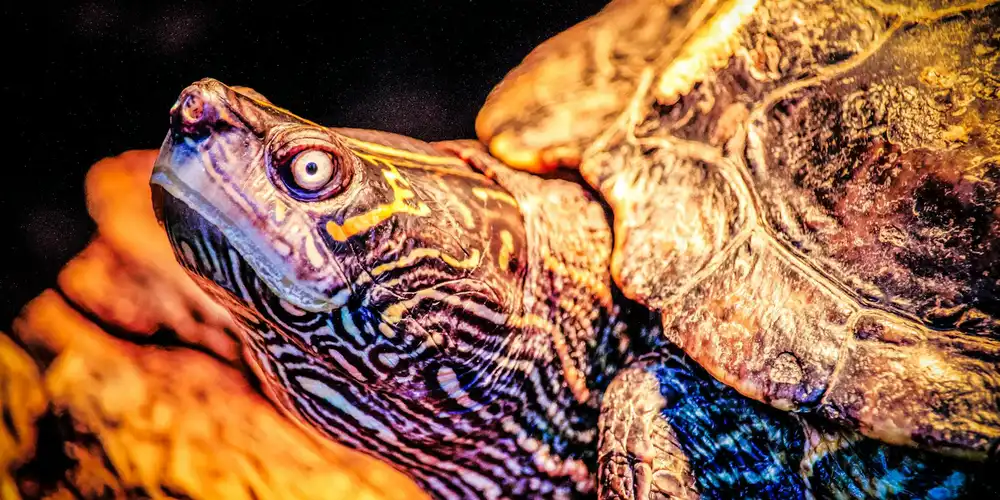
Regular eye checks are a simple yet vital part of preventing issues and ensuring your turtle’s comfort. Inspect their eyes during routine handling or feeding sessions to catch early signs of trouble without causing extra stress. I make it a habit to gently examine Austen’s eyes every time I refresh his water bowl. Knowing what to look for can tell you when a vet visit is needed. If you notice persistent redness, swelling, discharge, or cloudiness, these are signs your turtle may need to see a veterinarian.
Look for changes in appearance or behavior that might indicate a problem. Cloudiness, swelling, or discharge are red flags that warrant immediate attention from a reptile veterinarian. When Bronte once had slight puffiness, a quick vet visit cleared it up before it worsened.
- Check eyes weekly for clarity and any unusual secretions.
- Note if your turtle rubs its eyes frequently or avoids light, as this could signal irritation.
- Ensure their habitat is clean to reduce the risk of infections from bacteria or debris.
Advocate for your turtle’s welfare by staying proactive with health monitoring. Catching eye issues early not only preserves their vision but also strengthens the bond you share through attentive care. Orwell’s reserved nature means I have to be extra observant, but it’s worth it for his long-term happiness.
FAQs
Can turtles see in the dark?
Turtles have limited night vision and rely more on detecting movement in low-light conditions. Their color vision is most effective during the day when their cone cells are active. By watching your turtle’s eye movements and blinking patterns, you can gauge its alertness and stress. These cues can help you interpret how it responds to light and its surroundings.
Do turtles have color preferences for food or toys?
Many turtles show a strong attraction to warm colors like red and yellow, which can stimulate their appetite and interest. In science, researchers examine how shell coloration patterns influence thermoregulation, camouflage, and signaling. Providing a variety of colored items enriches their environment and supports natural behaviors.
Are there apps that simulate how turtles see color?
Some educational apps claim to demonstrate animal vision, but they may not accurately represent turtle tetrachromatic sight. For precise care guidance, it’s best to consult scientific resources or a reptile veterinarian.
What common myths about turtle color vision are discussed on Reddit?
Reddit users often debunk the myth that turtles are completely colorblind or see only in black and white. They highlight scientific evidence that turtles perceive a broad color range, including ultraviolet light.
How can color vision be tested in pet turtles?
At home, you can observe your turtle’s reactions to differently colored foods or objects to infer color perception. Professional tests involve controlled experiments where turtles choose between color-cued options to assess their vision.
Final Reflections on Turtle Color Perception
From my years caring for tortoises like Austen and Bronte, I’ve found that turtles can indeed perceive a variety of colors, which means you can use this to enhance their diet and habitat with thoughtfully chosen, vibrant items. Offer a mix of colored vegetables and safe decorations to stimulate their natural behaviors and keep meals engaging. For a complete, safe list of vegetables turtles can eat, consult reliable care guides. Always tailor choices to your turtle’s species, age, and health in consultation with a veterinarian.
As a dedicated pet owner, commit to ongoing education about turtle care to adapt to new findings and improve their quality of life. Staying informed helps you provide a nurturing environment that respects their unique senses and promotes lifelong well-being. For both land and aquatic turtles, the care essential guide offers practical steps for housing, nutrition, and enrichment. Use it to tailor your approach to each turtle’s needs.
Further Reading & Sources
- Colour vision of green turtle (Chelonia mydas) hatchlings: do they still prefer blue under water? – PMC
- Turtles Are Key To Tracing Birds’ ‘Redness Gene’ Back To The Dinosaurs
- Sea Turtle 101: What Do Sea Turtles See? | South Carolina Aquarium
- r/Awwducational on Reddit: Turtles have exceptional color vision thanks to a special oil they make for their retinas. They see more shades of red in particular, which might be why this one’s mistaking a blue jean for a blueberry [OC]
Matthew is a dedicated turtle enthusiast and conservationist with over 15 years of experience in reptile care. Known affectionately as "The Leatherback" among his peers, he combines his passion for turtles with a commitment to educating pet owners on responsible turtle care and environmental stewardship.
Understanding Turtle Behavior