
How Do Pet Turtles Drink Water? (And How to Provide It)
You might have watched your pet turtle near water and wondered if they’re actually drinking or just playing, raising concerns about their hydration and health.
This article will explain: turtle drinking mechanics, hydration signs, ideal water setups, and practical tips from my experience with Austen, Bronte, and Orwell.
Do Pet Turtles Actually Drink Water?
Many people assume turtles get all their water from the food they eat, but that’s a common misconception. Pet turtles absolutely do drink water, and providing fresh water is a non-negotiable part of their care.
I’ve spent countless hours watching my Russian tortoise, Austen, methodically approach his water dish. He doesn’t just walk through it; he deliberately lowers his head and takes slow, deliberate sips. My Greek tortoise, Bronte, does the same, especially on warm afternoons.
While saltwater turtles have special glands to excrete excess salt, the pet turtles we keep, like sliders, cooters, and tortoises, are freshwater species. Their bodies require constant access to clean, fresh water for drinking to support their kidneys and overall organ function; unlike their aquatic counterparts, they cannot survive solely on water for hydration.
How Turtles Drink Water: The Mechanics of Hydration
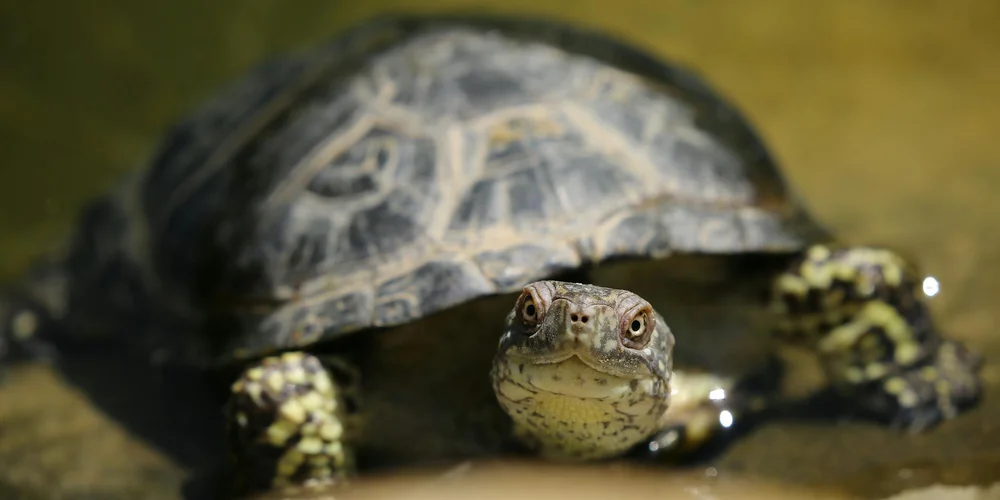
The way a turtle drinks is fascinating and varies slightly depending on their primary habitat. Aquatic turtles, like red-eared sliders, do most of their drinking while submerged.
Think of an aquatic turtle drinking like you using a straw; they open their mouth, draw water in, and use muscular contractions in their throat to swallow. They can do this without needing to lift their heads above the surface.
Turtles that spend more time on land, like my box turtle Orwell, have a different approach. They must submerge their snouts in water to drink. You’ll see them dip their head, fill their mouth, and then lift it to tilt back and swallow.
- Aquatic Turtles: Drink seamlessly while swimming, similar to taking a sip through a straw.
- Semi-Aquatic & Box Turtles: Need to immerse their heads and perform a distinct head-tilting motion to swallow.
- Tortoises: Drink from shallow, sturdy dishes on land, requiring a stable platform to lean on.
Watching these subtle differences reminds me how perfectly adapted each species is to its lifestyle. Providing water in a way that accommodates their natural drinking method is key to keeping them happily hydrated.
Setting Up the Perfect Water Source for Your Turtle
Creating a reliable water source keeps your turtle hydrated and healthy. Based on my time with Austen, Bronte, and Orwell, I’ve seen how the right setup reduces stress and promotes natural drinking behaviors.
Types of Water Containers
- Water bowls: Choose heavy, tip-resistant bowls to prevent spills. Austen’s ceramic bowl works well for his steady nature.
- Dishes: Shallow dishes allow easy access. Bronte enjoys a flat dish that lets her drink without straining.
- Fountains: Moving water can entice drinking and improve oxygen levels. Orwell’s small fountain mimics a stream, keeping him engaged.
Water Depth, Temperature, and Placement
Maintain a shallow depth of 1-2 inches for safe drinking. This prevents drowning risks while allowing turtles to submerge their heads slightly.
Keep water at room temperature, around 70-80°F. I test it with my hand to avoid shocking their systems with cold or warm water.
Place the container in a quiet, stable area away from heat lamps. This ensures the water stays clean and accessible throughout the day.
Tips for Using Dechlorinators and Maintaining Water Quality
- Always use a dechlorinator: Tap water chemicals can irritate turtles. I add a reptile-safe product every time I refill their bowls.
- Change water daily: Stagnant water harbors bacteria. For Bronte and Austen, I replace it each morning to encourage fresh drinking.
- Clean containers weekly: Scrub with vinegar and rinse thoroughly to prevent algae buildup. This simple habit keeps their water inviting.
Recognizing Signs of Dehydration in Turtles
Spotting dehydration early can save your turtle from serious health issues. Through caring for my trio, I’ve learned to watch for subtle changes that signal trouble.
Visual and Behavioral Indicators
- Sunken eyes: Eyes that appear deep-set often indicate fluid loss. I caught this in Orwell once and acted fast.
- Lethargy: Reduced movement or lack of interest in surroundings. Bronte became unusually still when dehydrated.
- Dry, wrinkled skin: Healthy skin should feel supple. Check for any flakiness or tightness.
- Loss of appetite: Refusing food is a common red flag. Monitor eating habits closely for drops in intake.
Simple Step-by-Step Check for Dehydration
- Examine the eyes: Look for dullness or sinking compared to their normal appearance.
- Test skin elasticity: Gently pinch the skin on the neck; slow retraction suggests dehydration.
- Observe behavior: Note any lethargy, hiding, or reduced interaction.
- Offer fresh water: See if they drink readily-this can help gauge their hydration level.
When to Seek Veterinary Care
If symptoms persist or worsen, contact a vet without delay. I rushed Austen to the clinic when he showed severe lethargy, and prompt care made all the difference. Trust your instincts-early intervention supports a full recovery.
Encouraging Your Turtle to Drink More Water
Sometimes, a turtle just needs a little extra nudge to drink. I’ve found that mimicking natural water sources can be incredibly effective at encouraging hydration. A gentle trickle of water from a slow-dripping faucet or a small, safe water pump often sparks their interest. In sick or recovering turtles, steady hydration is a key part of supportive care to help comfort and maintain feeding readiness. Gentle handling and a warm, quiet environment can further support hydration and overall comfort.
Water temperature plays a bigger role than you might think. Lukewarm water is far more inviting than cold water, which can be a shock to their system. I always test it with my wrist, just like for a baby’s bottle.
My box turtle, Orwell, was particularly finicky about his water dish for a while. My personal trick was to place a clean, smooth river stone in the center of his shallow bowl. He seemed to appreciate having a stable spot to stand on while he drank, and it made all the difference.
Addressing Refusal to Drink
If your turtle consistently ignores its water, don’t panic. First, check that the water is impeccably clean, as turtles refuse stale or soiled water quickly. A simple water change can solve the problem instantly. For ongoing issues, refer to our aquatic turtle tank problems step-by-step troubleshooting guide to pinpoint tank-related causes. It walks you through filtration, temperature, lighting, and setup checks to keep your turtle healthy.
- Try a different container material; some turtles dislike the reflection in glass or metal.
- Soak their favorite leafy greens in water before feeding to increase fluid intake.
- Ensure the water area is in a quiet, safe part of the enclosure away from heavy traffic.
Gentle persistence is key. Never force your turtle’s head into the water, as this can cause stress and a fear of the water dish. Creating a calm, appealing drinking environment is the true solution. For a tame, shy, or scared turtle, patience and a slow approach help them gain confidence around water. Over time, a calm, inviting setup encourages them to drink willingly.
Species-Specific Drinking Needs and Behaviors
Not all turtles hydrate in the same way. Understanding your turtle’s natural instincts is the first step to providing perfect care. A box turtle’s needs are worlds apart from an aquatic slider’s. This care for a pet box turtle complete beginners guide will cover the basics of hydration, enclosure setup, diet, and daily care to help you get started confidently. By following these simple steps, you’ll be prepared to provide a healthy home for your box turtle from day one.
My Russian tortoise, Austen, gets most of his hydration from the moisture in his food. He prefers to drink from a very shallow, wide terracotta saucer that he can easily step into. Deep water is a danger for a tortoise like him.
In contrast, my Greek tortoise, Bronte, is more graceful. She will actively seek out her water dish for a deliberate drink, especially on warm days. She enjoys water that’s just deep enough to cover the lower part of her shell when she sits in it.
Container and Depth Preferences
- Box Turtles (like Orwell): Need shallow, easy-to-access dishes. They are not strong swimmers and can drown in deep water. A depth that just reaches their chin is perfect.
- Aquatic Turtles (like Sliders): Drink while submerged in their main aquatic habitat. Their water must be deep enough for swimming but also include a completely dry basking area.
- Tortoises (like Austen and Bronte): Require sturdy, tip-proof shallow dishes. The water should never be deeper than the bridge of their shell, allowing them to keep their head comfortably above water.
Observing your turtle’s unique personality is part of the joy. Orwell’s reserved nature means he prefers a water dish tucked slightly under a plant for cover, while Bronte enjoys her dish placed right in the open sunlight. Catering to these small preferences ensures they stay happily hydrated.
Troubleshooting Water Intake Problems
-
Spotting common issues early can save your turtle from discomfort. Refusal to drink often stems from stress, illness, or unappealing water conditions, like chlorine or debris buildup. I’ve seen this with Bronte, my Greek Tortoise, who turned away from water that smelled off. Water quality concerns include cloudy water, algae growth, or high ammonia levels, which can irritate their skin and shells.
- Watch for lethargy or dry skin, signs they might not be drinking enough.
- Check for foul odors or discoloration in the water bowl.
-
Simple adjustments can resolve most problems. Changing containers to shallow, easy-access dishes encourages drinking, as turtles prefer stability. With Austen, my Russian Tortoise, swapping a deep bowl for a flat rock-based setup made a huge difference. Checking filters ensures they’re not clogged or underperforming, which I do weekly for Orwell’s habitat. I also follow a weekly turtle tank maintenance checklist that includes water changes and filter cleaning. These routines keep water quality steady and filtration performing well.
- Use dechlorinated water to avoid chemical irritation.
- Clean bowls daily with a gentle scrub to remove slime.
-
Consistency is key for turtle health. Constant access to fresh water supports hydration and natural behaviors like soaking, which aids shell health. Regular water changes, at least every other day, prevent toxins from accumulating and protect their delicate systems. This routine has kept my turtles thriving for years.
- Set reminders to refresh water to build a reliable habit.
- Monitor water levels after meals or play to ensure it’s always available.
FAQs
Is tap water safe for turtles to drink?
No, untreated tap water often contains chlorine and other chemicals that can harm turtles. Always use a reptile-safe dechlorinator to neutralize these substances before offering it to your pet.
Can I use water directly from the sink for my turtle?
Yes, but only if you dechlorinate it first to remove harmful additives. Ensure the water is at room temperature to avoid startling or discomforting your turtle. Turtles live both on land and in water, so the enclosure should include a dry basking area as well as clean, dechlorinated water. This setup helps reduce stress and support their natural behaviors.
What is the ‘turtle drinking water’ meme about?
The meme humorously exaggerates turtle drinking behaviors, but it’s not accurate for real care. In reality, turtles drink methodically and need consistent access to clean, fresh water.
Is bottled water a better option for turtle drinking water?
Bottled spring or purified water can be safe if it’s free of additives, but avoid distilled water as it lacks essential minerals. Dechlorinated tap water is usually sufficient and more cost-effective.
How does water source affect a turtle’s willingness to drink?
Turtles may avoid water that smells or tastes unusual due to chemicals or stagnation. Providing fresh, treated water in a clean container encourages natural drinking habits. These water-quality woes reflect the six common filtration mistakes turtle owners make. Knowing them helps keep water clean and inviting.
Your Turtle’s Hydration Journey
After caring for my own turtles like Bronte, I always ensure they have a shallow, clean water dish for easy drinking and soaking. Maintaining fresh water daily prevents illness and mirrors their natural hydration behaviors perfectly. I also keep up with daily, weekly, and monthly care tasks for the tank. Daily water checks and refills, weekly tank cleanings, and monthly maintenance are part of the routine.
Responsible turtle ownership involves a lifelong dedication to learning and adapting your care methods as new information arises. Stay engaged with reliable resources to provide the best life for your aquatic companion. This essential guide covers care for both land and aquatic turtles. It offers practical steps for habitats, diets, and health.
Further Reading & Sources
- How to Care for Box Turtles : Box Turtle Hydration – YouTube
- r/turtle on Reddit: How to get my turtle more hydrated?
- Do Turtles Drink Water? Vet Reviewed Facts & Hydration Tips | PangoVet
- Soaking and rehydration- benefit and a recipe | Tortoise Forum
Matthew is a dedicated turtle enthusiast and conservationist with over 15 years of experience in reptile care. Known affectionately as "The Leatherback" among his peers, he combines his passion for turtles with a commitment to educating pet owners on responsible turtle care and environmental stewardship.
Water Quality