
Aquatic Turtle Tank Problems: A Step-by-Step Troubleshooting Guide
Is your turtle’s tank looking more like a murky pond than a clean, healthy habitat? You’re not alone, and I’ve been there too. Over the years with my own shelled companions, I’ve learned that cloudy water, persistent algae, and finicky filters are common frustrations for any turtle keeper.
This guide will walk you through solving water quality issues, fixing filtration problems, and creating a balanced environment for your turtle to thrive.
Introduction: Your First Clue to a Problematic Tank
A healthy aquatic habitat is more than just a container of water; it’s your turtle’s entire world, influencing their health, mood, and longevity.
I learned this firsthand watching my Russian tortoise, Austen, who would become unusually withdrawn and refuse food when his environment was even slightly off.
This guide is your calm companion, designed to help you spot the small signals before they become big emergencies.
Decoding Your Water Quality: The Foundation of Turtle Health
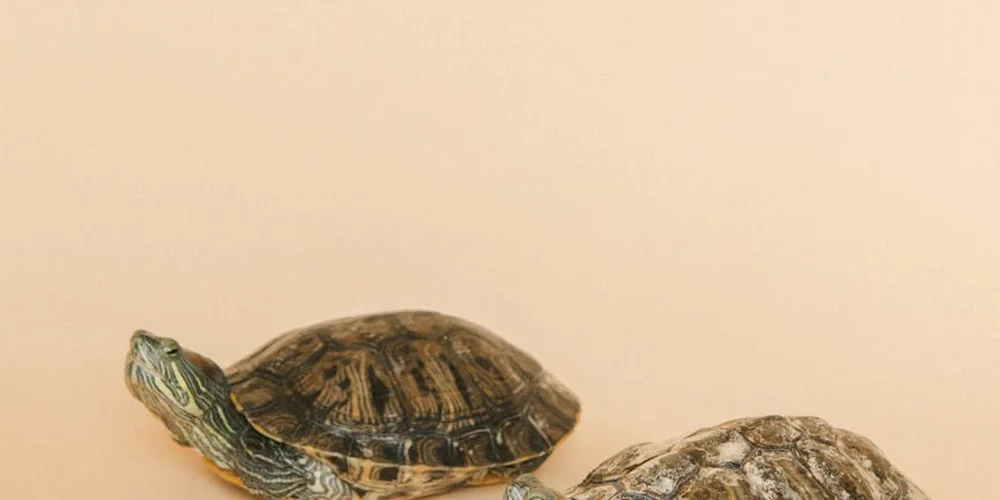
Think of water quality as the invisible air your turtle breathes; when it’s polluted, everything suffers.
You need a reliable liquid test kit to check three key villains: ammonia, nitrite, and nitrate.
What Your Test Results Really Mean
- Ammonia: Any reading above 0 ppm is a red alert. It burns skin and gills.
- Nitrite: This should also be 0 ppm. It suffocates your turtle by blocking oxygen in their blood.
- Nitrate: Aim for under 40 ppm. High levels cause stress and fuel aggressive algae growth.
A sudden spike in any of these is a clear distress signal from your tank’s ecosystem.
The Nitrogen Cycle Explained Simply
Your filter doesn’t just trap dirt; it houses a living waste-processing team.
- Beneficial bacteria (Team A) convert toxic ammonia into nitrite.
- A second group of bacteria (Team B) then converts that nitrite into less harmful nitrate.
- You remove the nitrate through water changes and live plants.
This cycle is the beating heart of a stable tank, and it takes weeks to establish properly.
Performing a Safe Water Change
A 25-50% water change each week is your most powerful maintenance tool.
- Use a gravel vacuum to siphon waste from the bottom as you remove water.
- Always treat new tap water with a water conditioner to neutralize chlorine.
- Match the temperature of the new water to the tank water to avoid shocking your turtle.
Consistent, partial water changes are far safer and more effective than infrequent, total overhauls.
Conquering Cloudy Water and Algae Growth
Cloudy water can make your turtle’s home look uninviting, but it often signals an imbalance you can fix. I’ve seen my own aquatic setups turn murky, and learning to spot the cause quickly saves you and your turtle stress. Let’s break down the common culprits and learn some solutions.
Identifying Bacterial Blooms vs. Algae Overgrowth
Bacterial blooms create a milky, white haze in new tanks or after cleaning, often from excess waste or overfeeding. Algae overgrowth appears green and slimy, coating surfaces when light and nutrients spike. In my experience, bacterial clouds dissipate faster with good filtration, while algae requires light control to tame.
Step-by-Step Plan to Clear Cloudy Water
Start with these actions to restore clarity and keep your turtle healthy.
- Inspect and clean your filter-rinse media in tank water to preserve beneficial bacteria.
- Reduce feeding to once daily, offering only what your turtle eats in five minutes.
- Perform a 25% water change, using a dechlorinator to treat new water.
- Test water parameters weekly with a kit to monitor ammonia and nitrite levels.
Sticking to this routine prevents waste buildup that harms water quality and your turtle’s well-being. Avoid these seven common mistakes when cleaning your turtle’s tank. Following best practices helps keep the water clean and your pet healthy.
Practical Algae Control Methods
Algae thrives on light and nutrients, so managing these is your best defense.
- Limit tank light to 8-10 hours daily with a timer to mimic natural cycles.
- Scrub algae off decorations and glass during water changes-I use a soft brush to avoid scratches.
- Consider adding live plants like anubias, which compete with algae for resources.
Manual cleaning combined with light reduction has cleared stubborn algae in my tanks without chemicals.
The Role of Aeration in Prevention
Aeration keeps water moving, which discourages stagnation and algae growth. Adding an air stone or adjusting filter flow boosts oxygen, helping beneficial bacteria thrive and reducing foul odors. Essential filtration systems keep turtle water clean by removing waste and circulating water through media. I always check that bubbles are steady—it’s a simple step that supports a balanced ecosystem for your turtle.
When Your Equipment Fails: Filtration, Heat, and Light
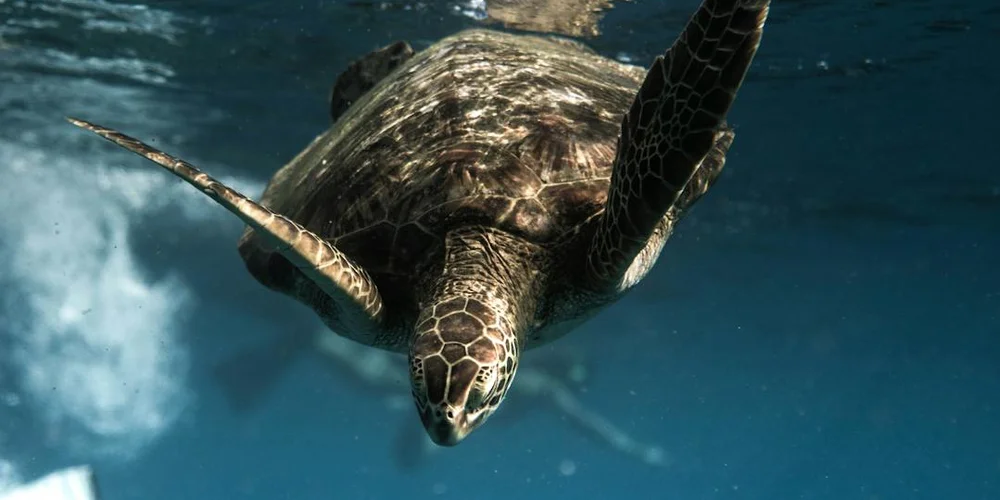
Equipment issues can sneak up, but early checks keep your turtle safe and comfortable. Over the years, I’ve learned that regular inspections prevent most failures before they become emergencies. Let’s tackle common problems step by step. For a structured approach, check out the ultimate turtle health troubleshooting checklist from Shell Tail. It walks you through key signs to watch for and practical fixes you can apply at home.
Troubleshooting a Noisy or Underperforming Filter
A noisy filter often means debris is blocking the impeller or intake. Unplug the filter, remove any obstructions, and rinse parts in tank water to maintain bacteria. If flow is weak, replace filter media as recommended-I mark dates on mine to track changes easily.
Steps to Check and Maintain Water Temperature
Consistent warmth is vital for your turtle’s health and digestion.
- Use a reliable aquarium thermometer to verify temperature stays between 75-85°F.
- Ensure the heater is fully submerged and away from decorations to avoid hot spots.
- Test heater function by feeling for warmth and watching for temperature swings.
I keep a spare heater on hand after one failed during a cold snap, stressing my turtle unnecessarily.
Ensuring Basking and UVB Lighting Function Correctly
Basking lamps and UVB bulbs are non-negotiable for shell and bone health.
- Check that the basking area reaches 90-95°F and is easily accessible for drying off.
- Replace UVB bulbs every 6-12 months, as output dims over time even if the light looks fine.
- Use a timer for consistent 12-hour light cycles to support natural behaviors.
Proper lighting prevents metabolic bone disease, which I’ve seen improve with timely bulb changes.
Simple Safety Checks for Electrical Equipment
Safety protects both you and your pet from accidents.
- Inspect cords for fraying or damage, and unplug equipment before cleaning.
- Use GFCI outlets near water to prevent shocks-I install them in all my reptile rooms.
- Keep electrical items dry and elevated away from splashes.
Routine checks give peace of mind and uphold a hazard-free environment for your turtle.
Reading the Signs: Is Your Turtle Stressed or Sick?
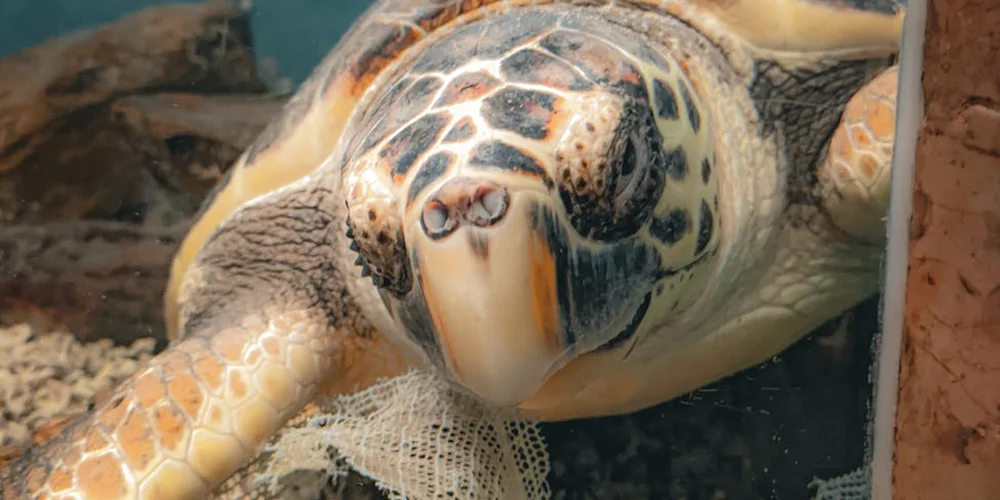
Many tank problems manifest directly in your turtle’s health. I’ve learned through caring for my own turtles that cloudy water or a faulty heater doesn’t just make the tank look bad-it can quickly lead to serious conditions like shell rot or respiratory infections. These illnesses often start subtly, so knowing what to look for is your first line of defense.
Physical and Behavioral Symptoms to Watch For
Your turtle communicates its well-being through its actions and appearance. Look for these red flags:
- Physical Signs: Soft or discolored spots on the shell, puffy or closed eyes, a runny nose or mucus around the mouth, and a persistent lack of appetite.
- Behavioral Signs: Lethargy, refusing to bask, frantic swimming against the glass, or an unwillingness to go into the water.
I remember when my Russian tortoise, Austen, became unusually inactive; it was the first clue that his environment was off.
The Non-Negotiable Need for a Dry Basking Area
A proper basking area is not a luxury; it is a medical necessity. Turtles are reptiles and cannot regulate their body temperature internally—they rely on an external heat source to stay healthy and digest their food. Without a completely dry, warm basking spot, your turtle is at high risk for shell rot and other fungal infections. To create the perfect basking area for your aquatic turtle, add a dry, accessible platform with a warm, steady temperature and UVB exposure. Keep the area clean and easy to reach so your turtle can bask regularly.
When to Quarantine and Seek a Veterinarian
If you suspect illness, act swiftly. Move the affected turtle to a simple, separate quarantine tank with clean, warm water and a basking area to prevent the spread of potential disease to other pets. Proper quarantine is essential for any sick or newly introduced turtle to prevent disease spread to others. Keep the quarantined turtle isolated from other pets until a veterinarian confirms it is safe to reintroduce. I always advise erring on the side of caution. If symptoms persist for more than 24 hours, or if you see obvious physical distress, contact an exotic animal veterinarian immediately.
The Right Setup: Preventing Problems with Space and Substrate
An ounce of prevention is worth a pound of cure, and this is profoundly true in turtle care. Getting the fundamentals of space and substrate correct from the start will prevent a vast majority of common health and behavioral issues. A cramped or poorly designed habitat is a constant source of stress for your shelled friend.
Calculating the Right Tank Size
Overcrowding is a primary source of aggression, stress, and poor water quality. A good rule of thumb is to provide a minimum of 10 gallons of water volume for every inch of your turtle’s shell length. For example, a five-inch turtle needs at least a 50-gallon tank. For multiple turtles, you must calculate for the largest turtle and then add significant space for each additional one.
Substrate Choices: Pros and Cons
The material you put on the bottom of the tank matters more than you might think.
- Bare Bottom: Easiest to clean and eliminates any risk of impaction, making it the safest choice for hatchlings. The downside is it offers no enrichment.
- Large River Rocks: Too big to be swallowed, these provide a natural look. However, debris can get trapped between them, compromising water quality.
- Sand: Aesthetically pleasing and natural for some species, but it can compact in a turtle’s digestive tract if ingested and is difficult to keep clean.
Selecting Compatible Tank Mates
Turtles are not always social creatures. Housing multiple turtles requires careful consideration of species, size, and individual temperament to avoid bullying and injury. Fast-moving fish can cause stress, and small, slow fish may become a snack. It’s often safest and kindest to house turtles alone or in very large, carefully monitored species-specific groups.
Creating an Enriching and Safe Habitat
Your turtle’s tank should be more than just a container of water. Create a habitat that offers security, stimulation, and clear boundaries between land and water. Use smooth rocks and driftwood to create visual barriers and hiding spots. Ensure all decorations are secure and cannot trap your turtle. A well-thought-out layout reduces stress and encourages natural behaviors.
Your Proactive Care Routine: A Simple Maintenance Schedule

Consistency is the secret ingredient to a thriving aquatic turtle habitat. A predictable routine not only keeps your tank sparkling but also acts as an early warning system for potential health issues. It transforms overwhelming chores into simple, manageable habits.
Your Weekly Wellness Check (10-15 Minutes)
I do this every Sunday morning with my coffee-it’s become a peaceful ritual. This quick check-up focuses on the fundamentals.
- Test Water Parameters: Use a liquid test kit to check ammonia, nitrite, and nitrate levels. Safe water is non-negotiable.
- Visual Water Inspection: Look for cloudiness or a foul odor, which can signal a bacterial bloom or filter issue.
- Spot Clean: Use a small net to remove any visible waste or uneaten food from the water column.
- Top Off Water: Replace evaporated water with dechlorinated water to maintain proper volume and filter function.
Your Monthly Deep Clean (30-45 Minutes)
This is your tank’s reset button. I find it helpful to set a calendar reminder so it never slips my mind.
- Partial Water Change: Siphon out 25-50% of the tank water. Use a gravel vacuum to clean the substrate thoroughly.
- Filter Maintenance: Rinse filter media in the water you’ve just removed from the tank. This preserves beneficial bacteria while washing away debris. Never use tap water for this.
- Equipment Check: Wipe down the heater and check for any mineral buildup or cracks. Ensure the water thermometer is reading accurately.
- Decor Scrubbing: Gently scrub rocks and decor to remove algae. Avoid soaps or harsh chemicals.
Sticking to this schedule prevents the vast majority of common tank problems by maintaining stable, clean water. It stops small issues from snowballing into emergencies that stress both you and your turtle.
A Personal Tip That Changed My Routine
After dealing with a persistent algae problem, I started keeping a dedicated “tank notebook.” I jot down the date, water test results, and any observations after each maintenance session. This simple log helps me spot trends over time, like a slow nitrate creep, allowing me to adjust my care before it becomes a visible problem. It’s been a game-changer for proactive, rather than reactive, turtle keeping.
FAQs
If a turtle tank holds 60 gallons of water and each turtle needs 8 gallons, how many turtles can it accommodate?
You can house a maximum of 7 turtles in this tank. Always round down to ensure each turtle has at least the minimum required space.
If a turtle tank holds 60 gallons and you plan to keep 4 turtles, how many gallons per turtle would you allocate if evenly distributed?
Each turtle would receive 15 gallons of water. This even distribution helps prevent overcrowding and stress.
A turtle tank holds 90 gallons of water. If you keep 6 turtles, how many gallons of water per turtle are available?
Each turtle would have 15 gallons available. Adequate space per turtle supports better water quality and health.
A Healthy Habitat for a Happy Turtle
Keep your aquatic turtle thriving by consistently monitoring your water quality and ensuring your tank setup provides both a proper basking area and enough swimming space. Addressing these core elements resolves the vast majority of common health and behavioral issues. To keep conditions optimal, set a regular water quality testing and maintenance schedule. Regular checks help catch issues before they affect your turtle.
Caring for a turtle is a long-term commitment that rewards your dedication with a unique and fascinating companion. Embrace the journey of learning; your growing knowledge is the greatest gift you can give your shelled friend.
Further Reading & Sources
- Want a Turtle? Be Ready for Special Tanks, Special Food, Special Care
- Expert Answers on Turtle Aquariums and Tanks | JustAnswer
- How to Set Up a Tank for a Red-Eared Slider Turtle
- Keeping the Water in Your Turtle Tank Clean
Matthew is a dedicated turtle enthusiast and conservationist with over 15 years of experience in reptile care. Known affectionately as "The Leatherback" among his peers, he combines his passion for turtles with a commitment to educating pet owners on responsible turtle care and environmental stewardship.
Aquatic Turtles