
How to Care for a Pet Box Turtle: Your Complete Beginner’s Guide
Published on: December 6, 2025 | Last Updated: December 6, 2025
Written By: Matthew The
Bringing a box turtle home is a wonderful adventure, but it’s normal to feel a bit nervous about providing the right environment and care from the start.
This guide walks you through habitat setup, balanced diet, health monitoring, and gentle handling techniques.
Creating the Perfect Box Turtle Habitat
Choosing the right home for your box turtle is the first step to ensuring a long, happy life together. From my years with Orwell, I’ve learned that a spacious, well-designed enclosure mimics their natural environment and reduces stress. Let’s explore how to set it up properly.
Selecting the Right Enclosure
Box turtles need room to roam, whether indoors or out. For indoor setups, aim for at least a 40-gallon tank or a custom-built pen that’s 4 feet by 2 feet for one adult turtle. Outdoor enclosures should be secure with buried walls to prevent escapes and predator-proof lids. I started Orwell in a large indoor tub before transitioning him to a safe outdoor space during warmer months.
- Indoor options: Glass tanks, plastic storage bins, or wooden tortoise tables
- Outdoor choices: Fenced garden areas or raised beds with cover from sun and rain
Essential Habitat Components
Your turtle’s habitat isn’t complete without these key elements. Using a mix of coconut coir and cypress mulch as substrate helps maintain moisture and allows for natural digging behavior. Orwell spends hours burrowing in his, which keeps his shell healthy and his mind engaged.
- Substrate: 3-4 inches deep of coconut coir, cypress mulch, or organic topsoil
- Hiding places: Half-logs, plant pots, or commercial hides for security
- Water dish: A shallow, sturdy dish large enough for soaking but easy to exit
Temperature and Humidity Control
Maintaining the right climate is non-negotiable for box turtle health. Create a temperature gradient with a warm basking area around 85-90°F and a cooler side at 70-75°F to let your turtle regulate its body heat. Humidity should stay between 60-80%; I mist Orwell’s enclosure daily and use a hygrometer to monitor levels. This prevents shell problems and supports overall vitality. At night, a gentle, thermostat-controlled heat source helps prevent temperatures from dropping too low. This is a core element of nighttime heat management for turtles to support ongoing health and comfort.
Heating and Lighting for Healthy Box Turtles
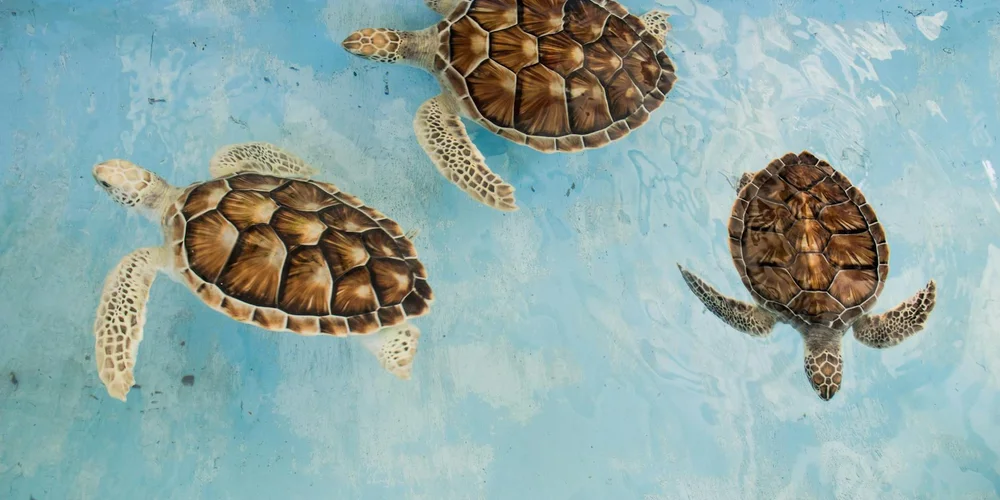
Proper heating and lighting are like sunshine and shade in the wild—they’re essential for your turtle’s well-being. After noticing Orwell perk up with the right setup, I realized how crucial it is to replicate natural conditions indoors. A key part of that is creating a perfect basking area for your aquatic turtle. A proper basking spot provides warmth, a dry surface, and safe access to light. Here’s how to get it right.
Basking Lamp Setup and Temperatures
A basking lamp provides the warmth box turtles crave for digestion and activity. Position the lamp over one end of the enclosure to achieve a basking spot temperature of 85-90°F, measured with a reliable thermometer. I use a ceramic heat emitter for Orwell at night if temps drop, ensuring he stays comfortable without disruptive light.
- Basking area: 85-90°F under the lamp
- Ambient temperature: 75-80°F on the warm side, 70-75°F on the cool side
- Nighttime: Can drop to 65-70°F, but avoid drastic changes
UVB Lighting for Vitamin D3
UVB light is a game-changer for box turtles, enabling them to produce vitamin D3 and absorb calcium. Without UVB, turtles can develop metabolic bone disease, so I always use a linear fluorescent UVB bulb covering at least half the enclosure. Replace bulbs every 6-12 months, as their output diminishes over time—Orwell’s vibrant shell is proof it works. For detailed guidance, check out UVB lighting for turtles: why it’s critical and how to set it up.
Day and Night Cycle Recommendations
Mimicking natural light cycles helps regulate your turtle’s behavior and sleep. Provide 12-14 hours of light daily using a timer for consistency, followed by 10-12 hours of darkness to encourage rest. I’ve seen Orwell become more active and eat better since sticking to this routine, which supports their internal rhythms and reduces stress.
Feeding Your Box Turtle: The Omnivorous Diet
Getting your box turtle’s diet right is the single most impactful thing you can do for their long-term health. Think of them as a tiny, slow-moving food critic who needs a perfectly balanced menu every single day. From my years with Orwell, I’ve learned they have strong preferences, but a varied, thoughtful diet keeps them thriving.
The Core Components of a Balanced Diet
A box turtle’s diet shifts as they age, but a good rule of thumb is to think in thirds.
- Protein (About 40-50% for juveniles, 20-30% for adults): This is their main fuel. I offer Orwell live prey like earthworms, snails, and crickets. It stimulates their natural hunting instincts and provides excellent nutrition. Canned low-fat dog food or hard-boiled eggs are good occasional substitutes.
- Leafy Greens & Vegetables (About 40-50%): This should form the bulk of their plant matter. Stick to dark, leafy greens like collard greens, dandelion leaves, and endive. Grated squash and sweet potato are also big hits in my household.
- Fruits (About 10%): Fruits are the special treat. Orwell goes wild for berries, melon, and chopped apple. Fruit is like dessert-delicious but not the main course. Too much can cause digestive issues.
Your Feeding Schedule and Portion Guide
Consistency is key for these creatures of habit.
- Juveniles (Under 3-5 years): Feed them daily. Their growing bodies need constant fuel. Offer a mix of protein and greens.
- Adults (Over 5 years): You can switch to feeding them every other day, or offer a smaller amount of food daily. Watch their weight and adjust accordingly.
A good portion size is roughly the volume of their head and neck combined. Place the food on a flat, clean rock or shallow dish to prevent them from ingesting substrate. Always remove any uneaten fresh food after a few hours to prevent spoilage.
Safe Foods vs. Items to Strictly Avoid
Their digestive systems are delicate. Knowing what to avoid is as important as knowing what to feed.
Safe & Recommended Foods
- Protein: Earthworms, slugs, snails, crickets, mealworms, boiled chicken, hard-boiled eggs.
- Greens & Veggies: Collard greens, mustard greens, dandelion greens, endive, escarole, bell peppers, squash, sweet potato.
- Fruits: Berries, melons, apples (no seeds), peaches, figs.
Dangerous Foods to Never Offer
- Toxic Plants: Avocado, rhubarb, tomato leaves. These are poisonous.
- Processed Human Food: Bread, dairy, chocolate, salty snacks, sugary cereals. Their bodies cannot process these.
- Iceberg Lettuce: It offers no nutritional value and can cause diarrhea.
- Raw Meat from the Grocery Store: It can harbor dangerous bacteria.
When in doubt, always research a new food item before offering it. A few minutes of checking can prevent a serious health emergency for your shelled friend.
Essential Supplements and Hydration
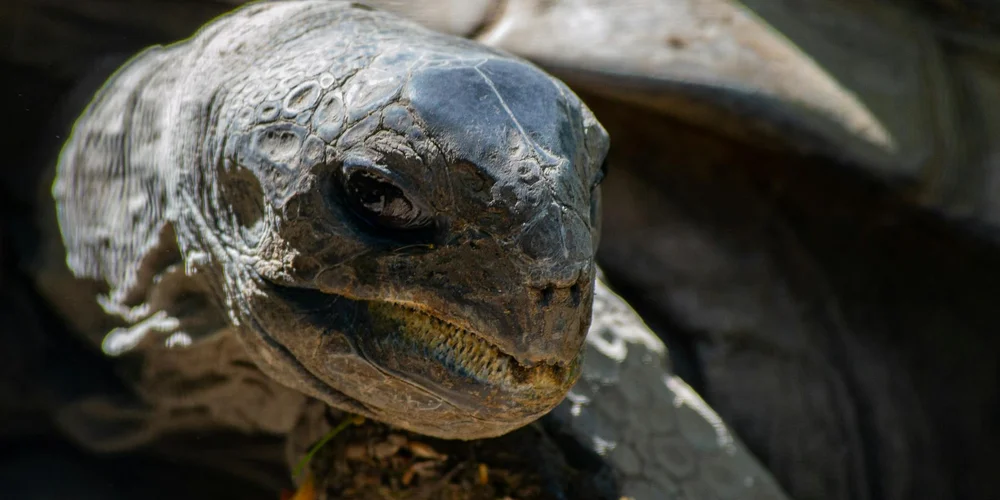
Keeping your box turtle healthy goes beyond a good diet-proper supplements and hydration are non-negotiable. From my time caring for Orwell, I’ve seen how the right routine prevents common health issues and keeps their shells strong and vibrant. Let’s break down what you need to know, step by step.
Calcium and Vitamin D3 Supplementation
Box turtles, like Orwell, need calcium for sturdy shells and vitamin D3 to absorb it effectively. I dust his food with a calcium powder containing D3 about three times a week, making sure it sticks to moist items like berries or worms. This mimics how they’d get nutrients in the wild from sunlight and varied foods. For those following the Ultimate Beginners Guide to Feeding Your Pet Turtle, this calcium routine is a foundational step. More beginner-friendly tips on greens, protein, and safe treats are covered in the guide.
- Use a reptile-specific calcium powder with D3-avoid human supplements.
- Lightly coat their favorite foods; too much can put them off eating.
- For turtles without access to natural sunlight, like indoor pets, D3 is essential to prevent metabolic bone disease.
Orwell’s shell has stayed dark and patterned thanks to this routine. If you skip supplements, you might notice soft spots or deformities over time, which is why consistency matters so much.
Proper Hydration and Water Dish Care
Hydration is about more than just drinking-box turtles like to soak to absorb water through their skin and cloaca. I keep a shallow, sturdy water dish in Orwell’s enclosure that he can easily climb in and out of, refreshed with clean water every day. This prevents bacteria buildup and keeps him content.
- Choose a dish with low sides to avoid drowning risks; Orwell’s is just deep enough to cover his shell.
- Place it in a cool spot to reduce evaporation and algae growth.
- Scrub the dish weekly with a vinegar-water mix to remove residue without harsh chemicals.
On warm days, I often find Orwell lounging in his water, and it’s a gentle reminder of how vital this simple habit is. Dehydration can lead to sunken eyes or lethargy, so always check that the water is inviting and clean.
Signs of Nutritional Deficiencies
Even with the best care, issues can pop up if something’s missing. Watch for subtle changes like a loss of appetite or unusual sluggishness, which were early warnings I caught with Orwell once. Catching these early helps you adjust their care quickly.
- Soft or misshapen shell: Often a calcium deficiency; increase supplementation.
- Swollen eyes or runny nose: Could point to vitamin A shortage; add more leafy greens.
- Weight loss or dull coloring: Might mean overall nutrient imbalance; review their diet variety.
Advocating for animal welfare means being proactive-regular vet checks paired with your observations keep your turtle thriving. Remember, a happy box turtle like Orwell shows it through bright eyes and steady activity, so trust your instincts if something feels off.
Daily Care and Handling Routines
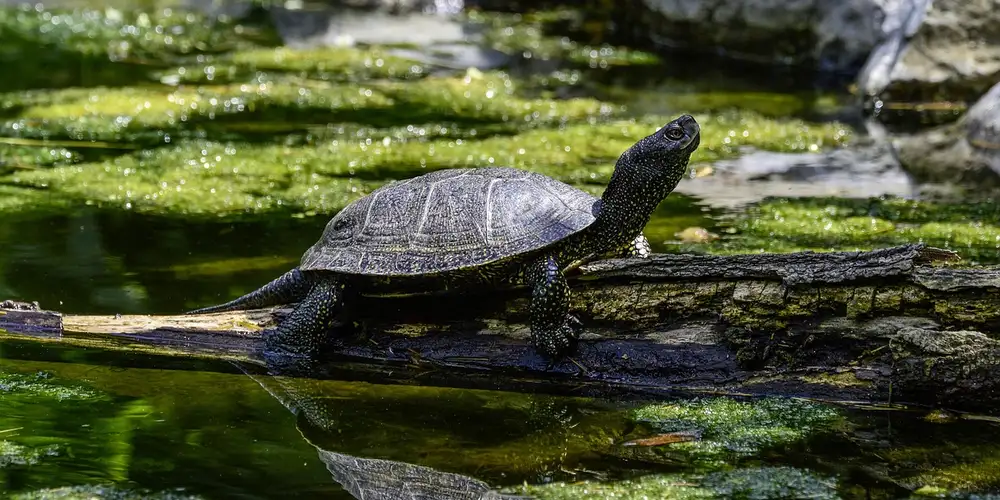
Daily Habitat Maintenance and Cleaning
Keeping your box turtle’s home clean is a simple daily task that prevents health issues and keeps them comfortable. Start each morning by checking and refreshing their water dish, as clean water is essential for hydration and soaking. I always do this first thing with Orwell, my box turtle, to ensure he has fresh water to start his day. Remove any uneaten food from the previous day to avoid mold and bacteria buildup. Spot clean feces and soiled substrate promptly-this takes just a minute but makes a big difference in odor and hygiene. Monitor the enclosure’s temperature and humidity levels; a quick glance at your gauges helps you adjust heating or misting as needed. Think of it like a daily room tidy-up that keeps everything running smoothly. For a deeper clean, be sure to clean and disinfect your turtle or tortoise enclosure regularly.
- Refill water dish with dechlorinated water
- Discard old food and wash food dishes
- Remove waste and replace dirty substrate spots
- Check temperature (75-85°F) and humidity (60-80%)
Safe Handling Techniques and Frequency
Handling your box turtle should be done with care and respect for their natural behaviors. Always support their entire body, including the shell and legs, to prevent stress or injury. I’ve found that Orwell, with his reserved personality, responds best when I approach slowly and let him see my hand first. Lift them gently from the sides, avoiding sudden movements that could startle them. Keep handling sessions short-no more than 10-15 minutes-and limit frequency to a few times a week, or only when necessary for health checks. Overhandling can cause stress, so observe their cues; if they retreat into their shell, give them space. This mindful approach helps build trust over time.
- Wash hands before and after handling to prevent disease transmission
- Hold close to a low surface in case they wiggle free
- Avoid handling during shedding or if they seem agitated
Enrichment Activities for Mental Stimulation
Enrichment keeps your box turtle engaged and mimics their natural foraging instincts. Rotate different hiding spots and substrates to encourage exploration and reduce boredom. With Orwell, I add new items like cork bark or leaf litter weekly, and he spends hours investigating the changes. Create simple foraging opportunities by hiding food under safe objects or in shallow dishes-this stimulates their mind and satisfies their curiosity. Vary their diet with occasional treats like berries or worms to make mealtime exciting. I’ve noticed that these small changes make Orwell more active and content, much like how a puzzle keeps us humans entertained.
- Introduce novel objects like smooth stones or untreated wood
- Set up a shallow water area for wading and drinking
- Change the layout of their enclosure every few weeks
Monitoring Box Turtle Health and Shell Care
-
You can easily spot a healthy box turtle by watching for a few key signs daily. From my years with Orwell, I’ve found that clear, bright eyes free of discharge are a top indicator of good health. A smooth, intact shell without cracks or soft spots shows proper growth and care. Active behavior, like exploring their habitat and responding to your presence, means they’re thriving. Watch for steady eating habits and normal breathing-no wheezing or bubbles.
Here’s a quick checklist to run through during your routine checks:
- Eyes: Clear and alert, not sunken or swollen
- Shell: Firm and even, with no discoloration or peeling
- Activity: Moves regularly and shows curiosity
- Appetite: Eats consistently without refusal
-
Common health issues in box turtles often stem from habitat or diet mistakes, but you can prevent most with simple steps. Respiratory infections, signaled by nasal discharge or labored breathing, often arise from incorrect humidity or temperatures. Shell rot, where the shell softens or smells foul, happens if the environment is too damp or dirty. Metabolic bone disease, causing weak or deformed shells, results from poor calcium intake or lack of UVB light. Avoid common terrestrial turtle and tortoise enclosure mistakes to ensure a healthy habitat.
To keep your turtle robust, focus on prevention:
- Maintain a clean, well-humidified enclosure with proper substrate
- Offer a balanced diet rich in calcium, like leafy greens and occasional insects
- Ensure access to UVB lighting for shell and bone strength
- Quarantine new additions to avoid spreading illnesses
I learned this the hard way when Orwell once showed signs of lethargy; adjusting his diet and habitat quickly turned things around.
-
Knowing when to seek exotic veterinary care can save your turtle’s life, so don’t hesitate if you notice red flags. If you’re wondering how to tell if your turtle is sick, start by watching for changes in appetite, energy, and shell condition. These early cues can help you decide when to head to a vet. If your turtle stops eating for more than a few days, has swollen eyes, or shows shell abnormalities, it’s time for a vet visit. Other urgent signs include persistent lethargy, weight loss, or breathing difficulties. Exotic vets specialize in reptiles and can diagnose issues like parasites or infections that home care can’t fix.
Always choose a vet experienced with turtles to ensure proper treatment. Regular check-ups once a year help catch problems early, much like with any pet. I schedule Orwell’s visits annually, and it gives me peace of mind knowing he’s in expert hands.
Beginner’s Box Turtle Care Checklist
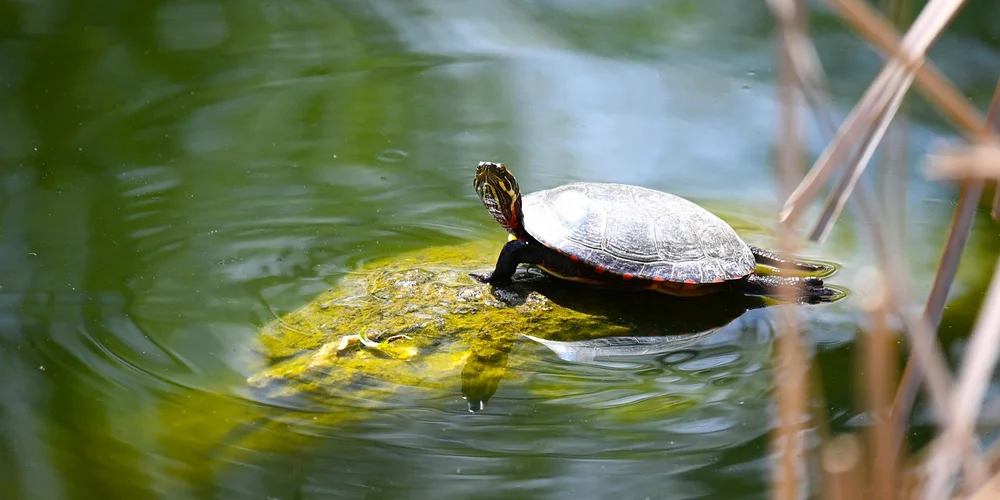
-
Habitat Setup Requirements
Start with an enclosure at least 4 feet by 2 feet for an adult box turtle like my Orwell. A spacious habitat allows natural behaviors like digging and exploring, which I’ve seen keep Orwell content and active. Use a mix of topsoil and coconut coir as substrate-it holds moisture well for burrowing. Include hiding spots like half-logs or plant covers; Orwell often retreats to his when he needs quiet. Provide a shallow water dish large enough for soaking and a basking area with a heat lamp set to 85-90°F. Don’t forget a UVB light; it’s essential for calcium absorption and shell health. For inspiration on decorations and setup, check out how to create a naturalistic turtle habitat with proper decor.
- Enclosure: Minimum 40-gallon tank or custom wooden pen
- Substrate: 3-4 inches deep for digging
- Temperature gradient: Cool side 70-75°F, warm side 80-85°F
- Humidity: Maintain 60-80% with regular misting
-
Daily and Weekly Maintenance Tasks
Each day, offer fresh vegetables, fruits, and protein sources like worms-I rotate Orwell’s diet to keep it interesting. Remove uneaten food promptly to prevent mold and bacteria growth, a lesson I learned after a minor scare with Orwell. Check water dishes for cleanliness and refill with dechlorinated water. Weekly, do a spot-clean of waste and soiled substrate, and deep-clean the entire enclosure monthly. Test heating and lighting equipment to ensure they’re functioning safely.
- Daily: Feed, water check, behavior observation
- Weekly: Substrate turnover, equipment inspection
- Monthly: Full enclosure disinfection
-
Health Monitoring Schedule
Observe your turtle daily for bright eyes, smooth shell, and steady appetite—Orwell’s reserved nature means I watch for any unusual lethargy. Weigh them weekly to catch weight loss early; I use a small kitchen scale for Orwell and log it in a journal. For a deeper dive, check out the ultimate turtle health troubleshooting checklist from Shell Tail. It offers a practical, step-by-step guide to common red flags and when to seek care. Look for signs of respiratory issues, like bubbles from the nose, or shell problems such as soft spots. Schedule a vet visit every 6-12 months for a professional check-up, especially since box turtles hide illnesses well.
- Daily: Visual check of eyes, nose, shell, and activity level
- Weekly: Weight tracking and appetite assessment
- Bi-annual: Veterinary exams for preventative care
-
Emergency Preparedness Steps
Keep a first-aid kit with tweezers, antiseptic, and a small container for transport-I’ve used mine when Orwell had a minor cut. Identify a reptile-savvy vet beforehand and save their contact in your phone; it saved me panic during Orwell’s shell injury. Learn basic first aid for common issues like dehydration or minor wounds. Have a backup power plan for heating elements during outages, as sudden temperature drops can be dangerous.
- Emergency contacts: Vet number, poison control
- Supplies: First-aid kit, spare heat packs, carrier
- Action plan: Steps for injuries, illness, or escape
Common Questions
How long do pet box turtles typically live?
With proper care, box turtles can live for several decades, often reaching 30 to 50 years of age. This long-term commitment means they can be a lifelong pet, so potential owners should be prepared for their care needs over the long haul.
Is it better to keep my box turtle indoors or outdoors?
The ideal setup often involves a secure outdoor enclosure during warm months and a well-equipped indoor habitat during colder weather. Outdoor living provides natural sunlight and space, while indoor housing offers greater control over temperature and protection from predators.
Are there any special care considerations for box turtles in Florida?
Florida’s high humidity is beneficial, but you must ensure the enclosure has both dry and moist areas to prevent shell rot. Outdoor enclosures require extra security against common local predators like raccoons and snakes, and you must provide shade to prevent overheating.
How often should I handle my box turtle?
Limit handling to a few short sessions per week, primarily for health checks or enclosure cleaning. Excessive handling can cause stress, so it’s best to interact with your turtle during feeding and observation to build trust gradually. For best results, pair this with an ultimate turtle habitat cleaning schedule. A consistent routine of daily spot-cleaning and weekly deep cleans keeps the habitat pristine and stress-free.
Do box turtles need special care during the winter?
Yes, box turtles brumate (a form of hibernation) in winter, which requires a cool, quiet period with reduced feeding. For indoor turtles not brumating, you must maintain stable habitat temperatures and a consistent light cycle since they won’t experience natural seasonal cues.
Setting Your Box Turtle Up for Success
From my time with Orwell, my reserved but intelligent box turtle, I’ve seen that a proper habitat and a varied diet are the cornerstones of their well-being. Regularly observing their behavior and shell condition helps you catch any health issues early, ensuring they thrive under your care.
Committing to a box turtle means embracing a long-term responsibility to provide consistent, attentive care every single day. Stay curious and keep learning about their needs, as your dedication directly shapes their quality of life and happiness.
Further Reading & Sources
- A Guide to Caring for Common Box Turtles as Pets
- BOX TURTLE CARE Thomas H. Boyer, DVM, DABVP, Reptile and Amphibian Practice
- Box Turtle Care – California Turtle & Tortoise Club
- Care Sheet – Eastern Box Turtle
Matthew is a dedicated turtle enthusiast and conservationist with over 15 years of experience in reptile care. Known affectionately as "The Leatherback" among his peers, he combines his passion for turtles with a commitment to educating pet owners on responsible turtle care and environmental stewardship.
Terrestrial Turtles