How to Help and Save Endangered Sea Turtles
You might feel overwhelmed by the threats facing sea turtles, wondering if your individual actions can truly help prevent their extinction, but as someone who has nurtured turtles like gentle Austen for years, I assure you that every small step creates a ripple of hope.
In this article, we’ll explore practical steps including reducing plastic waste, joining beach cleanups, supporting conservation groups, and making ethical travel choices.
Understanding Sea Turtles and Their Plight
The Journey from Nest to Ocean
Imagine tiny hatchlings emerging from sandy nests under the moonlit sky, instinctively scrambling toward the ocean’s shimmer. This critical dash is fraught with dangers, from predatory birds to disorienting artificial lights that lead them astray. I’ve seen similar determination in my own turtles, like Orwell the box turtle, who always finds his way back to his favorite hideout, reminding me how innate navigation is for these creatures.
Sea turtle hatchlings rely on natural light cues to guide them to the water, but human developments often disrupt this. Even a single misplaced beach chair or hole in the sand can trap a hatchling, drastically reducing their survival odds. Proper nesting substrate matters: soft, clean sand supports digging and nest formation. Compacted or debris-filled substrate can hinder a female’s ability to nest. From my experience with Bronte, my Greek tortoise, I know that young turtles are incredibly vulnerable; providing a safe, obstacle-free environment is something I prioritize in my care, and it’s equally vital for sea turtles in the wild.
- Hatchlings use moonlight reflections on the water to orient themselves-artificial lights can confuse them, causing fatal detours.
- Predators like crabs and birds prey on hatchlings during their short journey; minimizing disturbances helps protect them.
- Only about 1 in 1,000 hatchlings survive to adulthood, highlighting why every step of their journey matters.
Protecting Nesting Beaches and Hatchlings
Creating Turtle-Friendly Beaches
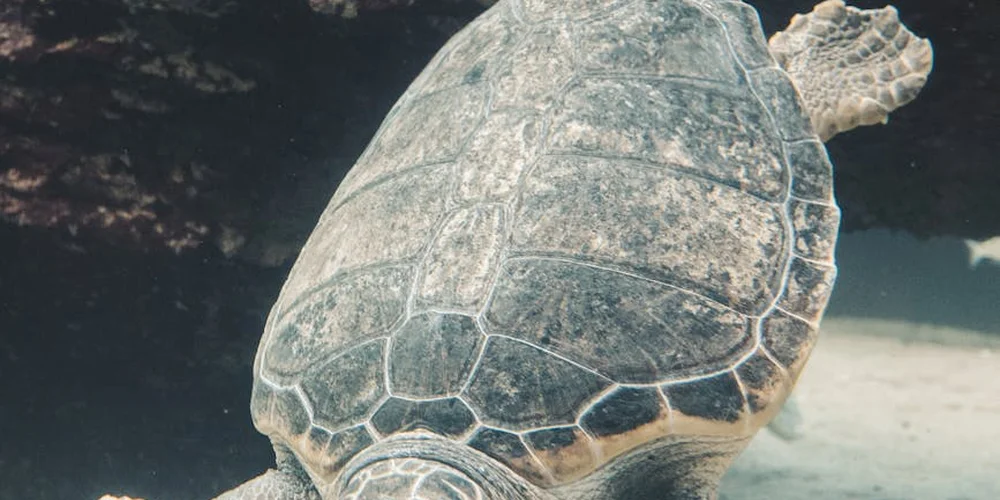
Making beaches safe for sea turtles starts with simple, mindful actions that anyone can adopt. Reducing light pollution by using turtle-friendly, amber-colored bulbs or shielding lights visible from the shore can prevent hatchling disorientation. When I set up Austen’s enclosure, I avoided harsh lighting to mimic natural cycles, and that same principle applies here—it’s about creating a calm, natural habitat. To extend that idea to home care, keep a quick habitat-diagnosis checklist for perfect lighting, heat, and clean water. Regularly checking those elements helps ensure your turtle’s environment stays aligned with natural conditions.
Keep beaches clean by removing trash and filling in holes left by visitors. Debris like plastic bags can be mistaken for food, leading to ingestion and entanglement, while deep holes might trap adult turtles or hatchlings. I always ensure my turtles’ spaces are free of hazards, and extending that care to coastal areas makes a tangible difference for sea turtle populations and the ecosystem they support.
- Use low-intensity, downward-facing lights on beachfront properties to minimize glare.
- Avoid beach bonfires and loud noises during nesting season, as they can disturb nesting females.
- Plant native vegetation to stabilize sand dunes, providing natural barriers and nesting sites.
Participating in Nest Monitoring
Joining nest monitoring programs lets you contribute directly to sea turtle conservation through hands-on involvement. Volunteers often help mark nests, record data on nesting activity, and assist hatchlings safely to the water during guided releases. It reminds me of how I track Orwell’s behavior patterns to ensure his well-being; careful observation is key to understanding and protecting these animals.
Training with local conservation groups teaches you to identify turtle tracks and nests without disturbing them. Your efforts help scientists gather crucial data on population trends and threats, informing broader protection strategies. From my time caring for Bronte, I’ve learned that patience and consistency in monitoring lead to better outcomes, whether in a backyard or on a beach.
- Contact organizations like Sea Turtle Conservancy or local wildlife agencies to find volunteer opportunities.
- Follow guidelines strictly: never touch hatchlings or nests unless instructed, to avoid stress or harm.
- Share your experiences to raise awareness; even small actions inspire others to get involved.
Reducing Oceanic Threats to Sea Turtles
Watching my own tortoises navigate their enclosures gives me a tiny glimpse into the vast, challenging world sea turtles face every day. The ocean, their home, is filled with human-made dangers that we have the power to mitigate. Protecting them starts with understanding and reducing the threats we create.
Combating Plastic Pollution and Marine Debris
I’m meticulous about what goes into my pets’ habitats, and we must extend that same care to the ocean. Sea turtles often mistake plastic bags for jellyfish, a favorite meal, with tragic results. In the wild, sea turtles rely on a variety of seafood, including jellyfish and crustaceans, and some species even eat fish. Protecting oceans from plastic helps ensure turtles can find their natural meals.
- Commit to reusable bags, water bottles, and containers. Every piece of plastic you refuse is one less piece that could end up in a turtle’s stomach.
- Participate in local beach or river cleanups. Seeing the sheer volume of trash we collected firsthand was a sobering and motivating experience.
- Choose products with minimal or no plastic packaging. Support companies that prioritize sustainable materials.
- Properly secure your trash and recycling bins to prevent wind from carrying waste into waterways.
A cleaner ocean means safer foraging grounds and fewer fatal mistakes for these ancient mariners.
Addressing Fishing Bycatch
Accidental capture in fishing gear is a leading cause of sea turtle injury and death. They get entangled in nets or hooked on longlines, unable to surface for air.
- Choose seafood certified by organizations like the Marine Stewardship Council, which often have bycatch reduction measures in place.
- Advocate for and support the use of Turtle Excluder Devices (TEDs) in trawl fisheries. These ingenious trapdoors in nets allow turtles to escape.
- Opt for circle hooks if you fish recreationally. They are far less likely to be swallowed by a turtle than traditional J-hooks.
- Support fisheries that use pole-and-line or troll fishing methods, which have significantly lower bycatch rates.
By making informed choices, we can help ensure fishing practices are safer for non-target species like sea turtles.
Supporting Sea Turtle Rescue and Rehabilitation
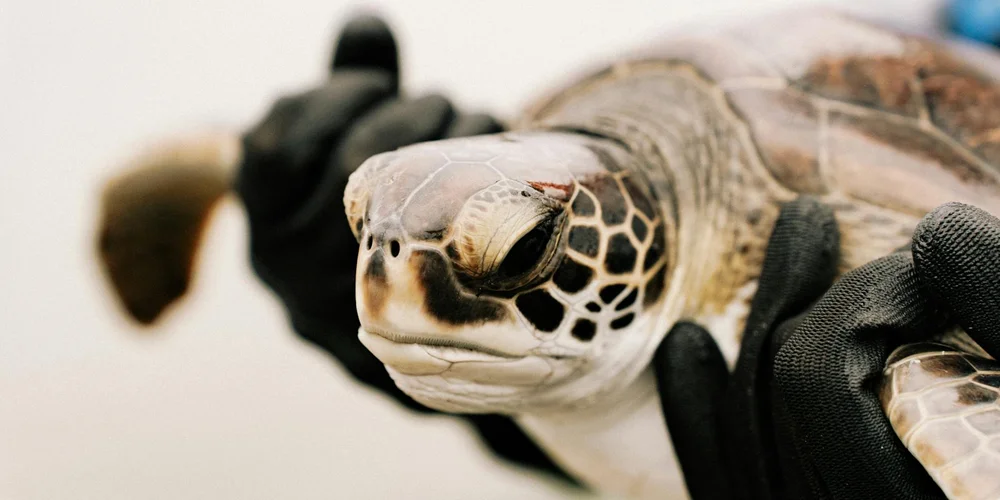
Caring for my shelled companions has taught me that sometimes, intervention is necessary for survival. Dedicated organizations work tirelessly to rescue, heal, and release injured sea turtles. For those bringing home a rescued turtle, a first-month rehabilitation guide can be a lifesaver, outlining feeding, housing, and medical checks during that crucial period.
How to Report an Injured Sea Turtle
If you’re lucky enough to live near or visit the coast, you could be the one to save a life. Knowing what to do is critical.
- Keep a safe distance. Do not attempt to touch or move the turtle yourself. A stressed or injured animal may bite, and you could cause further harm.
- Note the exact location. Use GPS coordinates or a clear landmark. This is the most vital piece of information for rescuers.
- Observe and describe the turtle. Note its approximate size, any visible injuries, and if it’s entangled in anything.
- Call the experts immediately. In the U.S., contact your state’s fish and wildlife agency or a local sea turtle stranding network. Keep the number saved in your phone.
- Wait for help to arrive, if possible. You can help keep the turtle safe from curious onlookers or predators until professionals take over.
Your calm and informed actions provide a fighting chance for an injured turtle to receive the specialized care it needs. Watch for signs your turtle may need a veterinarian—lethargy, loss of appetite, shell damage, or trouble breathing. If you notice any of these, seek veterinary care promptly.
Advocating for Stronger Protections and Policies
Your voice can shape laws that shield sea turtles from harm, much like how I ensure my tortoises Austen and Bronte have safe habitats. Contacting local representatives about marine conservation bills makes a real difference, as policies often start with public demand. Share stories or data on social media to raise awareness; I’ve seen how small actions build into powerful movements.
The Impact of Climate Change on Nesting
Rising temperatures alter nest conditions, leading to more female hatchlings and fewer males, which threatens population balance. Warmer sands can cook eggs or reduce survival rates, a risk I’ve noticed even with my pet tortoises’ sensitive nesting needs. Sea level rise erodes beaches, destroying nesting sites.
- Support beach restoration projects to combat erosion.
- Reduce your carbon footprint by using energy-efficient appliances.
- Advocate for climate policies that protect coastal areas.
Getting Involved: From Volunteering to Donating
Joining local beach cleanups or nest monitoring programs lets you see conservation in action. I’ve spent hours volunteering with groups, and it’s rewarding to directly aid turtle habitats while learning from experts. Donations fund research and rescue efforts, but even small contributions help.
Choosing Reputable Conservation Organizations
Look for groups with transparent financial reports and proven track records in sea turtle rescue. Verify their impact through third-party reviews or annual reports, as I do when supporting animal welfare causes. Avoid organizations that lack clear goals or spend heavily on overhead.
- Check for accreditation from bodies like the Global Federation of Animal Sanctuaries.
- Review their projects: Do they focus on habitat protection or community education?
- Assess transparency: Are donation uses clearly explained online?
How Pet Turtle Owners Can Make a Difference
Translating Pet Care Knowledge into Wild Conservation
As a pet turtle owner, you already possess a wealth of hands-on experience that can directly support endangered sea turtles. Your daily care routines—from monitoring diet to maintaining clean habitats—mirror the fundamental needs of wild sea turtles, bridging the gap between home and ocean conservation. I’ve seen this firsthand with my Russian tortoise, Austen; his steady nature reminds me how resilient yet vulnerable these creatures are, inspiring me to extend my care beyond my backyard. To deepen your understanding of their needs, learn about sea turtle biology and conservation.
Caring for Bronte, my Greek tortoise, taught me the importance of species-specific diets and environments. This knowledge translates into understanding why sea turtles struggle with polluted feeding grounds, motivating actions like reducing plastic waste that harms their marine food sources. Every meal I prepare for her reinforces how critical clean, natural habitats are for survival.
Practical Steps to Apply Your Pet Care Skills
- Use your expertise in turtle health to recognize signs of distress in wild populations, such as shell damage or lethargy, and report them to local wildlife agencies.
- Advocate for ocean-friendly practices by sharing stories from your pet turtle’s life, like how Orwell’s reserved personality shows the individuality of each turtle, making conservation feel personal and urgent.
- Support organizations that rehabilitate sea turtles, drawing parallels to how you’d seek vet care for your pets-every donation or volunteer hour helps save lives.
Your role as a pet owner builds empathy that fuels broader conservation efforts. By channeling the patience and dedication you show daily-whether it’s ensuring Austen’s enclosure is safe or observing Bronte’s graceful movements-you become a powerful voice for protecting sea turtles in the wild. Small, consistent actions, informed by your lived experience, create waves of positive change.
FAQs
How does buying save sea turtles jewelry help conservation efforts?
Purchasing jewelry from reputable brands that donate a portion of profits supports sea turtle rescue and habitat protection programs. It also raises public awareness by turning everyday accessories into conversation starters about marine conservation.
What makes an effective save sea turtles poster for awareness campaigns?
A compelling poster should feature striking imagery of sea turtles and clear, actionable tips like reducing plastic use or joining cleanups. Including a call to action, such as visiting a conservation website, helps drive engagement and support, especially when highlighting how climate change and pollution impact sea turtles.
Can you suggest some catchy save sea turtle slogans?
Slogans like “Protect the Past, Save Their Future” or “Don’t Trash Their Home” are memorable and emphasize urgency. Using rhymes or alliteration makes them easy to share on social media or at events to inspire others.
How does the Save the Sea Turtles NC license plate contribute to conservation?
The specialty license plate in North Carolina generates funds through sales and renewals that go directly to sea turtle research and protection initiatives. This ongoing financial support helps monitor nesting beaches and rehabilitate injured turtles in the state.
Have sea turtles recovered from the Deepwater Horizon oil spill?
While some populations show signs of recovery due to intensive rescue and cleanup efforts, long-term impacts like health issues and habitat damage persist. Ongoing monitoring and conservation are crucial to ensure their full rebound from the disaster.
Your Part in Protecting Turtles
To safeguard endangered sea turtles, focus on reducing plastic use and supporting ethical conservation groups. From caring for my own tortoises like gentle Austen, I know that consistent, mindful actions build a safer world for all turtles.
Commit to lifelong, informed care for any pet turtle by researching their specific needs and habitats. To honor wild turtle habitats, learn how captive enclosures can mimic natural environments. This approach helps ensure turtles thrive in both wild and pet settings. Ongoing learning about species like my graceful Bronte helps your pet thrive and strengthens our collective effort to preserve wild turtle populations.
Further Reading & Sources
- What Can You Do to Save Sea Turtles? | NOAA Fisheries
- Save The Turtles – SEE Turtles – SEE Turtles
- How To Save The Sea Turtles | Learn & Act
- 4 Ways You Can Help Save Sea Turtles | Conservation Travel
Matthew is a dedicated turtle enthusiast and conservationist with over 15 years of experience in reptile care. Known affectionately as "The Leatherback" among his peers, he combines his passion for turtles with a commitment to educating pet owners on responsible turtle care and environmental stewardship.
Aquatic Turtles