
What Color Are Turtles and Their Shells?
When you think of turtles, you might picture a single shade, but their colors span a breathtaking range that tells a story of adaptation and beauty. If you’re worried that your turtle’s shell hue means something is wrong, know that most colors are natural and simply reflect their species, environment, or age.
Based on my years caring for tortoises like Austen, Bronte, and Orwell, I’ll share insights to ease your mind and deepen your appreciation. This article covers: common turtle shell colors, reasons for color variations, how to identify species by color, care tips linked to shell appearance, and personal stories from my own pets.
The Basics of Turtle and Shell Colors
A turtle’s coloration comes from a mix of pigments in their skin and shell plates, combined with their unique anatomical structure. The specific pigments, like melanin for dark tones and carotenoids for yellows and reds, are genetically determined and serve crucial purposes in the wild. Their shells, being part of their skeleton, have color integrated directly into the keratin scutes and the bony plates beneath.
You’ll find that brown, green, and black are the most common base colors for both shells and skin. These earthy tones provide excellent camouflage, allowing a turtle to blend into muddy pond bottoms, leaf litter, or rocky landscapes. In science, researchers study turtle shell coloration patterns to understand how genetics and development shape these designs. Different species and habitats show distinct patterns, revealing the evolutionary logic behind camouflage and signaling. Think of a turtle’s shell not as a single color, but as a complex canvas where nature layers these pigments to create living art.
From caring for my own tortoises, I’ve seen how their colors are perfectly suited to their origins. My Russian Tortoise, Austen, has a brown and tan shell that mimics the dry, sun-baked earth of his native habitat. His gentle, steady personality seems mirrored in his subdued, practical coloring.
Common Colors and Patterns in Pet Turtles
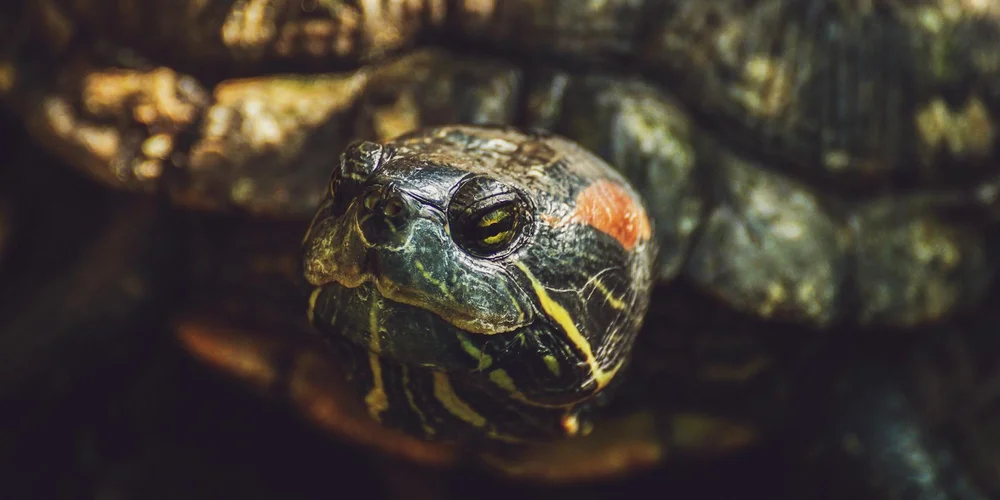
Pet turtle species display a wonderful array of colors and patterns, making each one visually unique.
- Shell Colors: Ranges from dark brown and olive green to striking black, often accented with yellow, red, or tan markings.
- Shell Patterns: Includes radiating star patterns, intricate mosaics, spotted designs, and symmetrical blotches.
- Skin Colors: Often features greens and browns with vibrant stripes or spots in yellow, red, or orange.
For popular species, the variations are distinct. Red-eared sliders typically have olive-green shells and skin, highlighted by the namesake red stripe behind each eye. Painted turtles are living rainbows, with dark shells edged in red and skin streaked with yellow and red. If you’re deciding which is the right pet turtle, consider care needs and space requirements. Red-eared sliders generally need larger aquatic setups with reliable UVB lighting, while painted turtles have different dietary and habitat needs.
I’ve watched my turtles’ colors subtly shift over time. My Greek Tortoise, Bronte, seemed to develop richer, more golden tones in her shell as she matured, which complemented her graceful and thoughtful nature perfectly. Even my reserved Box Turtle, Orwell, shows more vibrant yellow in his patterns after he sheds his old scutes. It’s a slow, beautiful transformation to witness.
Species-Specific Shell and Body Hues
Freshwater Turtle Colors
Freshwater turtles display a fascinating aquatic palette, from the vibrant to the camouflaged. Their colors are a direct reflection of their lifestyle and habitat.
- Red-Eared Sliders: Young sliders boast brilliant green shells with bold yellow stripes and, of course, the signature red ear patch. As they age, this green often darkens to a near-black or olive, and the patterns can become less distinct.
- Snapping Turtles: These prehistoric-looking turtles typically have dark brown or black, rugged shells, perfect for blending into muddy riverbeds. Their skin is often a mottled gray or brown, helping them remain unseen by prey.
- Soft-Shelled Turtles: They trade a hard shell for a leathery, olive-green to brown carapace. Their long noses and flat bodies are shades of tan or gray, making them look like living river stones.
I’ve noticed my own aquatic turtles’ colors are more vibrant than their wild cousins. Clean water, a varied diet, and proper UVB lighting in captivity can intensify their natural hues. Wild turtles often appear darker or more muted, a perfect disguise against predators and murky waters.
Land Turtle and Tortoise Colors
Land turtles and tortoises wear the colors of the earth itself. Their shells are a masterpiece of natural camouflage, designed for life on solid ground.
- Russian & Greek Tortoises: My Russian tortoise, Austen, has a beautiful brown and tan shell with dark, intricate markings. Greek tortoises, like my Bronte, often display a golden-brown shell with dark blotches. These earthy tones help them blend into dry grasslands and scrub.
- Box Turtles: Orwell, my box turtle, sports a high-domed, dark brown shell adorned with stunning yellow radiating patterns. Their plastron (bottom shell) is often a hinged, dark brown, allowing them to completely “box” themselves up for safety.
A turtle’s natural color is its birthright and a key indicator of its well-being. Early signs of an unhealthy shell can include softness, cracking, or discolored patches. If you notice any of these, it’s important to seek veterinary advice promptly. I am a strong advocate against any artificial means of changing shell color, such as painting, which is harmful, blocks vital UVB rays, and can lead to severe health issues. A healthy, naturally colored shell is a sign of a happy turtle.
Sea Turtle Color Variations
While not pets, sea turtles offer a stunning context for turtle coloration. Their colors are adapted for a life in the open ocean.
- Hawksbill Sea Turtles: Known for their stunning, tortoiseshell-patterned carapace with overlapping scales in a mix of amber, brown, and gold.
- Green Sea Turtles: Despite their name, their shell is not green but a blend of browns, olives, and blacks; they are named for the greenish color of their fat.
Understanding these variations helps us appreciate the purpose of color in all turtles. For pet owners, it reinforces why mimicking a natural environment is so crucial for our shelled companions’ physical and mental health.
Why Turtle Colors Change Over Time
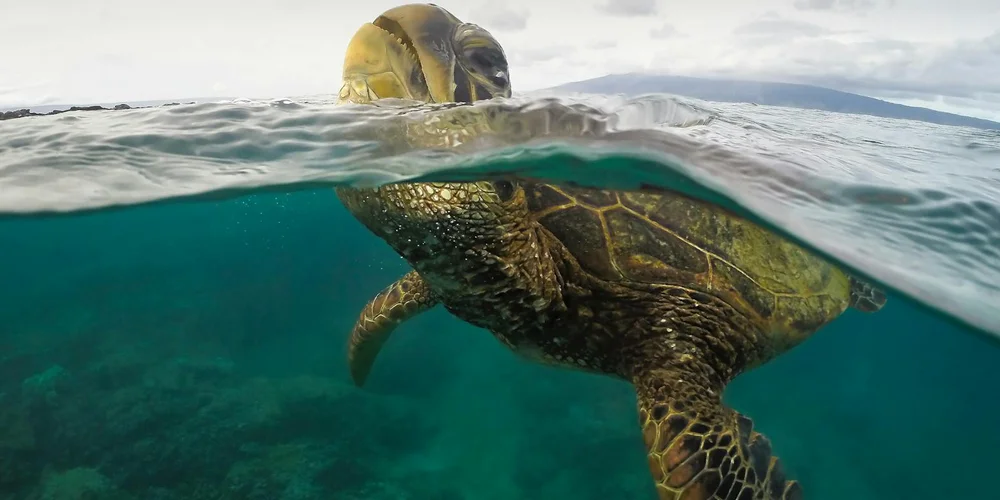
Watching a turtle’s colors shift over the years is a normal part of their life journey. Some changes are part of graceful aging, while others signal a need for your attention.
- Aging Effects: Just like us, turtles show their age. Shells often darken overall or develop a more muted, weathered appearance. The vibrant yellows and greens of a young red-eared slider will almost certainly fade into deeper, more solid tones as it becomes a senior.
- Environmental Factors: Sun exposure is a major player. A turtle that basks frequently under a strong UVB light may have a slightly faded or bleached-looking carapace, which is generally harmless. Conversely, a lack of proper lighting can lead to duller, less vibrant colors.
- Health-Related Changes: This is where your watchful eye is vital. Shell rot often appears as soft, discolored, or pitted spots, usually white, green, or black. Fungal infections can present as a white, fuzzy film. A sudden, overall dullness can sometimes indicate nutritional deficiencies or systemic illness.
Regular, gentle observation is your most powerful tool for early health detection. Make a habit of checking your turtle’s shell and skin during tank cleanings or feeding time. Look for any sudden spots, soft areas, or drastic color shifts. When in doubt, a quick photo to share with your exotic veterinarian can provide peace of mind or an early diagnosis.
Health and Care for Vibrant Turtle Colors
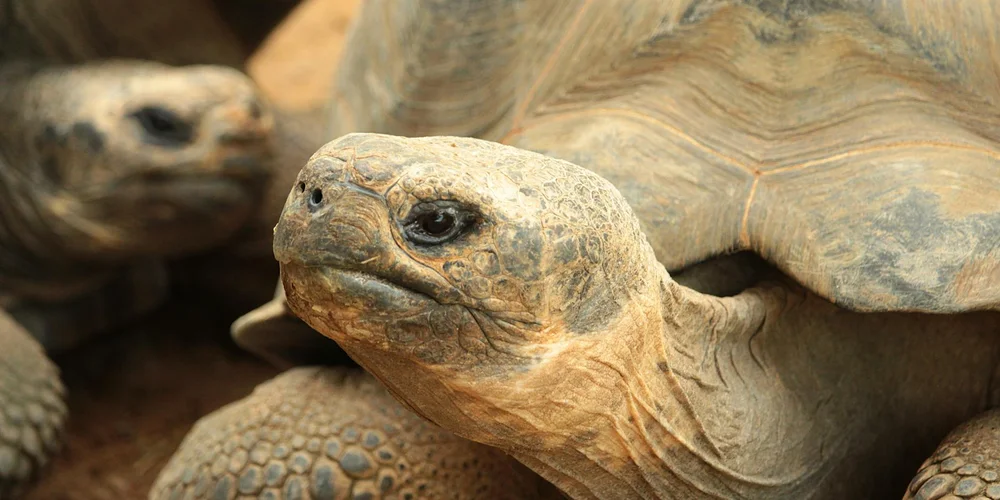
To keep your turtle’s colors bright, focus on a balanced diet and a clean habitat. I’ve noticed that my Russian Tortoise, Austen, maintains his rich brown and tan shell when I feed him dark leafy greens like kale and dandelion greens, which are packed with nutrients. Nutrition directly impacts shell health, so a diet including calcium-rich foods and variety matters. For aquatic turtles, include calcium-rich foods like cuttlebone to support shell health.
A proper habitat prevents fading and stress. Ensure your turtle has access to both warm basking spots and cooler areas, mimicking their natural environment for optimal color retention. I keep Bronte’s enclosure with a temperature gradient, and her golden brown shell has stayed vivid for years.
- Expose your turtle to UVB light daily for at least 10-12 hours to help them produce vitamin D3, which is crucial for shell pigmentation.
- Change water weekly for aquatic species to avoid buildup that dulls colors, using a filter to maintain clarity.
- Inspect the shell monthly for any discoloration or damage, gently cleaning with a soft brush to remove algae.
- Offer a varied diet with vegetables like carrots and squash, which contain beta-carotene to enhance natural hues.
Hard water stains can leave white deposits on shells, making colors look washed out. To prevent this, use filtered or dechlorinated water in their habitat, and wipe the shell gently during routine cleanings. I’ve dealt with this with Orwell, my Box Turtle, and switching to purified water kept his dark brown shell free of stains.
Ethical care is key to avoiding stress-induced color changes, like darkening or patchiness. Provide hiding spots and minimize handling to reduce anxiety, as I’ve seen how a calm environment helps turtles like Bronte stay graceful and colorful. Advocate for their well-being by avoiding overcrowded tanks and sudden changes in their routine.
Fascinating Facts About Turtle Colors
Turtle blood is typically red, much like ours, due to hemoglobin, but it’s a detail many overlook. This red blood helps transport oxygen, supporting their active lives and vibrant shell maintenance. Their eggs vary in color too; for instance, some species lay white or pale eggs that blend into nesting sites.
Turtles have excellent color vision, which influences how they interact with their world. They can distinguish hues to find food, like red berries, or avoid predators, adding a layer of depth to their daily behaviors. I’ve watched Austen use his vision to pick out the greenest leaves, showing how color guides their choices. In turtles, perception goes beyond color—smell and touch also guide their actions. This multi-sensory perception helps them navigate varied habitats.
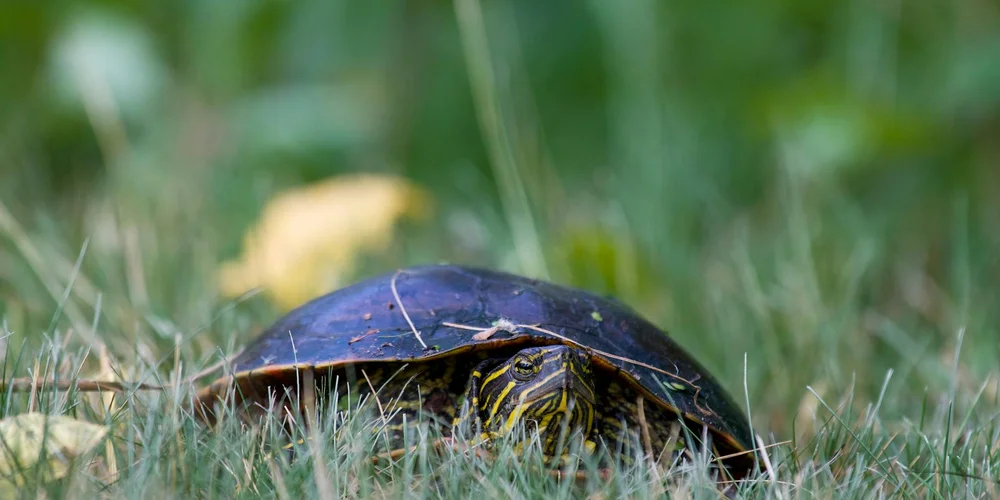
Regional variations add quirks to turtle appearances. In different habitats, species like the Painted Turtle might have brighter or duller shells, much like how ocean depths shift from sunlit gold to abyssal blue. This adaptation helps them camouflage and thrive in local environments.
Observing these color nuances feels like exploring a living palette. Each shell tells a story of genetics and environment, reminding me why ethical care matters for preserving their natural beauty. From Orwell’s reserved patterns to Bronte’s graceful blotches, these details make turtle-keeping endlessly engaging.
FAQs
How do turtles perceive colors with their vision?
Turtles have excellent color vision that aids in finding food and navigating their surroundings. This ability helps them distinguish between hues like red and green for survival. It’s interesting to note how turtles see colors and whether they are colorblind.
Is there a genetic code that determines turtle shell colors?
Yes, specific genes control pigments like melanin for dark shades and carotenoids for yellows and reds in shells. These genetic factors ensure color patterns are unique to each species and individual.
Are there educational turtle shell coloring pages available?
Yes, many websites offer free printable turtle shell coloring pages for fun and learning. These activities help children and owners recognize different species and their natural color varieties.
How are turtle shell colors represented in cartoons?
Cartoons often use bright, exaggerated colors to make turtle characters more appealing and recognizable. While entertaining, these depictions may not always match the subtle, earthy tones of real turtles.
Can hard water permanently affect a turtle’s shell color?
Hard water can cause white mineral deposits that temporarily dull the shell’s appearance. Regular cleaning with filtered water usually restores the natural colors without lasting damage.
Your Turtle’s True Colors
Ultimately, your turtle’s shell color is a beautiful map of its species and a vital sign of its overall health. From the earthy browns of my Russian tortoise, Austen, to the golden patterns on Bronte, each hue tells a unique story about your shelled companion. Understanding these color shifts is a form of turtle body language—signaling stress, mood, or readiness to move. By paying attention to how shell tones change with temperature, touch, or environment, you can better interpret what your turtle is telling you.
Embrace the journey of learning, as understanding these subtle color cues is a cornerstone of compassionate pet turtle care. I encourage you to keep observing, keep asking questions, and provide a habitat that lets your turtle’s natural vibrancy shine through for years to come. Part of this awareness is learning how to tell if your turtle is stressed, so you can respond quickly or seek help when needed. If you notice signs like persistent hiding, reduced appetite, or unusual shell color, consider contacting a veterinarian or experienced turtle keeper for guidance.
Further Reading & Sources
- 18 Colors Of Turtles (Rarest to Most Common)
- r/TMNT on Reddit: What color are the turtles shells?
- Turtle shell – Wikipedia
- Turtle Shell Pattern Images – Browse 64,581 Stock Photos, Vectors, and Video | Adobe Stock
Matthew is a dedicated turtle enthusiast and conservationist with over 15 years of experience in reptile care. Known affectionately as "The Leatherback" among his peers, he combines his passion for turtles with a commitment to educating pet owners on responsible turtle care and environmental stewardship.
Aquatic Turtles