
How Long Can a Turtle Go Without Calcium and UVB?
Published on: August 15, 2026 | Last Updated: August 15, 2026
Written By: Matthew The
If you’re worried about how long your turtle can safely go without calcium or UVB light, you’re asking the right, urgent question.
I’ve cared for my tortoises, Austen and Bronte, for over a decade, and I’ve learned that these two elements are the bedrock of their health.
In this article, we’ll cover: the critical roles of calcium and UVB, the dangerous timeline of deficiency, the heartbreaking consequences for your turtle’s shell and bones, and how to create a simple, effective care routine.
Why Calcium and UVB Are Vital for Turtle Health
Think of calcium as the primary building block for your turtle’s entire skeletal structure.
Without sufficient calcium, a turtle’s body will start to leach it from their own bones and shell to support critical nerve and muscle function.
This leads directly to a soft, pliable shell and weakened bones, a condition known as Metabolic Bone Disease (MBD).
But here’s the crucial part I learned with my tortoises, Austen and Bronte: calcium is useless without its partner.
UVB light acts like your turtle’s personal internal sunshine.
When your turtle basks under a proper UVB lamp, their skin synthesizes Vitamin D3, which is the key that unlocks calcium absorption in the gut.
You can offer all the calcium-rich foods in the world, but without UVB to produce D3, that calcium simply passes through their system unused.
Watching Austen methodically bask every morning reinforced how this natural cycle is non-negotiable for their well-being.
How Long Can Turtles Survive Without Calcium and UVB?
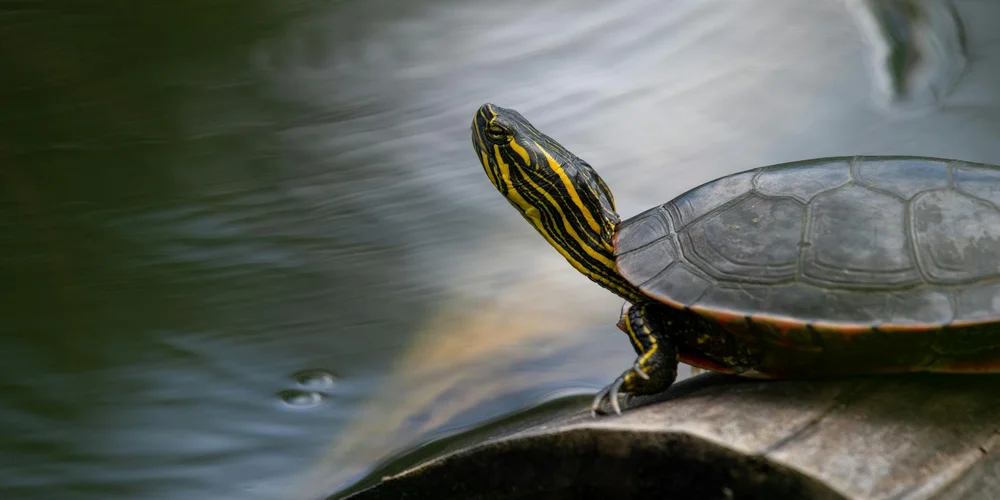
The safe timeframe is shockingly short, and it varies dramatically with age and species.
For a rapidly growing hatchling, signs of deficiency can begin to appear in as little as a few weeks without proper UVB exposure and dietary calcium.
Adult turtles are slightly more resilient due to their slower metabolisms, but they are not immune.
My rule, honed from years of care, is that any period beyond a couple of days starts to introduce risk.
Reptile physiology is not built for sudden deprivation of these core elements.
Here is a comparison of how different life stages are affected:
| Life Stage | Estimated Time Before Noticeable Issues | Primary Risks |
|---|---|---|
| Hatchlings & Juveniles | 2 – 4 weeks | Severe shell deformities, stunted growth, tremors |
| Adults | 1 – 3 months | Progressive shell softening (MBD), lethargy, fractures |
| Senior Turtles | 1 – 2 months | Rapid onset of MBD, difficulty moving, poor health |
It is a dangerous gamble to assume your turtle will be fine for a “short while” without these essentials.
I’ve seen the subtle onset of pyramiding in a shell from just a month of suboptimal conditions.
Consistency is the only true path to preventing these entirely avoidable health crises.
Consequences of Calcium and UVB Deficiency in Turtles
Shell Deformities and Bone Weakness
Without proper calcium and UVB, a turtle’s body cannot build strong bone and shell tissue. This deficiency directly causes Metabolic Bone Disease (MBD), a painful and debilitating condition I’ve seen in too many rescue cases. From a turtle anatomy perspective, the shell is a living, integrated part of the skeleton—the carapace and plastron formed by fused bones. Adequate calcium and UVB are essential for proper ossification of these shell bones and the overlying keratinous scutes. The shell may begin to pyramid, forming unnatural, bumpy ridges instead of a smooth dome. In more severe cases, the shell and jawbone can become dangerously soft and pliable.
I once cared for a rescued Russian tortoise whose shell was so soft you could press on it with a gentle finger. The damage from advanced MBD is often permanent, leaving a turtle with a lifetime of structural challenges. A visual guide to shell damage showing the different types of shell damage and what they mean can help owners recognize problems early. It can also help distinguish MBD-related damage from other injuries.
Neurological and Mobility Issues
Calcium is vital for nerve function and muscle contraction. When levels plummet, the nervous system begins to fail. You might notice subtle tremors that escalate into full-body seizures or partial paralysis in the legs. This condition, hypocalcemia, makes movement a struggle, and your once-active pet may become lethargic and unable to walk properly.
Early intervention is the only way to halt this progression. Watching a turtle suffer seizures is heartbreaking, and it’s a clear sign their basic physiological needs are not being met.
Long-Term Health Decline
The problems extend far beyond the skeleton. Chronic calcium deficiency weakens the entire immune system, making your turtle susceptible to every passing infection. I’ve observed females become egg-bound, unable to lay their eggs because their reproductive tracts lack the strength to function.
This long-term decline is usually the result of ongoing husbandry mistakes. It’s a slow, quiet crisis that ultimately shortens a turtle’s life and diminishes its quality in every way. Learn about the most common turtle care mistakes and how to avoid them. Using correct husbandry practices can help prevent these declines.
Recognizing Signs of Calcium and UVB Deficiency
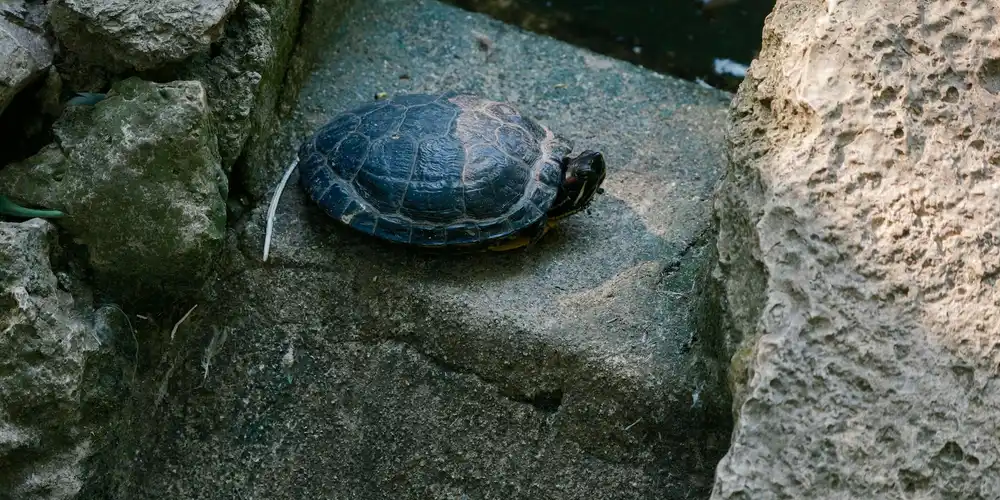
Catching the signs early can change everything. Make a habit of gently observing your turtle during feeding and basking times. Regular, mindful checks are your best defense against severe health issues. Watch for any irregularities that may require professional attention.
- A shell that feels soft or flexible to the touch
- Obvious difficulty walking, climbing, or swimming
- Lethargy and a general lack of energy
- Loss of appetite or difficulty catching food
- Swelling in the limbs or jaw
- Tremors or twitching in the legs or head
I once noticed my Greek tortoise, Bronte, was slightly less graceful when navigating a small log. That tiny change in mobility was my first clue to adjust her UVB lamp, preventing a much larger problem.
Immediate Steps for a Turtle with Deficiencies
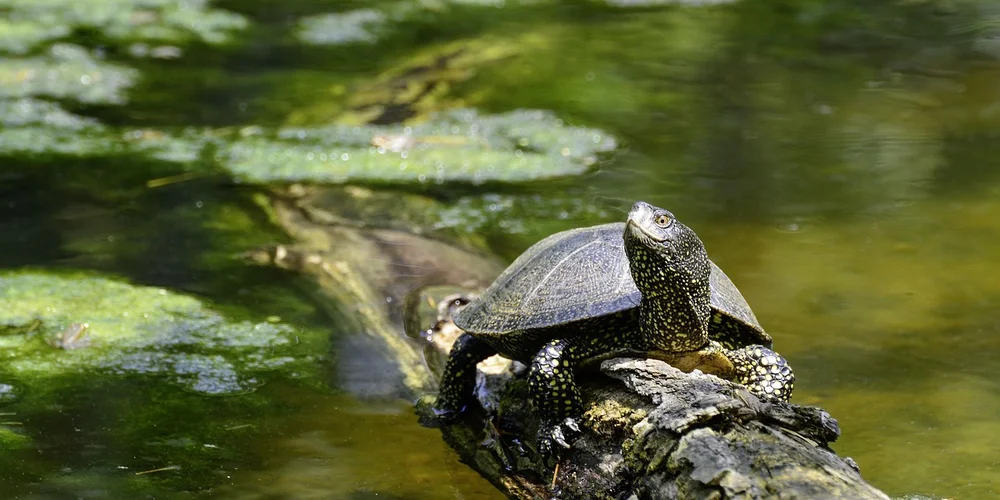
If you suspect a deficiency, act quickly but calmly. Panic helps no one, but purposeful action saves lives. Your first and most critical step is always to consult an experienced reptile veterinarian. They can provide a definitive diagnosis and guide treatment.
- Schedule a Veterinary Appointment: Do not attempt to diagnose and treat severe MBD or hypocalcemia on your own.
- Review Your UVB Lighting: Ensure your UVB bulb is the correct type (e.g., Reptisun 5.0 or 10.0) and is not older than its recommended replacement date, typically every 6-12 months.
- Provide a Balanced Diet with Supplements: Dust your turtle’s food with a pure calcium carbonate powder. In emergency situations, a vet may administer calcium gluconate injections.
- Ensure Proper Hydration: Offer fresh, clean water daily for drinking and soaking. Hydration supports overall metabolic function.
- Optimize the Enclosure: Create a proper temperature gradient with a dedicated, warm basking spot directly under the UVB light to encourage natural behaviors.
From my hands-on work with rescues, I’ve seen that recovery is possible. A consistent, corrected environment is the foundation upon which a turtle rebuilds its health. For those bringing home a rescued turtle, our first-month rehabilitation guide outlines practical steps, daily routines, and what to monitor. These initial weeks set the stage for lasting health and resilience.
Preventing Calcium and UVB Deficiencies in Pet Turtles
Selecting and Using UVB Lighting
Getting the lighting right is the single most impactful thing you can do for your turtle’s long-term health. Think of UVB lighting as your turtle’s non-negotiable substitute for natural sunlight, directly enabling them to process the calcium in their diet. Without it, that calcium is just passing through their system, useless. That’s why UVB lighting is critical for turtles: it must be set up correctly from day one. A proper UVB setup helps prevent metabolic bone disease and ensures calcium is actually utilized.
I learned this the hard way years ago with a rescued turtle who came to me with a slightly soft shell; correcting his lighting made all the difference. You want a linear fluorescent UVB tube light, as the compact coil bulbs often don’t provide adequate coverage. Place the light directly above the basking area, not at an angle, and follow the manufacturer’s distance guidelines precisely-usually 10-12 inches away for most species.
UVB bulbs degrade long before they burn out. You must replace your UVB bulb every 6 to 12 months, even if it still lights up, to ensure your pet is receiving the necessary rays. I mark my calendar for every 10 months as a safe routine for my crew.
Simple UVB Enclosure Checklist
- Use a linear fluorescent tube style UVB light.
- Position the lamp so it shines unobstructed (no glass or plastic covers) on the basking spot.
- Maintain the correct distance between the lamp and your turtle’s shell.
- Set a reminder to replace the bulb every 6-12 months.
- Provide a consistent 10-12 hour light cycle daily using a timer.
Balancing Diet with Calcium Supplementation
Even with perfect lighting, you need to provide the raw materials. A varied diet rich in dark, leafy greens like dandelion greens and turnip greens forms a fantastic calcium foundation. I forage for safe, pesticide-free weeds for Austen and Bronte, who gobble them up.
For most turtles, especially those not eating a wide variety of greens, supplementation is key. I use a pure calcium carbonate powder (without vitamin D3) and lightly dust their food. Over-supplementing can be as harmful as a deficiency, so moderation is everything. I made the mistake of dusting every meal for a new, anxious eater once, and it put her off her food entirely. Diet and nutrition directly influence shell health—the right balance of greens, minerals, and calcium supports strong, well-formed shells. Beyond supplements, a varied, high-quality diet is essential to turtle shell health.
Here is a sample feeding routine I use for my adult Russian and Greek tortoises:
- Monday, Wednesday, Friday: A large mix of fresh greens (escarole, endive, spring mix) with a light sprinkle of calcium powder.
- Tuesday, Thursday: The same greens, but without any powder.
- Weekend: A “fasting” day or a very small, plain meal to mimic natural patterns.
For my box turtle Orwell, who is more omnivorous, I follow a similar schedule but include protein sources like earthworms or snails, dusting the insects with calcium before offering them.
Special Considerations for Young and Vulnerable Turtles
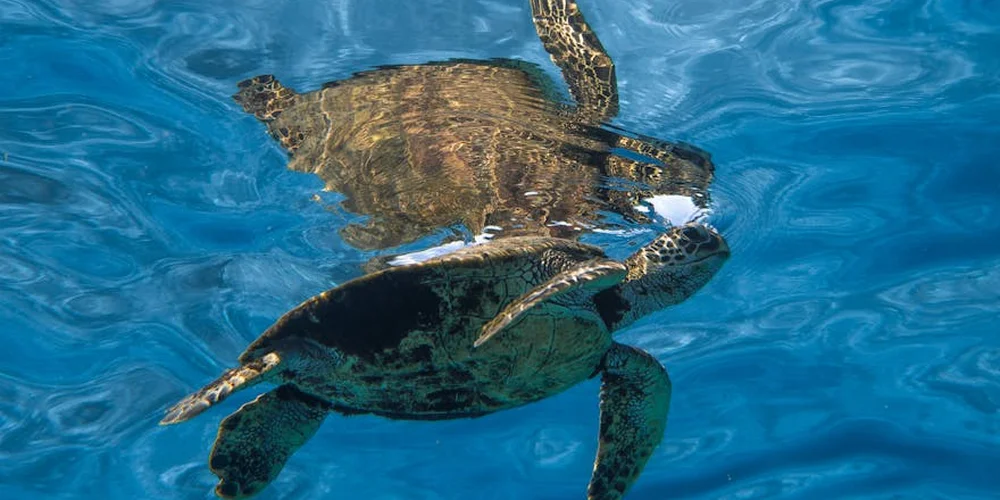
Young turtles are in a constant state of building bone and shell. Juveniles are essentially construction sites, requiring a steady and abundant supply of calcium and UVB to support their rapid growth. The risk of Metabolic Bone Disease (MBD) is highest during this life stage because their demand is so immense.
I was especially vigilant with Orwell when he was young. His growth rate was astonishing, and I knew any lapse in his care could lead to permanent pyramiding or a soft, pliable shell. For a growing turtle, a calcium deficiency can cause deformities in a matter of weeks, not months. Their little bodies are pulling calcium from their bones to try and keep up, which quickly leads to weakness.
My advice is to provide young turtles with near-constant access to a proper UVB source and dust their food with calcium more frequently than you would for an adult-sometimes 4-5 times a week. Watch them closely. A healthy, growing juvenile should be active, have a strong appetite, and its shell should feel completely solid and firm to the touch.
FAQs
How often should I replace my turtle’s UVB light?
UVB bulbs degrade over time, even if they still emit visible light. It’s essential to replace them every 6 to 12 months to maintain proper UVB output for your turtle’s health. When diagnosing your turtle’s habitat, include a quick checklist for perfect lighting, heat, and water.
What are the best dietary sources of calcium for turtles?
Offer dark, leafy greens like dandelion greens and turnip greens as a natural calcium base. Supplement with a pure calcium powder dusted on food a few times a week for balanced nutrition.
Can I use natural sunlight instead of a UVB lamp for my turtle?
Direct, unfiltered sunlight is beneficial but inconsistent and risky due to weather and overheating. A dedicated UVB lamp provides a reliable, controlled source year-round for optimal care.
Your Turtle’s Lifeline: A Quick Recap
Never gamble with calcium and UVB light; they are the non-negotiable pillars that build your turtle’s health from the shell out. Providing a balanced diet with proper supplementation and a quality UVB bulb is the most direct way to ensure a long, vibrant life for your shelled companion. Choosing the best UVB lights and reliable calcium supplements can make a real difference in your turtle’s shell health. When paired with the right lamp and diet, you set the stage for a healthy, vibrant shell.
Your commitment to learning is the greatest gift you can give your pet. Stay curious, keep asking questions, and let your love for your turtle guide you to become an even more knowledgeable and caring guardian. You can also train and bond with your pet turtle through gentle, patient practice. Short, positive training moments can strengthen trust and deepen your connection.
Further Reading & Sources
- UVB Light In Turtle Tanks
- UVB Light Bulbs: Essential for Turtles’ Health – Talis Us
- UVB Light Bulbs for Turtles: A Guide to Proper Lighting – Talis Us
- Do turtles need UVB light? A guide to turtle heat and lighting | King British
Matthew is a dedicated turtle enthusiast and conservationist with over 15 years of experience in reptile care. Known affectionately as "The Leatherback" among his peers, he combines his passion for turtles with a commitment to educating pet owners on responsible turtle care and environmental stewardship.
Supplements and Vitamins