
What Is a Group of Turtles Called?
Published on: October 10, 2026 | Last Updated: October 12, 2026
Written By: Matthew The
You’ve probably seen turtles gathered together and wondered if there’s a special name for that group, maybe worrying you’ll use the wrong term in conversation or miss out on a fun animal fact.
We’ll explore the common name for a turtle group, variations by species, the origins of these terms, and how this knowledge supports turtle welfare and conservation.
The Collective Noun for Turtles
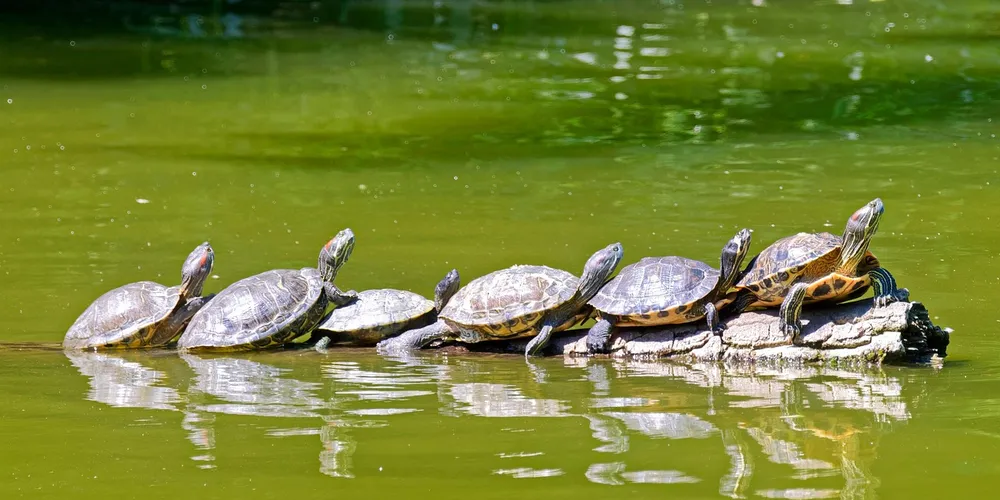
When turtles gather, they form what is known as a bale. This term “bale” evokes the image of a tight-knit bundle, much like how turtles often cluster for warmth or safety. It stems from Old French, meaning a package, and it perfectly captures their communal behavior.
I’ve seen this with my own tortoises, Austen and Bronte, when they huddle under their heat lamp. Watching a bale in action reminds you that even solitary creatures find comfort in company. Their slow, deliberate movements create a soothing rhythm in any space.
Group Names for Different Turtle Types
Sea Turtle Collectives
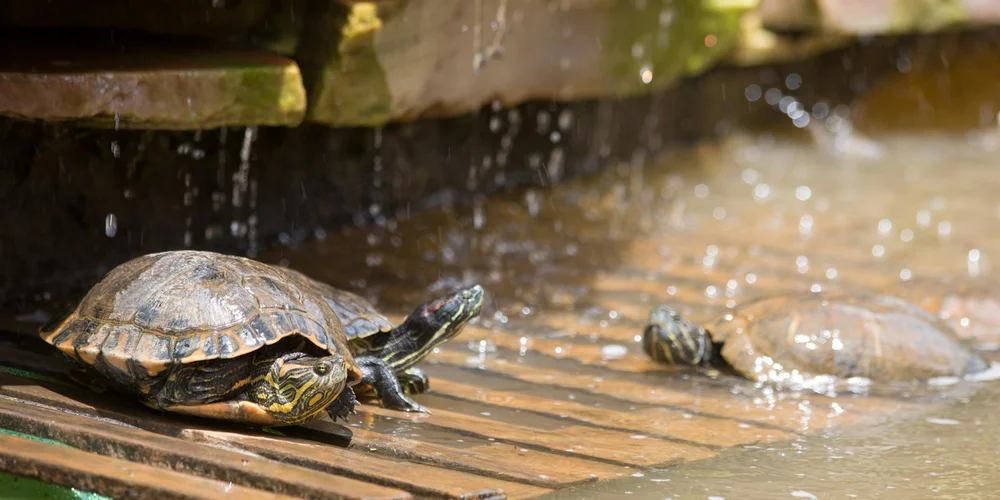
Sea turtles, gliding through ocean depths, have collective names that reflect their aquatic life. You might call a group of sea turtles a “bale” or a “float,” with “float” highlighting their buoyant, drifting nature. These names aren’t just whimsical; they stem from observations of their behavior in the wild. Usually, sea turtles float normally, but buoyancy can become problematic. We’ll examine why that happens and how it affects their lives in the ocean.
I recall snorkeling trips where I spotted a float of green sea turtles resting on coral reefs. If you’re wondering where to see sea turtles in the wild, seek sheltered bays, seagrass beds, and reefs in tropical waters. Protecting marine environments ensures these majestic floats can thrive for generations. Their synchronized swimming feels like a gentle dance in the waves.
Land Turtle and Tortoise Collectives
For land dwellers like tortoises, the common term is a “creep.” A creep of tortoises moves with a slow, deliberate pace that embodies patience and resilience. This name likely comes from their methodical, creeping gait across terrain.
In my backyard, I’ve watched my tortoises-Austen, Bronte, and Orwell-form a quiet creep during their daily explorations. Each brings unique traits to the group, making every creep a lesson in harmony and care. Here’s a glimpse of their personalities in a typical creep:
- Austen, the Russian Tortoise, offers steady leadership with his gentle demeanor.
- Bronte, the Greek Tortoise, adds grace and thoughtfulness to their movements.
- Orwell, the Box Turtle, contributes reserved intelligence, often pausing to observe his surroundings.
Creating a safe habitat for a creep means providing space to roam and hide. Advocating for their welfare starts with understanding how these groups interact in nature and captivity. A well-tended creep, like mine, shows how proper care fosters their natural behaviors.
Do Turtles Live in Groups or Alone?
In the wild, most turtle species are largely solitary creatures. They don’t form social bonds or families like some mammals do. Their interactions are typically driven by the practical needs of basking, mating, or competing for resources, not by a desire for companionship. People often wonder if pet turtles get lonely. They generally don’t seek companionship the way mammals do, but enrichment and a properly set up habitat can support their well-being; whether you should keep a second turtle depends on the species and temperament. I’ve observed my own tortoises for years; they’ll often share a sunny spot completely independently, like strangers on a park bench enjoying the same weather.
Social Behaviors in Pet Turtles
When we bring turtles into our homes, their fundamental nature doesn’t change. What we interpret as “friendship” is often just tolerance or a temporary alignment of interests. You might see them stacked on one another, but this is usually just competition for the best basking position, not a sign of affection. My Russian Tortoise, Austen, will peacefully amble past my Greek Tortoise, Bronte, but they don’t seek each other out for company. That brings up the question: do turtles need friends? This is a core point in the discussion, which shows that many so-called friendships are really about space or resources rather than true companionship.
That said, some nuanced social behaviors do exist:
- Hierarchy Establishment: In a shared space, turtles will often establish a pecking order, which can involve gentle nudging or more persistent following.
- Group Basking: They will congregate under a heat lamp, but this is purely about accessing an essential resource, not socializing.
- Mating Rituals: These are the most complex social interactions you’ll see, involving specific head bobbing, circling, and nipping behaviors.
Housing Multiple Turtles as Pets
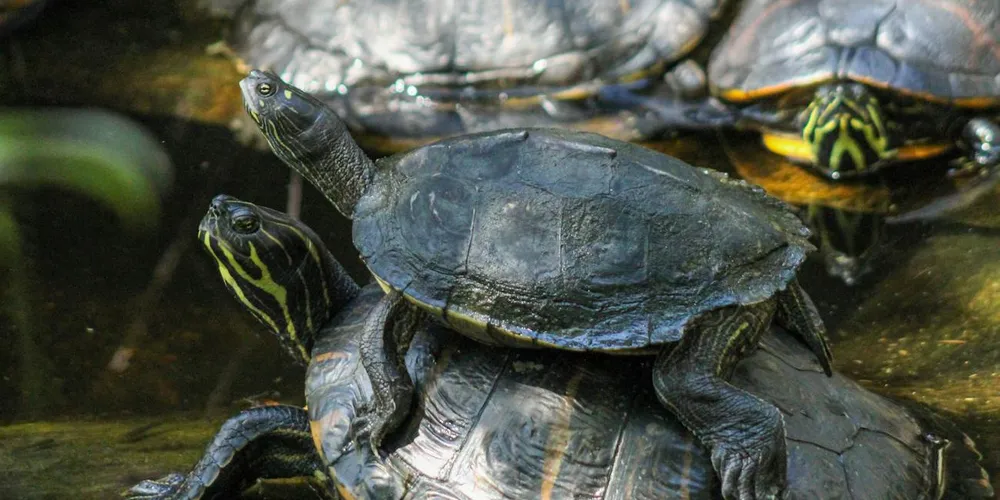
While not necessary for their happiness, keeping multiple turtles is possible with careful planning. The key to success is providing an environment so spacious and resource-rich that competition becomes irrelevant. I learned this the hard way early on; a cramped enclosure led to stress and food bullying before I upgraded their living situation. It’s always essential to consider the ethical considerations of keeping pet turtles.
Choosing Compatible Turtle Species
Mixing species is generally a risky endeavor and not recommended for beginners. Different species have vastly different requirements for humidity, temperature, and diet that are nearly impossible to balance in one habitat. They can also transmit species-specific illnesses to one another.
If you are determined to house more than one turtle, follow these guidelines:
- Stick to the Same Species: This is the safest approach. Turtles of the same species have synchronized needs and behaviors.
- Consider Size and Temperament: Avoid pairing a very large, boisterous turtle with a much smaller, shyer one. The size disparity can lead to intimidation and injury.
- Maintain a Favorable Sex Ratio: A single male with multiple females often works best. Housing multiple males together can lead to constant aggression and stress.
| Species | Generally Good with Same Species? | Notes on Cohabitation |
|---|---|---|
| Red-Eared Slider | Yes, with caution | Can be territorial; requires a very large tank with multiple basking areas. |
| Russian Tortoise | Yes | Often do well in small, female-heavy groups in a spacious outdoor enclosure. |
| Box Turtle | Yes | Can be housed together if provided with ample hiding spots and a large, naturalistic habitat. |
Setting Up a Multi-Turtle Habitat
Creating a home for multiple turtles isn’t as simple as doubling the size of a single-turtle setup. You must think in terms of creating multiple “mini-habitats” within one large space to prevent conflict. Space is the core habitat requirement for pet turtles, and how you arrange that space matters. When people ask, “are space habitat requirements for pet turtles,” the emphasis should be on clear zones for swimming, basking, and hiding to reduce stress. Overcrowding is a major welfare issue that leads to stress, injury, and illness.
Here is a step-by-step approach to setting up a shared enclosure:
- Maximize Space: Provide a minimum of 10 square feet of floor space per turtle, but more is always better. For aquatic turtles, the tank size should be measured in gallons per turtle, not just total gallons.
- Duplicate Essential Resources: Install multiple basking spots, food dishes, and water sources placed far apart. This stops one dominant turtle from guarding all the good spots.
- Create Visual Barriers: Use rocks, plants, and driftwood to break up the line of sight. This gives shyer turtles places to retreat and feel secure.
- Provide Ample Hiding Places: Every turtle should have access to at least two secure hides where they can be completely alone and undisturbed.
- Monitor Closely: Always watch for signs of bullying, such as one turtle preventing others from eating or basking, shell nipping, or constant chasing. Be prepared to separate them permanently if needed.
Baby Turtles and Their Groups
When my Russian tortoise, Austen, was just a tiny hatchling, the term for his group was a simple one. A cluster of baby turtles is most accurately called a “hatchling” of turtles. In their first year, hatchlings quickly become juveniles and show rapid growth. This transition shapes their care needs as they move toward full maturity.
This name perfectly captures that vulnerable first stage of life. They aren’t quite ready for the more robust terms used for adults.
From my experience raising Austen, I noticed hatchlings don’t form large, coordinated groups in captivity like adults might.
- They are often solitary, focusing on eating and growing.
- If you see a group, it’s usually a temporary “clutch” from the same nest.
- Their primary instinct is to find safety, not socialize.
Providing individual care and monitoring is crucial during this delicate life stage.
Fun Facts About Turtle Collectives
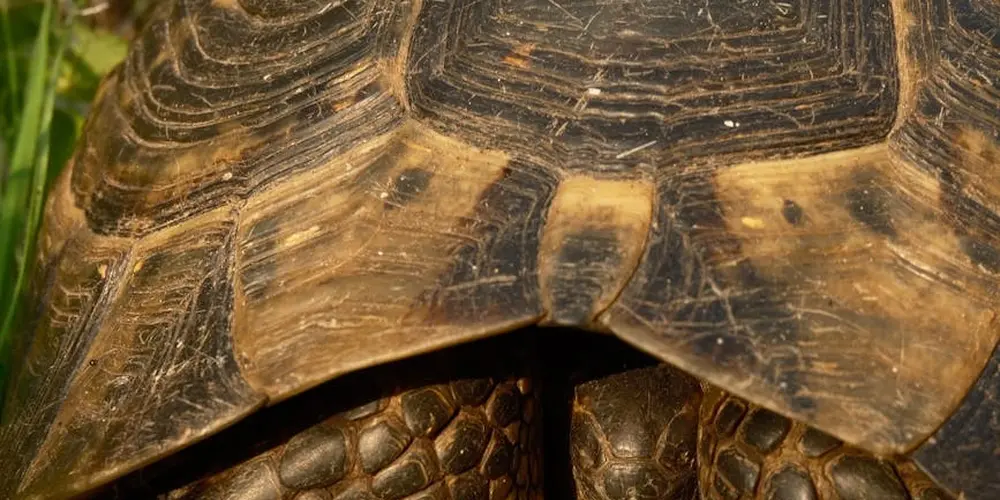
The vocabulary for turtle gatherings is surprisingly rich and paints a vivid picture of their behavior. The most common term, a “bale” of turtles, is thought to come from the turtle’s shell resembling a bale, or bundle, of goods. Speaking of names, the Origin of box turtle name comes from its hinged shell that can close completely, like a box lid. This etymology shows how people name turtles by practical traits they notice.
Watching my three tortoises-Austen, Bronte, and Orwell-bask under their heat lamp, they truly do look like a quiet, living bale.
But the linguistic fun doesn’t stop there. Different situations call for different names.
- A “turn” of turtles often refers to a group laying eggs together on a beach.
- A “dole” is another charming, albeit less common, collective noun you might encounter.
- For sea turtles, a group swimming is sometimes called a “float.”
These collective nouns highlight the turtle’s ancient, methodical nature, a quality I see every day in my own pets.
Their slow, purposeful movements and quiet companionship are a constant, gentle reminder of a different pace of life.
FAQs
What are the different collective nouns for turtles?
Several collective nouns exist for turtles, including bale, float, creep, turn, and dole. These terms often vary based on the species or context in which the turtles are observed.
Is there a standard collective noun for turtles in English?
While “bale” is widely accepted as the common collective noun, no single term is officially standardized. Language usage can differ, leading to a variety of descriptive names for turtle groups.
How do collective nouns for turtles originate?
Collective nouns for turtles typically derive from historical language roots and observations of their behavior. For instance, “bale” comes from Old French, meaning a bundle, which reflects how turtles often cluster together.
Are collective nouns for turtles unique compared to other animals?
Yes, turtles have distinct collective nouns similar to other animals, such as a “pod” of whales or a “murder” of crows. This variety adds richness to the English language and highlights animal characteristics. There are many interesting fun facts about turtles. Some species live for over a hundred years, and sea turtles navigate using Earth’s magnetic field.
Do all turtle species use the same collective noun?
No, collective nouns can differ by species, with “float” commonly used for sea turtles and “creep” for tortoises. These variations help describe specific behaviors or environments of different turtle types.
Your Turtle Care Journey Continues
Understanding that a group of turtles is called a bale enriches how you perceive their social behaviors and care needs. Apply this knowledge to better observe and support your pet turtles, whether they live alone or in groups.
Always prioritize your turtle’s health by providing spacious enclosures and species-appropriate diets. Stay curious and keep learning through reliable sources like Shell Sanctuary’s comprehensive turtle care guide to nurture a happy, thriving life for your shelled companions.
Further Reading & Sources
- 30 Quirky Collective Nouns for Animals | Scribendi
- What’s a group of turtles called? | Homework.Study.com
- Collective Noun for Turtles
- Collective Nouns, etc. – ANIMALS AND ENGLISH
Matthew is a dedicated turtle enthusiast and conservationist with over 15 years of experience in reptile care. Known affectionately as "The Leatherback" among his peers, he combines his passion for turtles with a commitment to educating pet owners on responsible turtle care and environmental stewardship.
Understanding Turtle Behavior