
Are Turtles Vertebrates or Invertebrates?
Published on: October 8, 2026 | Last Updated: October 8, 2026
Written By: Matthew The
You might be puzzling over whether turtles have backbones, especially when their unique shells and slow movements make them seem like they could belong to a completely different animal group. I’ve spent years caring for turtles like my Russian tortoise, Austen, and I can tell you that understanding their anatomy is key to appreciating their place in the animal kingdom.
In this article, we’ll cover: vertebrate characteristics, turtle skeletal details, common misconceptions, and why this knowledge matters for turtle welfare.
The Clear Answer: Turtles Are Vertebrates
From my years of caring for my own shelled companions, I can state this with absolute certainty: turtles are vertebrates, possessing a backbone and a full internal skeleton just like we do.
When I gently pick up my Russian tortoise, Austen, I can feel the solid, living structure beneath his shell. That structure is his spine. This bony framework is what classifies him, and all turtles, squarely within the vertebrate group of the animal kingdom.
What Makes an Animal a Vertebrate?
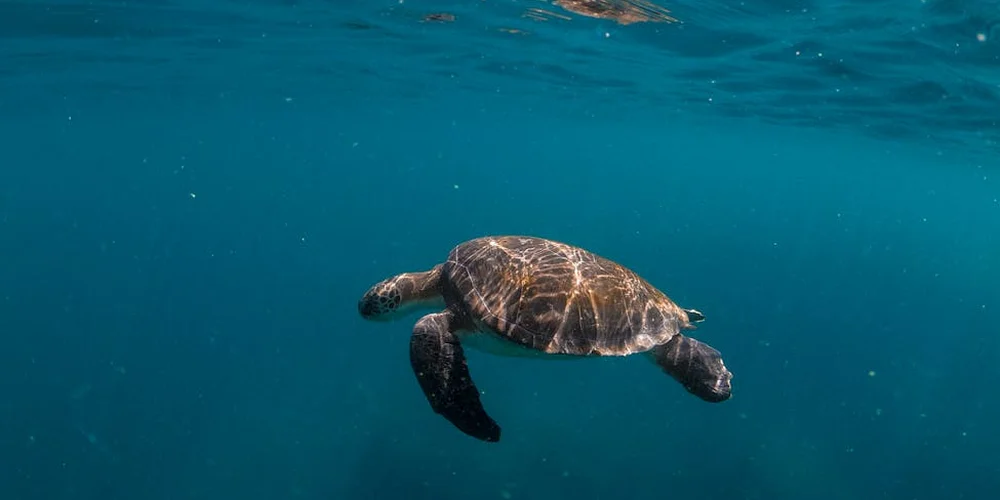
Vertebrates are a specific group of animals defined by one key feature. This single characteristic separates them from animals like insects, worms, and jellyflies.
- A Backbone (Spinal Column): This is the defining trait. It is a series of interlocking bones called vertebrae that protect the spinal cord.
- An Internal Skeleton: This bony or cartilaginous framework provides support, protects organs, and allows for muscle attachment.
- A Skull: A bony case that houses and protects the brain.
- Bilateral Symmetry: The body can be divided into mirror-image halves along one plane.
That protective backbone is the non-negotiable ticket into the vertebrate club. It is the central support system from which the rest of the body is organized.
This classification matters deeply for us as caretakers. A vertebrate’s biology dictates its needs. Their internal skeletons mean they require specific minerals, like calcium, for bone health. It influences how they move, how they grow, and even how a veterinarian would diagnose and treat them.
When you look at your turtle, you are not looking at a mobile rock. You are looking at a complex vertebrate animal whose most famous feature, its shell, is actually an integral part of its spine and rib cage. Their shell is not a house they carry; it is a part of their skeleton, fused directly to their backbone. In turtle anatomy, the shell is a living, integral part of the skeleton, formed by fused ribs and vertebrae and covered with keratinous scutes. This beautiful, bony architecture makes them one of nature’s most unique vertebrates.
A Deep Dive into Turtle Anatomy
The Shell’s Link to the Spine
Many people mistakenly think a turtle’s shell is a separate house it carries around. In reality, the shell is a deeply integrated part of its skeleton. The backbone, or vertebral column, is actually fused to the top part of the shell, called the carapace. This fusion creates an incredibly strong and protective bony box. That is why the turtle’s shell is considered a strong, hard shield. It doubles as armor and a protected home.
From my years of caring for my Russian tortoise, Austen, I’ve learned to appreciate this unique structure. His gentle, steady pace is a direct result of this robust frame. You cannot separate a turtle from its shell without causing catastrophic injury, as it is part of its living bone structure. The ribs are also broadened and fused to the inner surface of the carapace, forming a rigid cage that protects the internal organs. In basic turtle anatomy, the shell is an integral part of the skeleton. This integration explains how movement and protection work together.
Skull and Skeleton Details
A turtle’s skeleton extends far beyond its famous shell. They possess a complete skull that encases and protects a complex brain. Like all vertebrates, turtles have a jawbone, but theirs is unique as they lack teeth, instead having a sharp, keratinous beak. My Greek tortoise, Bronte, uses her graceful beak to precisely tear leaves.
Their limb bones are another fascinating feature. Turtles have the standard vertebrate limb bones-a humerus in the front and a femur in the back-though they are modified for their specific lifestyle. My box turtle, Orwell, has stout, powerful legs for walking on land, while aquatic species have flippers with elongated finger bones adapted for swimming. The entire internal framework confirms their place firmly within the vertebrate group.
Vertebrates vs. Invertebrates: A Simple Comparison
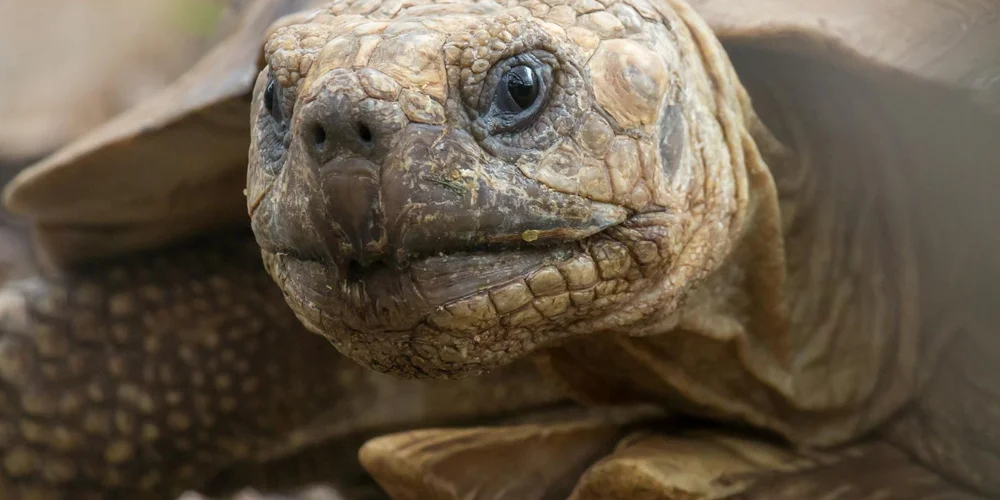
Let’s break down the fundamental differences between these two major animal groups. It really comes down to one key structural element.
| Feature | Vertebrates (Like Turtles) | Invertebrates (Like Insects or Worms) |
|---|---|---|
| Internal Skeleton | Have a backbone and internal bony skeleton. | No backbone; many have an external shell (exoskeleton). |
| Nerve Cord | Protected by the vertebral column. | Not protected by a bony structure. |
| Body Support | Provided by the internal frame. | Provided by a hydrostatic skeleton or exoskeleton. |
| Size Potential | Can grow to be very large. | Generally limited in size by their structure. |
The presence of a backbone and the complex skeleton it supports is the single most defining characteristic of a vertebrate. Turtles, with their fused spine and shell, intricate skull, and jointed limbs, are a perfect and remarkable example of this design. Their unique skeletal structure is often discussed in turtle anatomy and biology FAQs.
Why This Matters for Pet Turtle Care
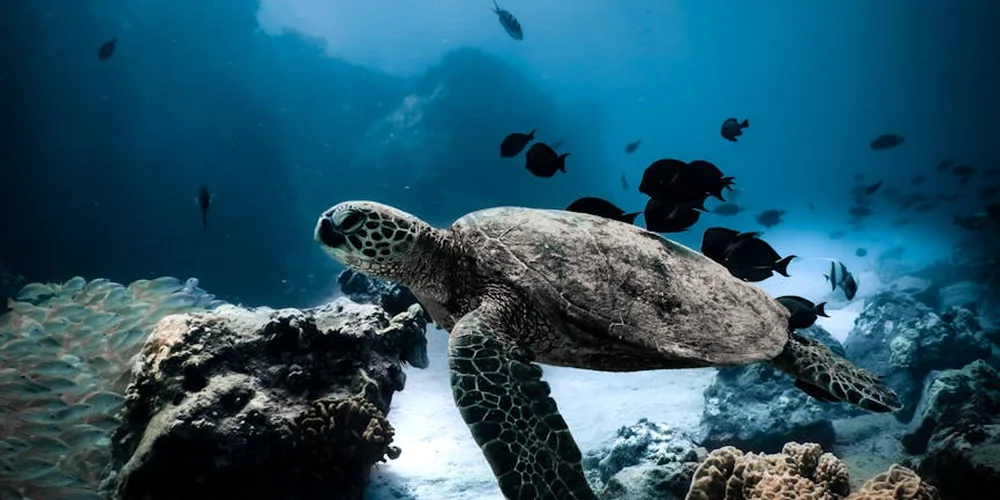
Knowing that turtles are vertebrates shapes how you care for them every day. Their backbone and internal skeleton mean they require specific support in their environment to thrive and avoid health issues.
I learned this firsthand with my Russian tortoise, Austen. His gentle, steady nature hides a delicate spine that needs protection. Providing a habitat with soft substrates and avoiding rough handling prevents stress on his vertebrate structure.
Here are key care tips tied to their vertebrate biology:
- Offer calcium-rich foods like leafy greens to support bone health.
- Ensure enclosures have low obstacles to prevent falls that could injure their spine.
- Schedule regular vet check-ups to monitor for skeletal problems.
Advocating for animal welfare starts with recognizing their physical needs. Treating turtles with care honors their vertebrate bodies and promotes a longer, happier life.
Exploring Turtle Diversity: All Are Vertebrates
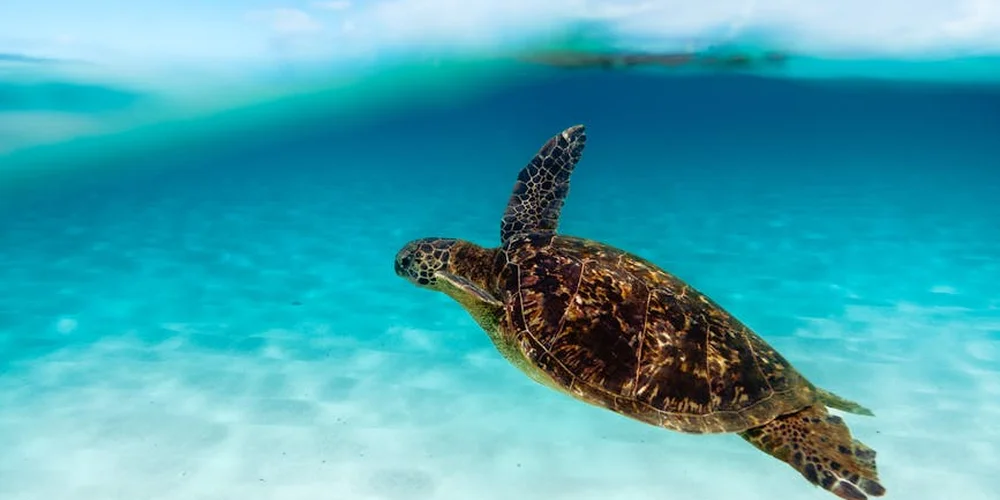
Turtles come in many shapes and sizes, but they all share one key trait. Every species, from desert dwellers to pond swimmers, possesses a backbone that defines them as vertebrates. Are turtles mammals or reptiles? They are reptiles, not mammals.
In my home, Austen’s brown and tan shell feels rugged, while Bronte’s golden brown one has a smoother texture. Despite their differences, both rely on their vertebrate frames for movement and protection.
Consider these common pet turtles and their vertebrate characteristics:
- Austen, the Russian Tortoise: His sturdy shell houses a spine that allows slow, deliberate movements.
- Bronte, the Greek Tortoise: Her graceful demeanor stems from a well-supported skeletal system.
- Orwell, the Box Turtle: His reserved personality doesn’t hide the fact that he depends on his backbone for burrowing and climbing.
This diversity highlights how vertebrate needs unite them. Understanding this helps you tailor care to each type while respecting their shared biology.
FAQs
Are turtles vertebrates or invertebrates according to Wikipedia?
Wikipedia clearly classifies turtles as vertebrates, noting they have a backbone and internal skeleton. This information helps pet owners understand their turtle’s biological needs for proper care. You might wonder: do turtles have backbones and vertebrae? Yes, turtles have a backbone made up of vertebrae, just like other vertebrates.
What does Brainly say about turtles being vertebrates or invertebrates?
Brainly answers consistently state that turtles are vertebrates due to their spinal column and bony structure. Knowing this reinforces why a balanced diet and safe habitat are crucial for pet turtle health. Therefore, it’s important to watch for the most critical health issues in pet turtles. Common red flags include trouble breathing, shell abnormalities, lethargy, and sudden changes in appetite.
How do online quizzes test if turtles are vertebrates or invertebrates?
Online quizzes often ask if turtles are vertebrates, with correct answers highlighting their backbone and skeletal framework. Taking these quizzes can remind pet owners to provide calcium-rich foods and avoid injuries to support their turtle’s vertebrate body.
Your Turtle’s True Nature
Turtles are vertebrates with a backbone fused to their shell, requiring careful handling and habitat setup to support their structure. From watching my box turtle Orwell navigate his space, I know a proper environment prevents stress on their spine and promotes natural behaviors. Careful attention to anatomy health—bone and shell integrity—helps guide enclosure choices. Proper nutrition and regular space to move support spine alignment and mobility.
Embrace your role as a caretaker by always seeking new knowledge about turtle health and welfare. Regularly observe your pet and connect with trusted resources to ensure a life of comfort and dignity for your shelled companion. Be alert for signs that your turtle may need veterinary care. If you notice lethargy, loss of appetite, breathing difficulties, swelling, or shell abnormalities, consult a reptile veterinarian promptly.
Further Reading & Sources
- Flexi answers – Is a turtle a vertebrate or an invertebrate? True/False | CK-12 Foundation
- Turtle facts | Amphibians & Reptiles | BBC Earth
- Is a sea turtle a vertebrate or invertebrate? | Homework.Study.com
- Turtle – Wikipedia
Matthew is a dedicated turtle enthusiast and conservationist with over 15 years of experience in reptile care. Known affectionately as "The Leatherback" among his peers, he combines his passion for turtles with a commitment to educating pet owners on responsible turtle care and environmental stewardship.
Turtle Myths and Misconceptions