
How Long Does It Take for Snapping Turtle Eggs to Hatch?
Published on: September 28, 2026 | Last Updated: September 28, 2026
Written By: Matthew The
If you’ve spotted a snapping turtle nest, you might be anxious about the incubation time and whether the eggs will hatch safely without disturbance.
This article explains the hatching timeline, temperature’s critical role, nesting habits, and how you can help protect these fascinating reptiles.
The Core Incubation Period for Snapping Turtle Eggs
From my years of observing turtle nests, the wait for snapping turtle eggs is a lesson in patience. The typical incubation period ranges from 60 to 90 days, but nature loves to keep us guessing. I’ve seen clutches hatch right on schedule and others take a little longer, much like my Greek tortoise, Bronte, who always takes her time coming out for breakfast.
Several factors can stretch or shorten this timeframe. The type of soil, how deep the nest is, and the amount of rainfall all play a role. A cool, wet summer can easily push hatching to the 100-day mark or beyond. It’s a gentle reminder that these processes operate on nature’s clock, not our own.
The Great Temperature Dance: How Heat Guides Hatching
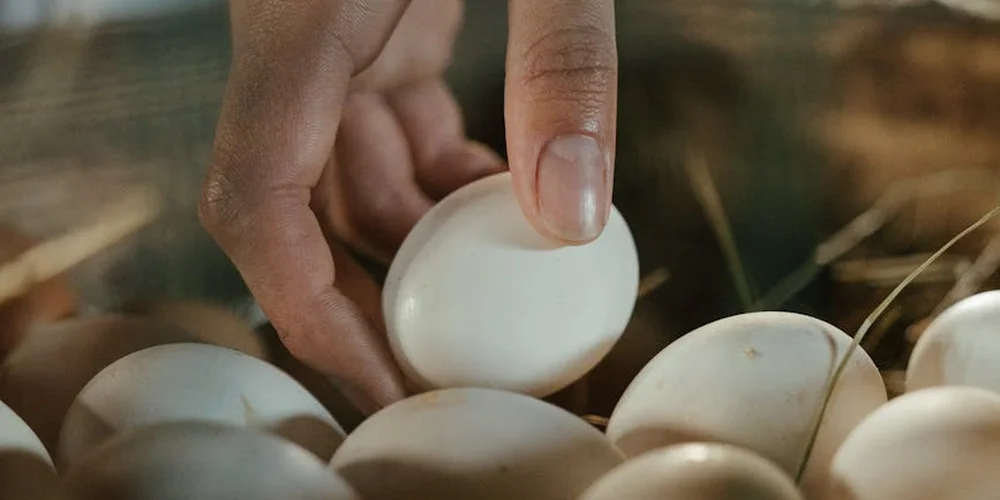
Temperature is the true conductor of this entire process. It doesn’t just influence when the eggs hatch; it determines who hatches. The nest’s temperature during a specific window of development decides the sex of every single baby turtle. This phenomenon, called Temperature-Dependent Sex Determination (TSD), is a fascinating quirk of reptile biology, especially considering the intricate reproductive strategies of turtles.
Warmer nests generally produce females, while cooler nests yield males. The pivotal temperature, where you get a mix, is a narrow band. For common snapping turtles, it often hovers around 78-80°F (25-27°C). Beyond nesting, the ideal water temperature varies by species and is important for metabolism, growth, and activity. Knowing each species’ preferred range helps keep habitats healthy.
- Below 73°F (23°C): The nest will predominantly produce male hatchlings.
- Above 82°F (28°C): You can expect almost all of the babies to be female.
- The “Pivotal” Range (78-80°F): This is the sweet spot for a balanced mix of both sexes.
This is why the placement of a nest is so critical for a healthy population. A nest in full sun will cook up a batch of females, while a deeply shaded spot results in a brotherhood. I think of my own box turtle, Orwell, and how his reserved intelligence might have been shaped by the specific warmth of his own egg. It’s a delicate, beautiful dance between the earth and the life it holds.
Location, Location, Location: How Geography Changes the Timeline
Where your snapping turtle lays her eggs can dramatically shift the hatching timeline. Warmer regions like the southern United States often see eggs hatch in as little as 60 to 75 days, while cooler northern areas might extend this to 90 days or more. This pattern isn’t unique to snapping turtles—it’s a key part of understanding sea turtle nesting seasons, which hinge on nest temperatures and regional climate. I’ve noticed this with turtles in different climates; eggs from a friend’s pond in Florida consistently hatched faster than those I’ve observed in New York.
Elevation and local weather patterns also play a role. Higher altitudes or areas with frequent rain can cool the nest, slowing development and requiring extra patience from you. Always consider your specific environment when anticipating hatch dates.
Beyond Temperature: Other Key Factors in the Nest
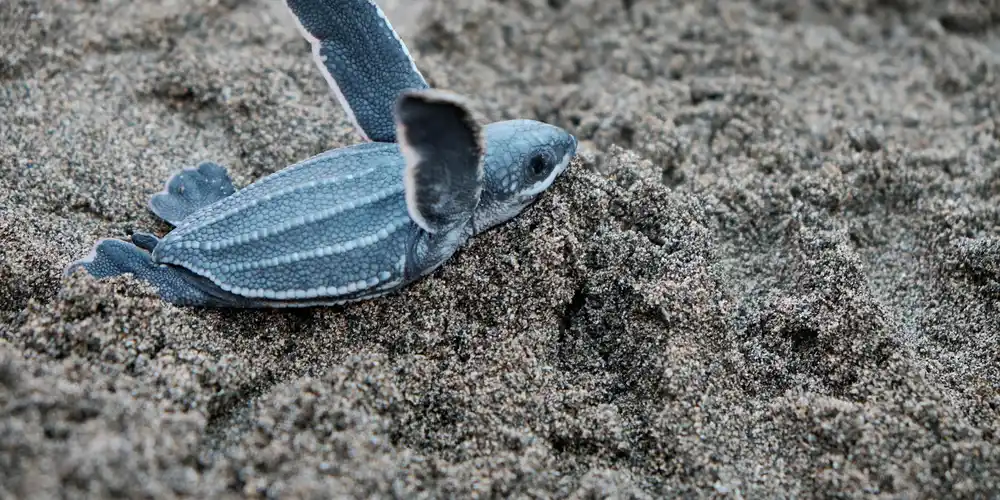
The Role of Substrate and Moisture
Substrate type and moisture levels are crucial for healthy egg development. Snapping turtles prefer sandy or loamy soils that allow for good drainage and heat retention, much like what I use for my tortoise Bronte’s enclosure. For nesting, a loose, well-draining substrate lets the female dig a nest with ease. This also supports natural digging behaviors and helps ensure the eggs are buried at the proper depth. If the substrate is too compact or clay-heavy, it can hinder oxygen flow and lead to complications.
Moisture balance is equally important. Too little moisture can cause eggs to dehydrate and shrink, while excess water might promote mold or bacterial growth. In my experience, lightly misting the nest area every few days helps maintain ideal humidity without overdoing it.
- Choose a substrate that mimics natural habitats, such as a sand and soil mix.
- Monitor moisture by feeling the substrate-it should be damp but not wet.
- Avoid disturbing the nest to prevent shifts in temperature and humidity.
The Final Countdown: Signs Your Snapping Turtle Eggs Are Ready to Hatch
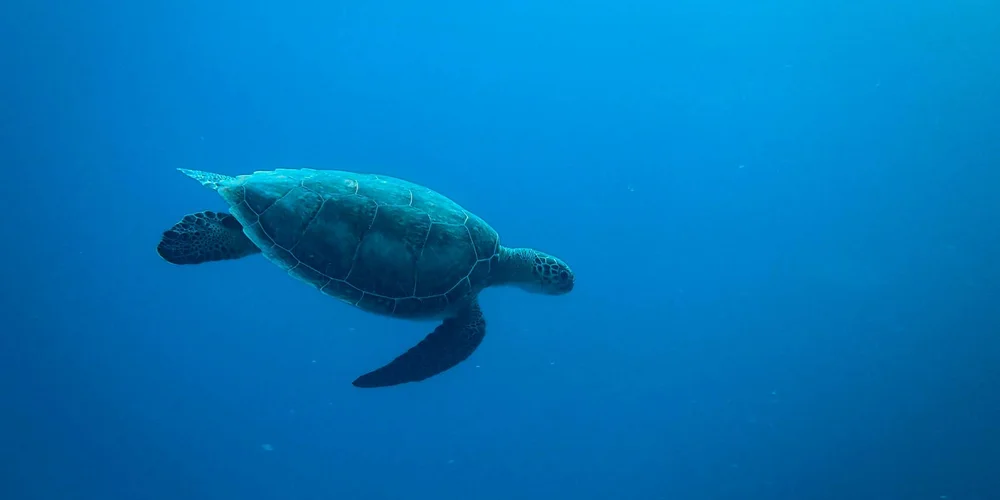
As hatching nears, you might notice subtle changes in the eggs. The shells often appear slightly dimpled or sunken, a sign the embryos are absorbing yolk and preparing to emerge. I recall watching Orwell’s eggs closely and seeing this happen about a week before they hatched.
Listen for faint sounds from the nest. You may hear soft pipping or scratching as the hatchlings start to break through their shells, a thrilling moment that signals the end of the wait. It’s a natural process, so resist the urge to intervene unless there’s clear distress.
- Look for visible cracks or holes in the eggshells.
- Observe increased activity or movement within the eggs.
- Note any changes in egg color or texture, like a translucent appearance.
Providing a calm environment during this time supports the hatchlings’ health. Keeping the area quiet and undisturbed reduces stress and helps them emerge safely into the world.
A Helping Hand: Incubating Snapping Turtle Eggs in Captivity
If you find yourself caring for snapping turtle eggs, a home incubator can mimic nature’s warmth and safety. Creating a stable environment boosts the chances of healthy hatchlings, much like I’ve done with my own turtles over the years. From my experience with Orwell, my box turtle, I know that even small changes in setup can make a big difference in outcomes. This is part of a complete guide to hatchling turtle care from an incubator to tank. It covers incubation, hatching, and early care to help you raise healthy hatchlings.
Setting Up Your Home Incubator
Start by gathering your materials and choosing a quiet spot away from drafts. A simple plastic container with a lid works well, but ensure it allows for air circulation to prevent mold. I’ve used this method successfully with Bronte’s eggs, and it kept them safe from household disturbances.
- Fill the container with a moist substrate like vermiculite or perlite, which holds humidity without drowning the eggs.
- Set the temperature between 80°F and 85°F using a reliable thermometer; fluctuations can delay hatching or affect the turtles’ health.
- Maintain humidity around 70-80% by lightly misting the substrate, but avoid making it soggy to protect against rot.
- Place the eggs gently in the substrate, half-buried, and mark the top side so you don’t rotate them accidentally.
- Check the incubator daily for temperature and humidity, making adjustments as needed to keep conditions steady.
Through trial and error with my tortoises, I’ve learned that patience and consistency are your best tools here. Advocating for animal welfare means minimizing stress on the eggs, so handle them as little as possible during this delicate period.
When Hatching Goes Awry: Understanding Delays and Challenges
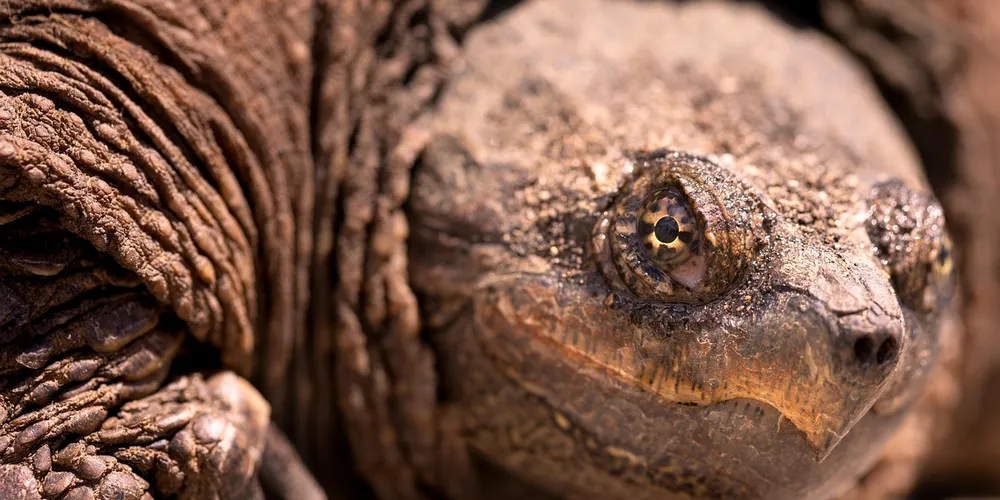
Sometimes, eggs don’t hatch on schedule, and it’s natural to feel concerned. Delays often stem from environmental factors, like temperature swings or improper humidity, which I’ve encountered with Austen’s clutches. If you notice eggs taking longer than the typical 60-90 days, it’s time to assess what might be off.
Common issues include infertility, where eggs never develop, or external mold due to excess moisture. In my care, I once had a batch where low humidity led to shriveled eggs, teaching me to monitor more closely. If you suspect a problem, gently candle the eggs in a dark room to check for veins or movement-this can reveal if they’re viable.
- Temperature too high or low: Adjust gradually to avoid shocking the embryos; aim for that 80-85°F range.
- Humidity imbalance: Use a hygrometer to track levels and mist lightly if too dry, or improve ventilation if too wet.
- Infertile eggs: Remove them promptly to prevent mold from spreading to healthy ones, as I’ve done to protect entire clutches.
- Physical damage: Avoid moving eggs unnecessarily, as cracks can invite bacteria and harm development.
Remember, not all eggs will hatch, and that’s part of nature’s process. If you’re unsure, consult a reptile vet to ensure you’re providing the best care without causing harm. For solo female turtles, a practical guide on dealing with unfertilized eggs can help you manage the situation safely. It covers when to remove nonviable eggs, sanitation practices, and when to seek veterinary help. My journey with Bronte and Orwell has shown me that respecting these challenges supports overall turtle welfare and leads to more successful hatchings.
FAQs
What does incubation involve for snapping turtle eggs?
Incubation refers to the developmental stage where snapping turtle embryos grow inside the eggs until they are ready to hatch. This process relies on external factors like consistent warmth and adequate moisture to support healthy growth. In sea turtles, incubation times also depend on species and nesting conditions. Generally, sea turtle eggs hatch after roughly 45–70 days, depending on temperature and species.
What is the average incubation period for snapping turtle eggs?
The incubation period generally spans from 60 to 90 days, though it may extend in cooler or wetter conditions. Pet owners should note that variations are common due to factors like nest depth and local climate.
How can I estimate the incubation time for snapping turtle eggs?
Estimate incubation time by tracking ambient temperature, as higher temperatures often accelerate development. Using a reliable thermometer near the nest can help provide a more accurate hatch date prediction.
What is the ideal temperature for incubating snapping turtle eggs?
The ideal incubation temperature ranges from 75°F to 85°F to promote normal embryonic development and influence sex determination. Straying outside this range can lead to extended incubation or health issues in hatchlings.
Can snapping turtle eggs hatch if incubated in water?
Snapping turtle eggs should not be incubated in water, as submersion can cause oxygen deprivation and prevent hatching. Instead, they require a moist, well-drained substrate to mimic natural nest conditions for successful development. In the wild, females nest on land near water, digging a shallow cavity with their hind legs to lay eggs. After laying, they cover the nest and return to the water.
Your Role in a Successful Hatch
Female snapping turtles typically lay eggs once a year in late spring to early summer, often on sandy banks near water. The exact timing can vary with climate and location. When snapping turtles lay eggs, the eggs generally hatch in 60 to 90 days, influenced by temperature and humidity. Consistently monitoring these conditions helps ensure the embryos develop safely and on schedule.
Owning any turtle, like my steady Russian tortoise Austen, comes with a commitment to their well-being. Always seek out reliable resources and stay curious about best practices in pet turtle care to support their health throughout their lives. For both land and aquatic turtles, referring to the care turtles essential guide can provide practical housing, diet, and enrichment tips. It helps tailor care to species and habitat.
Further Reading & Sources
- I Tried Incubating and Hatching Snapping Turtle Eggs. Here’s What Happened. – Stumpjack Outdoors
- Eastern snapping turtle | Virginia DWR
- Snapping Turtle Egg Recovery, Incubation and Hatching – YouTube
- Snapping Turtle Eggs – Everything You Need to Know
Matthew is a dedicated turtle enthusiast and conservationist with over 15 years of experience in reptile care. Known affectionately as "The Leatherback" among his peers, he combines his passion for turtles with a commitment to educating pet owners on responsible turtle care and environmental stewardship.
Nesting Requirements