
Turtle Hibernation and Winter Behavior: A Simple Guide
If you own a turtle, winter’s chill might spark worries about hibernation and keeping your pet safe and healthy during the cold months.
This article covers hibernation signs, preparation steps, winter behavior, and essential care tips.
Understanding Hibernation and Brumation in Turtles
Defining Winter Dormancy in Reptiles
Winter dormancy in reptiles like turtles isn’t the same as mammal hibernation. Brumation is a reptile-specific state where turtles slow their metabolism and activity to survive cold months without deep sleep. They might still move occasionally or drink water, unlike mammals who enter a near-comatose state. From my experience with Austen, my Russian tortoise, I’ve seen him become less active but not fully shut down during cooler periods. This natural process helps them conserve energy when food is scarce and temperatures drop.
Key differences between hibernation and brumation include:
- Brumation allows occasional waking and movement
- Reptiles may not eat but can drink water
- It’s triggered by temperature and light changes, not just cold
Why Turtles Hibernate: Survival Strategies
Turtles brumate to outlast harsh winter conditions that would otherwise threaten their lives. This strategy lets them reduce energy use when resources are limited, much like how Bronte, my Greek tortoise, conserves her strength for spring growth. During winter brumation, feeding slows during winter brumation to match the turtles’ reduced metabolism and seasonal changes. In captivity, feeding schedules are often adjusted to mirror this natural cycle. In the wild, it prevents starvation and freezing, as their bodies adapt to lower temperatures without shutting down completely. I’ve noticed Orwell, my box turtle, becomes more reserved and seeks sheltered spots as days shorten, a clear sign of his instinctual preparation.
Survival benefits of brumation include:
- Lowering metabolic rate to save energy
- Avoiding predators during vulnerable times
- Reducing the risk of dehydration in dry seasons
How Wild Turtles Behave in Winter
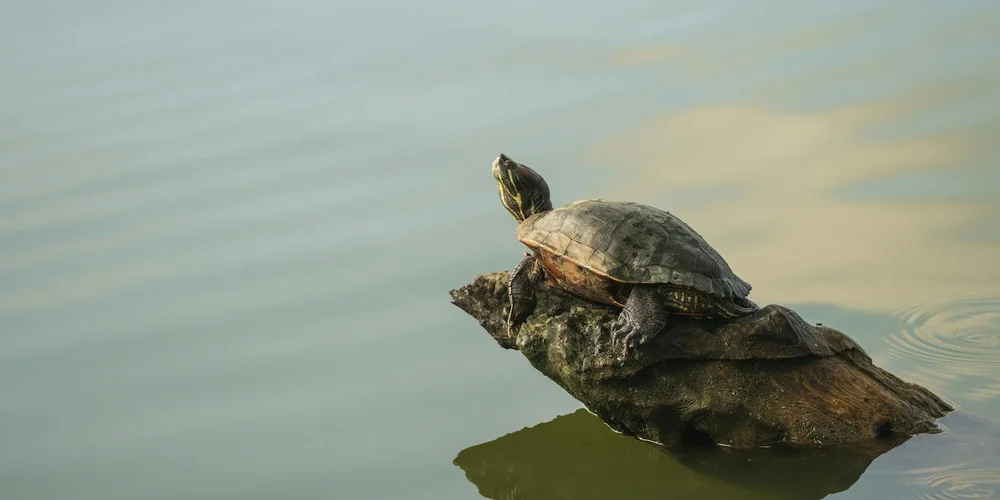
Terrestrial Turtle Winter Habits
Land turtles, like tortoises, often burrow into soil or leaf litter to escape the cold. They dig shallow dens that insulate them from freezing temperatures, a behavior I’ve seen Austen use in his outdoor enclosure. Their heart rate and breathing slow dramatically, and they might not eat for months. In my care, Bronte has taught me that providing a safe, undisturbed spot mimics their natural instinct to hide until warmer weather returns. This habit protects them from frost and helps maintain a stable body temperature.
Common winter behaviors for terrestrial turtles:
- Burrowing into soft ground or under vegetation
- Reducing movement to near-zero levels
- Relying on stored fat reserves for energy
Aquatic Turtle Winter Adaptations
Water-dwelling turtles have unique ways to handle winter, such as burying themselves in mud at the bottom of ponds. Some species can absorb oxygen through their skin or cloaca, allowing them to stay submerged for long periods without surfacing. Though I don’t keep aquatic turtles, research shows they slow their metabolism so much that they barely need to breathe. This adaptation lets them avoid ice formation and predators while conserving energy. Always ensure pet aquatic turtles have proper setups if they brumate, as improper conditions can lead to health issues.
Adaptations for aquatic turtles in winter:
- Burying in mud to avoid freezing water
- Slowing heart rate to just a few beats per minute
- Using anaerobic respiration in low-oxygen environments
Box Turtle Winter Behavior: A Closer Look
Preparing Box Turtles for Cold Months
Box turtles, like my thoughtful Orwell, sense seasonal shifts and begin slowing down as temperatures drop.
You might notice them burrowing more or showing less interest in food.
- Gradually reduce feeding over a few weeks to empty their digestive systems.
- Provide a shallow water dish for hydration before dormancy begins.
- Check for any signs of illness, like nasal discharge or lethargy, and consult a vet if needed.
Handling this transition gently prevents stress and supports their natural rhythms.
I recall Orwell becoming more reserved but still curious, often poking his head out on warmer days.
Helping Your Pet Turtle Through Winter Dormancy

Setting Up a Hibernation Habitat
Creating a safe hibernation space mimics their wild environment and keeps them secure.
Use a well-ventilated container with a lid to maintain humidity and temperature.
- Fill the bottom with moist substrate like coconut coir or sphagnum moss.
- Place the container in a cool, dark area where temperatures stay between 40-50°F (4-10°C).
- Add a light layer of leaves or hay for burrowing and insulation.
A proper setup reduces risks like dehydration or unexpected waking.
With Austen and Bronte, I’ve found that a consistent environment helps them settle into dormancy peacefully.
Monitoring Health During Hibernation
Even in dormancy, your turtle needs occasional checks to ensure they’re thriving.
Weigh them monthly to track any significant weight loss, which could signal health issues.
- Look for mold or excessive dryness in the substrate and adjust moisture if needed.
- Listen for unusual sounds like wheezing, which might indicate respiratory problems.
- Avoid disturbing them too often; a quick, quiet inspection every few weeks is best.
Gentle monitoring lets you catch problems early without interrupting their rest.
I’ve learned that patience here is key-Orwell once stirred briefly but settled back with minimal fuss.
Species-Specific Winter Care Tips
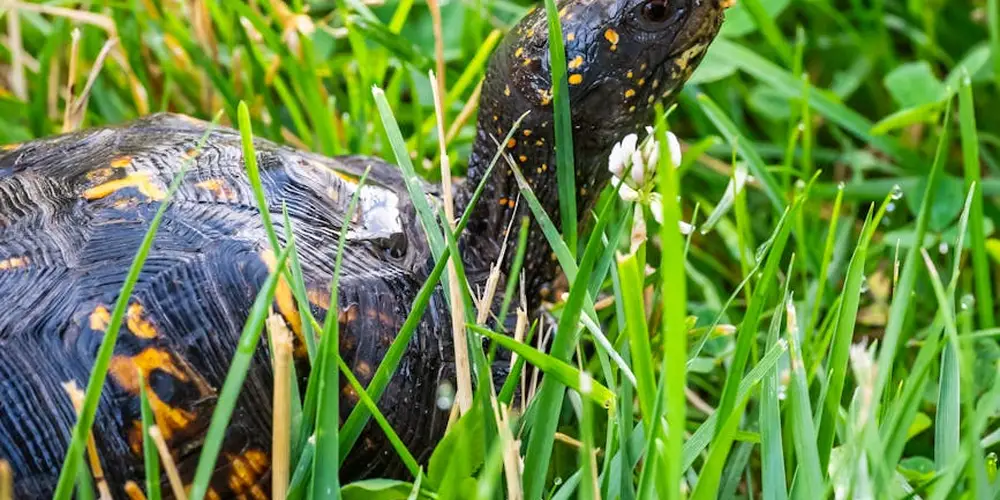
Terrestrial vs. Aquatic Turtle Differences
Terrestrial turtles, like tortoises, and aquatic species have unique winter needs based on their habitats.
Terrestrial ones often brumate on land, while aquatic turtles might slow down in cooler water.
| Aspect | Terrestrial Turtles (e.g., Russian, Greek Tortoises) | Aquatic Turtles (e.g., Red-Eared Sliders) |
|---|---|---|
| Hibernation Environment | Dry, cool burrows or indoor setups with substrate | Ponds or tanks with stable, cool water temperatures |
| Feeding Before Dormancy | Stop feeding 2-3 weeks prior to prevent digestive issues | Reduce feeding gradually; some may eat sporadically in milder climates |
| Monitoring Focus | Check for weight stability and substrate moisture | Watch water quality and signs of shell rot or fungus |
Adapting care to their natural behaviors ensures a healthier winter experience.
My Russian tortoise Austen stays steady in his burrow, while aquatic friends need cleaner water to avoid infections.
Common Mistakes in Turtle Winter Care
Many turtle owners, including myself, have stumbled during winter care by rushing the process or ignoring species-specific needs. One big mistake I made early on with Bronte, my Greek Tortoise, was assuming all turtles hibernate the same way, which led to stress and health scares. Each turtle has unique requirements based on their breed and environment. A seasonal turtle care guide helps me adjust routines with the changing weather—spring, summer, fall, and winter. By aligning heat, light, humidity, and feeding to each season, I keep Bronte and others healthier.
Another common error is improper temperature control. Keeping the enclosure too cold or warm can disrupt natural rhythms, something I learned the hard way with Austen, my Russian Tortoise, who became sluggish when temperatures fluctuated. Always use a reliable thermometer to monitor their space.
Overfeeding before hibernation is a frequent pitfall. Excess food can cause digestive issues, as I saw with Orwell, my Box Turtle, who struggled with weight gain one season. Gradually reduce meals to mimic natural cycles and prevent obesity.
- Insufficient hydration leading to dehydration risks
- Ignoring gradual temperature drops for acclimation
- Using inadequate substrates that don’t retain moisture
- Failing to quarantine sick turtles before dormancy
Signs of Hibernation Problems
Spotting trouble early can save your turtle’s life, and I’ve relied on subtle cues from my own pets. If your turtle shows rapid weight loss, like Austen did one winter, it’s a red flag that their energy reserves are depleting too fast. Weigh them regularly to track changes.
Lethargy that seems excessive, even for hibernation, is another warning. Bronte once stayed unusually still for days, signaling an underlying issue that needed vet attention. Trust your instincts if something feels off.
- Persistent refusal to eat when briefly active
- Discharge from eyes or nose, indicating infection
- Shell softening or discoloration, as I noticed with Orwell
- Labored breathing or wheezing sounds
Advocating for animal welfare means acting quickly on these signs. Delaying a vet visit can worsen conditions, so prioritize their health over convenience. My experience taught me that early intervention prevents long-term harm.
Waking Your Turtle from Winter Dormancy
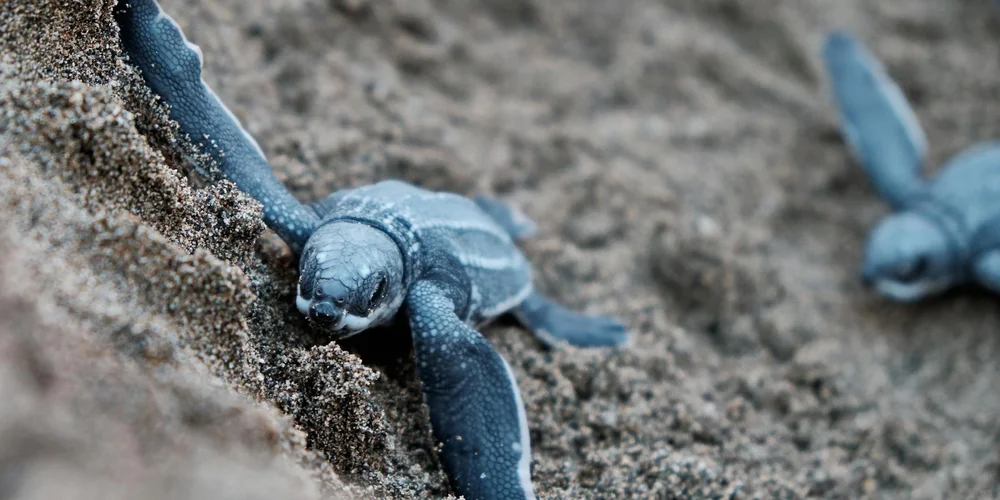
Waking your turtle should be a gentle, gradual process to avoid shock. I always start by slowly increasing the enclosure temperature over a week, mimicking a natural spring thaw for turtles like Bronte. When waking from brumation, this gradual warming helps minimize stress and supports a safe, steady return to activity. Sudden changes can stress their system and lead to health setbacks.
Introduce light and activity in stages. With Austen, I use soft, indirect sunlight to coax him out of dormancy, watching for signs of alertness before offering food. This method reduces the risk of refusal to eat or move.
- Gradually raise ambient temperature by 5-10 degrees daily
- Provide shallow, lukewarm water for hydration and stimulation
- Offer small, easily digestible meals like leafy greens
- Monitor behavior for normal activity levels before full engagement
Patience is key here. Rushing this phase can cause digestive upset or lethargy, as I learned when Orwell took longer to adjust one year. Let your turtle set the pace for a smooth transition.
Post-Hibernation Health Checks
After waking, a thorough health assessment ensures your turtle is thriving. I always check Austen’s weight first to confirm he hasn’t lost too much mass, which could indicate underlying issues or stress. Use a small scale for accuracy and compare to pre-hibernation records. Check for stress signs along with weight loss to ensure overall well-being.
Inspect the shell and skin for any abnormalities. Bronte’s graceful shell once had minor cracks post-hibernation, reminding me to look for signs of injury or infection early. Clean, smooth shells are a good indicator of overall health.
- Assess appetite by offering favorite foods and observing intake
- Check eyes and nostrils for clarity and lack of discharge
- Monitor mobility and coordination during initial movements
- Look for signs of parasites or skin irritations
Advocating for animal welfare means scheduling a vet check if anything seems amiss. Regular post-hibernation exams have saved my turtles from potential complications, reinforcing the importance of proactive care. Your vigilance can make all the difference in their well-being.
Common Questions
How can I tell if my turtle is ready to hibernate?
Your turtle will show natural signs like reduced appetite and increased burrowing behavior. It is crucial to ensure they are healthy and have fasted long enough to prevent food rot inside their system. Signs your turtle entering brumation include longer periods of sleep, less movement, and resting in cool, quiet spots. Do not wake them or force feeding during brumation, and consult a reptile vet if you’re unsure.
Can I keep my turtle awake all winter?
Yes, many pet turtles can be kept active through winter with consistent warm temperatures and lighting. This method, known as “overwintering,” requires careful environmental control to mimic summer conditions. Use a turtle habitat checklist to diagnose lighting, heat, and water. This helps ensure you maintain perfect conditions for overwintering.
What is the biggest risk to a hibernating turtle?
The most significant risk is dehydration, which can be prevented by using a slightly moist substrate. Another major danger is temperature fluctuation, which can cause the turtle to burn through its energy reserves too quickly.
How long does turtle hibernation typically last?
In captivity, a safe hibernation period for most species is between 2 to 4 months. The exact duration often depends on the turtle’s age, species, and overall health prior to dormancy. These details form part of a complete guide to turtle brumation and hibernation, which also covers preparation, monitoring, and post-dormancy care.
What are the emergency signs that I should wake my turtle?
These symptoms can be early warning signs of a respiratory infection in turtles. You should intervene if you notice significant weight loss, audible wheezing, or any visible discharge. A foul odor or signs of mold on the turtle itself also indicate a serious problem requiring immediate attention.
A Final Word on Winter Care
Your turtle’s health depends on your careful observation and preparation for its winter slowdown. Always consult with a vet to confirm your specific pet’s needs and adjust its habitat, temperature, and food accordingly. Consider a simple monthly turtle health check: note appetite, activity, shell condition, and hydration. Bring any concerns to your vet at the next visit.
Caring for a turtle is a long-term commitment that rewards patience and attention to detail. Continue learning about your shelled friend’s unique needs to ensure you provide the best life possible for many years to come.
Further Reading & Sources
- The secret to turtle hibernation: Butt-breathing | PBS News
- Turtle Brumation: The Benefits & Dangers Of The Hibernation Cycle
- How to Care for a Hibernating Turtle (with Pictures) – wikiHow
- Kids’ Page on Turtle Hibernation
Matthew is a dedicated turtle enthusiast and conservationist with over 15 years of experience in reptile care. Known affectionately as "The Leatherback" among his peers, he combines his passion for turtles with a commitment to educating pet owners on responsible turtle care and environmental stewardship.
Winter Care