
7 Deadly Turtle Tank Setup Mistakes and How to Fix Them Fast
Published on: November 15, 2025 | Last Updated: November 15, 2025
Written By: Matthew The
Your turtle’s tank is its entire universe, and a single setup error can send shockwaves through its well-being. I felt this worry deeply while learning with my own shelled friends-Austen, Bronte, and Orwell-and I’m here to calm those waters for you.
We will smoothly navigate seven common blunders: incorrect water depth, poor filtration, unsafe substrate, inadequate basking area, wrong lighting, toxic decorations, and neglected water quality, mapping out a clear course to correct each one quickly.
Mistake 3: Ignoring Water Quality
Think of your turtle’s water as the air they breathe. They eat, drink, and defecate in it. A filter is not an optional accessory. Poor water quality is a silent killer, leading to shell rot, skin infections, and respiratory illnesses that can sneak up on you. I learned this after a frantic vet visit for Bronte, whose once-graceful demeanor was hidden by listlessness from a tank I thought was “clean enough.”
The Fast Fix
- Invest in a canister filter rated for 2-3 times your tank’s actual water volume. A turtle’s bio-load is massive.
- Perform partial water changes of 25-50% weekly, using a water conditioner to remove chlorine and chloramines.
- Test the water regularly for ammonia, nitrite, and nitrate. Your nose isn’t a reliable test kit.
- Remove uneaten food within 20 minutes to prevent it from rotting and spiking ammonia levels.
Mistake 4: A Flawed or Missing Basking Area
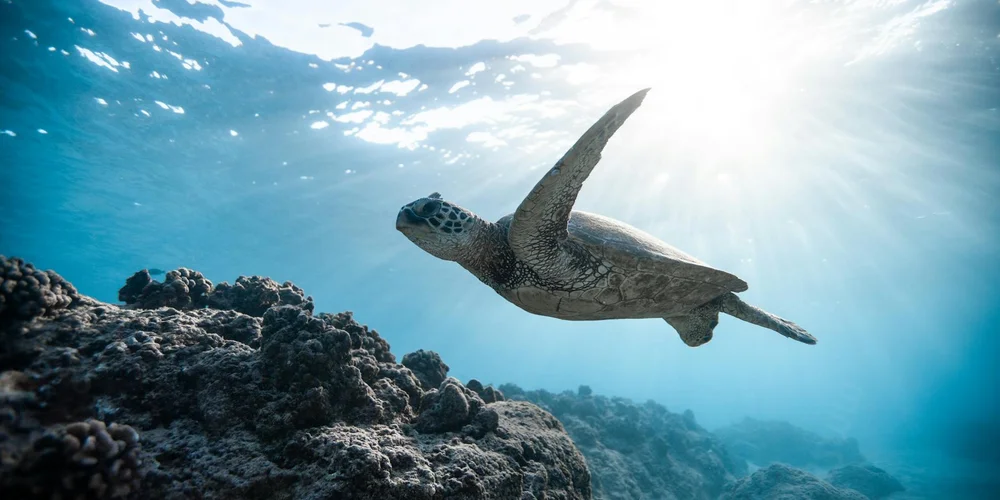
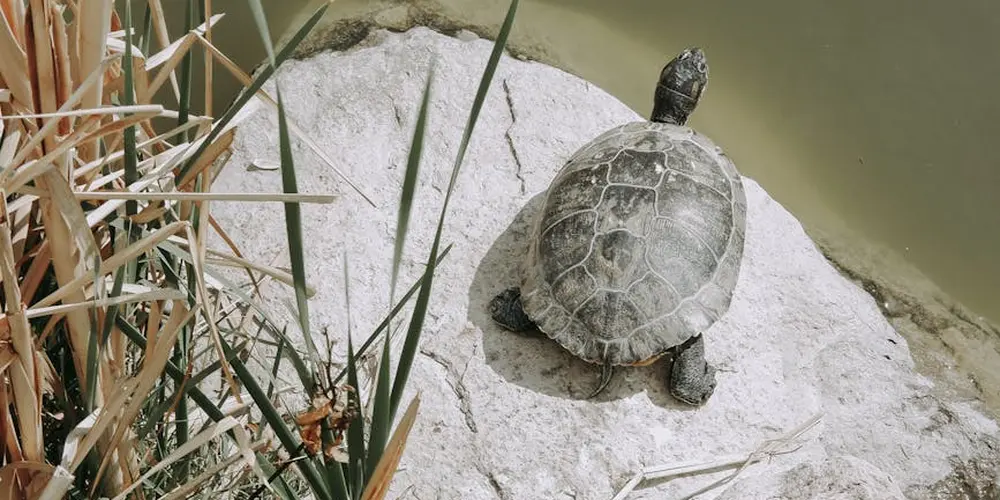
Turtles are solar-powered. A proper basking platform is their charging station, where they dry completely and regulate their body temperature. A half-submerged rock or a flimsy plastic ledge that wobbles won’t cut it and can actually deter basking, creating a cascade of health issues. My box turtle, Orwell, refused to use a slippery platform for weeks until I got it right.
The Fast Fix
- Provide a sturdy, easy-to-climb platform where the turtle can sit entirely out of the water.
- Ensure the basking area is large enough for your turtle to turn around and stretch out comfortably.
- Position a heat lamp over the spot to create a surface temperature of 85-95°F, measured with a digital thermometer.
- Keep the area dry and draft-free. Combine this spot with your essential UVB light for full sunbathing benefits.
Mistake 4: Fumbling the Filtration
Seeing cloudy water might seem normal, but it signals a filter failing its job. Turtles produce waste like tiny, relentless factories, and a weak filter simply can’t keep up. I recall Orwell’s tank growing hazy after feedings; his intelligent eyes seemed to survey the murk with clear discomfort. That murky environment breeds bacteria that harm shell and skin. This is exactly the kind of situation our filtration maintenance troubleshooting guide addresses—explaining why turtle water stays dirty and how to fix it.
The Fast Fix
- Select a canister filter rated for two to three times your tank’s actual water volume.
- Combine mechanical floss for debris, chemical carbon for impurities, and biological media for beneficial bacteria.
- Change about twenty-five percent of the water every single week without fail.
- Use a liquid test kit every month to watch ammonia, nitrite, and nitrate levels personally.
Mistake 4: Fumbling Water Filtration
I learned this one the hard way with my Russian tortoise, Austen, who shares his space with aquatic plants. Turtles are messy, far messier than fish. An underpowered filter can’t keep up, leading to cloudy water, dangerous ammonia buildup, and a sick pet. Your filter isn’t just a cleaner; it’s the life support system for the entire aquatic environment, processing waste we can’t even see. A healthy tank should have a clean, earthy scent, never a foul or stagnant odor that wrinkles your nose. For anyone wondering about the best filter for an aquatic turtle tank, the why is simple: you need a filter that can handle heavy waste and maintain stable water quality. The best choice balances high turnover, strong biological filtration, and easy maintenance to keep Austen thriving.
The Fast Fix
- Select a canister filter rated for two to three times your tank’s actual water volume. For a 40-gallon tank, aim for an 80 to 120-gallon filter capacity.
- Commit to weekly partial water changes of 25-30%, using a gravel vacuum to suck up settled waste and leftover food from the substrate.
- Maintain your filter media wisely by rinsing sponges or pads in a bucket of old tank water during water changes. This preserves the vital beneficial bacteria that keep the water safe, preventing a toxic cycle crash.
- Always have a simple, inexpensive sponge filter running as a backup; it provides extra biological filtration and can save the day if your main filter fails.
Mistake 5: Picking Problematic Substrate
You might not think twice about what lines the bottom of your turtle’s home. That floor is where they explore and forage every day. Small, colorful gravel looks pretty but acts like a trap. Turtles will mouth anything shiny or new. After a scare with Austen trying to nibble decorative pebbles, I switched to substrates that prioritize safety over style for all my shells. Ingesting the wrong material can lead to painful, costly vet visits for blockages. Your choice here directly supports their long-term health and happiness.
The Fast Fix
- For aquatic turtles like many sliders: Choose a bare glass bottom, large river rocks, or super-fine sand. Anything smaller than their head is a risk. I keep Austen’s section with stones bigger than his mouth.
- For land lovers or mix-habitat turtles like Orwell: Blend organic topsoil with coconut fiber. This holds burrows well and feels natural underfoot. Avoid any soil with additives or perlite.
- Always feed in a shallow dish or on a flat rock. This simple step keeps food clean and stops them from scooping up substrate with every bite.
Mistake 6: Messing Up Temperature Gradients

Picture your turtle’s home not as a static box, but as a tiny, personal climate zone. Turtles, being ectotherms, borrow warmth from their surroundings to fuel their little bodies. I learned this the hard way with my Russian tortoise, Austen; his gentle, steady nature masked a sluggishness when his enclosure was one bland temperature. Without a proper heat gradient-a toasty basking perch, a comfortably cool retreat, and for water lovers, a temperate swim zone-your pet is stuck in metabolic limbo, unable to digest food or energize properly. It’s like asking you to live in a room that’s always the same, with no cozy corner or cool spot to refresh. No amount of lighting or heat can substitute for that kind of habitat diversity.
The Fast Fix
- Anchor your setup with two reliable thermometers: one pressed against the basking platform’s surface, another dipped in the water or resting in the coolest corner.
- For aquatic turtles, a fully submersible heater set between 75-80°F creates that liquid comfort zone, but always pair it with a guard-I’ve seen curious noses get too close.
- Embrace the natural dip at night; temperatures can float down a few degrees, but shield your shelled friend from sudden, metabolism-slowing chills.
- Tailor the gradient to species: Austen’s land area needs a warm end near 90°F and a cooler 70°F side, while for thoughtful Bronte, my Greek tortoise, similar gradients keep her graceful.
- Monitor with your hands and tools; the air should feel warm and dry above the basking lamp, while the water holds a gentle, bath-like warmth.
Mistake 7: Ignoring the Water-to-Land Balance
Picture your turtle’s home as a tiny, personal coastline—it needs both the deep, cool water and the warm, solid shore. Getting this balance wrong is like asking a fish to climb a tree; it frustrates their instincts and dims their spark. Turtles live land and water, and that dual life shapes their needs. When kept in balance, they thrive in both realms. For semi-aquatic friends like sliders, too much land leaves them stranded, while all water drowns their need to dry out and digest.
I learned this through my crew: Austen the Russian tortoise thrives on sprawling terrain, while Orwell, my box turtle, demands a careful mix. Watching Orwell meticulously choose between his soaking dish and his fern-covered hide taught me that this balance isn’t a suggestion-it’s a core need for their mental peace. Ignoring it can lead to a lethargic, stressed pet who refuses to bask or eat.
The Fast Fix
- Start by observing your turtle’s wild roots. A quick, reliable resource or a vet can tell you if your pal is aquatic, semi-aquatic, or mostly terrestrial like my Austen.
- For the common semi-aquatic turtle, create a zone that is about 75% clean, filtered water for swimming and 25% steadfast dry land for basking and exploring.
- Build a gentle slope or a stable rock staircase so your turtle can move from water to land without struggle-their little claws should never slip.
- Scatter cozy shelters on both sides of this divide; a half-submerged cave and a leafy land cover let them feel safe anywhere in their domain.
Building a Safe and Serene Shell Sanctuary
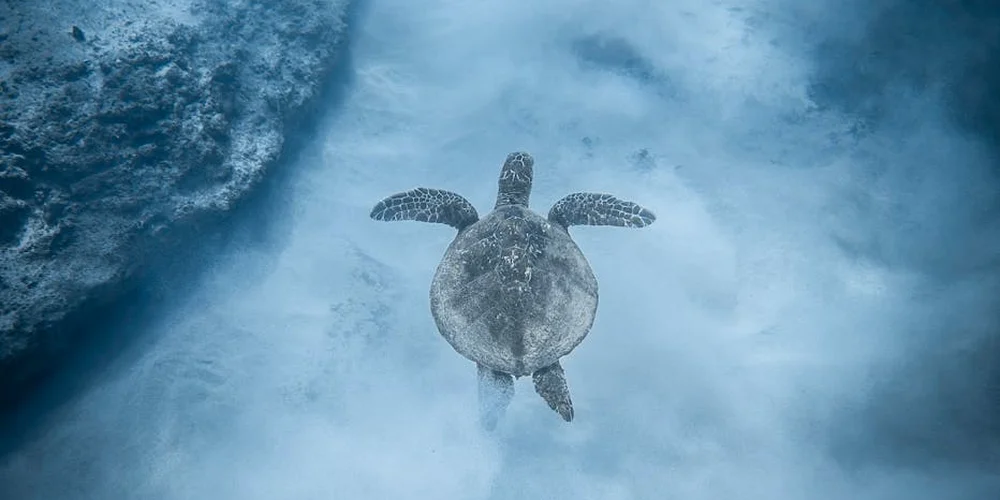
After correcting those fundamental errors, the final details complete your turtle’s world. Viewing upkeep as a mindful practice changed everything for me; it became quiet time to bond with and learn from my shelled companions. I rely on an uncomplicated weekly schedule: test water parameters, perform a partial change, inspect filters and heaters, and examine all tank items for signs of damage. To keep the routine safe and effective, avoid these 7 common cleaning mistakes when cleaning your turtle’s tank.
Your Ongoing Maintenance Shortlist
- Cycling Your Tank: Establish a nitrogen cycle with beneficial bacteria before introducing any turtle. This process neutralizes toxic waste and prevents sudden ammonia burns.
- Algae Control: Accept that some algae growth is healthy. Curb excess by limiting light to 10-12 hours daily, avoiding leftover food, and gently wiping surfaces during routine cleans.
- Decor Safety: Reject any ornament with a rough or pointed finish. Every cave, rock, or plant must be immovable, non-toxic, and smooth to the touch.
- Species-Specific Nuances: My own tortoises, Austen and Bronte, demand loose, deep soil for burrowing and a completely dry habitat, while Orwell seeks out a moist, hidden retreat. Your setup must honor these innate behaviors for true welfare.
Designing a proper home is the ultimate gesture of respect for your pet. By evading these typical oversights, you cultivate more than a tank-you steward a miniature, thriving biome that supports a long, vibrant life. Move slowly, implement one fix at a time, and bask in the peaceful, aquatic harmony you create together.
FAQs
How does tank size impact a turtle’s health and why is a too-small enclosure a mistake?
A too-small tank restricts natural swimming and exploration, leading to stress, stunted growth, and weakened muscles. It also accelerates waste buildup, which spikes toxin levels and compromises water quality rapidly.
Why is proper UVB lighting essential and what mistakes do owners commonly make with lighting duration and distance?
UVB light enables turtles to synthesize vitamin D3 for calcium absorption, preventing metabolic bone disease and shell deformities. Owners often place lamps too far from the basking spot or fail to replace bulbs annually, drastically reducing effective UVB exposure. That’s why a proper UVB setup is critical for turtle health. Position the lamp to evenly cover the basking area and replace bulbs on schedule to maintain strong UVB output.
What feeding mistakes harm turtles and how often should you remove uneaten food to prevent water contamination?
Overfeeding or relying solely on low-nutrient foods like iceberg lettuce can cause malnutrition, obesity, and digestive issues. Promptly remove any uneaten food within 20 minutes to avoid decay that pollutes the water and risks bacterial infections.
How do social housing and tank mate choices contribute to mistakes in turtle tanks?
Mixing aggressive or incompatible species often results in territorial fights, injuries, and chronic stress from bullying or competition. Different turtle species can have varying levels of aggression. Some are more territorial or prone to bullying, making mixed-species housing risky. Always house turtles alone or in carefully matched pairs with sufficient space and multiple escape routes to minimize conflict.
What are warning signs that a tank heater or filter is failing and what preventative steps should be taken?
Watch for erratic temperature readings, unusual noises like grinding or humming, and cloudy water or weak flow indicating filter issues. Conduct monthly checks, clean equipment with tank water only, and keep a backup sponge filter or heater to ensure continuous operation.
Your Journey to Turtle Tank Success
Avoiding deadly setup mistakes ensures your turtle’s home is safe and stimulating. From my years with Orwell, the box turtle, I know that simple fixes, like adding a proper basking area, can transform their quality of life instantly. Avoiding common terrestrial turtle and tortoise enclosure mistakes—such as neglecting UVB lighting, insufficient space, or poor substrate—helps prevent stress and disease. With thoughtful planning, you can create a thriving habitat from day one.
Commit to being a vigilant and informed turtle keeper for the long haul. Continuous learning about pet turtle care is how you honor the trust your shelled friend places in you every day. If you’re caring for a box turtle, start with our care guide for complete beginners. This straightforward guide walks you through enclosure needs, diet, and basic health checks.
Further Reading & Sources
- Aquatic Turtle Tank Setup 101: A Beginner’s Guide | Chewy
- How to Set Up a Tank for a Red-Eared Slider Turtle
- How to Create the Perfect Turtle Tank (Avoid These Common Mistakes!) – The Turtle Hub
- Ultimate Snapping Turtle Tank Setup Guide (Don’t Make These Mistakes!)
Matthew is a dedicated turtle enthusiast and conservationist with over 15 years of experience in reptile care. Known affectionately as "The Leatherback" among his peers, he combines his passion for turtles with a commitment to educating pet owners on responsible turtle care and environmental stewardship.
Equipment Maintenance