
Common Terrestrial Turtle and Tortoise Enclosure Mistakes to Avoid
Published on: December 28, 2025 | Last Updated: December 28, 2025
Written By: Matthew The
Are you worried that your turtle or tortoise’s enclosure might be unintentionally harming their health or happiness, leaving you feeling uncertain about their care? Based on my years of nurturing tortoises like Austen, Bronte, and Orwell, I’ve learned that even small errors in setup can lead to stress or illness, but with a few adjustments, you can create a cozy, safe space they’ll thrive in.
We’ll explore essential topics like substrate safety, temperature and humidity balance, enclosure size, hiding spots, and diet integration to help you sidestep common pitfalls. This guide draws from hands-on experience to give you clear, actionable advice for a healthier habitat.
Avoiding Inadequate Enclosure Size and Overcrowding
Calculating the right enclosure size starts with your turtle’s species and age. For terrestrial turtles and tortoises, aim for an enclosure length that is at least five to ten times the length of their shell, and width three to five times. Younger ones need room to grow, so plan for upgrades as they age. My Russian tortoise Austen, with his 6-inch shell, thrives in a 4-foot by 2-foot space, while Bronte, my Greek tortoise, enjoys a similar setup for her graceful roaming.
- Measure your turtle’s carapace length and multiply it by species-specific factors.
- Adjust for active species like Russians, who benefit from extra horizontal space.
- Factor in height for climbing species, though terrestrials prefer low, wide areas.
Overcrowding can sneak up if you add tank mates without enough room. Watch for signs like constant hiding, reduced eating, or shell nipping, which signal stress or aggression. In my years of care, I’ve seen how cramped spaces make tortoises like Austen and Bronte lethargic or territorial. Providing ample room lets them exhibit natural behaviors, like Bronte’s thoughtful exploration and Austen’s steady patrols, without conflict.
- Aggression: Biting, ramming, or blocking access to food and basking spots.
- Stress indicators: Pacing, refusing to come out, or rapid weight loss.
- Health declines: Weakened immune systems leading to more illnesses.
Personal observations with Austen and Bronte highlight the joy of spacious living. In their large enclosures, Austen’s gentle nature shines as he ambles freely, and Bronte’s graceful movements prevent the stiffness I’ve seen in crowded setups. I recall one season when I temporarily reduced space during a move; both showed signs of irritability until I restored their roomy homes. It reinforced how vital space is for their well-being, much like giving a friend a comfortable room to breathe and grow.
Choosing Safe Substrate and Preventing Hazards
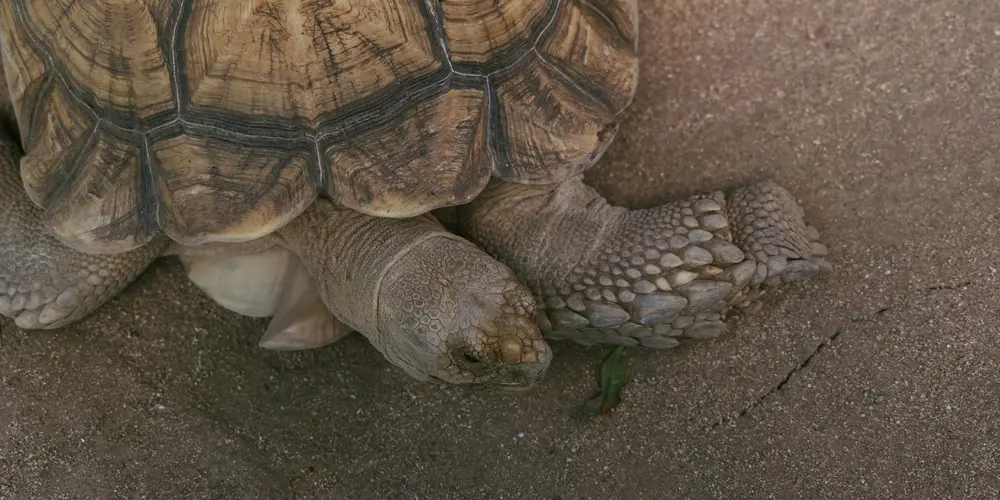
Selecting the wrong substrate can introduce hidden dangers. Avoid materials like sand, which risks impaction if ingested, or cedar shavings that release toxic oils harming respiratory systems. I’ve learned from mistakes early in my care; using gravel once led to Austen scraping his plastron, a painful lesson in prioritizing soft, natural options. Stick to substrates that mimic their wild habitats, such as coconut coir or cypress mulch, which I now use for Bronte and Austen without issues.
- Improper substrates: Sand, gravel, pine shavings, or artificial turf with loose fibers.
- Toxic materials: Cedar, treated woods, or anything with chemicals or dyes.
- Better choices: Organic topsoil, sphagnum moss, or a mix for burrowing species.
Preventing moisture buildup is key to avoiding mold and shell rot. Ensure good ventilation and use substrates that drain well, like coconut coir, which I layer lightly to keep humidity in check for Bronte’s Greek tortoise needs. Spot-clean daily and do a full change every few months to stop mold spores from taking hold. In Austen’s enclosure, I monitor damp areas under hides and adjust with dry patches to maintain a healthy balance.
- Promote airflow with open-top designs or fans in humid climates.
- Check for wet spots after watering or misting, and replace soggy substrate promptly.
- Use a hygrometer to track humidity levels, aiming for species-specific ranges.
Follow these steps to select and maintain substrate for optimal health and comfort. Start by researching your turtle’s natural environment, then test small amounts to ensure no allergic reactions or discomfort. For my tortoises, I mix coconut coir with cypress mulch for a soft, absorbent base that supports digging and prevents injuries. Regular maintenance keeps it fresh and safe, much like tending a garden for their daily walks. Pair this with an ultimate turtle habitat cleaning schedule to maintain consistent hygiene. A simple framework is daily spot-cleaning, weekly substrate refresh, and monthly deep cleaning.
- Choose substrate based on species: Burrowers need depth, while others prefer flat surfaces.
- Layer it 2-4 inches deep for digging and insulation against temperature swings.
- Spot-clean daily to remove waste and uneaten food, preventing bacteria growth.
- Replace entirely every 3-6 months, or sooner if it smells musty or looks compacted.
- Monitor your turtle’s behavior; if they avoid certain areas, the substrate might irritate them.
Setting Up Proper Lighting and Heating Systems
Getting the lighting and heating right is one of the most common hurdles for new keepers. Setting up UVB correctly from day one is critical. Proper UVB lighting is absolutely non-negotiable for their ability to metabolize calcium and build strong, healthy shells. Without it, they can develop serious metabolic bone disease, leading to soft, deformed shells and a host of other health issues.
Your enclosure needs a dedicated basking area directly under a heat lamp. This spot should be significantly warmer than the rest of the habitat, creating what we call a temperature gradient. A proper thermal gradient allows your turtle to self-regulate its body temperature by moving between warmer and cooler zones. This mimics their natural behavior in the wild and is vital for their digestion and overall well-being.
I learned about avoiding temperature fluctuations the hard way with my box turtle, Orwell. His first setup had a cheap, unreliable heat lamp that would cause dramatic temperature swings. Investing in a high-quality thermostat and a digital thermometer completely changed the consistency of his enclosure’s warmth. I placed his basking platform on a slate tile, which retains heat beautifully and gives him a stable, warm surface to lounge on for hours. Nighttime heat management matters just as much as daytime warmth. A simple nighttime temperature guide helps keep the enclosure safe after dark, maintaining a healthy gradient.
Managing Humidity and Water Features Effectively

Humidity and water management can make or break your terrestrial turtle’s health. Many owners accidentally create an environment that is far too damp. Excessively high humidity, especially when paired with poor ventilation, is a direct invitation for respiratory infections and debilitating shell rot. Stagnant water dishes and overly deep water features are common culprits. To keep humidity and water quality consistent, establish a regular turtle tank water quality testing and maintenance schedule. Test weekly for ammonia, nitrite, nitrate, and pH, and perform corresponding water changes as needed.
Good drainage is your best friend in the fight against mold and mildew. I always use a substrate layer that allows water to pass through, followed by a drainage layer of clay balls or small stones at the very bottom of the enclosure. This prevents water from pooling underneath and creating a soggy, anaerobic mess that smells terrible and breeds harmful bacteria.
Keeping water sources clean is a daily task, but it doesn’t have to be a chore. I use a simple, shallow terra cotta saucer for Orwell’s water, which is easy to scrub and too shallow for him to drown in. I replace the water every single day and give the dish a thorough cleaning with a reptile-safe disinfectant weekly. This simple routine ensures he always has access to fresh, safe drinking and soaking water without turning his home into a swamp. To maintain a healthy turtle tank, I also monitor essential water quality parameters—ammonia, nitrite, nitrate, pH, and temperature. Regular testing helps catch issues early and keep the water safe.
Providing Adequate Hiding Spots and Enrichment
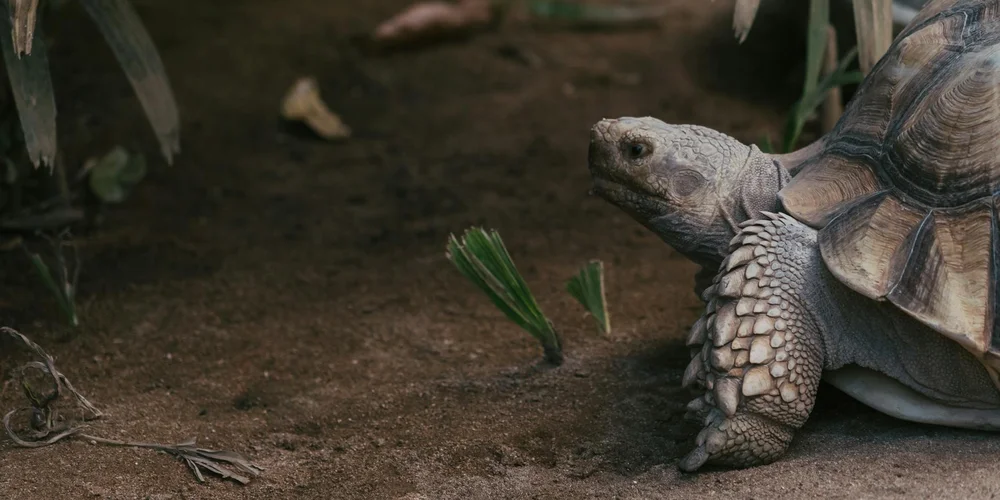
Many new keepers focus so much on heat and food that they forget these animals need places to simply be alone and feel secure. A hiding spot isn’t a luxury; it’s a fundamental requirement for your turtle’s mental well-being. Without a dry, snug retreat, they live in a constant state of low-grade stress, which can suppress their immune system over time.
The Importance of Hiding Areas
Think of a hiding spot as their private bedroom. It’s where they go to sleep, cool down, or simply take a break from the world. I noticed a huge change in my Russian tortoise, Austen’s, behavior once I gave him a proper hide. He became more active and curious when he was out, knowing he always had a safe place to return to.
Enrichment to Spark Natural Behaviors
Boredom is a real problem for captive reptiles. An empty enclosure leads to pacing, apathy, and a poor quality of life. The goal is to create an environment that encourages them to think and act naturally.
- Foraging Fun: Scatter their food throughout the enclosure instead of using a single dish. This makes them hunt and explore, just as they would in the wild.
- Textural Variety: Offer different substrates and surfaces. My tortoises love navigating over flat slate tiles, through patches of sphagnum moss, and across a gentle pile of smooth river rocks.
- Edible Landscaping: Plant safe, edible greens like wheatgrass or clover in their space. Watching Bronte, my Greek tortoise, deliberately “graze” is a joy.
Simple DIY Hide Ideas That Work
You don’t need to buy expensive decor. Some of the best hides come from everyday items.
- The Terracotta Pot: A simple, inexpensive clay pot placed on its side is a classic. I sanded the sharp edge of the drainage hole smooth for safety. It stays cool and dark inside, which Orwell, my box turtle, adores.
- The Half-Log with a Roof: I took a cork bark round and partially buried it, then capped one end with a flat piece of slate to create a darker, more den-like feel. This became Austen’s favorite rainy-day spot.
- The Mossy Cave: I stacked a few flat stones to form a small cave and packed damp sphagnum moss inside. This provides a perfect, humid microclimate for when they need a little extra hydration.
Ensuring Enclosure Safety and Easy Maintenance
A beautiful enclosure means nothing if it’s dangerous or a nightmare to clean. Your pet’s home should be a sanctuary, not a hazard. I learned this the hard way early on, and a few simple design choices can make all the difference.
Mitigating Escape Risks and Other Dangers
Turtles and tortoises are surprisingly determined escape artists and can hurt themselves on poorly chosen decor.
- Walls: Ensure the walls are high enough and smooth. They should be at least 1.5 times the length of your largest animal’s shell. I once found Bronte perilously balanced on a rock pile, trying to scale a corner. I immediately added a smooth, inward-facing lip at the top.
- Ventilation: Stagnant air breeds mold and bacteria. Good cross-ventilation is non-negotiable for respiratory health. If you’re using a closed chamber, computer fans can be a lifesaver for moving air.
- No Sharp Edges: Run your hand over every piece of decor. If it feels sharp to you, it can cause serious injury to your pet. I file down any questionable edges on wood or stone.
Designing for Accessible Cleaning
If cleaning the enclosure is a huge chore, you’re less likely to do it thoroughly and frequently. A clean habitat is the single best defense against shell rot and parasites. Cleaning and disinfecting your turtle or tortoise enclosure properly is essential for their health.
- Removable Trays: For indoor table setups, I now use shallow, plastic seedling trays for the substrate. I can simply pull one out to spot-clean or replace the substrate without dismantling the entire enclosure.
- Strategic Water Placement: Place the water dish on a flat, easy-to-clean surface like a tile. This prevents substrate from constantly being kicked into the water, keeping it cleaner for longer.
- Thoughtful Drainage: For outdoor pens, a slight slope and a base layer of gravel beneath the topsoil will prevent the enclosure from turning into a muddy pond after a rainstorm.
Personal Modifications for Safety and Hygiene
After Orwell got a small piece of coco coir stuck in his eye, I switched to a finer, dust-free substrate mix. Observing your animals will tell you everything you need to know about improving their space. I also replaced all my clamp lamps with secure, suspended fixtures after one fell (thankfully onto an empty area). It was a terrifying lesson in not relying on clamps alone. Every change I’ve made has been a direct response to watching my turtles and anticipating their needs, and it’s made their lives—and mine—much easier. To bring the space closer to a naturalistic habitat, I started incorporating proper decor—driftwood, safe plants, and textures that mimic a pond edge. This kind of decor supports basking, hiding, and exploration while staying safe.
FAQs
What are the best plants to include in a terrestrial turtle enclosure?
Choose non-toxic, edible plants like spider plants, hibiscus, or clover that provide enrichment and mimic natural foraging. Ensure they are pesticide-free and securely planted to prevent ingestion of harmful soils or roots.
Is tap water safe for my turtle’s water dish?
Tap water often contains chlorine or chloramines that can irritate your turtle’s skin and eyes, so it’s best to use dechlorinated or filtered water. Regularly change the water to avoid bacterial growth and keep the dish clean for drinking and soaking. In the ultimate guide to water conditioners for turtle tanks, you’ll learn how to choose safe dechlorinators. This guide helps you maintain water quality for healthy turtles.
How can I monitor the health of my turtle through its behavior in the enclosure?
Observe for consistent activity levels, normal eating habits, and clear eyes or shell, as changes can indicate stress or illness. Watch for unusual behaviors like lethargy, excessive hiding, or lack of interest in food, which may signal a need for veterinary care.
A Final Word on Creating a Thriving Habitat
Ultimately, providing the right amount of space and carefully managing your pet’s environment are the two most powerful things you can do for their well-being. Getting these fundamentals right from the start prevents a cascade of health and behavioral issues down the line.
Remember that responsible pet ownership is a continuous journey of learning and adapting to your animal’s needs. Your commitment to their care makes all the difference in helping them live a long, healthy, and content life.
Further Reading & Sources
- Outdoor Enclosure
- Beginner Mistakes | Tortoise Forum
- 9 Common Mistakes Made by Turtle Parents and How To Avoid Them | PetMD
- Ideas For A Bougie Indoor and Outdoor Tortoise Enclosure and Tortoise Care Cheat-Sheet – All Homesteading
Matthew is a dedicated turtle enthusiast and conservationist with over 15 years of experience in reptile care. Known affectionately as "The Leatherback" among his peers, he combines his passion for turtles with a commitment to educating pet owners on responsible turtle care and environmental stewardship.
Substrate and Flooring