
Are There Any Toxic Substrates or Decor to Avoid in Turtle Enclosures?
Published on: January 4, 2026 | Last Updated: January 4, 2026
Written By: Matthew The
You might be worried that the substrate or decorations in your turtle’s home could secretly harm them, and that fear is something I’ve grappled with while caring for my own turtles over the years.
In this article, we’ll cover toxic substrates, safe alternatives, common decor mistakes, and practical safety tips to protect your shelled friend.
Common Toxic Substrates to Avoid Immediately
When setting up a turtle enclosure, the substrate you choose can make or break your pet’s health. I’ve seen firsthand how the wrong bedding led to digestive issues in my own turtles, like Orwell, who once nibbled on an unsafe material and needed extra care. Always prioritize substrates that mimic their natural habitat without hidden dangers.
Cedar and Pine Shavings
These might seem cozy, but they release aromatic oils that are toxic to turtles. In my experience with Austen, my Russian tortoise, even a small amount caused mild respiratory irritation, so I switched to safer options right away. Stick to untreated wood or paper-based alternatives to keep their lungs clear. When adding greenery to a tortoise enclosure, choose plants carefully—some are safe, others unsafe for their health. Do thorough research to keep their habitat both attractive and safe.
Fine Sand or Silica-Based Substrates
While sand looks natural, fine particles can be easily ingested during feeding, leading to impaction. Bronte, my Greek tortoise, once had a scare with sand, and I learned that coarser, larger-grained substrates are far safer for curious eaters. Opt for rinsed play sand mixed with soil to reduce risks.
Gravel or Small Decorative Stones
Gravel might add aesthetic appeal, but it poses a serious choking hazard if turtles mistake it for food. I avoid gravel entirely after Orwell tried to swallow a pebble, reminding me how their foraging instincts can override caution. Use smooth, large rocks instead to prevent accidental ingestion.
Chemically Treated Soils or Mulches
Many commercial soils contain pesticides or fertilizers that can leach into the enclosure. When I first started, I used a bagged mulch that made Austen lethargic, so now I only use organic, chemical-free blends. Proper substrate matters for digging and nesting. A loose, chemical-free mix can encourage natural digging and help turtles select suitable nesting spots. Always check labels and rinse thoroughly before use to protect your turtle’s sensitive skin.
- Cedar and pine shavings: Release harmful oils; switch to aspen or coconut coir.
- Fine sand: Risk of impaction; choose larger particles or mix with topsoil.
- Gravel and small stones: Choking hazard; use river rocks or slate tiles.
- Treated soils: Contain toxins; opt for organic, pesticide-free options.
Selecting the right substrate isn’t just about looks—it’s about creating a safe, enriching environment. By avoiding these common pitfalls, you’ll help your turtle thrive, just as my trio has with their carefully chosen bedding. Keep in mind that the best substrate options vary by species. What works for one turtle type may not suit another, so tailor bedding to your species’ needs. Regularly monitor your setup and adjust based on your pet’s behavior and health.
Hazardous Substrate Materials with Hidden Dangers
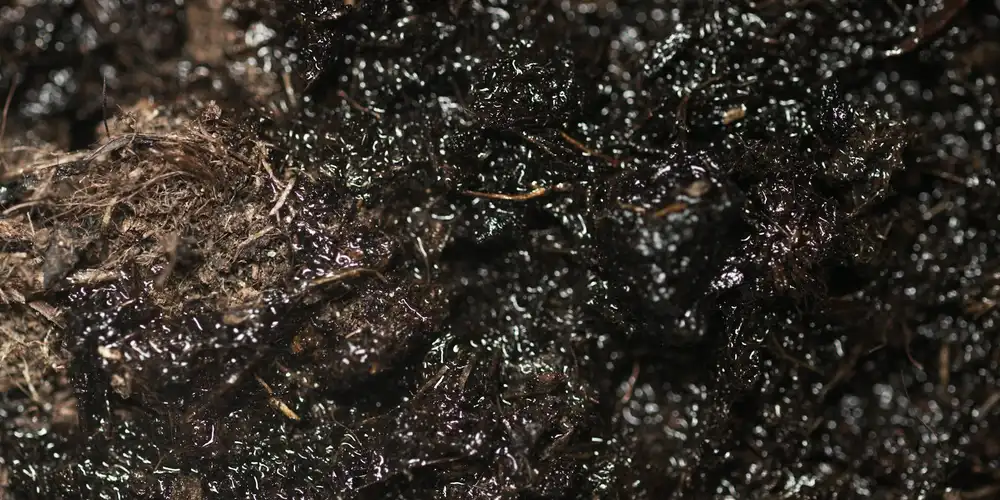
Choosing the wrong substrate can quietly harm your turtle’s health over time. I’ve seen how improper bedding leads to stress and illness in my own pets, so let’s tackle this together. Your turtle’s home should be a sanctuary, not a source of hidden risks.
The Truth About Sand and Clay Substrates
Sand might seem natural, but it poses real dangers if ingested. When Austen, my Russian tortoise, nibbled on sand-filled food, he faced a scary bout of impaction that required a vet visit. Fine particles can clog their digestive systems, causing pain or even blockages.
- Avoid fine-grain sand-it sticks to food and is easily swallowed.
- Clay substrates often hold too much moisture, raising the risk of shell rot in species like Bronte, my Greek tortoise.
- Some clays contain heavy metals or chemicals that leach into the environment.
Opt for larger, digestible options like coconut coir or cypress mulch instead. Switching to these made a noticeable difference in Orwell’s energy and overall well-being.
Evaluating Your Turtle Decor for Safety
Decor should enrich your turtle’s life without introducing toxins. I always check each item for sharp edges or loose parts that could injure curious explorers like Bronte. A safe setup prevents accidents and supports natural behaviors. For well-being, create dedicated basking spots and secure hiding areas. These features support thermoregulation and reduce stress, contributing to your turtle’s overall health.
Selecting Non-Toxic Decor for Tank Enrichment
Stick to materials labeled aquarium-safe or specifically designed for reptiles. After Orwell got a minor cut from a painted rock, I learned to avoid decor with chipping paint or dyes. Natural elements like smooth stones or untreated driftwood are my go-tos.
- Test decor by rubbing it-if color transfers, it might be toxic.
- Choose items without small detachable pieces to prevent swallowing.
- Ensure all structures are stable to avoid collapses during climbing.
Regularly inspecting decor helps catch wear and tear early. Your turtle’s safety is worth that extra minute of care each week.
Safe Substrates for a Healthy Turtle Home
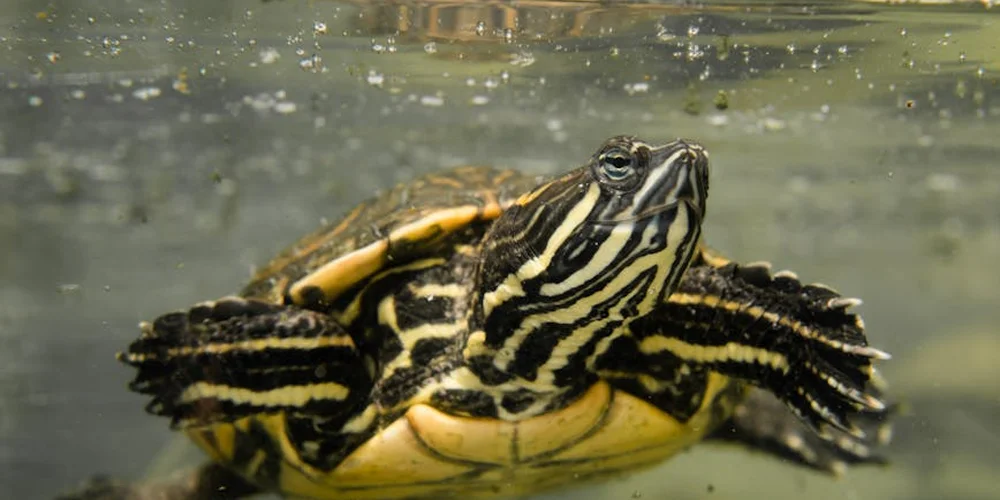
Choosing the right floor for your turtle’s enclosure is one of the most impactful decisions you’ll make for their long-term health. The ideal substrate supports natural behaviors, like digging and burrowing, without posing any ingestion or irritation risks. I’ve tested many options over the years with my own shelled family, and these are the ones I trust completely. For a terrestrial turtle or tortoise enclosure, the best substrate options balance natural digging with safety and easy cleanup. In the rest of this guide, I’ll walk through the top choices and how to use them.
Top-Rated Substrate Choices
These materials are safe, manageable, and mimic the natural environments turtles evolved to thrive in.
- Coconut Coir (Coco Fiber): This is my personal favorite for my Russian and Greek tortoises. It’s a soft, earthy substrate that holds burrows beautifully and retains humidity well. It’s completely organic and digestible if a small amount is accidentally ingested during feeding.
- Orchid Bark & Cypress Mulch: These larger chips are excellent for species that require higher humidity. They don’t mold easily and provide a sturdy, natural-looking terrain. I find cypress mulch is particularly good at maintaining moisture levels without becoming soggy.
- Sphagnum Moss: I use this as a humidity-boosting topper in specific areas of the enclosure, like a hide box. It’s fantastic for creating localized humid microclimates, which is vital for proper hydration and shell health.
- Play Sand & Topsoil Mix: A 50/50 mix of sterile topsoil (with no fertilizers or pesticides) and washed play sand creates a fantastic, diggable medium. This combination provides the perfect consistency for turtles like my Russian tortoise, Austen, who loves to excavate before settling down for the night.
Substrates to Use with Caution
Some commonly suggested options require a bit more management to ensure they remain safe.
- Calcium Sand: While marketed for reptiles, it can clump inside the digestive tract if consumed in large quantities. I avoid it entirely, preferring to provide calcium through a cuttlebone and a proper diet.
- Reptile Carpets: They can snag claws and are notoriously difficult to keep clean, harboring bacteria. I find a deep, loose substrate is far better for a turtle’s physical and mental well-being.
Maintaining a Safe Habitat Through Enclosure Hygiene
A clean home is a safe home. Even the safest substrate can become a problem if it’s not maintained properly. Establishing a consistent cleaning routine is your best defense against mold, bacteria, and parasites. My weekly schedule with Bronte and Orwell has kept them healthy and their environment pristine for years.
Your Essential Cleaning Schedule
Break down your cleaning tasks into daily, weekly, and monthly chores to make the workload manageable.
- Daily: Remove any visible waste and uneaten food. Spot-clean soiled areas of the substrate. Refresh water dishes with clean, dechlorinated water.
- Weekly: Stir and fluff the substrate to prevent compaction and dry out the top layer. This simple step discourages mold growth. Scrub and disinfect food and water dishes.
- Monthly: Perform a partial substrate change, replacing about 25-30% of the material, focusing on areas under the basking spot and feeding station. A complete substrate overhaul is typically only needed every 4-6 months, but this depends on your specific setup and turtle.
Deep Cleaning and Disinfection
When it’s time for a full clean-out, you need to do it right to ensure no harmful pathogens are left behind.
| Step | Action |
|---|---|
| 1 | Remove your turtle and place them in a secure, temporary holding bin. |
| 2 | Dispose of all old substrate and decor. |
| 3 | Scrub the entire empty enclosure with a vinegar and water solution or a dedicated reptile-safe disinfectant. Rinse thoroughly. |
| 4 | Allow the enclosure to air-dry completely before adding new substrate and decor. |
Always ensure the habitat is bone-dry before your turtle returns, as a damp environment can lead to shell rot. This process, while a bit of work, gives you peace of mind that your pet’s home is a true sanctuary. Incorporating this into the ultimate turtle habitat cleaning schedule helps you stay consistent. By making it a routine, you’ll spot issues early and keep the tank pristine.
Final Reptile Care Tips for a Secure Enclosure
Creating a safe space for your turtle goes beyond just picking the right items—it’s about ongoing care and vigilance. From my years with Austen, Bronte, and Orwell, I’ve learned that a secure enclosure prevents stress and health problems, letting your pet thrive in a worry-free environment. Size matters, too—does your turtle actually need a bigger enclosure to roam, bask, and exercise? Getting the dimensions right helps prevent pacing, dehydration, and stunted growth.
Regularly Inspect and Clean Substrates
Substrates can hide mold or bacteria if not maintained properly. I check my turtles’ bedding weekly, replacing any damp or soiled areas to keep things fresh and safe.
- Look for discoloration or odd smells, which signal contamination.
- Use a simple scoop to remove waste without disturbing the entire setup.
- Rotate substrates every few months to prevent compaction and maintain hygiene.
Choose Decor Wisely and Monitor for Wear
Even non-toxic decor can become hazardous if it breaks or degrades. With Bronte’s graceful nature, I avoid sharp-edged items that could cause injuries during her explorations.
- Opt for smooth, natural materials like untreated wood or river rocks.
- Avoid painted or dyed objects that might leach chemicals into the water or air.
- Inspect decor monthly for cracks or chips, and replace anything that looks worn.
Maintain Proper Humidity and Ventilation
Poor airflow can trap toxins and promote mold growth. I’ve found that balancing humidity with good ventilation keeps my turtles’ lungs clear and their shells healthy.
- Use a hygrometer to monitor levels, aiming for species-specific ranges.
- Add live plants like spider plants to naturally filter air and add moisture.
- Ensure enclosures have screened tops or vents to allow air circulation.
Educate Yourself on Common Toxins
Knowledge is your best defense against accidental exposure. After a scare with Orwell nibbling on a questionable plant, I now double-check every addition to their habitat.
- Steer clear of substrates with cedar or pine, as their oils can irritate respiratory systems.
- Avoid decor made from plastics that contain BPA or phthalates.
- Research plants thoroughly-many common houseplants are toxic if ingested.
By staying proactive, you can turn your turtle’s home into a haven of safety and comfort. To avoid common terrestrial turtle and tortoise enclosure mistakes, make sure the setup provides adequate space, proper lighting, and safe substrate. Your care makes all the difference in their well-being, so take these tips to heart and enjoy the peace of mind that comes with a secure enclosure.
FAQs
Can I use regular potting soil in my turtle’s enclosure?
No, regular potting soil often contains fertilizers or pesticides that can harm turtles. Always choose organic, chemical-free soil specifically labeled for reptile use to avoid health risks.
Are plastic plants safe for turtle tanks?
Plastic plants can be safe if they are aquarium-safe and free from sharp edges or toxic dyes. However, natural plants are preferable as they help with air quality and enrichment without chemical concerns.
How do I test if decor is non-toxic for my turtle?
Rub the decor with a damp cloth to check for color transfer, which indicates potential toxins. Also, ensure items are stable and lack small parts that could be swallowed or cause injury.
Your Turtle’s Safe Haven Starts Here
Ultimately, your turtle’s home should be a sanctuary, free from substrates like cedar or chemically treated gravel and decor with flaking paint or sharp metals. Stick to proven, simple materials like sterile topsoil, playsand, or even a bare-bottom tank setup to eliminate these risks entirely. For a naturalistic turtle habitat, choose proper decor that mimics the wild while staying non-toxic and easy to clean. Safe, naturalistic elements like driftwood, smooth rocks, and water-safe plants can provide hiding spots and enrichment without compromising safety.
Caring for a turtle is a long-term commitment to learning and adapting as our understanding of their needs evolves. This is exactly the focus of our essential guide to land and aquatic turtle care. Your dedication to providing a safe environment is the foundation for a thriving, healthy companion for many years to come.
Further Reading & Sources
- Bedding Materials to Avoid in Box Turtle Habitats | Box Turtle World
- The Best Substrate for Box Turtles in the World – TurtleHolic
- Housing Box Turtles | VCA Animal Hospitals
- r/turtle on Reddit: Cedar Outdoor Enclosure
Matthew is a dedicated turtle enthusiast and conservationist with over 15 years of experience in reptile care. Known affectionately as "The Leatherback" among his peers, he combines his passion for turtles with a commitment to educating pet owners on responsible turtle care and environmental stewardship.
Substrate and Flooring