
Healthy Shell, Happy Turtle: Spotting Weight Issues
Published on: February 1, 2026 | Last Updated: February 1, 2026
Written By: Matthew The
You look at your turtle and wonder-is that a healthy size, or a sign of something wrong? That quiet concern is the mark of a caring owner. I’ve spent years with my own shelled companions, Austen and Bronte, and I know that subtle changes in their shape can speak volumes about their well-being.
In this guide, we’ll cover: the simple at-home weight check, key visual signs of an overweight turtle, clear indicators of an underweight turtle, common causes for both conditions, and practical steps to help them reach a healthy weight.
Understanding Your Turtle’s Healthy Weight Range
Knowing your turtle’s ideal weight isn’t about numbers on a scale-it’s about observing their overall health and body shape. I’ve found that a healthy turtle moves with ease, has a firm but not bulging shell, and shows consistent energy levels throughout the day. For example, my Russian Tortoise Austen maintains a steady weight that lets him roam his enclosure without struggle, while Bronte, my Greek Tortoise, has a slightly lighter frame suited to her graceful nature.
Factors like species, age, and shell size play a big role in what’s normal. Younger turtles often weigh less and grow rapidly, whereas adults like my 12-year-old Bronte need stable weights to support their longevity. Use this simple checklist to gauge a healthy range:
- Check if the shell feels smooth and evenly shaped without soft spots or dips.
- Observe how easily your turtle can retract its head and limbs-it should do so without force.
- Monitor their appetite; a balanced eater typically stays within a good weight zone.
From caring for Orwell, my Box Turtle, I learned that slight variations are normal with seasons or activity changes. Regular weigh-ins using a small kitchen scale can help track trends, but always pair this with visual checks for the full picture. If you’re unsure, consult a vet who specializes in reptiles-they can provide species-specific guidance based on years of research and practice.
Visual Signs of an Overweight Turtle
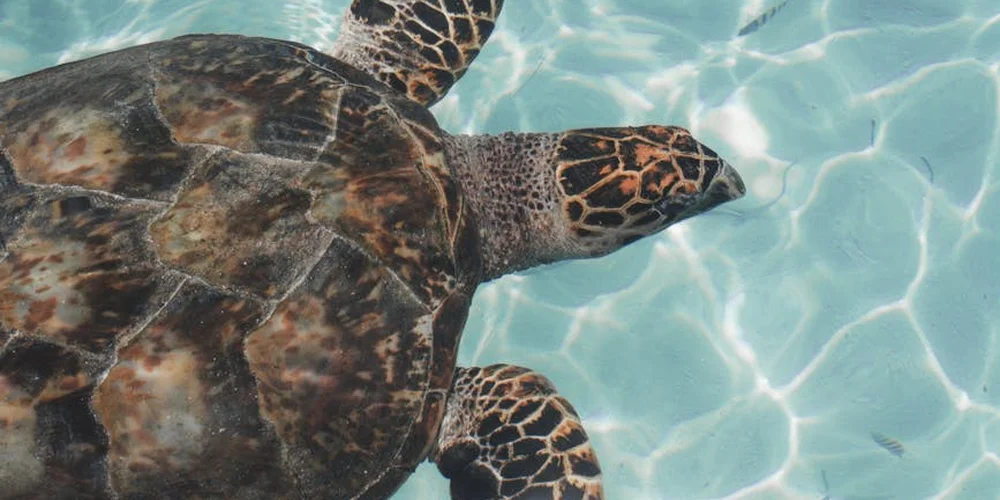
Spotting an overweight turtle starts with looking for unusual bulges or difficulty in movement. When Bronte gained a bit of extra weight last year, I noticed her shell seemed tighter, and she had trouble pulling her legs all the way in. This made her less active, which is a red flag for overall health and well-being.
Watch for these key visual cues that might indicate your turtle is carrying too much weight:
- Fat rolls or skin folds around the legs and neck that bulge when retracted.
- A shell that appears overly rounded or swollen, disrupting its natural flat or domed shape.
- Struggling to walk or swim smoothly, often with a waddling motion.
- Difficulty fully closing the shell, leaving gaps that expose soft body parts.
In my experience, an overweight turtle like Austen once showed sluggish behavior and had a harder time basking properly. Reducing treat foods and increasing enrichment activities, like adding obstacles in their habitat, can help them shed excess pounds gently. Remember, advocating for animal welfare means keeping our shelled friends fit and happy through attentive care.
Visual Signs of an Underweight Turtle
An underweight turtle often looks hollow or deflated. The skin around their legs and neck may appear loose and wrinkled, lacking plumpness. Their shell might seem disproportionately large for their body. I’ve noticed with my Greek tortoise, Bronte, that when she was under the weather, her shell felt almost cavernous when I gently ran a finger along the edge. You might also see the hip bones or spine becoming more prominent, a clear sign they need more nourishment.
Look closely at the area just behind their eyes. In a healthy turtle, this spot should be fleshy. If it looks sunken, it’s a strong indicator of weight loss. Their legs should have some substance to them, not look like little sticks poking out from their shell. A sunken or concave plastron (the bottom part of the shell) is another major red flag that requires immediate attention. These signs are how I tell if my turtle is sick, and if you notice any of them, consider consulting a reptile vet promptly. Keeping notes of changes to share with your vet can also help.
How to Perform a Turtle Body Condition Score (BCS)
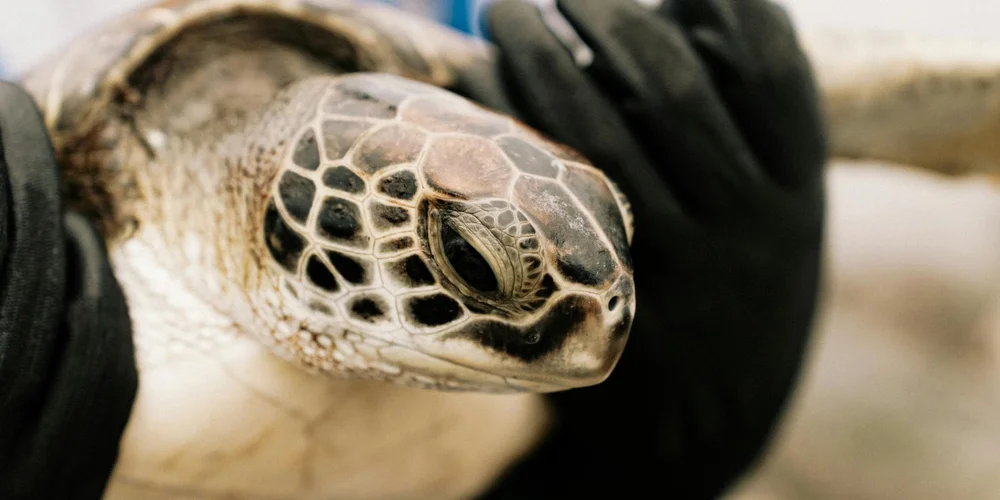
This simple hands-on check helps you move beyond just looking and gives you a clearer picture of your turtle’s health. It’s a method I use monthly with my own shelled companions to catch any subtle changes early. Used together with the ultimate turtle health troubleshooting checklist from Shell Tail, it becomes a complete monthly routine for proactive care. That combo helps you catch subtle changes early and act before problems escalate.
Assessing Shell and Body Shape
Gently pick up your turtle and observe its profile. A turtle at a healthy weight will have a body that fills out its shell smoothly.
- Underweight: The body appears shrunken inside the shell. You can see a noticeable gap between the top shell (carapace) and the bottom shell (plastron).
- Ideal Weight: The body fits snugly within the shell. There are no major gaps or bulges.
- Overweight: The body appears to be spilling out of the shell. The skin at the leg and neck openings is bulging and tight.
Run your fingers along the shell’s edge. You should not be able to easily feel sharp, protruding bones along the rim. If you can, it often points to muscle loss and being underweight.
Checking for Fat Pads and Muscle Tone
This part requires a gentle touch. Feel the base of your turtle’s legs, where they meet the body. In a well-fed turtle, you should feel soft, fleshy pads here.
- Support your turtle securely in one hand.
- With a finger from your other hand, gently feel the area behind their front legs.
- A healthy turtle will have noticeable, resilient fat pads in this area.
- If the area feels bony or completely deflated, your turtle is likely underweight.
Good muscle tone means your turtle feels solid and strong when they move, not flimsy or light. When my box turtle, Orwell, pulls into his shell, there’s a satisfying resistance. A lack of this resistance can indicate poor muscle condition. The back legs should also be rounded and powerful, not thin and stringy.
| BCS Level | Shell & Body | Fat Pads & Muscle |
|---|---|---|
| 1 (Emaciated) | Severely sunken body, large shell gap | No palpable fat, prominent bones, very poor muscle tone |
| 3 (Ideal) | Body fits shell snugly, no bulging or gaping | Obvious but not excessive fat pads, strong muscle tone |
| 5 (Obese) | Skin and body bulge from shell openings | Very large, soft fat pads, difficulty retracting into shell |
Practical Steps for Weighing and Measuring Your Turtle
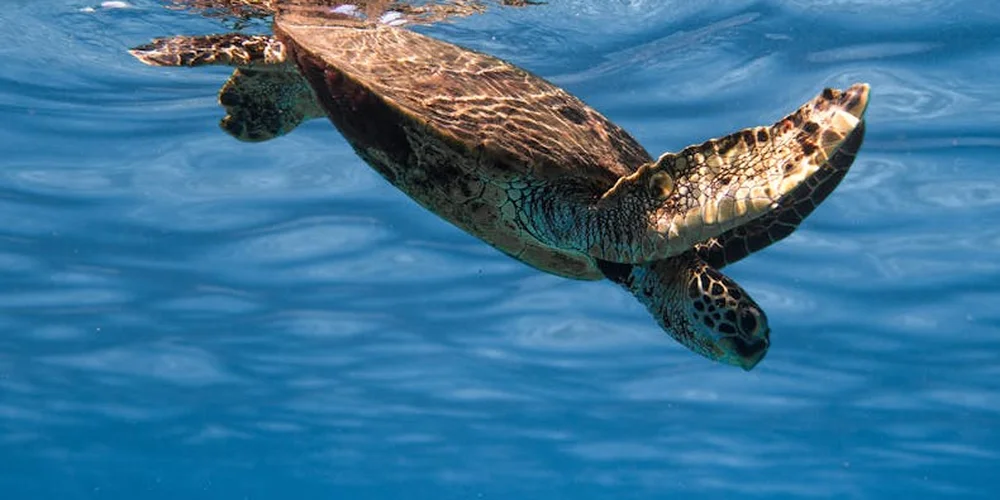
Weighing your turtle regularly gives you a clear picture of their health trends over time. I make it a monthly habit with my tortoises Austen, Bronte, and Orwell to track any subtle changes. You will need a digital kitchen scale that measures in grams and a soft cloth or container to keep your turtle calm.
- Place the scale on a flat, stable surface and turn it on to zero it out.
- Gently set your turtle in a small, lightweight container or on a cloth atop the scale. For shy turtles like Orwell, I use a shallow dish to make them feel secure.
- Record the weight once the numbers stop fluctuating. Note the date and any observations about their shell or behavior.
- Measure shell length from the front to the back using a flexible tape. Avoid pressing too hard-just follow the natural curve.
Compare your results to species-specific guidelines, as a healthy weight varies by type and age. Keeping a simple log helps you spot patterns and adjust care before issues escalate. When I noticed Austen’s weight creeping up, this routine allowed me to act quickly.
Creating a Balanced Care Plan for Weight Management
A well-rounded plan blends diet and exercise tailored to your turtle’s unique needs. Think of it as a gentle dance between nutrition and movement, much like how Bronte gracefully explores her habitat. Start by reviewing your current setup and habits to identify areas for improvement.
Fine-Tuning Your Turtle’s Diet
Adjusting food intake is key to managing weight without causing stress. I learned with Orwell that underweight turtles need nutrient-dense foods, while overweight ones benefit from lower-calorie options. Focus on variety and portion control based on your turtle’s species and activity level. When you compare aquatic versus land turtles, their diet differences explain why a one-size-fits-all approach seldom works. Tailor choices to whether your turtle is aquatic or terrestrial to support healthy weight and long-term health.
- Offer leafy greens like dandelion greens and endive for bulk without excess calories. Bronte adores these, and they keep her satisfied.
- Limit high-fat foods such as certain fruits or commercial pellets to occasional treats. Austen used to get too many, leading to weight gain.
- Incorporate calcium-rich items like cuttlebone to support shell health, especially for growing or underweight turtles.
- Monitor feeding frequency-adult turtles often thrive on meals every other day, while juveniles may need daily feeding.
Always provide fresh water and observe how your turtle responds to changes. Small, gradual adjustments prevent digestive upset and encourage steady weight loss or gain. This is especially important when administering care to sick turtles.
Encouraging Natural Exercise and Activity
Exercise helps turtles burn calories and engage their instincts in a safe environment. Creating an enriching enclosure mimics the wild, prompting behaviors like foraging and climbing. I design spaces that suit each turtle’s personality, from Austen’s steady explorations to Orwell’s intelligent problem-solving.
- Add obstacles like smooth rocks or logs for climbing. Orwell loves navigating these, which boosts his activity.
- Use shallow water dishes or pools for swimming, ideal for species like box turtles to build muscle.
- Hide food in different spots to encourage foraging. This turns mealtime into a fun, active search for Bronte.
- Ensure the habitat has a temperature gradient, so your turtle moves between warm and cool areas naturally.
Supervise new activities to prevent injury and adjust based on your turtle’s energy levels. Regular interaction and varied stimuli keep your turtle mentally and physically fit, promoting a healthy weight long-term. Enrichment activities for pet turtles include exploring new environments and interactive feeding.
When to Seek Professional Veterinary Care

If your turtle’s weight issues persist despite your best efforts, it’s time to call in the experts. Trusting a vet can prevent small problems from becoming serious health crises, and I’ve found this step crucial in my own turtle-keeping journey. From observing Austen’s steady growth to Bronte’s graceful changes, I’ve learned that professional insight often reveals underlying issues we might miss at home.
Signs That Demand Immediate Veterinary Attention
Watch for these red flags that signal your turtle needs a vet’s evaluation right away. Ignoring these symptoms can lead to long-term damage, so act promptly if you notice any. If you’re unsure whether these signs mean your turtle needs a vet, consult a reptile veterinarian for guidance. They can help you decide if a visit is necessary.
- Lethargy lasting more than a day, where your turtle shows little interest in moving or eating
- Swollen limbs or shell that feels unusually soft or cracked to the touch
- Labored breathing or bubbles around the nose and mouth, indicating respiratory distress
- Sudden weight loss or gain that doesn’t respond to diet adjustments over a week
- Changes in feces, like diarrhea or unusual colors, paired with loss of appetite
How to Prepare for Your Vet Visit
Getting ready ahead of time helps the vet diagnose your turtle more accurately. Bringing notes on your pet’s habits and history streamlines the process and reduces stress for everyone involved. When Orwell, my box turtle, had a shell issue, I kept a simple log that made the visit smoother and more productive. It’s especially important to prepare your turtle for its first vet visit.
- Record recent diet details, including types and amounts of food offered
- Note any behavioral changes, like reduced activity or unusual aggression
- Take clear photos or videos of concerning areas, such as the shell or eyes
- Bring a sample of their enclosure setup info, like temperature and humidity levels
Early intervention can make all the difference in your turtle’s health. Rely on your vet’s expertise to guide you toward a balanced care plan that keeps your shelled friend thriving for years. During a routine checkup, expect a quick physical exam and weight check, plus a review of diet, UVB exposure, and enclosure. The vet may discuss any needed tests and what signs to watch for at home.
FAQs
What unit should I use to weigh my turtle?
Use grams for precise measurements, as it is the standard unit in reptile care. A digital kitchen scale provides the most accurate and consistent results.
How does my turtle’s species affect its ideal weight?
Each species has a unique healthy weight range, such as aquatic turtles being lighter than tortoises. Always refer to species-specific guidelines or consult a vet for accurate assessments.
Where is the best place to weigh my turtle at home?
Choose a flat, stable surface like a countertop to prevent inaccurate readings. Ensure the area is quiet to keep your turtle calm during the process.
Does the gender of my turtle influence its weight?
Yes, females may weigh more when gravid or during breeding seasons. However, focus on overall body condition rather than gender alone for health evaluations.
What factors can temporarily affect my turtle’s weight measurement?
Recent feeding or hydration can cause short-term weight increases, so weigh at consistent times for reliable data. Shedding or seasonal changes might also lead to minor fluctuations.
Your Role in Your Turtle’s Health Journey
Keeping your turtle at a healthy weight boils down to consistent observation and mindful feeding. Regularly check for a smooth shell and the ability to tuck in comfortably, and always adjust their diet based on their activity level and your vet’s guidance. For an omnivorous turtle, aim for a balanced diet with protein, leafy greens, and calcium. Rotate foods and monitor portions to support steady weight.
Being a great turtle guardian is a commitment to lifelong learning about their specific needs. Your dedication to understanding their unique behaviors and nutritional requirements is the foundation for a long, vibrant life together.
Further Reading & Sources
- Most Common Obese Exotic Pets: No. 5 Turtles – Veterinary Center for Birds and Exotics
- Expert Answers on Fat Neck Turtles and Turtle Weight Issues
- Can Turtles Get Fat or Overweight? Vet-Approved Diet, Facts, & FAQ | Hepper Pet Resources
- Fat Turtles: 4 Vet-Approved Signs of an Overfed Turtle | PangoVet
Matthew is a dedicated turtle enthusiast and conservationist with over 15 years of experience in reptile care. Known affectionately as "The Leatherback" among his peers, he combines his passion for turtles with a commitment to educating pet owners on responsible turtle care and environmental stewardship.
Signs of Illness