
Aquatic vs. Land Turtle Diets: Key Differences Explained
Published on: January 21, 2026 | Last Updated: January 21, 2026
Written By: Matthew The
Feeding your turtle the wrong diet can lead to serious health issues like shell deformities or digestive problems, a worry I’ve faced firsthand with my own land tortoises.
In this article, we’ll cover food types, nutritional needs, feeding schedules, and common mistakes for both aquatic and land turtles.
Fundamental Dietary Differences Between Aquatic and Land Turtles
Think of their diets as a direct reflection of their lifestyles. Aquatic turtles are the opportunistic hunters of the water, requiring significantly more protein than their land-dwelling cousins. My own observations of aquatic species show they thrive on a diet rich in fish, worms, and insects.
Land turtles, like my Russian Tortoise, Austen, are built for a more leisurely life of grazing. Their digestive systems are fine-tuned for breaking down fibrous plants, making leafy greens and certain vegetables their dietary cornerstone. This high-fiber diet keeps their gut moving properly.
Their habitat dictates everything about how they find and process food. An aquatic turtle’s environment is a protein buffet, where they can chase down live prey, an activity that also provides crucial mental and physical stimulation. Their metabolism is geared for this. In captivity, feeding aquatic turtles often includes a mix of live prey, commercially formulated pellets, and fresh vegetables. This variety helps meet their nutritional needs and supports overall health.
On solid ground, food doesn’t swim away. Land turtles have evolved to efficiently extract nutrients from tough, fibrous vegetation that is constantly available in their path. Feeding a land turtle like my Greek Tortoise, Bronte, a high-protein diet meant for an aquatic species can lead to severe shell deformities and kidney damage.
Understanding Turtle Dietary Classifications: Herbivore, Omnivore, Carnivore
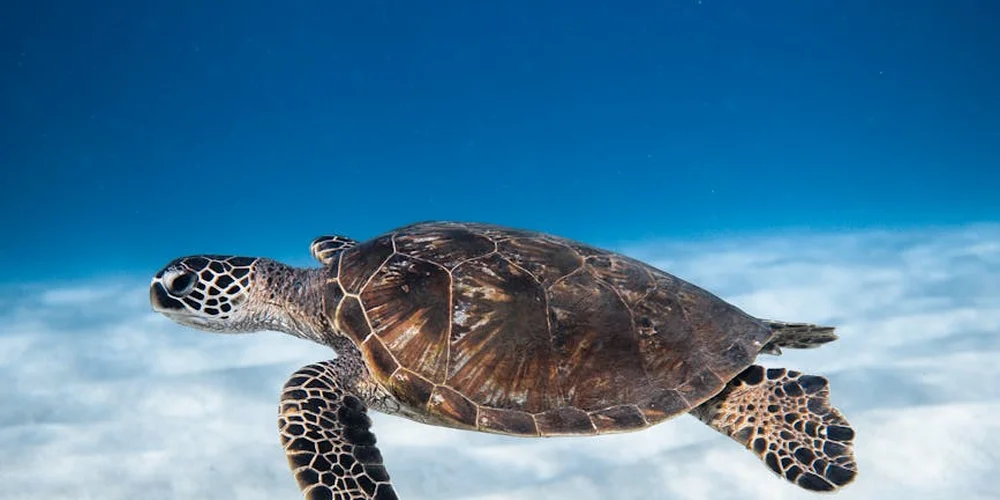
While we often simplify, most pet turtles fall into the omnivore category, but the balance is everything. Land turtles are primarily herbivores, with over 80% of their diet coming from broad-leaf greens, grasses, and edible flowers. The remaining portion can include the occasional fruit or vegetable treat. Are turtles herbivores, carnivores, or omnivores? In practice, many species sit on the omnivore end of the spectrum, with diet needs that shift by age and environment.
Aquatic turtles, in contrast, are largely carnivorous or omnivorous with a heavy protein slant, especially when young. Their menu heavily features animal matter like small fish, tadpoles, snails, and a variety of aquatic invertebrates. This provides the building blocks for rapid growth and shell development. For a feed turtles pond practical guide, apply balanced portions and monitor water quality. A practical guide also covers feeding frequency and safe methods.
- Herbivore (Land Turtles): Dandelion greens, collard greens, endive, hibiscus leaves and flowers.
- Carnivore (Young Aquatic Turtles): Bloodworms, brine shrimp, small feeder fish, crickets.
- Omnivore (Most Aquatic & Some Land Turtles like Box Turtles): A balanced mix of protein sources (earthworms, slugs) and plant matter (berries, mushrooms, leafy greens).
Getting this balance right is a act of responsible care. For omnivorous species, I’ve found that a good rule of thumb is to offer a “salad” with a protein topping for aquatic turtles, and a plant-based meal with a weekly protein supplement for omnivorous land turtles like my Box Turtle, Orwell. This mimics their natural foraging behavior and ensures nutritional completeness. This ties directly into creating a balanced diet for your omnivorous turtle.
How Habitat Influences Turtle Diets: Freshwater vs. Terrestrial Environments
Water quality and availability play a huge role in what aquatic turtles eat. In my years of caring for various turtles, I’ve seen how clean, well-oxygenated water supports their health. Aquatic turtles often hunt and eat in water, so poor water conditions can lead to stress and poor digestion. Freshwater habitats mean turtles consume prey like small fish, insects, and aquatic plants that thrive in those environments. For instance, if the water is murky, it might reduce their ability to spot food, so maintaining clarity is key. To keep a healthy turtle tank, essential water quality parameters—ammonia, nitrite, nitrate, pH, temperature, and dissolved oxygen—should be monitored regularly. Regular testing and maintenance help ensure those conditions support healthy feeding and digestion.
- Water quality affects digestion and nutrient absorption-dirty water can introduce harmful bacteria.
- Availability of water sources dictates diet variety; turtles in stagnant ponds might eat more algae and snails.
- Aquatic turtles rely on submerged vegetation and floating foods, which I’ve observed in setups for species like red-eared sliders.
On land, turtles like my Russian tortoise Austen forage in dry, vegetated areas. Terrestrial environments offer grasses, weeds, and leafy greens that are high in fiber. Land turtles graze slowly, mimicking natural foraging habits that prevent overeating and obesity. With Bronte, my Greek tortoise, I’ve noticed she prefers dandelion greens and clover, which are common in her native habitat. Their diets are shaped by what’s seasonally available, promoting a varied intake.
- Terrestrial vegetation includes fibrous plants, flowers, and occasional fruits, aiding in slow digestion.
- Foraging habits involve browsing throughout the day, which helps land turtles maintain energy without high-protein foods.
- Adaptations like domed shells in tortoises protect them while eating low-growing plants, unlike flatter-shelled aquatic species.
Shell shape is a fascinating adaptation that affects how turtles access food. Aquatic turtles have streamlined shells for swimming, allowing them to chase prey in water. Land turtles, with their high-domed shells, are built to browse on ground-level vegetation without quick escapes. From caring for Orwell, my box turtle, I’ve seen how his shell lets him tuck in while eating, reducing predation risks. These physical traits directly influence dietary choices and feeding behaviors.
Life Stage Dietary Changes: From Hatchling to Adult
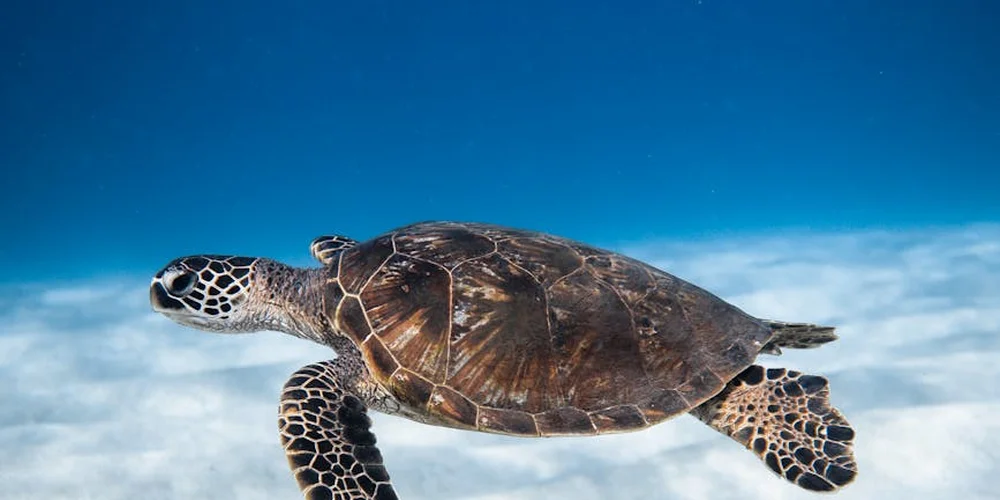
Protein needs shift dramatically as turtles grow. Hatchlings require more protein to support rapid shell and muscle development. Young turtles benefit from diets rich in insects, worms, and small fish to fuel their growth spurts. With my own turtles, I’ve adjusted protein levels over time; for example, Austen ate more protein-rich pellets as a hatchling but now thrives on leafy greens. As they mature, protein intake should decrease to prevent kidney issues and shell deformities.
- Hatchlings need up to 50% protein in their diet, often from animal sources.
- Juveniles transition to mixed diets, balancing protein with plant matter.
- Adults require less than 20% protein, focusing on fibrous foods to maintain health.
Feeding frequency adjusts with each growth stage to match metabolism and energy demands. I feed hatchlings daily to support their high metabolic rates, while adults do well with meals every other day. For Bronte, I started with daily offerings and now space them out to prevent weight gain. This approach mimics natural feeding patterns and helps turtles develop at a steady pace without overloading their systems.
- Hatchlings: Feed once or twice daily with small, nutrient-dense portions.
- Juveniles: Reduce to every day or every other day, depending on activity levels.
- Adults: Offer food 3-4 times a week, allowing for digestion and natural foraging behaviors.
Calcium and vitamin requirements are crucial for proper development across all life stages. Calcium is essential for strong shells and bones, especially in growing turtles who are building their skeletal structure. I always dust food with calcium powder for my turtles, like Orwell, to prevent soft shell syndrome. Vitamins such as D3 aid in calcium absorption, which is vital for hatchlings developing in indoor environments with limited sunlight.
- Calcium sources include cuttlebone, powdered supplements, and calcium-rich greens like kale.
- Vitamin D3 is synthesized from UVB light or provided through fortified foods to support bone health.
- Monitor levels regularly; deficiencies can lead to metabolic bone disease, which I’ve helped prevent through balanced diets.
Common Foods and Supplements in Turtle Diets
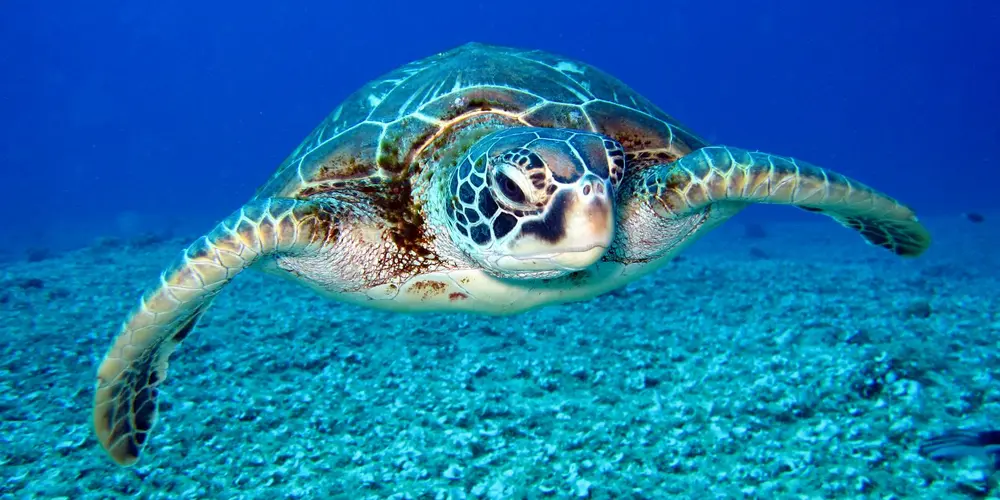
A balanced diet is the foundation of a long, healthy turtle life. I’ve found that variety is not just the spice of life, but the key to their vitality. When choosing between commercial diets and homemade meals, it’s important to weigh the pros and cons for turtle health. Commercial options provide consistent nutrient profiles, while homemade diets can offer flexibility but require careful planning.
- Typical items include aquatic vegetation like anacharis, protein sources like earthworms and crickets, and high-quality commercial pellets.
- Supplementation with calcium powder (without phosphorus) and a multivitamin is vital for preventing metabolic bone disease and shell deformities.
- Safe foods are dandelion greens, bell peppers, and thawed frozen fish. Unsafe foods include iceberg lettuce, dairy products, and processed human foods, which offer no nutritional value.
Foods for Aquatic Turtles
Aquatic turtles are opportunistic omnivores with a strong leaning towards protein. Their world is a watery buffet, and their diet should reflect that diversity. If you’re wondering about painted turtles’ diet and nutrition specifically, this guide explains what they eat and how to balance their nutrition for aquatic turtle care.
- Their menu includes small feeder fish, shrimp, krill, and specially formulated floating pellets that encourage natural hunting behavior.
- Feeding them in water is not a choice; it’s a necessity. They need the water to swallow their food effectively, as they don’t produce much saliva.
Foods for Land Turtoises
My tortoises, Austen and Bronte, thrive on a primarily herbivorous diet. A land turtle’s plate should look like a vibrant, leafy salad bar, not a protein-packed platter.
- Focus on high-fiber greens like collard and turnip greens, along with occasional treats like berries and melon for hydration and variety.
- They are natural foragers. I often sprinkle a cuttlebone in their enclosure, which they gnaw on for calcium, mimicking how they’d consume minerals in the wild.
Feeding Practices for Optimal Turtle Health
How you feed is just as important as what you feed. Establishing a consistent routine prevents overfeeding and keeps your turtle engaged and healthy.
- Juvenile turtles need daily feeding, while adults often do well with meals every other day. A good portion size is what they can consume in 15 minutes.
- Commercial diets offer convenience and balanced nutrition, but homemade options using fresh, safe ingredients provide enrichment and variety for a more natural experience.
- For picky eaters, try scenting new foods with a favorite, chopping items into tiny, manageable pieces, or using feeding toys to stimulate their natural foraging instincts.
Recognizing and Addressing Nutritional Deficiencies
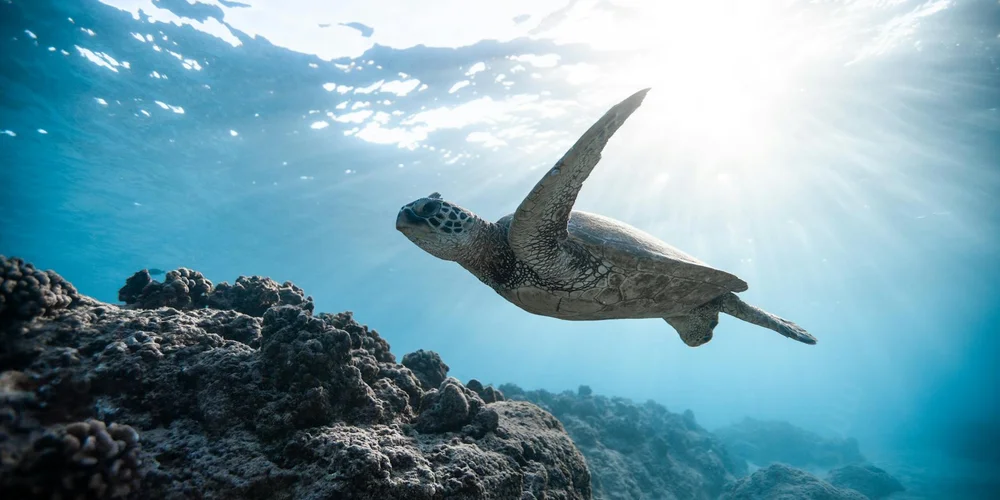
Spotting early signs of nutritional gaps in your turtle can save you from bigger health scares down the road. I learned this firsthand when my Greek tortoise Bronte started showing subtle changes that hinted at a vitamin shortage.
-
Watch for protein deficiency through slowed growth or muscle weakness, especially in young aquatic turtles who need more for development. Land turtles like my box turtle Orwell may eat less and appear lethargic if their protein intake drops.
-
Mineral shortages often show up as a soft or deformed shell, which I noticed with Austen, my Russian tortoise, when his shell lost its firmness. Aquatic turtles might display similar issues if their water lacks proper calcium sources.
-
Vitamin deficiencies can cause eye swelling or skin problems, making your turtle seem dull or inactive. Regular checks help you catch these signs before they worsen.
If you suspect a diet-related issue, act quickly to prevent long-term harm. Start by offering a high-calcium snack like cuttlebone, which I keep on hand for all my turtles.
- Remove any unhealthy foods and provide fresh, nutrient-rich options immediately.
- Consult a reptile vet for specific supplement advice tailored to your turtle’s species.
- Adjust feeding schedules based on age and activity-younger turtles often need daily meals.
Prevention is your best tool for keeping deficiencies at bay. I mix leafy greens, proteins, and fruits in rotation to mimic the variety they’d find in the wild.
- Rotate food types weekly to cover all nutrient bases without over-relying on one item.
- Use UVB lighting to help land turtles like Bronte synthesize vitamins naturally.
- Monitor water quality for aquatic species to ensure minerals are absorbed effectively.
A balanced diet not only supports health but also enriches your turtle’s daily life. Seeing Orwell thrive on a diverse menu reminds me how small changes make a huge difference.
FAQs
How do sea turtle diets differ among species (green, hawksbill, leatherback, loggerhead)?
Green sea turtles are primarily herbivorous, feeding on seagrasses and algae in coastal waters. Do green sea turtles ever eat animal prey, or are they strictly herbivores? This question invites us to explore how their diet may vary by life stage and environment. Hawksbill turtles specialize in eating sponges, while leatherbacks consume jellyfish, and loggerheads have a varied diet including crustaceans and mollusks.
How do environmental factors affect dietary differences in turtles?
Environmental factors like temperature and seasonal changes can alter food availability, prompting turtles to adapt their diets accordingly. For instance, in cooler climates, some species may reduce feeding or shift to more abundant food sources to conserve energy.
What foods are typical in herbivorous turtle diets?
Herbivorous turtles commonly consume dark leafy greens such as romaine lettuce and turnip greens for essential nutrients. They also eat fibrous plants like grasses and vegetables such as squash to support digestion and overall health. For a complete safe list of vegetables turtles may eat, consult a reliable care guide. It highlights safe options and helps ensure a balanced, varied diet.
Caring for Your Shelled Friend
To keep your turtle thriving, always match its food to its natural habitat. Aquatic turtles need a protein-rich diet with animal matter, while land-dwelling tortoises are strict herbivores that require high-fiber greens.
Caring for a turtle is a long-term commitment to understanding its unique needs. Your dedication to learning and adapting is the single greatest factor in providing a happy, healthy life for your pet.
Further Reading & Sources
- Mazuri® Aquatic Turtle Diet | Turtle Food for Freshwater Turtles
- Feeding Aquatic Turtles | VCA Animal Hospitals
- What Do Pet Turtles Eat? Diets, Mealtimes, Amounts
- What Do Turtles Eat? | PetMD
Matthew is a dedicated turtle enthusiast and conservationist with over 15 years of experience in reptile care. Known affectionately as "The Leatherback" among his peers, he combines his passion for turtles with a commitment to educating pet owners on responsible turtle care and environmental stewardship.
Common Turtle Foods