
Turtle Routine Vet Checkup: Your Simple Guide to a Smooth Visit
Worried about your turtle’s first vet visit? It’s a common concern, but with a little know-how, you can turn anxiety into confidence for both of you.
preparation, examination, common tests, aftercare tips
Before Your Turtle’s Veterinary Visit: Simple Preparation Steps
A little preparation makes the vet visit smoother for everyone, especially your turtle. From my years of shuffling my own shelled friends to appointments, I can tell you that a calm start leads to a calmer examination.
First, think about transport. A simple, secure plastic container with a locking lid works perfectly. Poke a few small air holes in the top beforehand. Line the bottom with a damp towel or paper towels to provide a little humidity and cushioning.
- Use a secure, ventilated container-not a loose box.
- Line it with a damp (not wet) towel for comfort.
- Bring a list of any supplements or foods you use.
- If possible, take a clear photo of your setup to show the vet.
Temperature is everything for a cold-blooded creature. I always make sure the car is warm before we leave, as a sudden chill can stress them out. Avoid placing the carrier in direct sunlight or near a drafty window during the trip.
The Initial Physical Examination: A Head-to-Tail Assessment
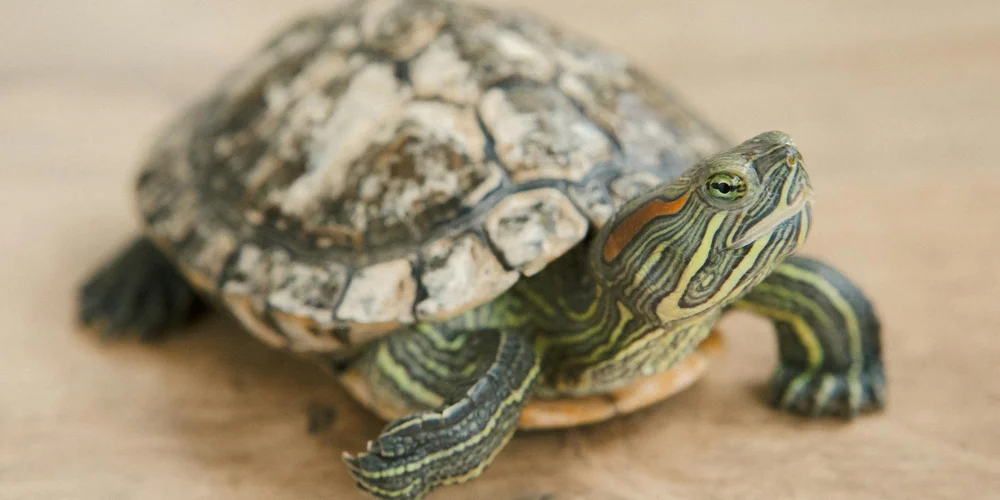
The vet will begin with a visual once-over, much like I do during my weekly checks at home. They are looking for overall condition and any immediate red flags. This gentle observation is the foundation of the entire checkup.
Your vet will then move into a hands-on assessment, systematically checking every part of your turtle.
Eyes, Nose, and Beak
The vet will check for clear, bright eyes without any swelling or discharge. They’ll ensure the nostrils are clear and look inside the mouth for signs of infection. A healthy beak should be well-aligned and not overgrown, allowing your turtle to eat properly. My Greek tortoise, Bronte, is always so patient during this part.
The Shell Inspection
This is a detailed process. The vet will feel the entire shell for any soft spots, which can indicate metabolic bone disease.
- They check for pyramiding-raised scutes often linked to diet.
- They look for cracks, wounds, or discoloration.
- The plastron (bottom shell) is examined just as carefully.
A perfect shell is smooth, hard, and free of any retained scutes from old sheds. My Russian tortoise, Austen, has a beautifully smooth shell we work hard to maintain.
Skin, Limbs, and Tail
The skin is checked for sores, ticks, or abnormal shedding. Each leg is gently extended to assess muscle tone and joint health. The vet will also ensure the tail and vent area are clean and healthy. This comprehensive check helps catch minor issues before they become major problems.
Weight and Measurements
Your turtle will be weighed, and its shell length and width may be measured. Tracking these numbers over time is one of the most powerful tools for monitoring your turtle’s long-term health. I keep a simple log for all my turtles, and it’s been invaluable. For a practical, step-by-step reference, you can consult the ultimate turtle health troubleshooting checklist from Shell Tail. It helps turn data into clear, actionable care steps.
Beyond the Surface: Internal Health and Diagnostic Checks
Looking Inside: The Role of Radiographs
Think of a radiograph, or X-ray, as a magical window into your turtle’s shell. I always get one for my Russian tortoise, Austen, during his annual visit. This simple, painless procedure gives our veterinarian a clear picture of what we can’t see from the outside. It reveals the health of bones, the shape and size of organs, and even the presence of any foreign objects.
We are specifically looking for a few critical things on that black-and-white image. The vet checks for proper bone density to rule out metabolic bone disease, a common issue in captive turtles. They also look for any signs of egg development in females, even if you don’t think your turtle is female or has been with a mate. The most surprising find for many owners is discovering your “male” turtle is actually female and full of eggs! This advanced knowledge allows us to proactively manage her health and prevent life-threatening egg binding.
Checking for Unseen Guests: Fecal and Parasite Analysis
This test is a non-negotiable part of wellness care in my household. I bring a fresh fecal sample from each of my turtles-Austen, Bronte, and Orwell-to every checkup. A fecal analysis is our best defense against internal parasites like pinworms or protozoa that can silently sap your turtle’s vitality. These tiny invaders often cause subtle symptoms like slight weight loss or decreased appetite, things you might miss at home.
The process is straightforward but incredibly revealing. The veterinarian will examine the sample under a microscope.
- They look for parasite eggs, which are invisible to the naked eye.
- They identify the specific type of parasite present.
- They can determine the severity of the infestation.
My Greek tortoise, Bronte, once had a low-level pinworm load we only caught through a routine fecal test. Catching it early meant a simple, stress-free deworming treatment and she was back to her graceful, thoughtful self in no time. This test provides immense peace of mind, ensuring your turtle’s internal environment is as healthy as their external one.
Vital Signs and Measurements: Weight, Hydration, and Temperature
Your turtle’s checkup starts with basic health metrics that tell a big story. I always watch closely as the vet gently places Austen on a small scale to track his weight over time. This weight history helps determine whether your turtle is underweight or overweight. Sudden changes can signal issues like malnutrition or illness, so this step is crucial for catching problems early.
Hydration checks come next, especially since turtles can hide dehydration well. The vet might pinch the skin on Bronte’s neck to see how quickly it springs back, a simple test that reveals her fluid levels. Dry, sunken eyes or sticky mouth linings are other signs I’ve learned to spot from years of caring for my tortoises.
Temperature monitoring is vital because turtles rely on their environment to regulate body heat. Vets often use a digital thermometer to ensure your pet isn’t too cold or overheated, which can affect digestion and immunity. For Orwell, I make sure his habitat temps mimic his natural needs to keep him thriving. In diagnosing his habitat, I follow a checklist for perfect lighting, heat, and clean water. This helps spot problems early and keeps Orwell thriving.
- Weight tracking helps detect growth issues or weight loss.
- Hydration tests assess skin elasticity and eye moisture.
- Temperature checks ensure proper thermoregulation for health.
Your Conversation with the Vet: Questions and Care Plans
This is your chance to dive into personalized care with the vet. I always bring a list of questions about diet, like whether Bronte needs more leafy greens based on her age and activity. Your vet can offer tailored advice that makes a real difference in your turtle’s daily life, especially when it comes to adjusting diet for senior turtles.
Discussing behavior changes is key-I once noticed Orwell being less active and brought it up, leading to a diet adjustment that perked him right up. Share any odd habits you’ve seen, as vets use this to spot hidden health issues early. This proactive approach has helped me keep my turtles happy for years.
Care plans wrap everything together, focusing on long-term wellness. Your vet might outline a schedule for shell checks or recommend habitat tweaks to prevent common problems. I’ve found that following a structured plan reduces stress and supports animal welfare by ensuring consistent care.
- Ask about diet adjustments for species-specific needs.
- Report any behavior shifts or unusual activity patterns.
- Review habitat setup tips to optimize temperature and space.
Understanding the Costs of Turtle Care
Providing proper veterinary care is a fundamental part of being a responsible turtle guardian, and it does come with a financial commitment. Think of these costs not as an expense, but as an investment in your shelled friend’s long and healthy life. Based on my years of caring for my own trio, I’ve found that budgeting proactively saves a lot of stress down the road.
Common Veterinary Expenses
During a routine checkup, you can generally expect a few standard charges. The exam fee itself is the baseline cost for the veterinarian’s time and expertise.
- Wellness Examination Fee: The core cost for the veterinary assessment.
- Fecal Parasite Test: This is crucial, as many turtles carry internal parasites without showing immediate signs.
- Basic Diagnostics: This may include a quick blood draw or a shell scraping to check for underlying issues.
Planning for Potential Procedures
Sometimes, a routine visit uncovers the need for a bit more care. My Greek tortoise, Bronte, once needed a minor beak trim, which was a simple, quick procedure.
- Beak or Nail Trimming: Overgrowth is common and can affect eating and mobility.
- Shell Repair: Cracks or injuries from falls require immediate, specialized care.
- Treatment for Infections: Respiratory or shell infections may require medication and follow-up visits.
Setting aside a small amount each month specifically for pet care can make these necessary visits feel much more manageable. It ensures you can always say “yes” to the care your turtle needs without financial panic. For turtles, building an emergency fund for vet care helps you act quickly in emergencies without scrambling for funds. That prep makes it easier to cover exams, treatments, and medications when they’re needed most.
Signs Your Turtle Needs More Than a Checkup
While annual checkups are vital, our turtles can’t tell us when they feel unwell. Learning to read their subtle behavioral and physical cues is your first line of defense. I’ve learned to watch my turtles, Austen and Orwell, like tiny, slow-moving barometers of their own health. Most critical turtle health issues tend to surface through small, early signs you can watch for daily. By watching changes in appetite, activity, and shell or eye appearance, you can catch problems before they become emergencies.
Behavioral Red Flags
A sudden change in personality or habits is often the first clue. If your normally active turtle becomes lethargic or your steady eater refuses food for more than a few days, pay close attention. This is the type of observation that a why my turtle acting strange behavioral diagnostic checklist uses. Tracking these changes can help you decide when to seek veterinary advice.
- Lethargy and Lack of Appetite: A turtle that isn’t interested in food or basking is signaling that something is wrong.
- Wheezing or Bubbles at the Nose: This can be a sign of a serious respiratory infection.
- Imbalance or Swimming Lopsidedly: This could indicate buoyancy issues or an internal problem.
Physical Symptoms to Watch For
Give your turtle a gentle look-over during handling. Your hands can find what your eyes might miss.
- Soft or Discolored Shell: A healthy shell is hard and uniform in color for its species.
- Swollen Eyes or Persistent Eye Discharge: Often linked to vitamin deficiencies or infection.
- Unexplained Weight Loss: You might feel that their shell seems lighter or emptier.
Trust your instincts—you know your turtle’s normal behavior better than anyone. If something feels off, even if you can’t pinpoint it, a call to your veterinarian is always the right move. Look for signs your turtle may need to see a veterinarian—such as a sudden loss of appetite, lethargy, trouble breathing, or visible shell changes—and seek advice promptly if you notice them.
FAQs
How often should I take my turtle for a routine vet checkup?
Healthy adult turtles typically need an annual wellness exam to monitor their overall health. Juveniles, seniors, or turtles with ongoing issues may require more frequent visits as advised by your vet.
What should I do if my turtle refuses to eat after the vet visit?
Offer their favorite foods in a quiet, stress-free environment to encourage eating. If the lack of appetite persists beyond a day or two, contact your veterinarian for further guidance.
Are there any vaccinations required for pet turtles?
Most pet turtles do not require routine vaccinations, unlike dogs or cats. However, your vet may recommend specific preventive care based on your turtle’s species and health history.
Keeping Your Shelled Friend Thriving
Remember, a successful vet visit starts with your preparation-bringing a fresh stool sample and a list of your questions is half the battle. Your active participation helps the vet build a complete health picture, ensuring nothing is overlooked.
Caring for a turtle is a long-term commitment that rewards you with a unique and fascinating companion. Stay curious, keep learning about their specific needs, and you’ll provide a wonderful life for your shelled friend.
Further Reading & Sources
- Veterinary Care: New Reptile Visit | VCA Animal Hospitals
- Keeping Your Box Turtle Healthy With Regular Vet Visits
- Redearslider.com :: View topic – how does a vet checkup for a turtle?
- Veterinarian List – California Turtle &Tortoise Club
Matthew is a dedicated turtle enthusiast and conservationist with over 15 years of experience in reptile care. Known affectionately as "The Leatherback" among his peers, he combines his passion for turtles with a commitment to educating pet owners on responsible turtle care and environmental stewardship.
Preventative Care