
Are Turtles and Sea Turtles Going Extinct? The Honest Answer
You might be lying awake at night, worried that turtles and sea turtles are vanishing from our world, and that fear is not unfounded given the mounting pressures they face.
This article covers their current population status, primary threats, conservation successes, and actionable ways you can help safeguard their future.
Understanding Turtle and Sea Turtle Extinction Risks
According to the IUCN Red List, many turtle species are in serious trouble. Over half of the world’s turtle and tortoise species are now threatened with extinction. This isn’t a distant problem; it’s a current crisis unfolding in our oceans and on our land.
Several species face particularly high risks. The iconic green sea turtle is classified as Endangered, while the majestic leatherback sea turtle is listed as Vulnerable. For land dwellers, the radiated tortoise from Madagascar is Critically Endangered. Each of these listings represents a population pushed to its limits. Understanding sea turtle biology guides conservation actions. Protecting nesting beaches and reducing bycatch are among the key measures.
I’ve witnessed these declines firsthand. Years ago, a particular stretch of coastline I visited was dotted with sea turtle nests. On a recent return, the number of protected nesting areas had visibly shrunk, a silent testament to the growing pressures these animals face. Seeing that change with my own eyes solidified the abstract data into a tangible reality.
Primary Threats to Turtle Survival
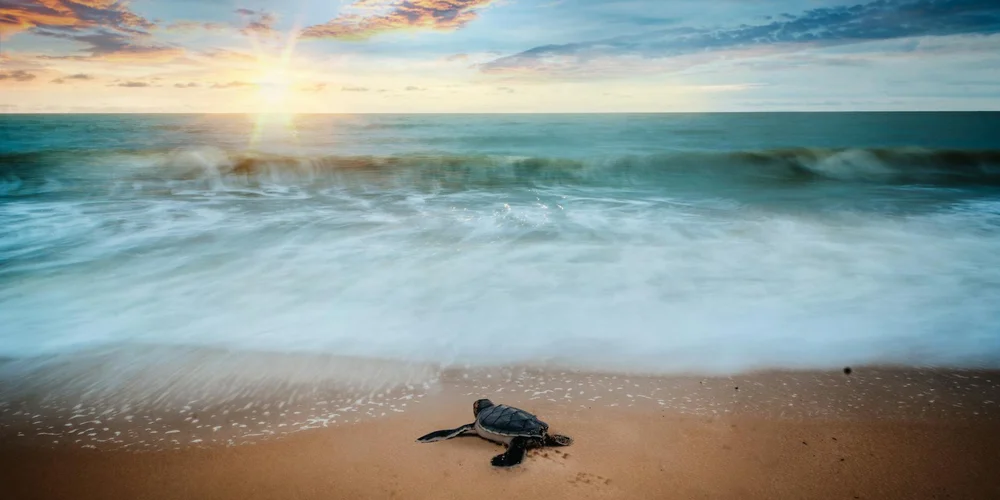
Several major, interconnected threats are driving turtles toward extinction. These are not natural cycles but are overwhelmingly driven by human activity.
- Habitat Loss: Coastal development destroys crucial sea turtle nesting beaches. For land turtles and tortoises, like my Greek tortoise Bronte’s wild cousins, urban sprawl and agriculture fragment their homes.
- Plastic Pollution: Sea turtles often mistake plastic bags for jellyfish, their favorite food. Ingesting plastic can cause internal blockages, starvation, and death.
- Climate Change: Rising sand temperatures on beaches determine the sex of sea turtle hatchlings. Warmer sands produce more females, skewing population ratios to unsustainable levels.
- Bycatch in Fisheries: Thousands of sea turtles are accidentally caught in fishing gear each year. Many drown in nets or on longline hooks before they can be released.
These threats impact species differently. A box turtle like my Orwell faces habitat loss from suburban development, while a green sea turtle struggles against ocean plastic. The common thread is us. Our choices, from what we buy to how we build our cities, directly shape their chances for survival.
Global Conservation Efforts for Turtles
Countries around the world have enacted laws to shield turtles from harm. International agreements like CITES regulate the trade of endangered species, making it harder for illegal markets to thrive. Protected areas, such as marine sanctuaries and wildlife reserves, offer safe havens where turtles can nest and feed without human interference.
Recovery programs are making a real difference for species on the brink. Head-starting initiatives, where hatchlings are raised in safety before release, have boosted populations of Kemp’s ridley sea turtles. Rehabilitation centers nurse injured turtles back to health, and I’ve seen firsthand how dedicated care can turn a struggling animal into a success story-much like how my box turtle Orwell thrives with proper attention.
Public awareness campaigns tackle threats like plastic pollution head-on. Educational efforts teach people to reduce single-use plastics, which often end up in oceans and harm sea turtles. Clean-up drives and social media outreach spread the word, helping communities understand how small changes protect these ancient creatures.
How Pet Turtle Owners Can Support Conservation
Responsible pet ownership starts with avoiding the illegal trade. Always source your turtles from reputable breeders or adopt from rescues, not from wild captures. This ensures you’re not supporting practices that deplete natural populations. When I brought home Austen, my Russian tortoise, I made sure his origins were ethical and traceable. For those new to turtle ownership, a reliable where to buy a pet turtle guide can point you to reputable breeders or rescues. That helps ensure a responsible acquisition.
Educating others amplifies your impact. Share fun facts about turtle biodiversity on social media or in conversations to highlight their unique traits and the dangers they face. Talk about how species like Bronte, my Greek tortoise, play roles in ecosystems-this personal touch makes the message stick.
Support conservation through daily pet care habits. Donate a portion of your pet supply budget to groups like the Turtle Survival Alliance or use eco-friendly products to reduce your environmental footprint. I often contribute to local rehab centers, knowing that every small action helps safeguard turtles for generations to come.
Responsible Pet Turtle Selection and Care
Choosing a turtle companion is a long-term commitment that directly impacts wild populations. My first turtle, Austen, was a captive-bred Russian tortoise, and selecting a captive-bred animal is the single most responsible choice you can make. This ensures no turtles are taken from ecosystems already under stress. These are among the key factors to consider when choosing turtle species: size, climate needs, and care requirements. Understanding them helps you pick a species that fits your home and lifestyle.
Choosing Captive-Bred Turtles
Always ask breeders for proof of captive breeding. Reputable sellers are transparent about their turtles’ origins.
- Support specialized breeders who focus on species conservation.
- Avoid pet stores that cannot verify a turtle’s source.
- Consider adopting a rescued turtle from a sanctuary or reptile rescue group.
Best Practices for Habitat Setup
A proper habitat reduces stress and promotes natural behaviors. My tortoises, Austen and Bronte, thrive in environments that closely mirror the dry, rocky landscapes they evolved in. Your setup should be a sanctuary, not just an enclosure.
- Provide a thermal gradient with a hot basking spot and a cooler area.
- Use full-spectrum UVB lighting for shell and bone health.
- Include hiding spots and substrates suitable for burrowing or digging.
- Maintain pristine water quality for aquatic species with powerful filtration.
Avoiding High-Risk Species
Some turtles are exceptionally vulnerable to over-collection. I actively avoid species like the Radiated Tortoise or certain Box Turtle subspecies, as their wild numbers are critically low. Research is your best tool.
- Steer clear of species listed on CITES Appendix I.
- Avoid turtles commonly wild-caught for the pet trade, like many Asian Box Turtles.
- Focus on common, robust captive-bred species like Red-Eared Sliders (with caution regarding their size) or Russian Tortoises.
Actions to Help Wild Turtles and Sea Turtles
Your influence extends far beyond your own home. Every piece of plastic you refuse is one less hazard for a sea turtle mistaking it for food. Simple, consistent actions create a wave of positive change.
Practical Steps for Daily Life
Incorporate these habits into your routine. They are small for you but monumental for wildlife.
- Reduce single-use plastics by carrying reusable bags, bottles, and straws.
- Participate in or organize local beach, river, or park clean-up events.
- Dispose of fishing line and hooks properly to prevent entanglement.
- Keep beaches dark at night during nesting season by closing curtains and avoiding flashlights.
Participate in Conservation
You don’t need a science degree to contribute meaningfully. I report sightings of my local box turtles to a herpetological society; this data helps track population health. Your observations matter.
- Join citizen science projects that monitor local turtle populations.
- Volunteer with wildlife rehabilitation centers that care for injured turtles.
- Support organizations dedicated to land and marine conservation through donations or advocacy.
Small Changes for Habitat Protection
Protecting habitats starts in your own backyard and community. Minimizing pesticide use in your garden protects the insects and plants that terrestrial turtles rely on. Think locally to act globally.
- Create a wildlife-friendly garden with native plants and a shallow water source.
- Be mindful of driving, especially near wetlands and parks, particularly in spring and fall when turtles are on the move.
- Educate friends and family about the simple ways they can help protect turtle habitats.
FAQs
Are sea turtles currently facing extinction?
Yes, many sea turtle species are at high risk of extinction due to factors like habitat loss and pollution. Climate change and pollution worsen these threats. Warmer seas alter nesting and hatchling sex ratios, and plastic pollution harms feeding grounds. Conservation actions are essential to prevent their disappearance.
What is the extinction rate of sea turtles?
Sea turtle extinction rates are concerning, with some populations declining by over 80% in the past century. This rapid loss highlights the critical need for sustained conservation efforts. You can help save endangered sea turtles by protecting nesting beaches and reducing plastic waste. Supporting conservation programs also helps.
What is the extinction status of sea turtles worldwide?
Globally, sea turtles are listed from vulnerable to critically endangered by the IUCN based on species-specific data, including leatherback sea turtles. Ongoing research and protections aim to stabilize their numbers.
Why is the green sea turtle listed as endangered?
The green sea turtle is endangered due to threats like coastal development and bycatch in fishing gear. Recovery in certain regions shows that conservation measures can be effective. In turtle population ecology, researchers study how population size and structure respond to these threats. This helps guide conservation actions.
What is the conservation status of green sea turtles in California?
In California, green sea turtles are protected as endangered under state and federal regulations. Local initiatives have helped some populations begin to rebound along the coast.
Your Role in Turtle Conservation
Protecting wild populations starts with safeguarding their habitats and making informed choices about the pets we bring into our homes. Choosing a captive-bred species that isn’t threatened in the wild is one of the most responsible decisions a prospective turtle owner can make. This is especially important because understanding the difference between wild and pet turtle habitats can help prevent further strain on natural ecosystems.
As a caretaker, your commitment to continuous learning about proper turtle care is a direct contribution to conservation. Providing a lifelong, species-appropriate habitat and diet ensures your shelled friend thrives and reduces pressure on wild populations. To support you, the care land and aquatic setups essential guide offers practical tips for both land and aquatic setups. It helps tailor habitat, diet, and health practices to your turtle’s needs.
Further Reading & Sources
- Endangered sea turtles – Wikipedia
- Sea Turtle | World Wildlife Fund
- Endangered Ocean: Sea Turtles | Ocean Today
- Sea Turtle Threats – SEE Turtles
Matthew is a dedicated turtle enthusiast and conservationist with over 15 years of experience in reptile care. Known affectionately as "The Leatherback" among his peers, he combines his passion for turtles with a commitment to educating pet owners on responsible turtle care and environmental stewardship.
Aquatic Turtles