
Safe Turtle Handling: A Guide to Salmonella Prevention
Published on: September 14, 2026 | Last Updated: September 14, 2026
Written By: Matthew The
You love your shelled companion, but a nagging worry about salmonella might make you hesitate to handle them. This concern is valid, and with my own trio of tortoises-Austen, Bronte, and Orwell-I’ve learned that a little knowledge goes a long way in keeping everyone safe and happy.
We’ll cover the essential practices: understanding the source of the bacteria, proper handwashing techniques, creating safe handling zones, and identifying at-risk individuals. This guide will give you the confidence to interact with your pet while protecting your household’s health.
Understanding Salmonella in Pet Turtles
Many people are surprised to learn that turtles can naturally carry Salmonella bacteria without showing any signs of illness. This is a completely normal part of their gut flora, not an indication of a dirty habitat or poor health. My Russian tortoise, Austen, has lived with me for a decade, and this understanding has always been the foundation of our safe interactions.
The bacteria are shed intermittently in their droppings, which can then contaminate their skin, shells, and the entire enclosure. The risk isn’t from the turtle itself, but from the microscopic traces of contamination that can linger on surfaces. This is why handling practices and hygiene are non-negotiable for anyone sharing a home with a shelled friend. Common turtle hygiene mistakes to avoid include skipping handwashing after handling and neglecting regular enclosure cleaning. By avoiding these mistakes, you reduce the risk of spreading contaminants throughout your home.
Essential Hand Hygiene for Turtle Owners
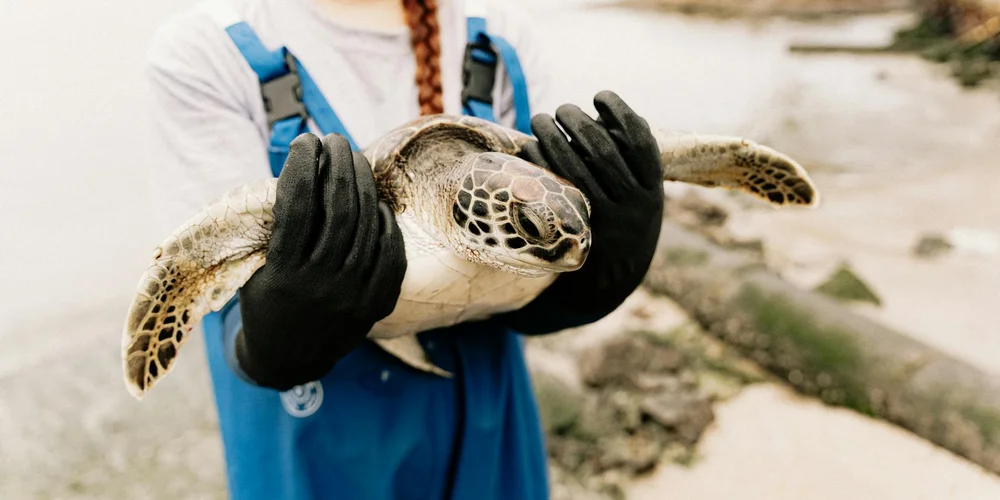
Handwashing is your single most powerful tool for preventing the spread of Salmonella. It sounds simple, but doing it correctly and consistently makes all the difference. Think of it as the final, crucial step in every interaction with your pet or its environment.
When to Wash Your Hands
Timing is everything. You must wash your hands thoroughly in these specific situations.
- Immediately after handling your turtle, even for a brief moment.
- After you touch anything inside their enclosure, including decorations, substrate, or food and water dishes.
- Before you eat, drink, or prepare any food for yourself or your family.
- Before touching your face, especially your mouth, nose, or eyes.
This routine becomes second nature with practice, like locking the door when you leave home. I even wash my hands after simply refilling Orwell’s water bowl, as a matter of habit.
Proper Handwashing Steps
A quick rinse is not enough. Follow these steps every single time for effective cleaning.
- Wet your hands with clean, running water.
- Apply soap and lather thoroughly, covering all surfaces: palms, backs, between fingers, and under nails.
- Scrub your hands for at least 20 seconds-about the time it takes to hum the “Happy Birthday” song twice.
- Rinse all the soap away under running water.
- Dry your hands using a clean towel or an air dryer.
Using plain soap and water is more effective than relying on hand sanitizers alone for this type of contamination. I keep a dedicated bottle of soap right by the sink as a constant reminder for my whole family.
Safe Turtle Handling Techniques
Pre-Handling Preparation
Before you even think about picking up your turtle, get your space ready. I always wash my hands thoroughly with soap and warm water. This simple step removes any lingering germs you might transfer to your shelled friend. Keeping your space tidy helps keep your turtle tank clean and odor-free. Regular tank maintenance makes a big difference.
Clear a soft, secure area on the floor or a low table. I use an old towel for my Russian tortoise, Austen, to prevent slips and cushion any potential falls. Ensure other pets and small children are in another room to minimize stress for everyone.
Have your supplies ready. This includes a dedicated pair of handling gloves if you choose to use them, and a shallow container of water for a quick post-handling rinse for your turtle, if needed.
During Handling Best Practices
When you pick up your turtle, always use two hands. Support their entire body from underneath. Never lift them by the sides of their shell or their legs. A fully supported turtle feels secure and is less likely to struggle or void its bowels, a common stress response.
Keep handling sessions short and infrequent. Five to ten minutes is plenty. My Greek tortoise, Bronte, is graceful but clearly communicates when she’s had enough by becoming still and retracting slightly.
Always handle your turtle close to the ground or over a soft surface. Turtles are surprisingly good at wiggling free, and a fall can be devastating. Hold them gently but securely, and avoid sudden movements.
Never bring a turtle close to your face or kiss it. It’s a sweet thought, but it’s the fastest way to transfer salmonella bacteria. Turtles can carry salmonella and pass it to people. To prevent it, wash your hands after handling a turtle and keep them away from food preparation areas. Enjoy their quiet company from a safe distance.
Post-Handling Cleanup
This is the most critical phase for preventing illness. Wash your hands immediately with soap and warm water. Scrub for at least 20 seconds, getting between your fingers and under your nails.
Clean any surfaces your turtle or your unwashed hands touched. This includes tables, floors, and sink handles. I keep a pet-safe disinfectant spray handy for a quick wipe-down. It’s especially important to clean and disinfect your turtle or tortoise enclosure regularly.
If you used any towels or blankets, toss them directly into the laundry. Designate these items as “turtle-only” supplies to prevent cross-contamination with your other household linens.
Cleaning and Disinfecting the Turtle Habitat
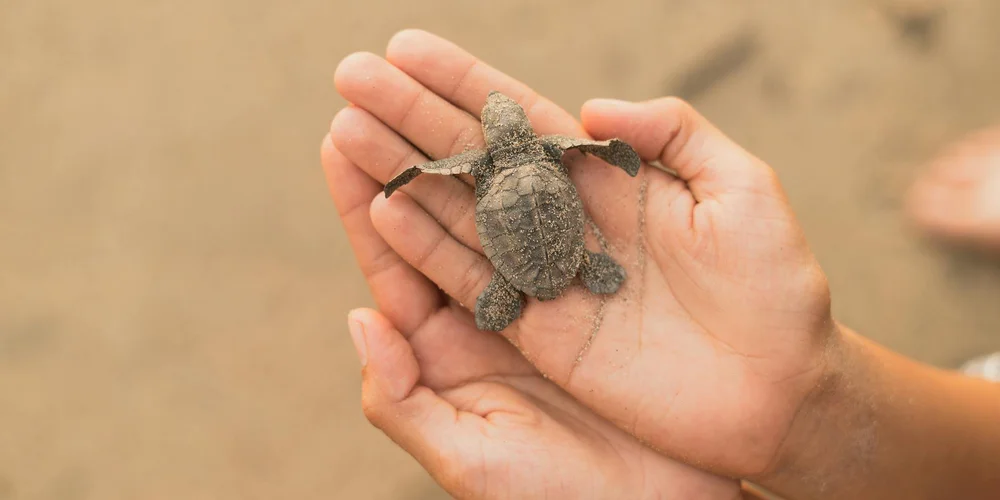
Routine Enclosure Maintenance
A clean habitat is your first line of defense. Daily, I spot-clean my turtles’ enclosures. This means removing uneaten food, any visible waste, and soiled substrate. Daily spot cleaning drastically reduces the overall bacterial load in the environment.
Change water in swimming dishes daily. Stagnant water is a breeding ground for bacteria. Scrub the dish with a dedicated brush and hot water before refilling it with fresh, dechlorinated water.
Wipe down hard surfaces like rocks and hides with a damp cloth weekly. This prevents a slow buildup of grime and bacteria that a deep clean might miss.
Deep Cleaning Procedures
Every four to six weeks, perform a full breakdown of the habitat. Move your turtle to a secure, temporary holding bin first. Remove all items—substrate, dishes, hides, and decorations. This is a core step in the turtle habitat cleaning schedule. Keeping to this routine helps prevent buildup and supports a healthy, clean environment for your turtle.
Dispose of old substrate completely. Do not reuse it. Scrub the entire empty enclosure and all removable items with hot, soapy water using a scrub brush reserved only for this task. Rinse everything thoroughly.
Disinfect with a diluted bleach solution. A mix of one part household bleach to ten parts water is effective against salmonella. Spray or wipe down all surfaces, let it sit for 10 minutes, then rinse everything extremely well with clean water until you can no longer smell bleach.
Allow the enclosure and all items to air dry completely in the sun if possible before adding new substrate and returning your turtle to its pristine home.
Protecting High-Risk Individuals and Children
Child Supervision and Education
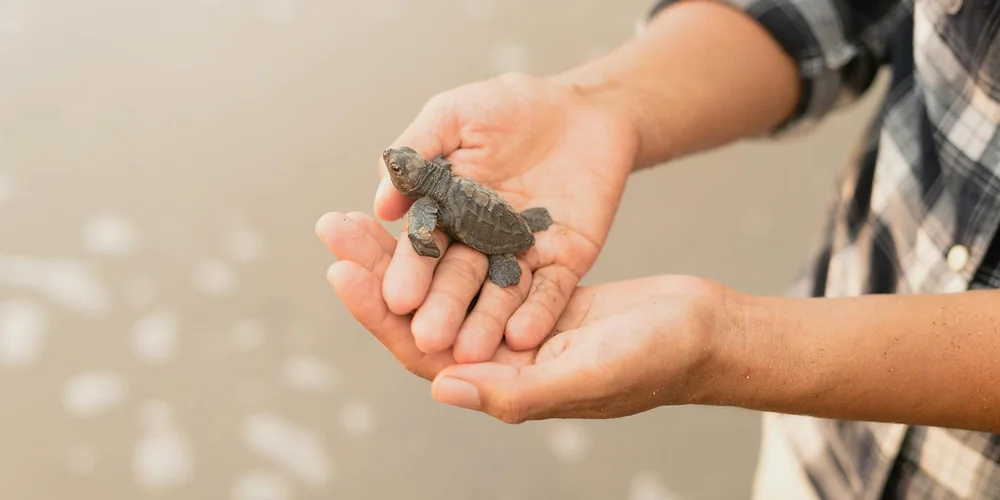
Always supervise children closely when they interact with turtles like my Russian tortoise, Austen. I make it a rule to never leave kids alone with pets, as quick hand-to-mouth actions can spread germs. Teach them to handle turtles gently and wash hands right after, using fun songs to make it memorable.
- Show kids how to hold turtles low to the ground to prevent falls.
- Explain that turtles aren’t toys and need calm, quiet handling.
- Use simple words like “germs” to describe Salmonella risks.
From raising my Greek tortoise, Bronte, I’ve seen how education reduces accidents. Kids learn best when you model safe habits yourself, turning care into a shared responsibility.
Precautions for High-Risk Groups
People with weakened immune systems, such as the elderly or those with chronic illnesses, should avoid direct turtle contact. If handling is necessary, wear disposable gloves and wash hands thoroughly to cut infection risks. I advise high-risk family members to admire my box turtle, Orwell, from a distance instead of holding him. For families with children, refer to a complete guide on safe turtle handling to help prevent illness. It covers proper handwashing, supervision, and safe interaction practices when around turtles.
- Keep turtle habitats away from kitchens or eating areas.
- Use hand sanitizer as a backup if soap and water aren’t available.
- Schedule handling times when health is stable to minimize exposure.
Animal welfare means protecting both pets and people. By setting clear boundaries, you ensure everyone stays healthy and happy.
Routine Practices for Ongoing Safety
Daily Safety Routines
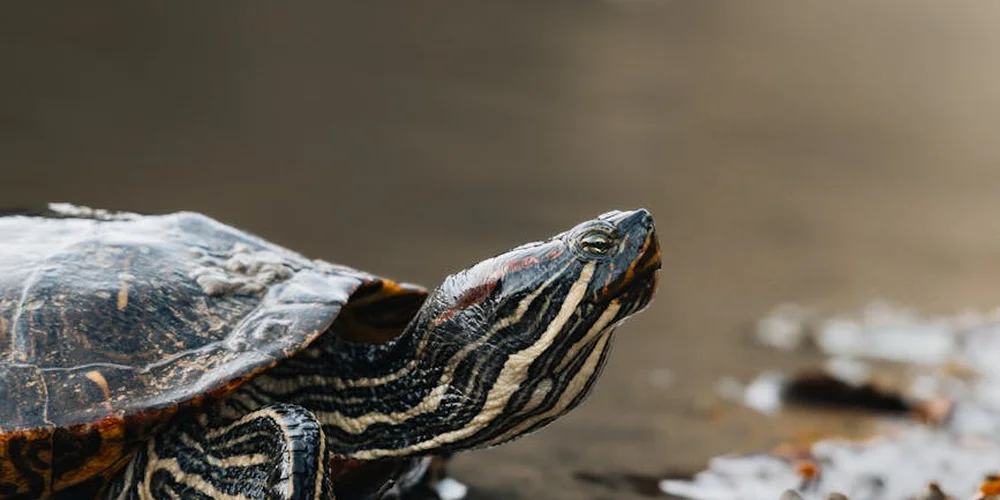
Start each day with a quick habitat check for cleanliness. Remove waste and uneaten food promptly to lower Salmonella buildup in the environment. I do this with all my turtles, like Bronte, to keep their space fresh and safe. It’s just one of the steps I follow, based on essential Salmonella prevention tips for turtle owners.
- Wash hands for 20 seconds after every interaction.
- Clean surfaces turtles touch with a pet-safe disinfectant.
- Inspect your turtle for any signs of illness, like lethargy.
Consistency is key. These small steps add up to big protection over time, making care feel effortless.
Long-Term Care Tips
Schedule annual vet visits to monitor your turtle’s health. Regular check-ups catch issues early, reducing the chance of Salmonella spreading from an sick pet. With Orwell, I’ve learned that a balanced diet and clean water support his immune system. Keep an eye on signs your turtle needs a vet to ensure prompt care.
- Rotate cleaning tools to prevent cross-contamination.
- Educate everyone in the home on safe handling practices.
- Keep a care journal to track habits and health changes.
Advocating for animal welfare means committing to their lifelong well-being. Your diligence pays off in a safer, more joyful bond with your turtle.
FAQs
Is it safe to allow my turtle to roam freely in my home?
No, as turtles can shed Salmonella on surfaces, increasing contamination risks. Confine interactions to a designated, easy-to-clean area to protect your household. A zoonotic-disease guide notes that dogs and cats can make a turtle sick, and vice versa, so supervise interactions and consider separate spaces for each species. Wash your hands after handling any animal or turtle habitat.
How should I clean items like toys or decorations that my turtle uses?
Use a pet-safe disinfectant or diluted bleach solution, then rinse thoroughly to remove residues. Always allow items to air dry completely before placing them back in the habitat.
What should I do if I develop symptoms after handling my turtle?
Contact a healthcare provider right away and mention your turtle exposure. Avoid further contact with your turtle and practice strict hygiene to minimize any potential spread, including properly quarantining your turtle.
Your Healthy Turtle Journey Starts Here
Protecting your health comes down to a simple, two-part ritual: wash your hands thoroughly every single time you interact with your turtle or its habitat, and always handle your pet gently over a soft, secure surface. These consistent habits form the foundation of a safe and enjoyable relationship with your shelled friend.
Being a great turtle guardian means committing to a lifelong path of learning and attentive care for your unique pet. Continue to seek out reliable information, observe your turtle’s behaviors, and your rewarding journey together will be built on a foundation of safety and mutual well-being.
Further Reading & Sources
- Pet Turtles: A Source of Germs | FDA
- Salmonella Outbreak Linked to Small Turtles – August 2024 | Salmonella Infection | CDC
- How to Prevent Salmonella From Turtles
- Salmonella Risk From Turtles | The Risk Project
Matthew is a dedicated turtle enthusiast and conservationist with over 15 years of experience in reptile care. Known affectionately as "The Leatherback" among his peers, he combines his passion for turtles with a commitment to educating pet owners on responsible turtle care and environmental stewardship.
Safe Handling Techniques