
Creating a Bio-Secure Environment for Your Pet Turtle
Published on: September 12, 2026 | Last Updated: September 12, 2026
Written By: Matthew The
Your turtle’s home might look clean, but invisible pathogens could be putting their health at risk every single day.
After years of caring for my own shelled companions, I’ve learned that a truly safe habitat goes far beyond a simple water change.
This guide covers essential setup, daily cleaning routines, disease prevention, and long-term quarantine protocols.
Why Turtle Biosecurity Is Your First Priority
Think of a bio-secure enclosure as a protective bubble for your turtle. This controlled space directly prevents the introduction of pathogens and parasites that cause illness. It also creates a stable, predictable world, which drastically lowers stress levels.
My Russian tortoise, Austen, taught me this lesson the hard way. I once brought home a new plant without a proper quarantine. Within days, Austen became lethargic and stopped eating. A vet visit confirmed a mild parasitic infection. That single oversight disrupted his entire system and cost him weeks of discomfort. Now, with Bronte and Orwell also in my care, nothing new enters their space without a thorough vetting process.
Poor biosecurity isn’t just about one sick day. It leads to a cascade of common problems:
- Shell rot and fungal infections from dirty, contaminated substrates.
- Respiratory infections triggered by unstable temperatures and poor air quality.
- Parasitic infestations from unquarantined new additions.
- Chronic stress, leading to a weakened immune system and refusal to eat.
Setting Up Your Turtle’s Core Habitat for Health
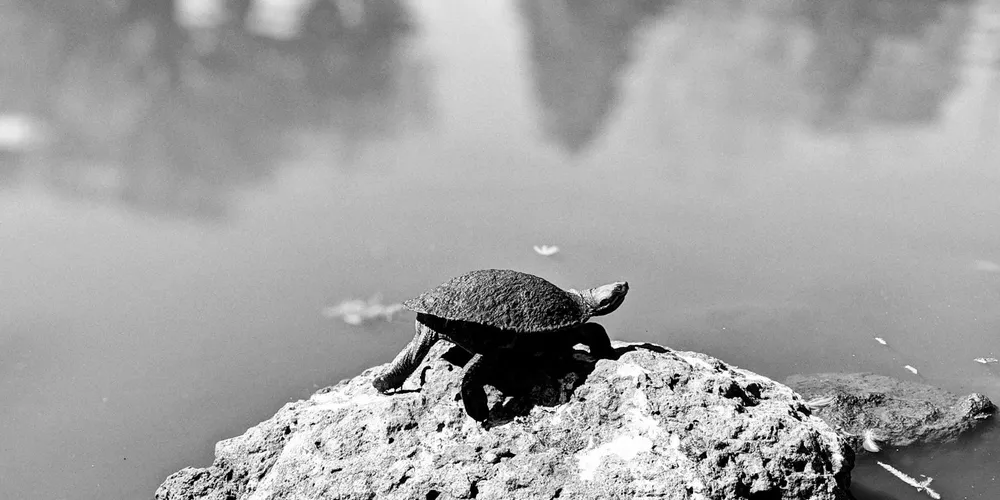
Your turtle’s home is its entire universe. Getting the fundamentals right is non-negotiable for its well-being. A proper habitat mimics the best parts of their natural environment while eliminating its dangers.
Start with these essential components:
- Tank Size: Bigger is always better. A good rule is 10 gallons of water per inch of shell length.
- Water Filtration: Use a canister filter rated for 2-3 times your tank’s volume. Turtles are messy.
- UVB Lighting: This is not optional. UVB light allows your turtle to synthesize vitamin D3, which is critical for metabolizing calcium and preventing metabolic bone disease.
- Basking Lamp: Provides a hot, dry spot for your turtle to completely dry off and regulate its body temperature.
Water quality is the lifeblood of an aquatic turtle’s world. Follow these steps for success:
- Always treat tap water with a reptile-safe water conditioner to neutralize chlorine and chloramines.
- Perform partial water changes of 25-50% weekly to remove waste and nitrates.
- Test water parameters monthly for ammonia, nitrite, and nitrate levels.
The foundation of your land area matters just as much. Here are ideal substrate options and climate controls:
- Substrate: For land areas, use a mix of organic topsoil and play sand. For fully aquatic turtles, large, smooth river rocks are safest.
- Temperature Control: Use two thermometers: one for the water and one for the basking area. A submersible aquarium heater maintains water temperature.
- Humidity Control: For species that need it, like my Russian and Greek tortoises, a shallow water dish and occasional misting help maintain proper humidity levels.
Decor should be fun and functional, not hazardous. Choose items that encourage natural behaviors like climbing, hiding, and exploring.
- Select smooth rocks and driftwood with no sharp edges.
- Ensure all artificial plants are made of silk or other soft materials, as plastic can be ingested.
- Provide at least one secure hideaway on both the wet and dry sides of the enclosure.
- Avoid any decor with small, detachable parts that could be swallowed.
Establishing Daily and Weekly Cleaning Protocols
Keeping your turtle’s home pristine is a daily commitment that pays off in their vibrant health and happiness. I stick to a simple routine with my tortoises Austen, Bronte, and Orwell to prevent bacteria buildup and stress. Their steady personalities thrive in a predictable, clean space.
- Daily tasks include removing uneaten food within an hour, wiping down surfaces with a damp cloth, and checking water quality. Spot cleaning waste right away cuts down on ammonia and keeps the air fresh.
- Weekly, I do a full enclosure scrub: empty and rinse all items, replace substrate if soiled, and disinfect with safe products. This prevents mold and gives your turtle a fresh start each week.
Algae can sneak up fast, especially in humid setups. To control it, I scrub decor with a soft brush during weekly cleanings and limit light exposure to 10-12 hours daily. For equipment like filters, I rinse parts in dechlorinated water monthly-never use soap, as residues harm turtles.
- Remove algae-covered items and scrub gently under running water.
- Sanitize with a vinegar solution (1 part vinegar to 3 parts water), then rinse thoroughly.
- Dry completely before returning to the enclosure to stop regrowth.
Feeding time can get messy, but my method keeps it tidy. I use a shallow dish for Bronte’s greens to contain crumbs and avoid overfeeding, which reduces waste and bacterial risks. For Orwell, I hand-feed insects to monitor intake and clean any spills immediately.
- Safe cleaning products include white vinegar, baking soda, and reptile-safe disinfectants. Avoid bleach unless heavily diluted and rinsed well-it can irritate your turtle’s skin and lungs.
- For pest prevention, seal food containers and inspect new plants before adding them. This simple habit has saved me from mite issues with Austen’s habitat.
Quarantine Procedures for New or Sick Turtles

Quarantine acts as a protective barrier for your existing pets, shielding them from unseen illnesses. When I brought Orwell home, a separate tank ensured he didn’t pass anything to Bronte or Austen. It is a non-negotiable step for responsible turtle care. To further prevent parasites in your turtle’s habitat enclosure, keep the tank clean and perform regular water changes. Regular sanitation helps keep parasites at bay.
- Set up a basic quarantine tank with a separate filter, heater, and hide. Use simple, easy-to-clean items like plastic plants to minimize hiding spots for pathogens.
- Place it in a low-traffic area to reduce stress, and maintain ideal temperature and humidity for your turtle species.
- Never share equipment between tanks during this period to prevent cross-contamination.
Quarantine should last at least 30 days for new arrivals and until a sick turtle is fully recovered. Monitor weight, appetite, and behavior closely—any changes could signal health issues. I check Bronte daily for signs of lethargy or irregular shell growth. This strict quarantine helps prevent disease spread to other turtles. Keep the quarantined turtle in a separate tank and sanitize all gear and hands before and after handling.
- Wear gloves when handling quarantined turtles and wash hands with soap before and after. This simple practice protects both you and your pets from germs.
- Sanitize the quarantine tank with a reptile-safe cleaner after each use, and dispose of substrate properly. I air out equipment in sunlight to naturally disinfect it, a trick that works wonders.
Monitoring Your Turtle’s Health and Wellness
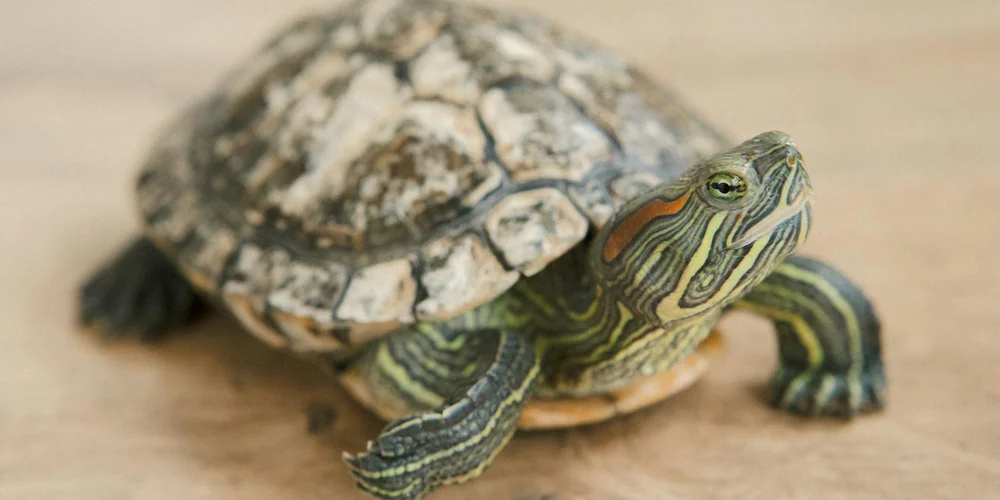
Keeping a close eye on your turtle is your first line of defense. A sudden change in behavior is often the earliest and most telling sign that something is wrong. I learned this with Bronte, who once stopped basking for two days, which was completely out of character for her.
Signs of Illness to Watch For
- Lethargy or lack of interest in food
- Swollen eyes or persistent discharge from the nose or mouth
- Soft spots or discoloration on the shell
- Abnormal swimming, like listing to one side
- Wheezing, gasping, or breathing with an open mouth
- Runny or unusually foul-smelling droppings
Performing Simple Health Assessments at Home
You can do a quick health check during routine habitat cleanings. Always wash and dry your hands thoroughly before and after handling your turtle to protect you both. To support ongoing health, follow an ultimate turtle habitat cleaning schedule that outlines what to clean, when to clean, and how often. Regular, thorough cleanings help keep the habitat safe and make health checks easier.
- Weigh them monthly using a kitchen scale. A consistent weight loss is a red flag.
- Gently feel their shell. It should be hard and smooth, not soft or flaky.
- Look at their eyes and nose. They should be clear and free of bubbles or mucus.
- Observe their movement. They should walk and swim without a limp or struggle.
When to Seek Veterinary Care
Trust your instincts. If something feels off, it probably is. Any sign of respiratory distress, like wheezing, requires an immediate vet visit. Other urgent situations include injuries, prolapse, or if your turtle hasn’t eaten for over a week. Recognizing these signs helps you know when your turtle needs veterinary care to see a veterinarian. Being proactive can prevent serious illness. Find a vet who specializes in reptiles before you have an emergency.
My turtle Orwell once had a small scrape on his plastron. I cleaned it with a diluted betadine solution, but I still scheduled a vet check to prevent a shell infection. It is always better to be proactive than to treat a full-blown illness later.
Balancing Enrichment with Biosecurity Protocols

A clean habitat doesn’t have to be a boring one. The goal is to stimulate your turtle’s mind without creating hidden pockets for bacteria to thrive. My turtles, especially the curious Austen, thrive on this balance. That balance guides how I decorate their tank with a naturalistic, proper habitat. I use driftwood, rocks, and plants to mimic a riverine environment while keeping everything easy to clean.
Bio-Secure Enrichment Ideas
- Food puzzles: Hide leafy greens inside a clean, hollowed-out loofah.
- Smooth, sterilizable rocks: Arrange them to create climbing challenges.
- Terracotta plant saucers: Use them as a digging box filled with organic soil.
- Cuttlebone: It’s a great calcium source and a safe item to chew on.
Rotating Decor to Prevent Bacterial Buildup
I keep a small “toy box” of extra decor. Every two weeks, I swap out a few items, which keeps the habitat fresh and exciting for my turtles. The removed items get a thorough scrub with a reptile-safe disinfectant, rinsed extremely well, and left to air dry completely before being stored for their next rotation.
Observing Your Turtle’s Personality Safely
You learn a lot by just watching. Notice which hides your turtle prefers or if they enjoy pushing a certain rock around. Bronte loves her flat slate tile for basking, while Austen prefers a more textured rock. I satisfy these preferences by ensuring their favorite items are made of non-porous, easy-to-clean materials. This way, I support their unique personalities without compromising our bio-secure standards.
FAQs
What is the ideal temperature for my turtle’s basking area?
The ideal basking temperature varies by species but is typically between 85-95°F. Always use a thermometer to ensure accuracy and prevent overheating.
How can I safely introduce new plants into my turtle’s habitat?
Quarantine new plants in a separate area for two weeks to monitor for pests. Rinse them well and opt for non-toxic, reptile-safe varieties to ensure your turtle’s safety. Similarly, quarantine a new turtle in a separate enclosure for several weeks to monitor health before introducing it to your existing setup. This essential first-step protocol helps prevent disease and pest transfer to your other pets.
What are the signs of a healthy turtle?
A healthy turtle displays consistent activity, clear eyes, and a hard shell. Regular eating and normal behavioral patterns are key indicators of good health. Understanding turtle anatomy health helps explain these signs. Shell integrity, eye clarity, and limb strength reflect the status of the turtle’s anatomy and overall health.
A Healthy Habitat for a Happy Turtle
From my years with Austen, Bronte, and Orwell, I’ve learned that maintaining a clean enclosure and quarantining new turtles are your best defenses against illness. Consistent routines in hygiene and habitat checks make all the difference in preventing health issues before they start. To avoid common turtle hygiene mistakes, keep those routines steady and regularly clean every corner of the enclosure. Don’t skip regular cleanings or rely on spot cleaning alone.
Owning a turtle is a rewarding journey that asks for your dedication to their well-being and a willingness to grow alongside them. Embrace the role of a lifelong learner to provide the compassionate care every turtle deserves. Daily care differs by habitat: aquatic turtles need regular water maintenance and a dedicated basking area, while terrestrial turtles require humidity control, safe substrate, and routine feeding.
Further Reading & Sources
- After Decades of Protections, Green Sea Turtles Have Been Saved From the Brink of Extinction-for Now – Inside Climate News
- Sustaining America’s Aquatic Biodiversity – Turtle Biodiversity and Conservation | VCE Publications | Virginia Tech
- -Aquatic Turtle Habitat Guidelines – Central Mississippi Turtle Rescue
- Green sea turtle – Wikipedia
Matthew is a dedicated turtle enthusiast and conservationist with over 15 years of experience in reptile care. Known affectionately as "The Leatherback" among his peers, he combines his passion for turtles with a commitment to educating pet owners on responsible turtle care and environmental stewardship.
Preventative Care