
Are Turtles Mammals or Reptiles? Clearing Up the Confusion
Published on: July 10, 2026 | Last Updated: July 10, 2026
Written By: Matthew The
You might be wondering if turtles are mammals because they seem so gentle and slow-moving, but this mix-up can lead to misunderstandings about their care and needs.
In this article, we’ll explore: key traits that define mammals versus reptiles, why turtles fit squarely into the reptile category, and how this knowledge helps you provide better care for these unique animals.
Your Quick Answer: Turtles Are Reptiles
Yes, turtles are reptiles, not mammals, and this classification shapes everything from their behavior to their care needs. From my decade of living with turtles like Austen, I’ve observed their reptile traits in daily routines, like basking under a heat lamp to regulate body temperature. Unlike mammals, they don’t produce milk or have fur, which is a clear giveaway when you compare them to pets like dogs or cats.
Their scaly skin and egg-laying habits align perfectly with reptile biology, making them fascinating companions in the reptile family. This distinction matters because it guides how we set up their habitats, ensuring they thrive in environments that mimic their natural, wild origins.
What Exactly Is a Reptile?
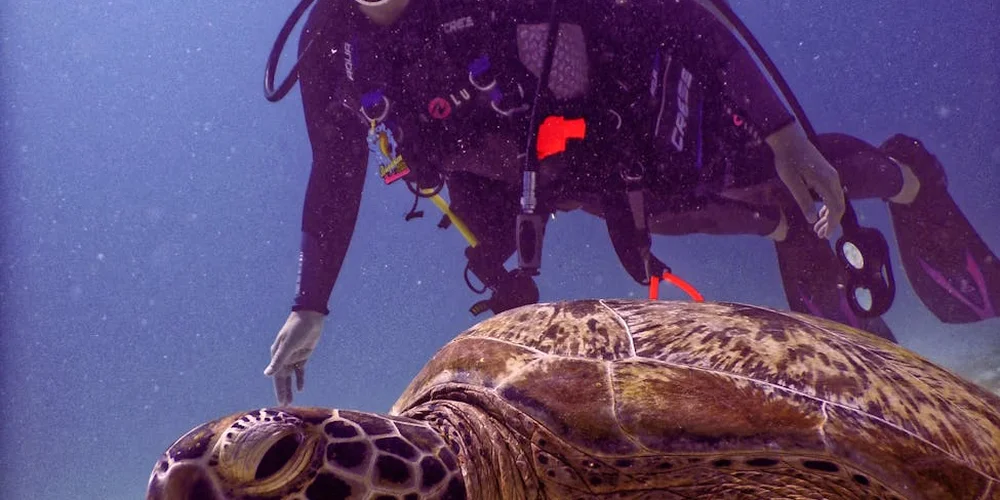
Reptiles are a group of cold-blooded animals with scaly skin, and they rely on external heat sources to stay active and healthy. Think of them as nature’s sun-worshippers, needing warmth from the environment to power their daily activities, much like my Greek Tortoise Bronte who gracefully seeks out sunny spots in her enclosure. This trait sets them apart from mammals, which generate their own body heat internally.
Key characteristics of reptiles include:
- Scaly skin that reduces water loss and provides protection
- Laying eggs on land, often with leathery shells
- Breathing air through lungs their entire lives
- Being ectothermic, meaning they depend on outside temperatures to control their metabolism
In my experience, understanding these traits helps you appreciate why turtles like Orwell, my Box Turtle, need varied temperatures in their home to stay alert and healthy. Reptiles have evolved over millions of years, and recognizing their unique needs is a step toward compassionate pet care that respects their wild instincts. For instance, providing a gradient of heat zones in their tank allows them to self-regulate, just as they would in a natural setting.
Why Turtles Aren’t Mammals
You might think turtles share traits with mammals because they can be gentle pets, but they lack key mammalian features like fur, milk production, and constant body warmth.
Mammals regulate their own body temperature, while turtles rely on the sun’s rays to stay warm, just like my Russian Tortoise Austen basking under his heat lamp. To diagnose his habitat, I follow a quick checklist for perfect lighting, heat, and water. This helps keep Austen thriving and makes the setup easier to maintain.
Here are clear reasons turtles don’t fit the mammal category:
- No hair or fur-their bodies are covered in scales or a bony shell.
- They lay eggs on land, unlike mammals that give live birth.
- Turtles are cold-blooded, meaning their environment controls their body heat.
From caring for Austen over a decade, I’ve seen how his needs differ vastly from furry pets, reinforcing why proper habitat setup is vital for their welfare.
The Shell: A Reptilian Masterpiece
A turtle’s shell isn’t just armor-it’s fused to their spine and ribs, a defining trait of reptiles that mammals never have. You can learn more about turtle anatomy and shell biology on our detailed guide.
This bony structure grows with them, providing protection and support, unlike anything in the mammal world.
When Orwell, my Box Turtle, retreats into his shell, it’s a natural defense mechanism I’ve observed countless times.
- The shell is made of keratin and bone, similar to other reptiles.
- It can’t be removed without harming the turtle, debunking myths about them “leaving” their shells.
- Shell health reflects overall well-being, so I always check for cracks or discoloration during handling.
Advocating for animal welfare, I stress that a damaged shell requires immediate vet care to prevent suffering.
And No, Turtles Aren’t Amphibians Either
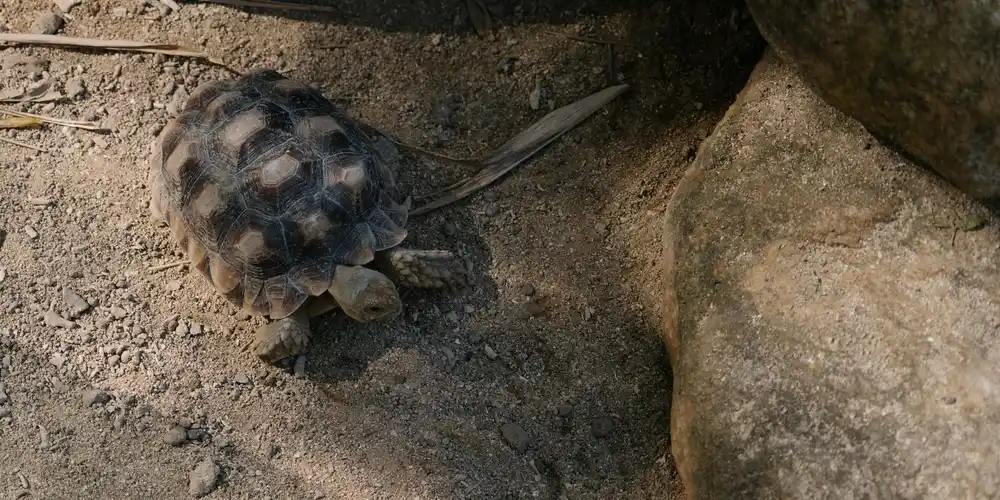
While turtles might live near water, they don’t undergo metamorphosis or have permeable skin like frogs or salamanders. Turtles can live both on land and in water, but they have different skin and developmental characteristics.
Their dry, scaly skin and land-based egg-laying set them apart from amphibians’ life cycles.
I’ve watched Bronte, my Greek Tortoise, navigate both terrain and shallow water without the skin changes amphibians experience.
- Turtles lack the larval stages amphibians go through, such as tadpoles turning into adults.
- They don’t absorb water or oxygen through their skin, relying instead on other adaptations.
- Their eggs have leathery shells, not the jelly-like coating common in amphibian eggs.
Understanding this helps you provide better care, like ensuring enclosures have dry areas to prevent stress.
Breathing Easy: Lungs for a Lifetime
Turtles breathe air using lungs from the moment they hatch, unlike amphibians that may start with gills and develop lungs later.
This means even aquatic turtles must surface regularly to inhale, a behavior I’ve noted in Orwell during swim sessions.
Their lung structure allows for slow, efficient breathing, which suits their calm demeanor.
- Lungs enable turtles to thrive in diverse habitats, from deserts to ponds.
- They can’t extract oxygen from water like some amphibians, so clean, well-oxygenated environments are essential.
- Respiratory issues in turtles often stem from poor air quality, highlighting the need for proper ventilation in enclosures.
Based on my experience, monitoring breathing patterns can catch health problems early, promoting a longer, happier life for your pet.
What This Means for Your Pet Turtle’s Care
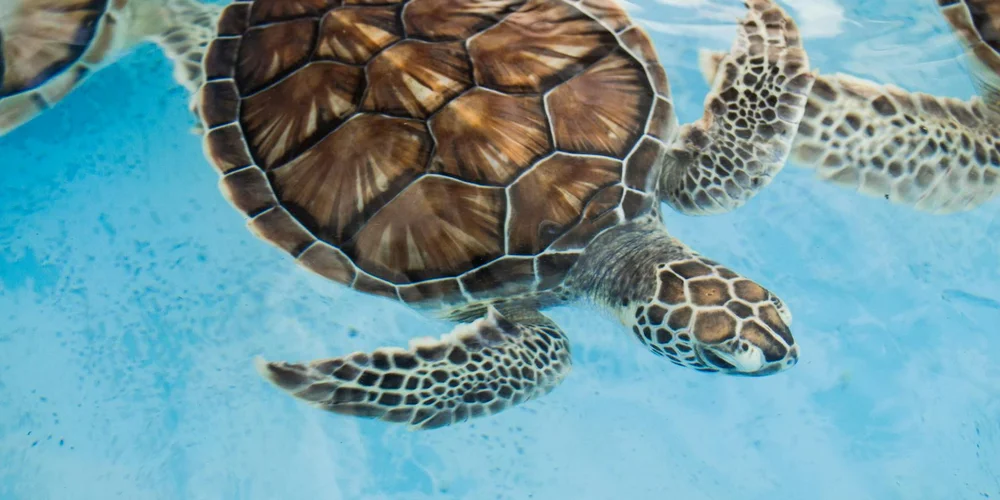
Thermoregulation: Your Turtle’s Sunbathing Needs
Since turtles are reptiles, they can’t generate their own body heat like mammals do. Your turtle relies on you to provide warm and cool zones in their habitat for proper thermoregulation. I’ve seen this firsthand with Austen, my Russian tortoise; he spends mornings soaking up heat under his lamp to kickstart his digestion and energy levels.
Set up a basking area with a heat lamp that keeps the spot between 85-95°F. Always include a shaded, cooler area around 70-75°F so your turtle can self-regulate without stress. Without this, they might become sluggish or stop eating, which I learned early on when Austen seemed off until I adjusted his setup.
- Use a thermometer to monitor temperatures daily.
- Provide UVB lighting for calcium absorption-it mimics natural sunlight.
- Observe your turtle’s behavior; if they’re always hiding, the heat might be too intense.
This isn’t just about comfort; it’s essential for their immune system and overall vitality. Proper heating prevents common issues like respiratory infections, which reptiles are prone to in cold environments.
Egg-Laying Behavior in Female Turtles
As egg-laying reptiles, female turtles don’t get pregnant like mammals. Even without a mate, females like Bronte, my Greek tortoise, may lay infertile eggs as part of their natural cycle. When Bronte started digging in her enclosure, I knew to provide a nesting box filled with damp soil to support her instinct. These are classic turtle egg-laying nesting behaviors. They include selecting a site, digging a nest, laying eggs, and covering them.
Watch for signs like restlessness, reduced appetite, or digging. If your turtle seems strained or can’t lay eggs, it could lead to egg-binding, a serious condition requiring vet care. I always check Bronte’s weight and behavior during breeding seasons to catch any issues early. If you notice any of these warning signs, it’s time to see a veterinarian who treats reptiles. Early care can prevent serious complications.
- Offer a secluded nesting area with soft, moist substrate.
- Maintain a balanced diet rich in calcium to support eggshell formation.
- Consult a reptile vet if egg-laying seems difficult or prolonged.
Respecting this behavior reduces stress and promotes welfare. Handling eggs gently and providing privacy helps your turtle feel secure during this vulnerable time. This is a key aspect of caring for a gravid, egg-carrying turtle and is covered in our complete pre-laying guide.
Common Turtle Classification Mix-Ups
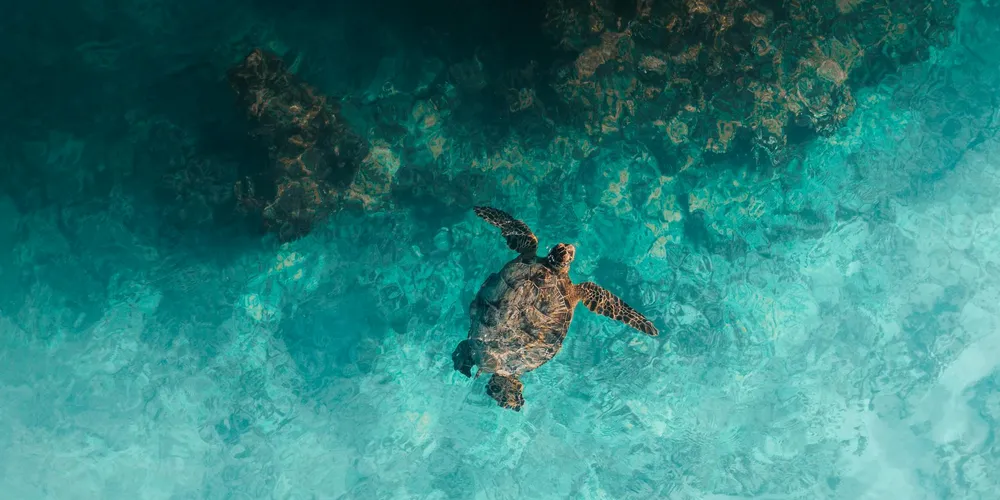
People often confuse turtles with mammals or amphibians due to their aquatic habits or shell appearance. Turtles are definitively reptiles, sharing traits like scaly skin and egg-laying, unlike furry, live-bearing mammals. I’ve met folks who thought Orwell, my box turtle, was an amphibian because he enjoys damp areas, but his dry, scaly legs give him away.
- Mammals vs. Turtles: Mammals nurse their young; turtles leave eggs to hatch independently.
- Amphibians vs. Turtles: Amphibians like frogs have permeable skin and often live in water; turtles have protective shells and can thrive on land or water.
- Reptile Family: Turtles belong with snakes and lizards, all relying on external heat sources.
Understanding these differences ensures better care. Mistaking a turtle for a mammal might lead to improper feeding or housing, harming their health. For instance, Orwell’s reserved nature isn’t aloofness-it’s a reptile trait that demands patience and observation.
Spread awareness by sharing facts; it helps protect these gentle creatures from neglect. Every time I explain turtle biology, I see how it empowers owners to make kinder, informed choices.
FAQs
Are turtles reptiles?
Yes, turtles are reptiles because they share key traits like scaly skin and laying eggs on land. Understanding this helps pet owners provide appropriate habitats, such as including basking areas for thermoregulation.
Are turtles reptiles or amphibians?
Turtles are reptiles, not amphibians, as they lack permeable skin and do not undergo metamorphosis like frogs. This distinction means they need dry areas in their enclosures to prevent skin issues and stress.
Are turtles reptiles for kids?
For kids, turtles are reptiles because they have hard shells and rely on the sun to stay warm, unlike furry mammals. Teaching this can make caring for a pet turtle fun, like setting up a heat lamp for basking.
Are turtles cold-blooded?
Yes, turtles are cold-blooded reptiles, meaning they depend on external heat sources to regulate their body temperature. This often prompts the question: are turtles cold-blooded or warm-blooded? In short, they are cold-blooded, relying on environmental heat to rise or fall with surroundings. Pet owners must create temperature gradients in enclosures to support their digestion and activity levels.
Are turtles and tortoises both reptiles?
Yes, both turtles and tortoises are reptiles, but tortoises are primarily land-dwelling with dome-shaped shells. The difference between turtles and tortoises is mainly about habitat and shell shape. Knowing this difference aids in tailoring care, such as providing more terrestrial space for tortoises compared to aquatic turtles.
Your Turtle’s True Nature
Always remember that your turtle is a reptile, a fact confirmed by its scaly skin and that remarkable bony shell, which is part of its skeleton. This reptilian heritage means you must provide a specific thermal environment with both a warm basking area and a cooler zone, as they rely on external heat to regulate their body temperature.
Being a responsible turtle guardian means committing to continuous learning about their unique biological and behavioral needs. A well-researched habitat and a diet tailored to their species are the foundations for a long, healthy, and fascinating life with your shelled companion.
Further Reading & Sources
- Turtle – Wikipedia
- Turtle | Species, Classification, & Facts | Britannica
- Turtles & Tortoises | Nature | PBS
- Is a turtle a reptile, amphibian or mammal? | Homework.Study.com
Matthew is a dedicated turtle enthusiast and conservationist with over 15 years of experience in reptile care. Known affectionately as "The Leatherback" among his peers, he combines his passion for turtles with a commitment to educating pet owners on responsible turtle care and environmental stewardship.
Turtle Myths and Misconceptions