
Do Turtles Have Lungs or Gills?
If you’ve ever watched a turtle glide effortlessly underwater, you might be wondering if they have gills like a fish. It’s a common and completely logical question, especially if you’re a new turtle owner watching your pet spend so much time submerged.
In this article, you’ll find a clear breakdown of turtle breathing, how their lungs work, the surprising ways they manage underwater, and what you need to know to keep your shelled friend healthy.
The Simple Answer to Turtle Breathing
Turtles have lungs, not gills, and they breathe air just like you and I do.
Watching my Russian Tortoise, Austen, take slow, deliberate breaths reminds me that these creatures are fully reliant on air to live.
As reptiles, turtles surface regularly to fill their lungs with oxygen.
- They cannot extract oxygen from water like fish with gills.
- Even aquatic species must come up for air to avoid drowning.
- Their lung-based system suits life on land and in water with frequent air access.
I have seen my Box Turtle, Orwell, pause during exploration to take a deep breath, showing how instinctive this process is.
Inside a Turtle’s Respiratory System
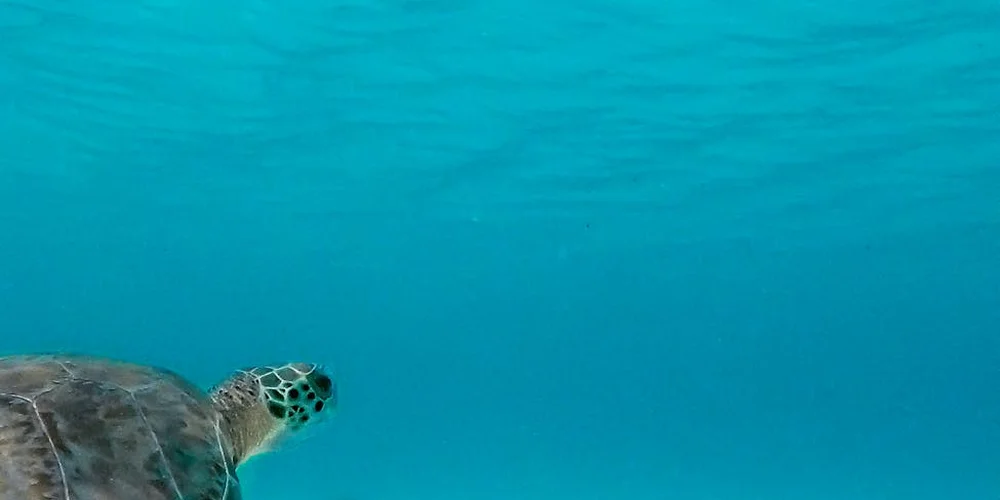
A turtle’s lungs are located under its shell, and they function similarly to other reptiles’ lungs.
The rigid shell means turtles use specialized muscles to move air in and out, rather than expanding their chest like mammals. In turtle shell anatomy, the shell is a fused skeleton—the carapace and plastron connected to the spine. This shield not only protects the animal but also influences how breathing and movement work.
My Greek Tortoise, Bronte, demonstrates this with her graceful, unhurried breathing while basking.
- Air enters through the nostrils and passes into the trachea.
- It flows into the lungs where oxygen exchange occurs.
- Carbon dioxide is expelled back out through the same pathway.
Some turtles, like aquatic ones, have adaptations such as cloacal bursae that allow minimal oxygen absorption, but lungs handle the bulk of breathing. This helps explain how aquatic turtles breathe and what their respiration and habitat requirements look like. The guide covers breathing patterns and habitat factors like water quality, temperature, and basking opportunities.
Providing a dry basking spot in your turtle’s habitat is essential for their respiratory health and overall well-being.
I always ensure Austen and Bronte have easy access to air, advocating for setups that mimic their natural needs.
How Different Turtles Breathe: From Oceans to Backyards
All turtles rely on lungs to breathe air, whether they live in the ocean, a pond, or your garden. This universal need for air connects every turtle species, from the deepest divers to the sun-loving tortoises in my care.
Sea turtles, like leatherbacks, surface every few hours to exhale and inhale fresh air. I’ve spent years studying their rhythms, and it’s awe-inspiring how they balance deep dives with essential breaths at the surface.
Freshwater turtles, such as red-eared sliders, pop up more frequently-often every 10 to 30 minutes. Watching Orwell, my Box Turtle, take quick air gulps from his water dish reminds me how vital easy surface access is for aquatic pets.
Terrestrial turtles, like my Russian Tortoise Austen and Greek Tortoise Bronte, breathe air continuously without any aquatic adaptations. Their gentle, steady breaths are a soothing part of my daily routine, and they never have to hold their breath like their water-dwelling cousins. Yet, there’s a surprising truth about turtles: some aquatic species can absorb oxygen from water through their skin or cloaca, letting them breathe underwater for extended periods. This makes me marvel at how varied their respiration can be.
Here’s a simple breakdown of breathing habits across turtle types:
- Sea turtles: Breathe at the surface after long dives; some can stay submerged for hours.
- Freshwater turtles: Surface regularly for air; need clean, accessible water areas.
- Terrestrial turtles: Breathe air like mammals; no need for swimming or diving.
Providing the right setup for your turtle’s breathing style is a key part of pet ownership. Always ensure aquatic turtles have shallow areas to surface easily, and keep terrestrial species in well-ventilated enclosures.
Special Breathing Tricks Turtles Use
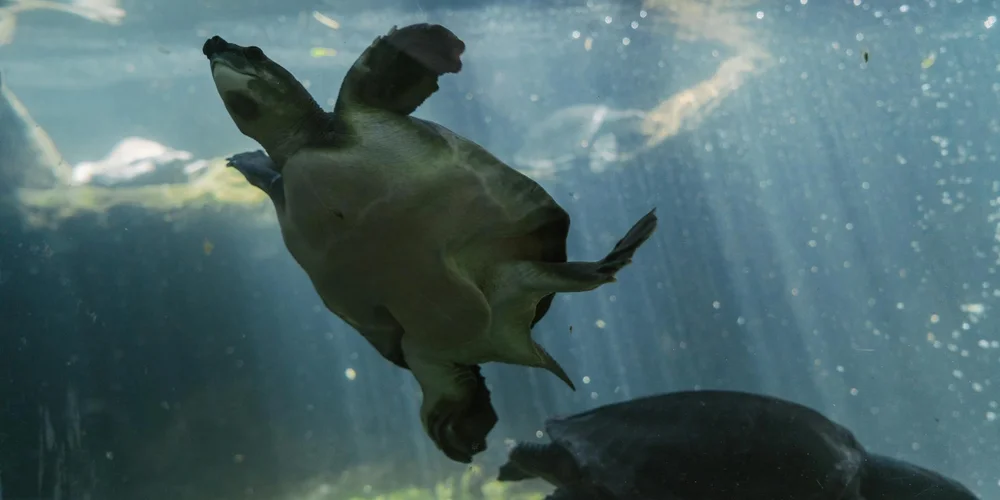
Turtles have developed unique ways to manage their oxygen needs, especially in challenging environments. One remarkable method is cloacal respiration, where some species absorb oxygen directly through their cloaca—essentially breathing through their rear end.
This trick is common in freshwater turtles and even some box turtles like Orwell. I’ve noticed how he seems more relaxed in clean, oxygen-rich water, which supports this natural ability without stress.
During hibernation or brumation, turtles dramatically slow their breathing to conserve energy. Their metabolic rate drops, and breaths become sparse—sometimes just a few per hour—to survive cold periods safely. This is part of our complete turtle brumation and hibernation guide, where you’ll learn how to prepare, monitor, and care for your turtle through the colder months.
For extended dives, turtles store oxygen in their blood and muscles, allowing them to hold their breath for long stretches. Sea turtles excel at this, but even pet species can surprise you with their endurance if their habitat supports it.
Explore these special breathing adaptations turtles use:
- Cloacal respiration: Absorbs oxygen in water through the cloaca; common in aquatic turtles.
- Hibernation breathing: Reduces breath rate to minimal levels; requires a cool, stable environment.
- Oxygen storage: Holds breath by storing oxygen in tissues; ideal for diving or resting underwater.
Observing these behaviors in Austen, Bronte, and Orwell has deepened my respect for turtle welfare. Mimicking their natural conditions, like maintaining clean water for cloacal breathing, is essential for a healthy, happy pet.
Setting Up the Perfect Breathing Environment
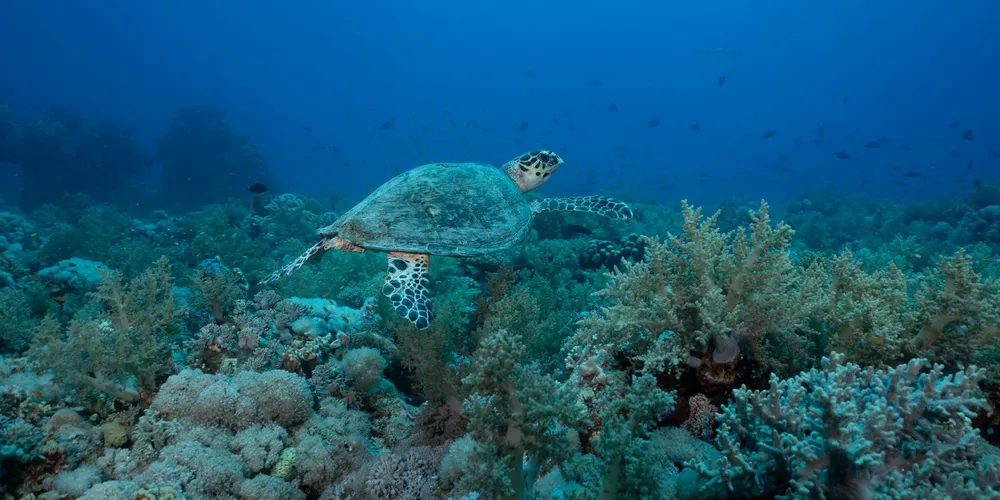
Since turtles rely on lungs to breathe air, creating a habitat that supports healthy respiration is key to their well-being. I’ve spent years fine-tuning enclosures for my tortoises, Austen, Bronte, and Orwell, and I’ve seen how the right setup prevents stress and illness. A well-ventilated space with clean air reduces the risk of respiratory issues, keeping your turtle active and content. When you plan space for a pet turtle, you should look for room to swim, bask, and move comfortably. A well-balanced enclosure pairs generous space with clean air to support long-term health.
Start by ensuring proper airflow in the enclosure. Stagnant air can trap humidity and pollutants, irritating your turtle’s lungs. For indoor habitats, place them in a room with gentle cross-ventilation, but avoid direct drafts that could chill your pet. Good circulation mimics the natural breezes turtles experience in the wild, promoting easier breathing.
Water quality matters immensely, especially for semi-aquatic species like box turtles. Orwell, my reserved box turtle, thrives when his water is filtered and changed weekly to prevent bacterial growth that could affect his air intake. Use a shallow dish for drinking and soaking, and test water parameters regularly. Clean water minimizes the chance of infections that might spread to the respiratory system. Monitoring water quality is essential for turtle health.
- Monitor temperature gradients: Keep basking spots around 85-90°F and cooler areas at 70-75°F to support lung function.
- Maintain humidity levels between 50-70% using a hygrometer; too dry or damp air can cause breathing strain.
- Choose substrates like coconut coir or cypress mulch that hold moisture without molding, as mold spores can harm lungs.
- Incorporate live plants to improve air quality naturally, but avoid toxic varieties that could be ingested.
From my experience with Bronte, her graceful nature shines when the environment feels balanced-think of it as crafting a tiny, breathable oasis. Regularly clean the habitat to remove dust and debris, as buildup can lead to respiratory irritants over time.
Recognizing Breathing Problems in Pet Turtles
Spotting early signs of breathing issues can save your turtle from discomfort and serious health risks. Over the years, I’ve learned to watch for subtle changes in my pets, like Austen’s steady demeanor shifting if something’s off. Respiratory problems often start small but can escalate quickly, so prompt attention is vital.
Look for bubbles or discharge from the nose or mouth, which might indicate an infection. Wheezing or clicking sounds when breathing are red flags-I recall when Orwell once made soft whistling noises, signaling a need for a vet visit. Lethargy or reduced appetite often accompanies breathing troubles, as your turtle conserves energy to cope.
Other symptoms include open-mouth breathing or extended neck postures, as if struggling for air. Swollen eyes or frequent rubbing can also point to respiratory distress. These signs often indicate your turtle may need veterinary care. If you notice any of these signs, isolate the turtle in a clean, warm area and consult a reptile veterinarian immediately.
- Check for environmental causes: Poor ventilation, dirty water, or incorrect temperatures are common triggers.
- Observe behavior changes: Is your turtle avoiding basking or spending too much time submerged? This could signal oxygen stress.
- Keep a health journal: Note symptoms and habitat conditions to share with your vet for accurate diagnosis.
- Prevent spread: If you have multiple turtles, quarantine the affected one to protect others.
In my care, advocating for animal welfare means acting fast-like when Bronte showed slight nasal discharge, I adjusted her humidity and saw improvement within days. Regular habitat checks and gentle handling help you catch issues early, ensuring your turtle breathes easy for years to come.
Evolution of Turtle Respiration
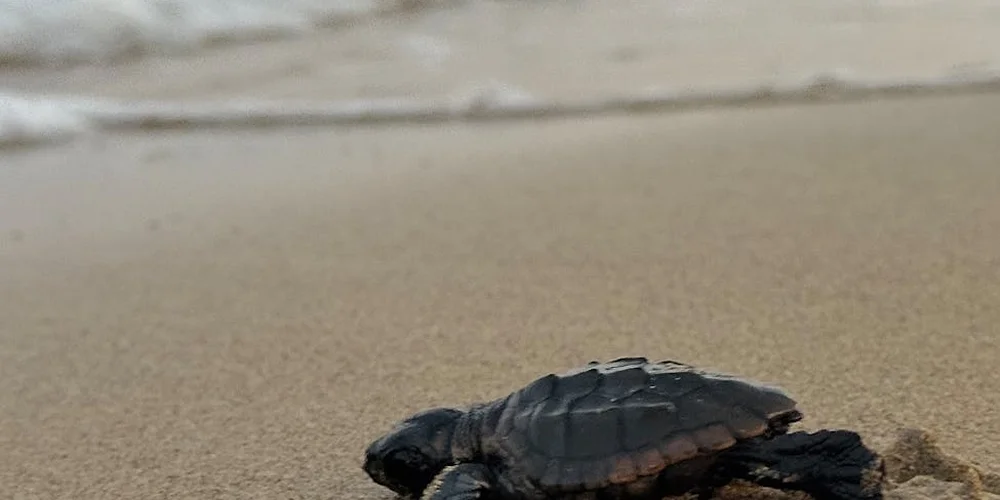
Looking at my own tortoises, Austen and Bronte, slowly patrolling their enclosure, it’s incredible to think their ancestors navigated a world of water. The journey from aquatic life to a terrestrial one fundamentally shaped how turtles breathe today. Their respiratory system is a masterpiece of evolutionary adaptation.
From Water to Land
Millions of years ago, the earliest turtles were largely aquatic. They needed to surface for air, just like modern sea turtles do. As some species began spending more time on land, their bodies had to change. Their lungs became more complex and efficient at extracting oxygen from air instead of relying on any supplemental water-breathing ability. This transition locked in lungs as their primary and sole organ for breathing.
You can see remnants of this history in their behavior. Aquatic turtles can hold their breath for astonishingly long periods, a trait leftover from their deep-diving ancestors. My box turtle, Orwell, can’t hold his breath like that, but he still has a slower, more deliberate breathing rhythm than a mammal.
The Shell’s Role
Evolution presented turtles with a unique puzzle: how to breathe inside a rigid, bony box. Their ribs are fused to the inside of their shell, which means they can’t expand and contract their chests like we do.
They developed a specialized set of muscles specifically to pump air in and out of their lungs. It’s a process you can sometimes observe if you watch carefully.
- They use muscles to pull their limbs in and out, which changes internal pressure.
- Other muscles directly shift their internal organs to help ventilate the lungs.
- This is why any injury to the shell is a serious respiratory risk; it can impair this delicate muscular machinery.
It’s a less efficient system than ours, which contributes to their generally slow metabolism and legendary longevity.
FAQs
How often do turtles need to come up for air?
It depends on the species and activity level, but most aquatic turtles surface every few minutes to hours. Always provide easy access to the surface in their habitat to prevent stress.
Can turtles drown if they can’t surface?
Yes, turtles can drown because they rely on lungs and must breathe air regularly. Ensure their enclosure has shallow areas or ramps for safe and frequent surfacing. Understanding how turtles drown informs aquatic turtle safety, and monitoring them for signs of distress helps prevent accidents.
Do all turtles use cloacal respiration?
No, this adaptation is mainly found in some freshwater and aquatic species for limited oxygen absorption. Most turtles depend primarily on their lungs for breathing and still need to surface for air.
Final Insights on Turtle Breathing
Turtles breathe air using lungs, so always provide a habitat with easy access to the surface for them to come up for air. From caring for my Russian tortoise Austen, I’ve seen how a well-designed basking area prevents stress and supports their natural behaviors.
Commit to learning about your turtle’s specific species needs, like those of my Greek tortoise Bronte, to ensure a thriving environment. Responsible pet ownership means staying curious and adapting your care as you grow alongside your shelled friend.
Further Reading & Sources
- TURTLES CAN DO WHAT?! – Zoo Atlanta
- Nature curiosity: Why and how do turtles breathe with their butts? | Forest Preserve District of Will County
- Do Turtles Have Lungs – Smore Science
- How do sea turtles breathe? | Olive Ridley Project
Matthew is a dedicated turtle enthusiast and conservationist with over 15 years of experience in reptile care. Known affectionately as "The Leatherback" among his peers, he combines his passion for turtles with a commitment to educating pet owners on responsible turtle care and environmental stewardship.
Aquatic Turtles