
Do Turtles Need Friends? 7 Social Behavior Myths Busted
Published on: March 27, 2026 | Last Updated: March 27, 2026
Written By: Matthew The
If you’ve ever glanced at your turtle peacefully basking and wondered if it secretly craves a companion, you’re tapping into a common concern among pet owners. After sharing my life with turtles like Austen, my gentle Russian tortoise, and Orwell, the reserved box turtle, I’ve seen how easily we misread their quiet nature as loneliness.
In this article, we’ll tackle myths about turtle solitude, social interactions, habitat needs, communication, breeding behaviors, human bonds, and environmental impacts.
Understanding Turtle Social Behavior
Observing my three shelled companions-Austen, Bronx, and Orwell-has taught me that turtle society operates on a different frequency than our own. Their interactions are subtle, built on environmental awareness rather than emotional bonds. You won’t see them sharing a meal or playing tag, but you will notice a complex understanding of shared space.
Myth 1: Turtles Crave Companionship and Affection
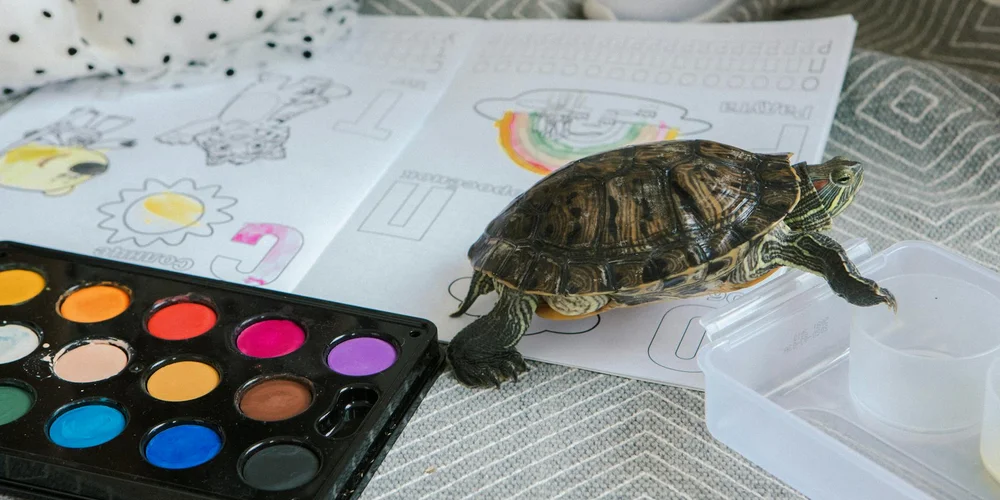
This is perhaps the most common and well-intentioned misconception. We see our pets and project our own need for connection onto them. Turtles do not engage in social connections or seek out affection in the way a dog or cat might. Their primary drivers are safety, food, and suitable environmental conditions.
From my decade with these reptiles, I’ve learned their contentment is measured in basking hours and successful hunts for leafy greens. Forcing a “friend” into their enclosure often creates competition and stress, not camaraderie.
Consider their wild counterparts. Most turtle species are solitary for the majority of their lives, coming together briefly for mating. This solitary nature is hardwired into their behavior. A happy turtle is one with a proper habitat, not one with a cage mate.
If you feel your turtle seems “lonely,” the solution is almost never another turtle. Instead, focus on enriching its environment. Try introducing:
- New textures to explore, like smooth river stones or a piece of cork bark.
- Live, edible plants that encourage natural foraging behaviors.
- A varied diet that stimulates their interest at feeding time.
Providing a complex and engaging habitat is the truest form of care you can offer a solitary creature. It respects their innate instincts and promotes genuine well-being over our human idea of happiness.
Myth 2: Turtles Are Naturally Anti-Social and Solitary
Many assume turtles prefer complete solitude, but that’s not the full picture. In my years caring for Austen, my Russian Tortoise, I’ve noticed he often chooses to bask within sight of Bronte, my Greek Tortoise, showing a quiet companionship that defies the loner label. While some species are more independent, others engage in subtle social behaviors like group basking or gentle nudging. These actions aren’t about deep bonds but can indicate a comfort in proximity.
Wild turtles sometimes share territories or gather in groups for warmth and safety. For instance, in my setup, Bronte’s graceful movements seem to calm Austen, suggesting that cohabitation can reduce stress when done right. Always prioritize animal welfare by monitoring interactions to prevent aggression, as not every turtle enjoys company.
- Observe basking spots: Multiple turtles may share areas without conflict.
- Watch for gentle interactions: Head bobs or slow approaches can signal tolerance.
- Avoid forcing pairs: Some, like Orwell, my Box Turtle, thrive better alone due to their reserved nature.
Myth 3: Turtles Get Lonely or Bored Without Friends
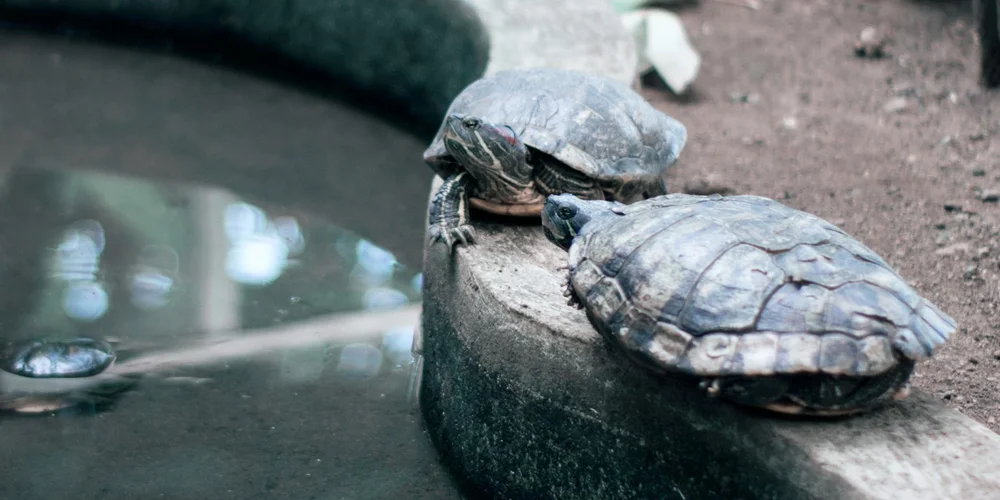
It’s easy to project human emotions onto pets, but turtles don’t experience loneliness like we do. Based on research and my experience, boredom is a real concern, but it stems from a lack of stimulation, not the absence of a turtle friend. Orwell, for example, perks up when I introduce new hiding spots or vary his diet, showing that enrichment trumps social needs. That’s why turtle enrichment matters—there are 15 practical ways to prevent boredom in the tank. Trying a mix of hiding spots, textures, and interactive feeding can keep him mentally and physically engaged.
Focus on creating a dynamic habitat to keep their minds engaged. Simple changes, like rotating decor or adding safe obstacles, can mimic natural exploration and prevent lethargy. This approach respects their instincts and promotes well-being without assuming they crave companionship.
- Rotate toys and objects weekly to spark curiosity.
- Incorporate varied textures: Smooth rocks, rough bark, or soft moss add sensory interest.
- Offer foraging opportunities: Hide food to encourage natural hunting behaviors.
Myth 4: Turtles Can Bond Deeply With Humans
Many people hope their turtle will become a cuddly companion like a dog or cat, but that is not how turtle relationships work. Turtles operate on instinct, not emotional attachment. They recognize you as a source of food and safety, not as a friend they miss when you are gone. Do pet turtles recognize their owners or show affection? It’s a different kind of recognition—turtles can learn routines and respond to familiar people, but their “affection” tends to be practical, not emotional. In my decade with Austen, my Russian Tortoise, I have seen him amble over when I bring his favorite greens, but he shows no signs of seeking out my company for affection.
Their brains are wired for survival, not social bonding. You might notice your turtle becoming less skittish over time, which is a sign of habituation, not love. This calm behavior means they feel secure in their environment, not that they have formed a deep connection with you. Expecting more can lead to disappointment and misunderstandings about their care needs.
Focus on providing a consistent routine and respectful interactions. I talk softly to Bronte, my Greek Tortoise, as I tidy her space, and she often pauses to watch me with her thoughtful gaze. Building trust through gentle, predictable care is the closest you will get to a “bond” with a turtle. It is a quiet, steady relationship based on mutual respect, not heartfelt emotions. You can extend this bond through gentle training sessions—short cues and rewards help your turtle learn and cooperate. Training is another form of communication that deepens trust between you and your pet turtle.
Myth 5: Mixing Turtle Species is Safe and Simple
Combining different turtle species in one enclosure seems like a fun idea, but it is often a recipe for stress and health issues. Each species has unique needs for temperature, humidity, diet, and space. Mismatched habitats can cause competition, aggression, or even the spread of diseases they are not equipped to handle. I keep my turtles-Austen, Bronte, and Orwell-in separate setups because their requirements vary too much to share safely.
Consider these risks when thinking about mixing species:
- Different dietary needs: One might hog food, leading to malnutrition in others.
- Varied temperature and humidity preferences: What suits one could harm another.
- Territorial behaviors: Even gentle species can become aggressive under stress.
From my experience, Orwell, my Box Turtle, prefers more moisture and hiding spots, while Austen thrives in a drier, sunnier area. Forcing them together would ignore their individual comforts and could shorten their lives. Always research each species thoroughly and provide dedicated environments to keep them healthy and content.
Myth 6: All Turtles Thrive Better With Tank Mates
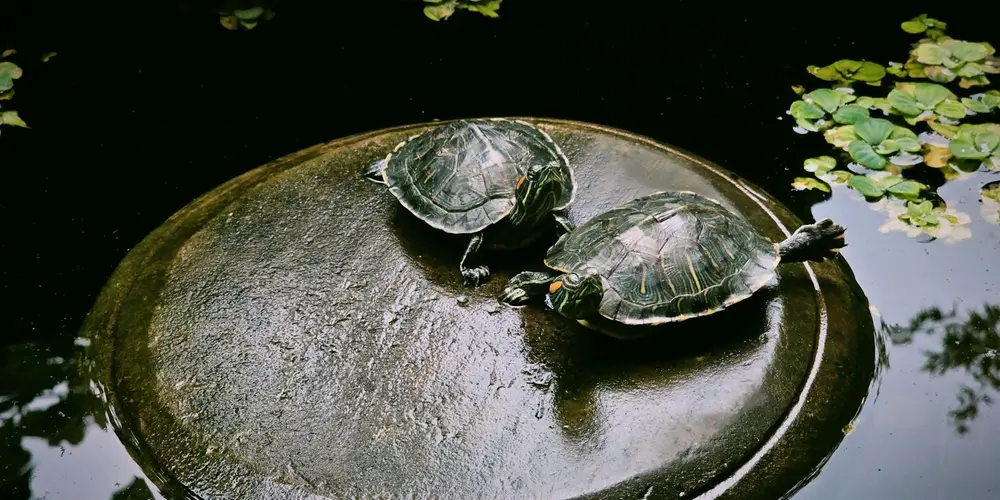
From my years of caring for my Russian tortoise, Austen, I’ve learned that not every turtle wants a roommate. Many species are solitary by nature and see other turtles as intruders, not friends. Forcing cohabitation can lead to constant stress.
You might notice signs like persistent hiding, refusing food, or one turtle always bullying the other. This isn’t playing; it’s a plea for space. Chronic stress weakens their immune system, making them prone to illness. It’s a silent suffering many owners miss. That’s exactly the kind of clue you’d include on a turtle hiding all the time stress and sickness checklist. Regularly using such a checklist helps you spot patterns and decide when to seek help.
Before considering a tank mate, research is non-negotiable. Some species are simply incompatible due to size, diet, or environmental needs. Always prioritize creating a safe, enriching solitary habitat over a stressful shared one. A peaceful, solo turtle is a healthy turtle.
Myth 7: Adding a Buddy Always Benefits Adult Turtles
Introducing a new turtle to an established adult is like moving a stranger into your home. Adult turtles are creatures of habit and deeply territorial. My box turtle, Orwell, made it abundantly clear he prefers his own company after a failed, brief introduction to another.
The risks are real and serious. Aggression can escalate to physical harm, including biting and shell ramming. Injuries from fights can lead to severe shell infections or permanent damage. It’s a welfare issue we must take seriously.
If you are determined to try, the process must be managed with extreme care. A proper introduction requires a lengthy quarantine period for the new turtle to prevent disease spread. You’ll also need a massive, thoughtfully divided enclosure with multiple basking spots and hiding places to reduce competition for resources. Even then, success is never guaranteed.
Making Smart Choices for Turtle Companionship
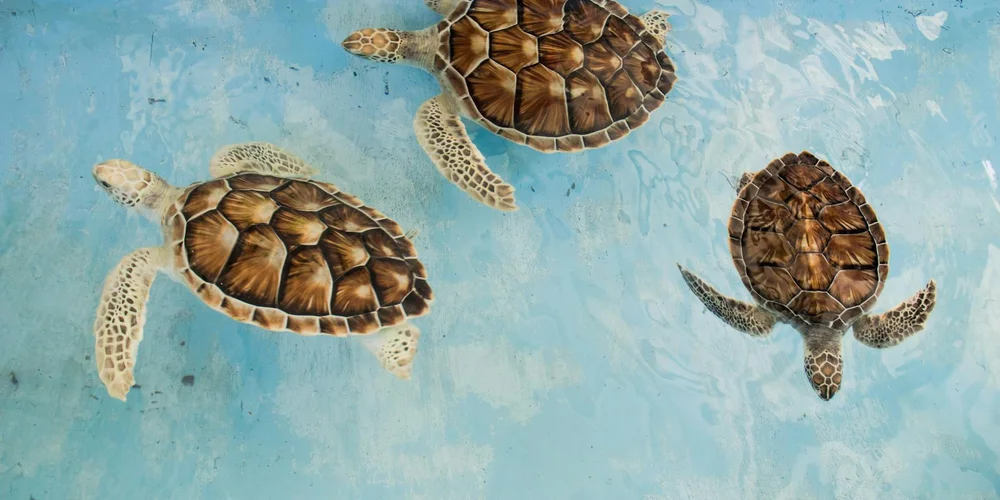
Assessing Your Turtle’s Needs and Personality
Start by observing your turtle’s daily habits, just like I do with my own pets. Austen, my Russian tortoise, often wanders alone for hours, while Bronte, the Greek tortoise, seems to enjoy brief encounters. Each turtle has a unique personality that dictates their social preferences, so watch for signs like basking alone or seeking interaction.
- Note their activity levels: High-energy turtles might tolerate companions better than sedentary ones.
- Check for species-specific traits-some, like box turtles, are naturally more solitary.
- Monitor feeding behavior; aggression over food can signal incompatibility.
From my experience, Orwell, the box turtle, prefers his own space, so I never force him into groups. Respecting their individuality prevents stress and supports their well-being.
Setting Up a Safe Multi-Turtle Habitat
If you decide to house multiple turtles, prioritize space and resources to avoid conflicts. I learned this the hard way when Austen and Bronte needed separate basking spots. A spacious enclosure with multiple hiding areas reduces competition and mimics their natural environment.
- Ensure the habitat is at least twice the size needed for one turtle to allow free movement.
- Provide separate feeding stations to prevent food guarding and fights.
- Include varied temperature zones and UVB lighting so each turtle can regulate their body heat independently.
In my setup, I use rocks and plants to create visual barriers, which helps shy turtles like Orwell feel secure. This thoughtful arrangement promotes harmony and minimizes aggressive encounters.
Recognizing Signs of Stress and Aggression
Watch for subtle cues that indicate discomfort, such as reduced appetite or excessive hiding. With Bronte, I noticed she’d retreat into her shell when overcrowded. Early detection of stress allows you to intervene before minor issues escalate into harmful behavior.
- Look for physical signs: Shell biting, chasing, or persistent hissing are red flags.
- Observe changes in basking or swimming patterns; avoidance can signal fear.
- Note vocalizations or frantic movements, which often mean they feel threatened.
I once had to separate turtles after spotting repeated nudging-it saved them from injury. Acting quickly on these signs protects their health and reinforces a calm, safe habitat.
FAQs
Is it normal for my turtles to fight over basking spots?
Yes, competition for prime basking areas is common and indicates resource guarding. This behavior highlights why ample space and multiple basking sites are crucial in a shared habitat.
Should I get a male or female friend for my turtle?
Introducing a companion of the opposite sex often leads to persistent mating attempts, which can severely stress the female. Housing same-sex turtles together can also result in territorial aggression, making solitary housing the safest option.
Why does my turtle seem to follow the other one around?
This is typically not a social behavior but a sign of competition or dominance. The following turtle is often trying to assert itself or drive the other away from food, basking spots, or territory.
My turtles stack on top of each other, are they cuddling?
No, stacking is usually a competition for the best basking position or a sign of a habitat that is too small. It can prevent the bottom turtle from breathing properly and should be addressed by providing more space. Turtles stacking on top of each other is often a behavioral issue that arises in cramped living conditions.
Do turtles enjoy being handled by their owners?
Turtles do not seek out physical affection, and handling can cause them significant stress. They typically tolerate interaction at best, viewing humans as a source of food rather than companionship. If you’re trying to tell if your turtle is stressed, look for signs of turtle stress such as reduced appetite, hiding, or rapid breathing. If stress is suspected, consult a reptile vet or an experienced keeper for guidance and help.
Your Turtle’s Happiness Starts With You
From watching my own tortoises, Austen and Bronte, I know that turtles flourish in well-designed solitary spaces, not from having tank mates. Focus on creating a habitat that meets their specific needs for space, temperature, and enrichment to keep them content and stress-free.
As a dedicated turtle owner, I encourage you to keep learning about your pet’s behavior and care requirements through reliable sources. Staying curious and proactive in your approach ensures you provide the best life possible for your turtle, honoring their natural instincts and well-being. For practical tips on caring for both land and aquatic turtles, check out our care guide.
Further Reading & Sources
- r/AnimalBehavior on Reddit: Are turtles social animals?
- Are turtles social animals? – The Environmental Literacy Council
- Sea Turtle Social Structure
- You can go your own way: No evidence for social behavior based on kinship or familiarity in captive juvenile box turtles – ScienceDirect
Matthew is a dedicated turtle enthusiast and conservationist with over 15 years of experience in reptile care. Known affectionately as "The Leatherback" among his peers, he combines his passion for turtles with a commitment to educating pet owners on responsible turtle care and environmental stewardship.
Socialization with Other Turtles