
Commercial Diets vs. Homemade Diets: Pros and Cons for Turtle Health
Published on: March 16, 2026 | Last Updated: March 16, 2026
Written By: Matthew The
Are you feeling uncertain about whether to choose commercial or homemade diets for your turtle? Many owners worry about making the wrong choice and impacting their pet’s health, a concern I’ve shared while caring for my own turtles like Austen and Bronte.
This article covers the essential topics: commercial diets benefits, homemade diets drawbacks, nutritional completeness, cost considerations, and safety tips for optimal turtle care.
Understanding Turtle Nutrition Fundamentals
Getting turtle nutrition right starts with knowing the key players in their diet. Calcium and vitamin D3 work together like a team to build strong, resilient shells and bones. Without enough D3, often from UVB light exposure, turtles can’t absorb calcium properly, leading to soft shells or metabolic bone disease. Fiber, found in plant-based foods, keeps their digestive systems running smoothly, preventing issues like constipation.
I’ve seen this firsthand with my own turtles. Austen, my Russian tortoise, has a gentle, steady nature and thrives on high-fiber greens, while Orwell, the box turtle, needs more variety due to his omnivorous habits. Watching them over the years taught me that species-specific needs aren’t just guidelines-they’re essential for their well-being.
Diet Variations by Turtle Type
- Aquatic turtles, like sliders, often require more animal protein from sources like insects or small fish to support their active lifestyles.
- Terrestrial turtles, such as tortoises, do best with herbivorous diets rich in leafy greens and fibrous vegetables to mimic their natural foraging.
- Omnivorous species, including many box turtles, need a balanced mix of proteins and plants to avoid nutritional gaps.
When it comes to protein, variety is key for health. Common protein sources include earthworms, crickets, and cooked lean meats, but always in moderation to prevent obesity. Greens like collard greens and dandelion leaves provide vital vitamins, while fruits such as strawberries or melons can be occasional treats-too much sugar can harm their digestion.
Pros and Cons of Commercial Turtle Diets
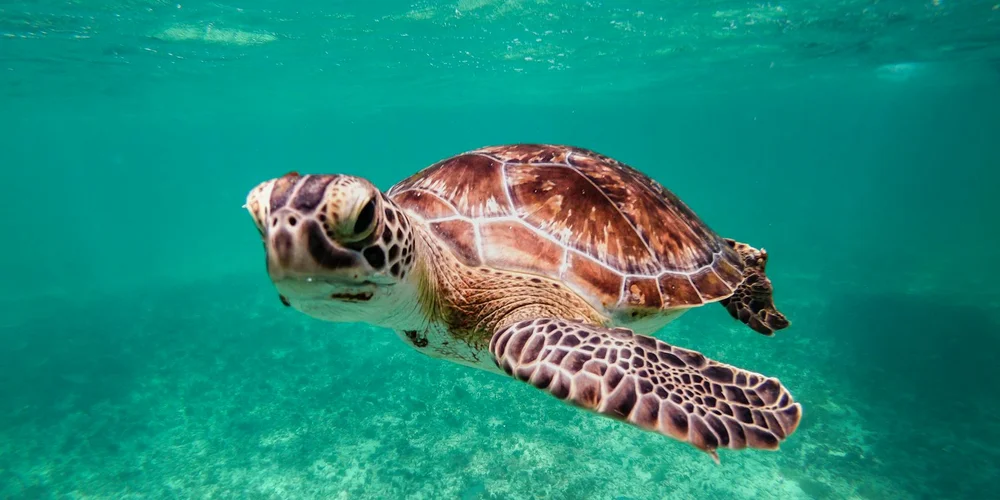
Commercial turtle foods offer a straightforward approach to feeding. Their biggest advantage is convenience, saving you time on meal prep and ensuring consistent nutrition with every serving. I’ve relied on them during busy weeks, and brands like Zoo Med or Fluker’s have kept my turtles, like Bronte, looking vibrant with their balanced formulas. That said, the choice between commercial foods vs live foods isn’t always clear-cut. Some keepers prefer a mixed approach—using commercial staples supplemented with occasional live offerings—for nutrition and enrichment.
Benefits of Commercial Diets
- Long shelf life makes storage easy, reducing food waste and last-minute shopping trips.
- Nutritional consistency means you’re less likely to miss essential vitamins and minerals in your turtle’s diet.
- Portion control is simpler with pre-measured pellets, helping prevent overfeeding and related health issues.
However, commercial options aren’t perfect. One downside is lower freshness compared to homemade meals, which can affect palatability for picky eaters like Orwell. Some brands also lack species-specific formulations, so what works for an aquatic turtle might not suit a terrestrial one, risking nutritional imbalances. To help navigate these trade-offs, many owners consult the best commercial turtle food brands 2024 reviews and comparisons. Such guides can highlight brands with species-specific formulas and fresher ingredients, making it easier to choose a healthier option.
Cost and Practical Considerations
- Commercial diets are often more affordable upfront, but costs add up over time compared to bulk-buying fresh ingredients.
- Ease of use makes them ideal for beginners, though monitoring your turtle’s reaction is crucial-I’ve switched brands when Bronte showed less enthusiasm.
From my experience, observing how turtles interact with food tells you a lot. If a commercial diet causes lethargy or shell issues, it’s a sign to reevaluate and perhaps blend in fresh options for better health. For softshell turtles, a species-specific diet guide can help you tailor meals to their unique needs. This makes selecting appropriate foods easier than following generic recommendations. Always prioritize your pet’s long-term vitality over convenience alone.
Pros and Cons of Homemade Turtle Diets
Preparing meals for my tortoises, Austen and Bronte, feels deeply rewarding. I see exactly what goes into their food bowl. This hands-on control allows for incredible dietary variety that keeps them interested and engaged. You can rotate through different leafy greens, vegetables, and occasional fruits, mimicking the diverse foraging they’d do in the wild.
Freshness is another undeniable win. You serve food at its nutritional peak, free from the preservatives and processing that can degrade some commercial options. I’ve noticed Bronte is particularly vibrant when she gets greens picked just hours before. The ability to customize is powerful, especially for turtles with specific health issues or picky eating habits.
Understanding the Risks
Homemade diets carry significant responsibility. The biggest danger is nutritional imbalance. It’s surprisingly easy to create a diet that looks healthy but is dangerously deficient in a key vitamin or mineral. I learned this early on; without proper research, I nearly fed Orwell a diet too high in phosphorus, which can block calcium absorption.
Contamination is a constant vigilance. You must wash all produce thoroughly to remove pesticide residues that could harm your turtle’s sensitive system. Sourcing becomes a critical part of the routine. I stick to organic greens for my trio whenever possible to minimize this risk.
Weighing Cost and Time
- Cost: Initially, buying a variety of fresh ingredients seems more expensive than a bag of pellets. Over time, I’ve found it balances out, especially if you buy greens you also eat. It can even be cheaper.
- Time Investment: This is the real trade-off. Washing, chopping, and supplementing takes me about 20 minutes every other day. It’s a commitment that requires a consistent schedule.
My Tips for Safe Sourcing
- Build a relationship with a local grocer or farmer’s market for the freshest produce.
- Grow your own pesticide-free dandelion greens and hibiscus flowers; they are turtle favorites.
- Always research a new food item thoroughly before offering it. When in doubt, leave it out.
Key Nutritional Elements for Optimal Health
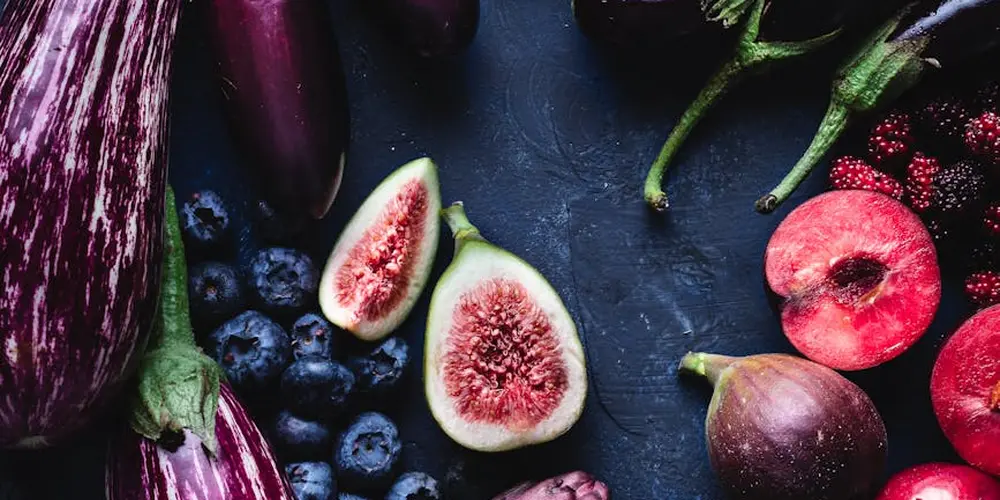
A turtle’s health is built from the inside out, starting with their shell and bones. Getting the nutrition right is the most loving thing you can do for them. Source fresh foods for your turtle and prepare them safely. Offer a varied mix of greens, vegetables, and protein in appropriately sized portions.
Calcium: The Foundation of a Strong Shell
Calcium is non-negotiable. A calcium deficiency leads to metabolic bone disease, resulting in a soft, deformed shell and brittle bones. I provide a constant source of cuttlebone for Austen and Bronte to gnaw on as they please. I also lightly dust their leafy greens with a pure calcium powder without vitamin D3 several times a week.
Vitamin D3: The Key to Unlocking Calcium
Calcium is useless without Vitamin D3 to help the body absorb it. In the wild, turtles synthesize D3 from direct, unfiltered sunlight. For indoor pets, a high-quality UVB lamp is essential. I also use a calcium supplement with D3 once a week to ensure they’re getting enough, especially during darker winter months.
Fiber: The Unsung Hero of Digestion
Many commercial diets are too low in fiber. A high-fiber diet of dark, leafy greens prevents obesity and keeps their digestive system moving smoothly. Orwell, my box turtle, especially thrives on a fiber-rich diet with plenty of shredded zucchini and endive. It helps him feel full and supports a healthy gut.
Steps to Balance the Complete Diet
- Base the Diet (50-60%): Start with a foundation of high-fiber, low-phosphorus greens like collard, dandelion, and turnip greens.
- Add Vegetables (30-40%): Incorporate vegetables for vitamins. I use shredded squash, bell peppers, and carrots.
- Include Protein (10-20%): Offer appropriate protein based on species and age. For my tortoises, this is a small amount of soaked, pellets or the occasional worm.
- Supplement Strategically: Finally, add the necessary calcium and vitamin supplements as outlined above, rotating them to prevent over-supplementation.
Feeding Practices and Schedule Considerations
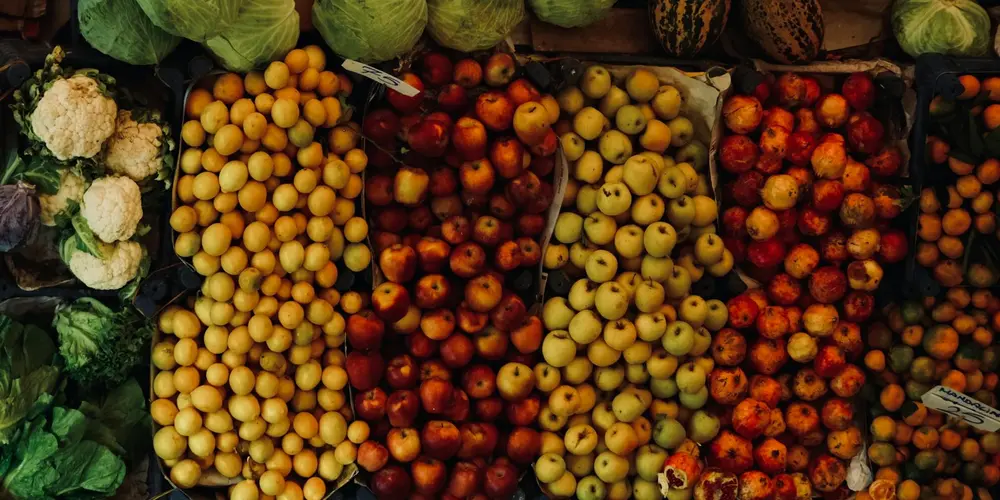
Getting the feeding schedule right feels like learning a secret language your turtle speaks with its appetite. Their needs shift dramatically with species, age, and even the temperature outside. A one-size-fits-all approach simply doesn’t work in the slow-paced world of turtles. Feeding often means adjusting portions and timing based on how much your turtle actually munches each day. In practice, turtles often thrive on regular, smaller meals rather than a single, large feeding.
Tailored Feeding Schedules
Think of seasons as your feeding calendar. My Russian tortoise, Austen, slows down when the days get shorter. His summer routine looks nothing like his winter one.
- Active Seasons (Spring/Summer): Most turtles eat daily or every other day. Offer food in the morning so they can bask and digest properly.
- Cooler Months (Fall/Winter): Appetites naturally decrease. You might feed every 2-3 days. Some species even brumate, a form of hibernation where they stop eating entirely.
- Aquatic vs. Land: Aquatic turtles often need daily feeding, while many tortoises thrive on an every-other-day schedule.
Mastering Portion Control
Overfeeding is the silent enemy of turtle health. I learned this the hard way with my box turtle, Orwell, who started looking a bit too round.
- A good rule is to offer an amount of food roughly the size of your turtle’s head and neck combined.
- For leafy greens, a loose, packed cup is often sufficient for a medium-sized tortoise.
- Observe your turtle. If it consistently leaves food, you’re offering too much. If it scavenges frantically, you might be offering too little.
Juvenile vs. Adult Dietary Needs
Baby turtles are growing machines, while adults are maintenance experts. Their diets reflect this fundamental difference.
- Juveniles: Require more protein for shell and bone development. Their commercial or homemade diets should include higher protein sources like worms or specially formulated pellets.
- Adults: Shift towards a herbivorous lifestyle. Their diet should be primarily leafy greens, grasses, and vegetables, with protein offered only sparingly-perhaps once a week.
My Personal Turtle Routines
My two tortoises, Austen and Bronte, have taught me the beauty of individual routines.
- Austen (Russian Tortoise): He gets a hearty salad of dandelion greens, endive, and a sprinkle of chopped cactus pad every other day. In winter, this stretches to every three days.
- Bronte (Greek Tortoise): She’s more of a grazer. I leave a small pile of mixed weeds and clover in her enclosure daily, which she nibbles on throughout the day, mimicking her natural behavior.
Health Risks and How to Avoid Them
Watching for health issues is a quiet, vigilant part of turtle guardianship. Many common problems are directly linked to what’s in the food bowl. Catching them early makes all the difference.
Signs of Dietary Trouble
Your turtle’s body tells a clear story about its nutrition. Look for these warning signs during handling and soak times. Specifically, you can learn to tell if your turtle is overweight or underweight. We’ll cover the signs to watch for and how to adjust its care.
- Obesity: Inability to retract fully into the shell, thick folds of skin on the legs and neck, lethargy.
- Soft Shell (Metabolic Bone Disease): A pliable, rubbery shell, often accompanied by pyramiding-raised, pyramid-like scutes.
- Nutrient Deficiencies: Swollen eyes (Vitamin A deficiency), lack of energy, poor growth in juveniles.
The Hydration and Contamination Balance
Water is a nutrient, and cleanliness is non-negotiable.
- Hydration: Soak your turtle in shallow, lukewarm water 2-3 times a week. They absorb water through their skin and cloaca. Always provide a clean water dish for drinking.
- Contamination Risks: Homemade diets carry the risk of pesticides on produce or improper calcium-to-phosphorus ratios. I always wash and, when possible, buy organic for my shelled friends. Thoroughly research any new food item before offering it.
Monitoring Health and Adjusting Diets
Staying proactive keeps small issues from becoming big ones. I do a quick health check every time I handle my turtles.
- Weigh them monthly using a kitchen scale. Sudden weight loss or gain is a major red flag.
- Observe their activity levels. A sudden lack of interest in food or basking warrants attention.
- Look at their eyes and nose. They should be clear and free of discharge.
- Adjust their diet based on your observations. Less protein if they’re gaining weight, more variety if they seem lethargic.
Advocating for Regular Vet Checks
From my experience, a good reptile vet is your greatest ally. My gentle Orwell once developed a minor shell rot that I almost missed.
A yearly wellness exam can catch hidden issues like parasites or early metabolic bone disease. They can also perform blood work to check organ function. This preventative care is a cornerstone of true animal welfare, giving our long-lived companions the best chance at a full, healthy life.
Making an Informed Diet Choice for Your Turtle

Choosing the right food feels like a big responsibility, and it is. I’ve found that the best approach often lies in balancing the convenience of commercial diets with the fresh vitality of homemade meals. My Russian tortoise, Austen, thrives on this mixed approach, and it gives me peace of mind.
Long-Term Costs, Shelf Life, and Freshness
Let’s talk about the practical side of feeding your shelled friend.
- Commercial Diets: The upfront cost is predictable. A bag of pellets lasts for months in a cool, dry place. The downside? Nutrients can degrade over time, and you miss out on the enzymatic benefits of fresh food.
- Homemade Diets: The cost is variable, often cheaper if you grow your own greens. The shelf life, however, is measured in days. Freshness is the undeniable superpower here, offering live enzymes and higher moisture content that commercial food can’t match.
Mixing Commercial and Homemade for Variety
You don’t have to pick one team. A blended diet gives your turtle the best of both worlds.
I use a simple 50/50 rule for my tortoises. Half of their plate is a high-quality commercial pellet for a solid nutritional baseline. The other half is a rotating mix of fresh dandelion greens, hibiscus flowers, and grated squash. This method ensures they get complete nutrition while enjoying the sensory excitement of different textures and tastes.
- Start with a base of commercial pellets, moistened with water.
- Top it generously with 2-3 different chopped, fresh foods.
- Rotate the fresh ingredients weekly to prevent picky eating and cover a broader vitamin spectrum.
Tailoring to Species and Longevity Goals
A one-size-fits-all diet is a recipe for health issues. What your turtle needs is deeply personal.
- For Herbivores like Russian and Greek Tortoises: Their diet should be primarily leafy greens and flowers. I focus on high-fiber, low-protein foods for Austen and Bronte to support their slow metabolism and prevent shell pyramiding.
- For Omnivores like Box Turtles: My box turtle, Orwell, needs animal protein. His diet includes soaked commercial kibble mixed with earthworms, berries, and mushrooms. Getting this protein balance right is critical for their organ health and energy levels.
Observing Behavior for Personalized Adjustments
Your turtle will tell you what it needs, if you learn to listen.
Watch how they eat. Do they go for the pellets first and leave the greens? Or do they push the commercial food aside to get to the fresh stuff? Bronte, for instance, will meticulously eat all her flowers before touching anything else. This isn’t just a quirk; it’s valuable feedback on her preferences and nutritional cravings. A sudden lack of interest in food, changes in activity, or soft stools are all signs that the diet may need a tweak. Trust your observations as much as any package label.
FAQs
What are the main foods found in the diets of land turtles and aquatic turtles?
Land turtles typically eat fibrous greens, vegetables, and occasional fruits to support their herbivorous lifestyle. Aquatic turtles consume more animal-based foods like insects, small fish, and aquatic plants for protein and energy. These differences highlight the key contrasts between aquatic and land turtle diets. We’ll break down the main differences in what they eat and why, explained below.
How does a herbivorous diet differ from omnivorous and carnivorous diets in turtles?
Herbivorous diets consist mainly of plant materials like leaves and grasses, providing high fiber and low protein. Omnivorous diets balance plants with animal proteins, while carnivorous diets focus heavily on meat sources such as fish or insects.
How does habitat affect the typical foods turtles eat?
Habitat influences diet by determining available food sources, with aquatic turtles eating water-based plants and prey. Land turtles forage for terrestrial vegetation, adapting their intake to what grows naturally in their environment. Live plants in turtle habitats can provide shelter and help stabilize the environment, boosting overall welfare. This connects to the broader question of whether live plants benefit turtle habitats.
What are common protein sources for carnivorous turtles?
Common protein sources include insects like crickets, worms, and small fish such as minnows. These provide essential nutrients for muscle development and overall health in carnivorous species.
How do wild diets compare to commercially prepared turtle foods?
Wild diets offer diverse, seasonal foods that can vary in nutrient levels based on natural availability. Commercial diets provide standardized nutrition but may not replicate the full range of vitamins and enzymes found in wild foods.
Finding the Right Path for Your Shelled Friend
Ultimately, the best diet for your turtle is one that prioritizes nutritional completeness and is tailored to their specific life stage and species. Whether you choose a reputable commercial pellet or a carefully researched homemade meal, the key is variety, balance, and professional guidance from a reptile-savvy vet. For an omnivorous turtle, a balanced diet combines plant matter with animal protein and varies with life stage. This is how you create a balanced diet for your omnivorous turtle.
Your commitment to learning and adapting is the most powerful tool in your pet care toolkit. By staying curious and observant, you become the best advocate for your turtle’s long, healthy, and fulfilling life. Knowing the signs that your turtle may need veterinary care is part of that advocacy. If you notice persistent changes in appetite, breathing, shell condition, or activity, consult a veterinarian promptly.
Further Reading & Sources
- Complete Guide to Turtle Food: What to Feed and Why It Matters | AquAnswers
- What Do Turtles Eat? | PetMD
- 4 Pros and 4 Cons of Having a Pet Turtle | PetMojo
- What do turtles eat? Whether in the wild or your home, here’s the reptile’s diet
Matthew is a dedicated turtle enthusiast and conservationist with over 15 years of experience in reptile care. Known affectionately as "The Leatherback" among his peers, he combines his passion for turtles with a commitment to educating pet owners on responsible turtle care and environmental stewardship.
Common Turtle Foods