
How Many Eggs Do Turtles Lay?
Published on: April 23, 2026 | Last Updated: April 23, 2026
Written By: Matthew The
If you’re wondering how many eggs turtles lay, you might be worried about whether your pet is healthy or if wild populations are thriving.
From my time with turtles like Austen, Bronte, and Orwell, I’ve seen how egg counts vary and why it matters for their well-being.
This guide explores average clutch sizes, species differences, environmental influences, and safe handling tips.
Understanding Turtle Egg Counts: Species Variation
Just like people, every turtle species has its own unique family planning strategy. My Russian Tortoise, Austen, typically lays a modest 2 to 4 eggs per clutch, which reflects her smaller, terrestrial nature. This is a far cry from the numbers you might hear about in nature documentaries.
The number of eggs a turtle lays is deeply tied to its biology and lifestyle. Egg production and hatchling gender are influenced by species-specific biology and environmental factors. In many turtles, the sex of hatchlings is determined by incubation temperature, a key aspect of turtle reproduction. Here’s a quick look at how some common pet species compare:
- Red-Eared Sliders: These popular aquatic turtles are prolific layers, often producing clutches of 10 to 30 eggs.
- Box Turtles: My Box Turtle, Orwell, is on the lower end of the spectrum. His species typically lays small clutches of just 3 to 8 eggs.
- Painted Turtles: A common sight in ponds, they usually lay between 4 and 15 eggs at a time.
- Greek Tortoises: Similar to my Bronte, these land-dwellers tend to lay clutches of 3 to 7 eggs.
I’ve learned that a female’s size, age, and overall health are huge factors. A well-nourished, mature turtle in her prime will almost always produce a larger, healthier clutch than a younger or underweight one. It’s a clear sign that your care is directly supporting her natural reproductive health.
Sea Turtles vs. Pet Turtles: A World of Difference
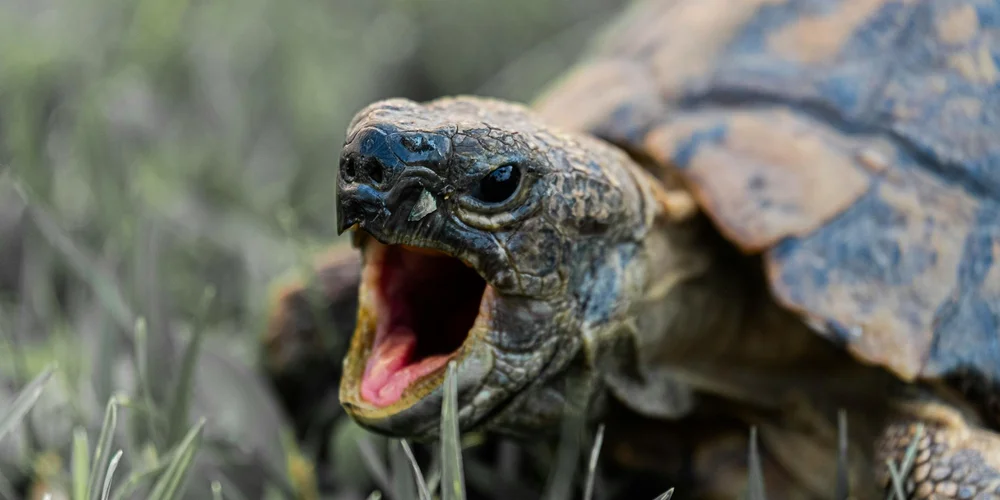
The egg-laying habits of sea turtles are on an entirely different scale, driven by a harsh reality of survival. While my tortoises carefully bury a few precious eggs in a prepared nest, a female Leatherback sea turtle might deposit over 100 eggs in a single pit on a sandy beach. The contrast is staggering and speaks to their vastly different life histories. If you’re curious about why turtles lay their eggs, this essential guide explains nesting sites, timing, and the evolutionary purposes behind nest placement. It also touches on how people can help protect these nesting beaches.
This difference boils down to one key concept: predation. In the open ocean, the chance of a hatchling surviving to adulthood is incredibly slim.
- Sea Turtle Strategy: They employ a “quantity over quality” approach. Laying hundreds of eggs increases the statistical probability that a handful will beat the odds and make it to the ocean, and eventually, adulthood.
- Pet Turtle Strategy: Our captive turtles live in a much safer environment. They can afford to invest more energy into fewer eggs, as the threat from predators is minimal or nonexistent. Their strategy is about careful investment, not overwhelming numbers.
Watching my turtles lay their eggs is a quiet, deliberate process. It feels like a sacred act of creation, a slow and careful burial of potential life. It’s a gentle reminder that in our homes, we are stewards of a much more intimate and protected reproductive journey.
How Often Do Pet Turtles Lay Eggs?
Pet turtles lay eggs at different rates depending on their species, age, and environment. In my experience with Austen, my Russian Tortoise, she typically lays one clutch per year during the warmer months, while Bronte, the Greek Tortoise, might lay two smaller clutches annually. Younger or stressed turtles may skip seasons, so monitoring their health is key. Many turtles lay eggs once a year in the warm season. Some species may lay a second, smaller clutch.
Several factors influence how often your turtle will lay eggs. A balanced diet rich in calcium and proper UVB lighting can encourage regular laying cycles, as I’ve seen with Orwell, my Box Turtle. For box turtles, egg-laying timing is tied to warmer days and longer daylight, with most eggs laid in late spring to early summer. Here are common influences:
- Species type: Russian tortoises often lay once yearly, whereas some aquatic turtles lay multiple times.
- Age and maturity: Most turtles start laying at 5-10 years old, but this varies.
- Habitat conditions: Adequate space and a nesting area mimic natural triggers.
- Health and nutrition: Poor diet can reduce frequency or cause egg-binding issues.
Watch for signs like increased digging or restlessness. Providing a consistent routine helps them feel secure, much like how Bronte’s graceful nature shines when her environment is stable.
The Nesting Process: From Digging to Laying
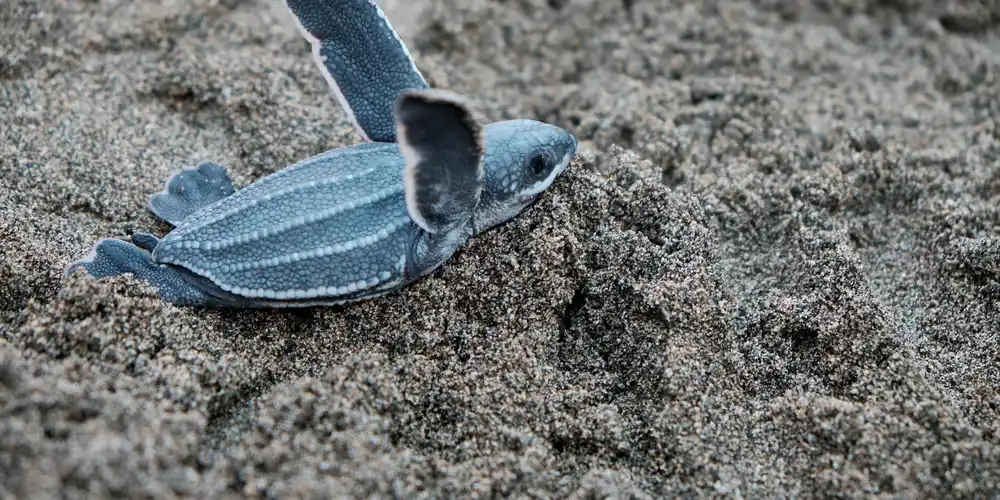
The nesting process begins with your turtle searching for the perfect spot. I’ve observed Austen spend hours testing soil with her gentle, steady movements before she starts digging in earnest. This phase is crucial for their comfort and egg safety. Choosing the right substrate matters, as it supports natural digging and nesting behaviors. A well-drained sand-and-soil mix gives her better traction and comfort during excavation.
Next, they dig a nest hole using their hind legs. Orwell, with his reserved intelligence, often chooses hidden corners and digs methodically to create a secure chamber. The steps generally follow this pattern:
- Site selection: Turtles pace and probe areas for soft, moist soil.
- Digging: They use their claws to scoop out a hole, often deeper than you’d expect.
- Egg laying: Eggs are deposited carefully, usually one at a time, in a quiet rhythm.
- Covering up: The nest is filled back in to protect eggs from predators and elements.
After laying, turtles may seem tired but relieved. Ensuring they have a stress-free recovery space supports their well-being, something I prioritize with all my turtles. Offer fresh water and a calm area to rest, as this process drains their energy. If you’re unsure whether your turtle is stressed, watch for signs like head-tucking or a reduced appetite. If you notice them, seek help from a vet or experienced keeper.
When Egg Laying Goes Wrong: Egg Binding Concerns
Sometimes, a turtle’s body struggles to pass the eggs it has formed. This dangerous condition is called egg binding, or dystocia, and it requires immediate veterinary attention. I learned this the hard way with my Greek tortoise, Bronte, who became lethargic and stopped eating.
Several factors can lead to a turtle becoming egg-bound. Recognizing them can help you prevent a crisis.
- An improper nesting area that is too hard, too small, or lacks the right substrate.
- Poor overall health or nutritional deficiencies, especially a lack of calcium.
- Physical issues like deformed eggs or an injury to the pelvic canal.
- Extreme stress from a noisy or frequently disturbed environment.
Your turtle can’t tell you it’s in trouble, so you must watch for the subtle signs.
- Lethargy and a complete loss of appetite for more than a day or two.
- Straining or pushing for extended periods with no results.
- Swollen eyelids, which is a common sign of distress in reptiles.
- Noticeable weakness in the rear legs or an inability to support its own weight.
If you suspect your turtle is egg-bound, the most critical step is to contact an exotic animal veterinarian immediately. Time is of the essence. While you wait for your appointment, provide a shallow warm water soak to help with hydration and muscle relaxation, and ensure its habitat is quiet and warm. Also, watch for other signs that your turtle needs to see a veterinarian, such as loss of appetite, lethargy, swelling, or trouble moving. If you notice any of these, contact a reptile veterinarian promptly.
Incubating Turtle Eggs: From Clutch to Hatchlings
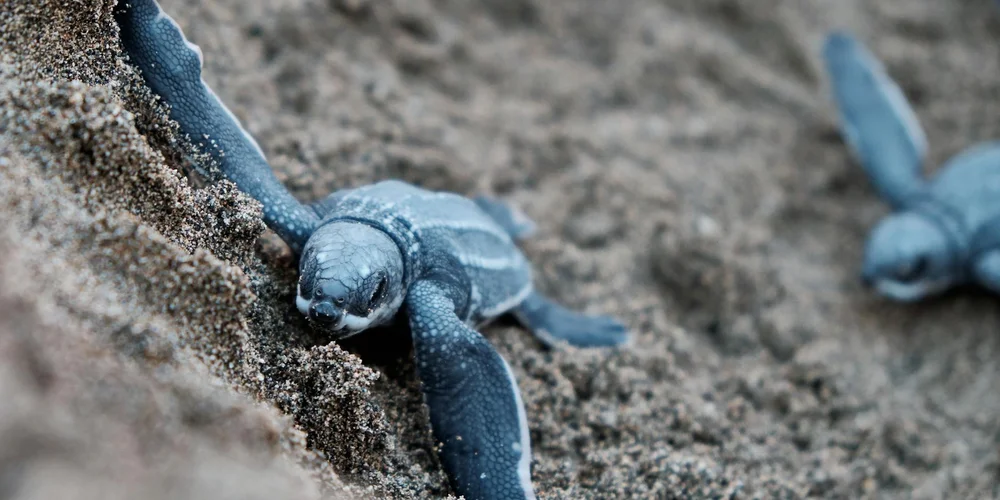
If you are fortunate enough to have a clutch of fertile eggs, the real journey begins. Successfully incubating turtle eggs is a delicate balance of temperature, humidity, and patience. I still remember the awe of seeing my first Russian tortoise eggs, a process that requires a gentle and steady hand. Nesting behaviors—how tortoises select a site (how tortoises select a site), dig a nest, and lay their eggs—are a fascinating counterpart to incubation. Observing these choices can reveal why microclimate and terrain matter for hatchlings.
Handling the eggs correctly from the start is vital for their survival.
- Wait until the female has completely finished laying and has buried the clutch.
- Gently unearth the eggs using a soft artist’s brush or your fingers.
- You must not rotate or turn the eggs. Mark the top with a soft pencil as soon as you find them.
- Place them in your incubation medium in the exact same orientation you found them.
Creating the right environment is your next task. You don’t need fancy equipment, but you do need consistency.
- Use a sealed container with small air holes and a moist incubation medium like vermiculite or perlite.
- Maintain a stable temperature. For many common species, this is between 80-86°F (27-30°C).
- Keep the humidity high, usually around 80%, to prevent the eggs from drying out and collapsing.
- Check the medium weekly for moisture, but resist the urge to constantly handle the eggs.
The incubation period is a test of patience, varying greatly by species.
- Most common pet species hatch in 60 to 90 days.
- Temperature can influence both the hatch time and the sex of the hatchlings in many turtle species.
- You will know hatching is near when the eggs begin to “sweat” or you see a hatchling’s egg tooth pierce the shell.
When a hatchling emerges, leave it in the incubator until the yolk sac is fully absorbed. Do not assist a hatching turtle unless it has been stuck for over 24 hours, and even then, proceed with extreme caution. Their first few days are fragile, so provide a simple, safe enclosure with shallow water and appropriate food. For detailed information, refer to The Complete Guide to Hatchling Turtle Care: From Incubator to Tank.
Caring for Turtle Hatchlings: The First Critical Weeks
When Orwell, my Box Turtle, hatched years ago, I quickly realized how fragile those first days are. Hatchlings need a stable, warm environment to kickstart their metabolism and immune systems. I kept his enclosure at a steady 80-85°F with a basking spot reaching 90°F, mimicking the gentle sun he’d seek in the wild.
Creating a Safe Hatchling Habitat
Start with a simple setup to reduce stress. A shallow water dish and hiding spots make hatchlings feel secure as they adjust. I used smooth rocks and fake plants for Austen, my Russian Tortoise, to prevent injuries while exploring.
- Use a small tank or tub to prevent escapes and ease monitoring.
- Maintain humidity around 70-80% for species like Russian or Greek tortoises to support shell health.
- Provide UVB lighting for 10-12 hours daily to aid calcium absorption and prevent metabolic bone disease.
Feeding and Hydration Basics
Hatchlings have tiny appetites but big nutritional needs. Offer finely chopped leafy greens and high-calcium supplements like crushed cuttlebone daily. For Bronte, my Greek Tortoise, I mixed in soaked tortoise pellets to ensure she got enough protein early on.
- Serve small meals twice a day to avoid overfeeding and waste.
- Always provide fresh, shallow water for drinking and soaking to prevent dehydration.
- Avoid iceberg lettuce and high-oxalate foods that can hinder growth.
Health Monitoring and Handling
Check hatchlings daily for signs of illness, like lethargy or soft shells. Gentle handling once or twice a week helps them acclimate without causing stress. I learned to support their entire body when holding Orwell to make him feel safe and steady.
- Watch for clear eyes and active movement as indicators of good health.
- Keep records of weight and growth to catch issues early.
- Consult a reptile vet if you notice any abnormalities in behavior or appearance.
Ethical Considerations for Pet Turtle Reproduction
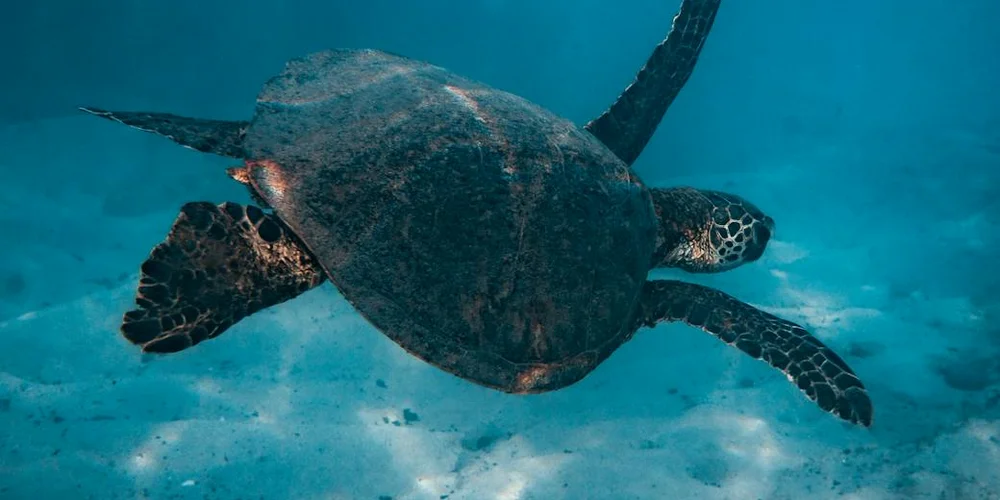
Breeding turtles isn’t a decision to take lightly, as I’ve seen with my own pets. Overpopulation in shelters means many turtles end up without proper homes, so responsible ownership starts with thoughtful planning. I always advocate for adopting over buying to give existing animals a chance.
Weighing the Responsibility of Breeding
Before breeding, consider if you can care for dozens of hatchlings. Each egg represents a life that deserves a committed, lifelong home. With Austen and Bronte, I focused on providing excellent care rather than expanding their family, to avoid contributing to abandonment issues.
- Research your turtle species’ clutch sizes-some lay over 20 eggs, overwhelming unprepared owners.
- Ensure you have space, time, and resources for potential health complications in hatchlings.
- Support conservation efforts by not breeding wild-caught or endangered species.
Promoting Animal Welfare in Reproduction
Ethical practices protect turtles from neglect and exploitation. Spaying or neutering pets can prevent unintended litters and improve their quality of life. When deciding to keep a turtle, ethical considerations for keeping turtles include ensuring proper housing, diet, and long-term veterinary care. These considerations help prevent neglect and promote lifelong welfare. I’ve worked with rescues to rehome turtles, and it’s heartening to see how proper education reduces overbreeding.
- Educate others on the long-term commitment turtles require, often spanning decades.
- Volunteer with or donate to reptile rescues to help address overpopulation humanely.
- Choose reputable breeders who prioritize health and ethical standards over profit.
FAQs
How does captivity influence turtle egg counts?
Captive turtles often have more consistent egg counts due to controlled diets and reduced predators. However, stress from improper habitat setup can lower clutch sizes compared to wild populations.
What role does nutrition play in determining clutch size?
Adequate calcium and vitamins are essential for forming strong eggs and supporting larger clutches. Poor nutrition can lead to fewer eggs or increase the risk of health issues like egg binding.
What are the key differences between normal egg laying and egg binding?
Normal egg laying ends with eggs safely buried after brief straining, while egg binding involves prolonged, unsuccessful pushing. Egg-bound turtles often show severe lethargy and appetite loss not seen in healthy laying.
How can owners prevent egg binding in pet turtles?
Ensure a proper nesting area with soft substrate and maintain a balanced diet rich in calcium. Reducing environmental stressors and providing regular vet check-ups can also minimize risks.
What is the typical outcome for turtles diagnosed with egg binding?
With immediate veterinary intervention, many turtles recover fully and resume normal activities. Delayed treatment, however, can result in fatal complications like infection or organ damage.
Caring for Your Egg-Laying Turtle
To best support your turtle, provide a proper nesting area and understand that clutch sizes vary dramatically by species and individual health. Monitoring your turtle’s behavior and physical condition is your most reliable guide for anticipating egg-laying events.
Responsible turtle ownership means committing to lifelong learning about their specific needs, from habitat setup to reproductive health. Your dedication to understanding their unique biology is the greatest gift you can give your shelled companion.
Further Reading & Sources
- Turtle Egg – Minecraft Wiki
- How many eggs does a sea turtle lay? | Olive Ridley Project
- Turtle – Egg-laying, Lifespan, Adaptations | Britannica
- Sea Turtles – Sea Turtle Conservancy
Matthew is a dedicated turtle enthusiast and conservationist with over 15 years of experience in reptile care. Known affectionately as "The Leatherback" among his peers, he combines his passion for turtles with a commitment to educating pet owners on responsible turtle care and environmental stewardship.
Nesting Requirements