
Where and Why Do Turtles Lay Their Eggs? (Essential Guide)
Published on: December 21, 2025 | Last Updated: December 21, 2025
Written By: Matthew The
You might be wondering why turtles travel such great distances, often returning to the very same beach, just to lay their eggs. This ancient ritual is far more complex and fascinating than it first appears.
In this guide, we will cover the nesting process, ideal nesting sites, timing and seasons, environmental influences, and the threats turtle eggs face.
The Biology of Turtle Egg Laying
Watching a turtle prepare to lay her eggs is a slow, deliberate dance of nature. This process, called oviposition, is the final step in a reproductive cycle that begins with internal fertilization. Male turtles fertilize the females internally, sometimes months before she ever digs a nest. She then carries those developing eggs inside her until the conditions feel just right.
I remember the first time my Russian tortoise, Austen, started pacing her enclosure with a restless energy. Her behavior was a clear signal that her body was telling her it was time, regardless of the fact she hadn’t been near a male in years. This is common; female turtles can produce infertile eggs much like chickens. She eventually laid a small clutch of five round, leathery eggs in a corner she’d deemed suitable. That moment also points to what comes next for many hobbyists—the care of hatchlings. The complete guide hatchling turtle care walks you through incubating the eggs and raising healthy hatchlings in a controlled setup.
Clutch size varies dramatically by species. A large sea turtle might lay over 100 eggs at a time, while my smaller tortoises typically produce between 3 and 7. The entire endeavor is driven by powerful biological triggers that are hardwired into their instincts.
- Temperature: Warmer ambient temperatures often stimulate egg development and the urge to nest.
- Humidity: Adequate moisture in the air and soil is critical for preventing the eggs from desiccating.
- Seasonal Light Cycles: Longer daylight hours in spring and summer frequently trigger reproductive behavior.
- Internal Readiness: Once the eggs are fully shelled inside her, the female must find a place to lay them.
Common Nesting Sites for Turtles in the Wild and Captivity

In the wild, a turtle’s choice of nesting site is a matter of life and death for her offspring. Sea turtles famously return to the very beaches where they were born, digging pits in the sand above the high-tide line. Freshwater turtles and tortoises seek out sunny, well-drained areas with loose soil or sand, often far from water to avoid flooding. This nesting behavior is a central focus of sea turtle biology conservation. Efforts include monitoring nests, reducing light pollution, and protecting nesting beaches.
For our captive friends, we must become architects of their instinctual needs. I learned this the hard way when my Greek tortoise, Bronte, started trying to dig in the hard, compacted clay of her outdoor pen. I quickly provided a deep box of soft topsoil and sand, which she accepted with grateful determination.
The factors influencing their choice are remarkably sophisticated. They assess soil type for easy digging, humidity for egg viability, and location for predator avoidance and temperature regulation. A good nest site is a carefully selected incubator.
Here are ideal nesting conditions tailored to different types of turtles:
- Mediterranean Tortoises (Greek, Russian): A deep, sunny spot with a mix of topsoil and sand for excellent drainage.
- Box Turtles: Moist (but not wet) soil rich in organic matter, often near the cover of shrubs or leaves.
- Aquatic Turtles (in outdoor ponds): A sandy, gently sloped bank that receives full sun for most of the day.
- For All Captive Turtles: A private, quiet, and secure area where they will not feel disturbed while performing this vulnerable act.
Recognizing Signs Your Pet Turtle is Ready to Lay Eggs
Your turtle’s body gives clear clues when she’s preparing to lay eggs. You might notice her abdomen looking fuller and more rounded, a change I’ve seen with my Russian Tortoise, Austen, during her gravid periods. This swelling happens as eggs develop inside her, making her shell feel tighter to the touch, which is quite common in turtle anatomy.
Behavior shifts are just as telling. Restlessness is common, with turtles pacing or digging persistently in their enclosure. My Greek Tortoise, Bronte, would often scratch at substrate for hours, her graceful movements turning urgent when she needed a nest.
Keep a close eye on her health with these simple steps:
- Gently feel her abdomen weekly for any unusual firmness or enlargement.
- Watch for digging behaviors, especially in corners or under hides.
- Note changes in appetite or activity levels that signal nesting time.
- Schedule a vet check if you spot redness, lethargy, or other concerns.
Compare symptoms across species to tailor your care:
| Species | Physical Signs | Behavioral Signs |
|---|---|---|
| Russian Tortoise | Pronounced abdominal swelling, shell appears strained | Steady pacing, focused digging in open areas |
| Greek Tortoise | Subtle weight gain, golden shell darkens slightly | Thoughtful exploration, repeated nest site inspections |
| Box Turtle | Lower shell bulges, plastron may darken | Reserved nighttime digging, prefers hidden spots |
Creating a Safe Nesting Box for Your Turtle
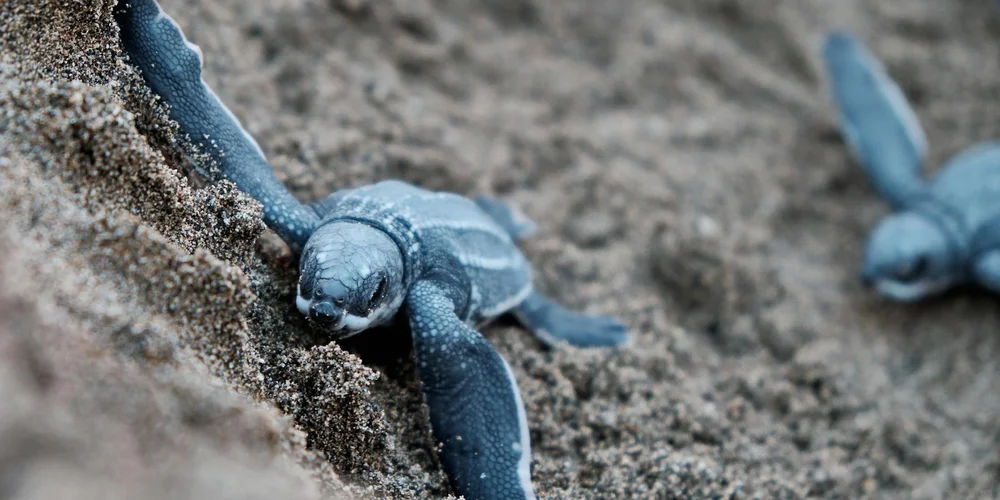
A proper nesting box makes egg-laying stress-free and secure. Choose a container that feels spacious and inviting, like a plastic tub or reptile-specific box. I’ve found that even a simple setup can work wonders for encouraging natural behaviors.
Follow these steps to build a cozy nest area:
- Pick a container about twice your turtle’s length and 8-10 inches deep for easy digging.
- Fill it with moist substrate like coconut coir or sphagnum peat moss to a depth of 6-8 inches.
- Test moisture by squeezing a handful-it should hold shape without dripping water.
- Position the box in a warm, quiet corner away from feeding or busy zones.
Material choices impact comfort and success. Coconut coir retains moisture beautifully and feels soft underfoot, which my Box Turtle, Orwell, adores for burying eggs. Aim for a damp, earthy texture that mimics natural soil, and ensure depth allows full egg coverage to prevent drying.
Steer clear of these pitfalls to safeguard eggs and support laying:
- Avoid dry or compacted substrates that hinder digging and cause frustration.
- Don’t place the nest in noisy areas, as stress can lead to abandoned eggs.
- Skip over-handling the eggs once laid to reduce contamination risks.
- Never use substrates with sharp edges or chemicals that could harm the turtle.
Species-Specific Nesting Behaviors in Pet Turtles
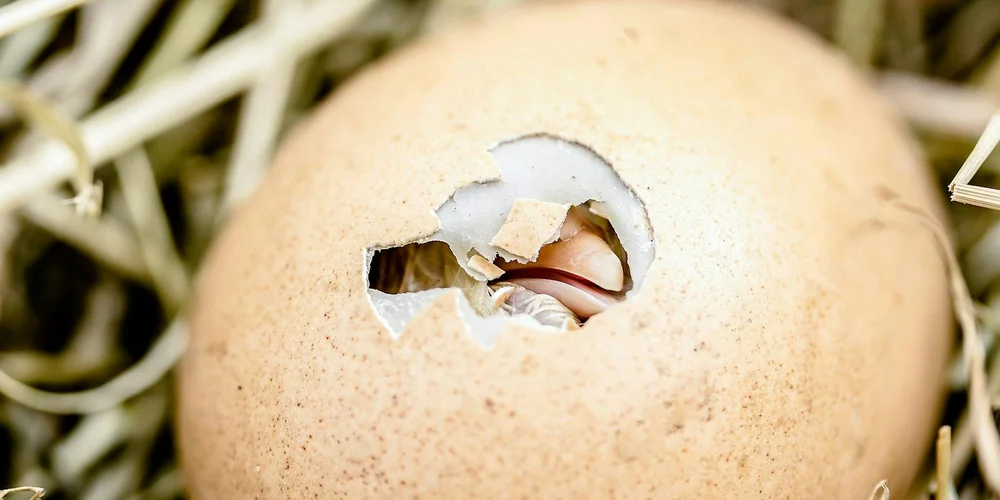
Each turtle species has its own unique way of nesting, shaped by their natural habitats and instincts. Observing these differences helps you provide better care tailored to your pet’s needs. When choosing a species, key factors to consider include nesting behavior, climate needs, and habitat size. Matching these to your setup helps ensure a good fit and a healthy, thriving pet.
From my years of caring for turtles, I’ve seen how their nesting habits vary. My box turtle Orwell prefers quiet, shaded spots with loose soil, while Austen, my Russian tortoise, seeks out sunny, dry areas.
Box Turtles
Box turtles like Orwell are semi-terrestrial and often nest in soft, well-drained substrates. Orwell typically digs shallow nests in my garden’s sandy soil during late spring, showing his reserved but intelligent nature by choosing hidden locations.
Snapping Turtles
Snapping turtles are more aquatic but come ashore to lay eggs in sandy or muddy banks. They can be aggressive when nesting, so it’s best to give them space and avoid handling during this time to reduce stress.
Freshwater Species
Freshwater turtles, such as red-eared sliders, often nest near water bodies with sandy or gravelly substrates. I’ve noticed they prefer areas that mimic their wild environments, like riverbanks or pond edges, for a secure nesting site. For a naturalistic turtle habitat, decorate enclosures with driftwood, pebbles, and live plants to mimic those natural surroundings. Proper decor and substrate choices support both nesting behavior and overall well-being.
| Species | Nesting Season | Preferred Substrate |
|---|---|---|
| Box Turtles | Spring to Summer | Sandy or Loamy Soil |
| Snapping Turtles | Late Spring to Early Summer | Sandy Banks or Mud |
| Freshwater Turtles | Summer | Sandy or Gravelly Areas Near Water |
This chart highlights key variations, but always monitor your turtle’s behavior for personal cues. Providing the right substrate can make nesting feel natural and safe for your pet (especially for box turtles).
Addressing Egg-Laying Challenges in Captivity
Egg-laying issues are common in captive turtles and require prompt attention to prevent health risks. Early intervention can save your turtle from discomfort and serious complications. To help prevent these problems, avoid common terrestrial turtle and tortoise enclosure mistakes. Ensure adequate space, proper substrate, and appropriate humidity and basking opportunities.
Egg binding, where eggs get stuck, is a frequent problem I’ve dealt with in my own pets. If your turtle strains without laying eggs or shows lethargy, it might be a sign of retention that needs immediate care. Understanding turtle shell anatomy can help explain this, since the shell is a living, bony shield connected to the spine and pelvic girdle that interacts with the reproductive tract. The health of the shell and underlying bones can influence egg passage and overall reproduction in turtles.
Actionable Solutions for Common Issues
- Ensure a proper nesting area with deep, moist substrate to encourage natural digging.
- Maintain optimal temperatures and humidity levels in the enclosure to support muscle function.
- Offer a balanced diet rich in calcium to strengthen shell and egg development.
These steps mimic wild conditions and reduce stress. I’ve found that a warm, shallow bath can sometimes help relax a turtle and stimulate egg passage.
When to Seek Veterinary Care
Consult a vet if your turtle hasn’t laid eggs after 24-48 hours of visible straining. Signs like loss of appetite, swelling, or unusual posture signal it’s time for professional help to avoid infections or internal damage. If you’re asking how to tell if your turtle is sick, these signs can help you decide when to seek care.
How to Support Your Turtle at Home
- Keep the environment quiet and undisturbed to minimize stress.
- Provide extra hydration and gentle handling only if necessary.
- Monitor for changes in behavior and adjust care based on their comfort.
Supporting your turtle involves patience and observation. From my experience, a calm approach helps them feel secure during vulnerable moments.
Emergency Steps for Struggling Turtles
- Place your turtle in a warm, shallow water bath to encourage relaxation and egg movement.
- Check for visible eggs or blockages gently, without forcing anything.
- Contact an exotic animal veterinarian immediately if no improvement occurs within a few hours.
- Keep your turtle in a stress-free, warm environment while awaiting professional care.
Acting quickly can prevent long-term health issues. Always prioritize your turtle’s welfare by seeking expert advice when in doubt.
Incubation and Protecting Turtle Eggs
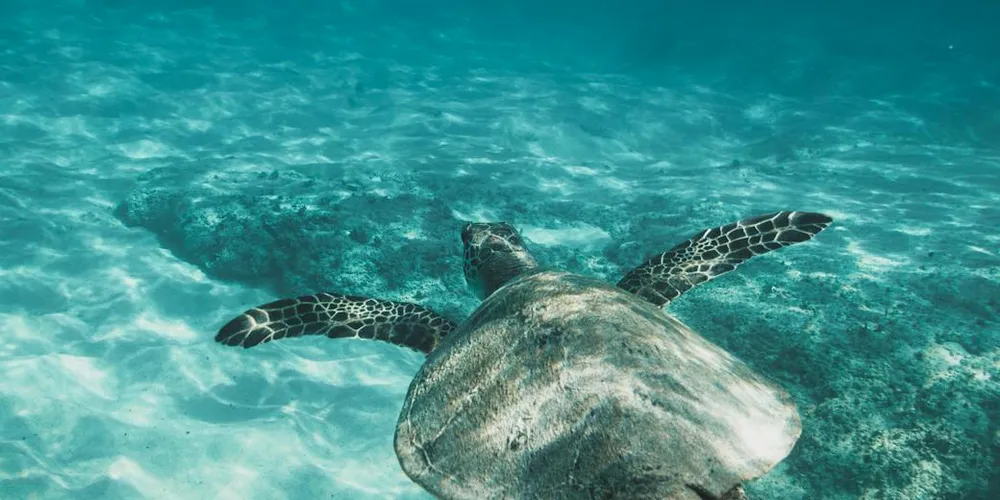
Getting the incubation environment right is the most critical step after the eggs are laid. Temperature doesn’t just influence development speed; it actually determines the sex of your future hatchlings in many turtle species. From my own careful records with Austen and Bronte’s clutches, I’ve found a pivotal temperature of around 85°F (29.5°C) often yields a healthy mix of males and females.
Creating the Perfect Incubation Conditions
Think of the incubation medium as a safe, moist cradle. You need to replicate the stable warmth and humidity of a perfect underground nest.
- Temperature: Maintain a steady range between 80-86°F (27-30°C). Warmer temperatures typically produce females, while cooler ones produce males.
- Humidity: Aim for 80% relative humidity. The incubation substrate should feel like a well-wrung sponge-moist but not soggy.
- Duration: Patience is your greatest tool. Incubation can last from 60 to 120 days, depending heavily on the species and temperature.
Safeguarding the Nest from Harm
Whether in an outdoor enclosure or an indoor incubator, the eggs are vulnerable. I learned this the hard way when a curious raccoon nearly found a clutch from my box turtle, Orwell.
A simple hardware cloth cage secured over an outdoor nest site can be the difference between success and heartbreak. It allows rain and sun through but keeps digging paws out.
- For outdoor nests, place a protective cage or mesh barrier firmly into the ground over the site.
- Shield the area from direct, heavy rainfall or flooding by creating a small, elevated cover.
- For indoor incubation, use a dedicated incubator to maintain consistent temperature and humidity, safe from household pets.
- Mark the top of each egg with a soft pencil and never rotate them; the embryo can detach and drown.
Hatchling Emergence and Health Checklist
The moment you see that first tiny pip in the eggshell is pure magic. Your job shifts from protector to observer. Healthy hatchlings often have a small yolk sac on their plastron (belly), which will be absorbed over the first few days.
- Do not assist the hatchling out of its egg. The struggle is vital for its development.
- Once out, move the hatchling to a small, clean enclosure with a shallow water dish and easy access to food.
- Check that the yolk sac is clean and absorbing properly. Any sign of redness or swelling needs immediate veterinary attention.
- Observe for active movement and a strong, coordinated swim in water. Lethargy can be a first sign of trouble.
- Offer finely chopped leafy greens and a high-quality hatchling pellet within 48 hours of emergence.
FAQs
What is the turtle egg laying season in Riviera Maya?
Sea turtles like loggerheads and green turtles typically nest from May to October in Riviera Maya. The peak season occurs during the summer months when beaches are warm and conducive for egg incubation.
When is turtle egg laying season in Costa Rica?
Costa Rica hosts nesting seasons for species such as olive ridleys from July to December and leatherbacks from February to July. These periods vary by Pacific or Caribbean coasts, with arribadas (mass nestings) common in certain areas.
What months do turtles lay eggs in Mexico?
In Mexico, sea turtles generally lay eggs from April to October, with variations based on species and regional climates. This timeframe ensures optimal temperatures and conditions for successful hatching along coastal areas. Understanding the life cycle of sea turtles—from eggs and hatchlings to adults—helps explain why nesting timing matters. These patterns inform conservation strategies aimed at protecting critical nesting beaches.
When is turtle egg laying season in Queensland?
Queensland’s sea turtle nesting season runs from November to March, aligning with warmer weather and calmer seas. Species like green and loggerhead turtles frequent beaches such as those on the Great Barrier Reef during this period.
What is the turtle egg laying season in Malaysia?
In Malaysia, sea turtles nest year-round, but peak activity is from May to September, especially in regions like Terengganu. This season avoids monsoon rains, providing safer conditions for eggs on sandy shores.
Parting Wisdom on Turtle Nesting
From observing my tortoises, Austen and Bronte, I’ve seen that providing a deep, moist substrate in a quiet corner encourages natural egg-laying behavior. Mimicking their wild nesting conditions at home reduces stress and supports their biological rhythms.
Responsible pet ownership means committing to lifelong education about species-specific needs, like those of my intelligent box turtle, Orwell. Staying curious and consulting expert resources ensures you can adapt to your turtle’s changing requirements over time.
Further Reading & Sources
- How do sea turtles hatch?
- Life Cycle of Sea Turtles – SEE Turtles – SEE Turtles
- Sea Turtles – Sea Turtle Conservancy
- Turtle – Egg-laying, Lifespan, Adaptations | Britannica
Matthew is a dedicated turtle enthusiast and conservationist with over 15 years of experience in reptile care. Known affectionately as "The Leatherback" among his peers, he combines his passion for turtles with a commitment to educating pet owners on responsible turtle care and environmental stewardship.
Nesting Requirements