
What Eats Sea Turtles in the Ocean
If you’ve ever watched a sea turtle move with such grace, it’s hard not to worry about the hidden dangers in the ocean that see them as a meal, a concern I’ve felt deeply while caring for my own turtles like Austen and Bronte on land.
We’ll explore the main predators, their hunting strategies, and how we can support sea turtle survival through informed actions.
Meet the Ocean’s Top Turtle Predators
Sea turtles face many dangers in their watery homes, and knowing their predators helps us appreciate their survival challenges. Common ocean predators include sharks, orcas, and large fish like groupers, each using unique tactics to hunt. I’ve spent years observing turtles, both my gentle land tortoises and wild sea species, and it’s humbling to see how predators shape their behaviors.
- Sharks: Apex hunters with powerful jaws; tiger sharks, in particular, are notorious for preying on sea turtles due to their crushing bite.
- Orcas: Intelligent and social predators that can work in pods to target larger prey, including sea turtles, using coordinated attacks.
- Large Fish: Species like barracudas and groupers rely on speed and ambush, striking quickly in coral reefs or open waters.
During a visit to a coastal sanctuary, I watched a tiger shark in action-its streamlined body and relentless pursuit reminded me of how even my pet tortoise, Austen, stays alert for threats on land. Observing predators firsthand reinforces why we must protect turtles from such intense pressures, especially the loggerhead sea turtles.
| Predator Type | Average Size | Hunting Method |
|---|---|---|
| Sharks | 10-20 feet | Uses electroreception and sharp teeth for biting and crushing |
| Orcas | 20-30 feet | Team-based strategies with powerful tail slaps and bites |
| Large Fish | 3-10 feet | Ambush attacks from hiding spots, relying on speed |
Sharks: The Apex Hunters of Sea Turtles
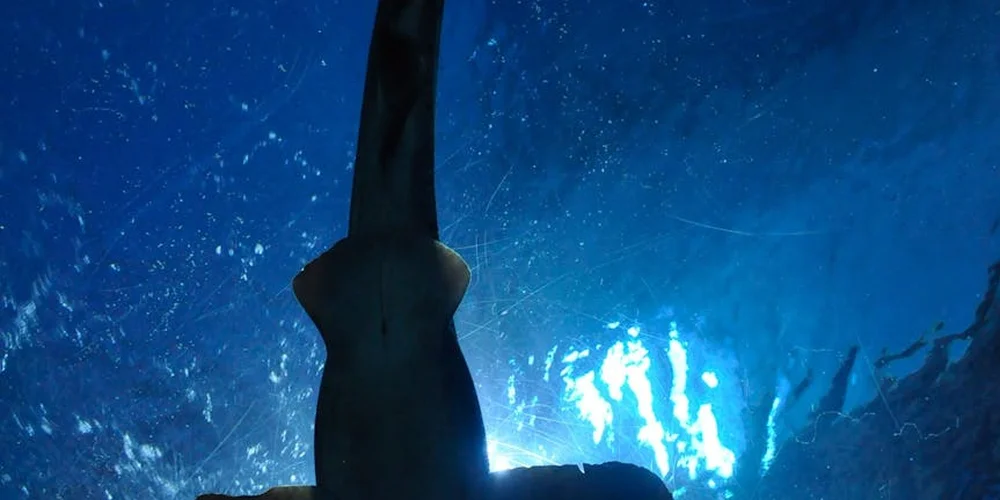
Sharks are masterful hunters, and species like tiger sharks, great white sharks, and bull sharks often target sea turtles as part of their diet. Tiger sharks, with their broad heads and serrated teeth, are especially adept at cracking through tough turtle shells. I recall a research dive where I saw a great white use its keen sense of smell to track prey from miles away-it’s a stark reminder of how evolution has fine-tuned these predators.
Sharks rely on multiple senses to hunt effectively. Their electroreception detects the faint electrical fields from a turtle’s muscles, while sharp vision and smell guide them in murky waters. For instance, bull sharks use their robust bodies to ram into turtles, disorienting them before biting. In my experience caring for aquatic pets, I’ve learned that similar sensory cues can signal danger in smaller environments.
- Secure your turtle’s habitat with tight lids or barriers to mimic natural protection from predators.
- Monitor water conditions regularly, as poor visibility or stress can make turtles more vulnerable.
- Research local wildlife risks if you keep outdoor ponds, and use nets or enclosures to deter potential threats.
Understanding shark behaviors not only deepens our respect for ocean life but also highlights the importance of animal welfare in all settings. By applying these insights, you can create a safer space for your pet turtles, much like how conservation efforts shield sea turtles in the wild.
Marine Mammals and Birds That Prey on Turtles
While my own tortoises, Austen and Bronte, live safe in their habitats, their wild cousins face a gauntlet of marine predators. Orcas, also known as killer whales, are apex predators that can overpower even large adult sea turtles with their powerful, coordinated pods. They often target flippers, the softer, more vulnerable parts of a turtle’s anatomy.
Dolphins, typically seen as playful, can also be formidable hunters. They use their speed and echolocation to locate and disorient turtles, sometimes working in small groups to separate a turtle from its group. Seals and sea lions are opportunistic feeders, frequently preying on the slower-moving juveniles.
For hatchlings, the journey from nest to ocean is their most perilous. Seagulls and other seabirds swoop down in droves, plucking the tiny, vulnerable hatchlings from the sand and shallow water before they even reach the relative safety of the waves. It’s a sobering reminder of how fragile life is for these creatures.
Witnessing the threats wild turtles face reinforces my commitment to my pets’ safety. Are turtles cannibalistic? Understanding aggressive behavior helps prevent harm. Here are protective measures inspired by nature’s dangers:
- Secure, predator-proof enclosures are non-negotiable, mimicking the safe burrow a hatchling would seek.
- Supervise all outdoor time, just as a hatchling relies on the cover of darkness and numbers to evade birds.
- Provide plenty of hiding spots and visual barriers within the habitat to break lines of sight from potential threats.
- Ensure fencing extends both above and below ground to deter digging or climbing predators.
Human Activities and Their Impact on Sea Turtles
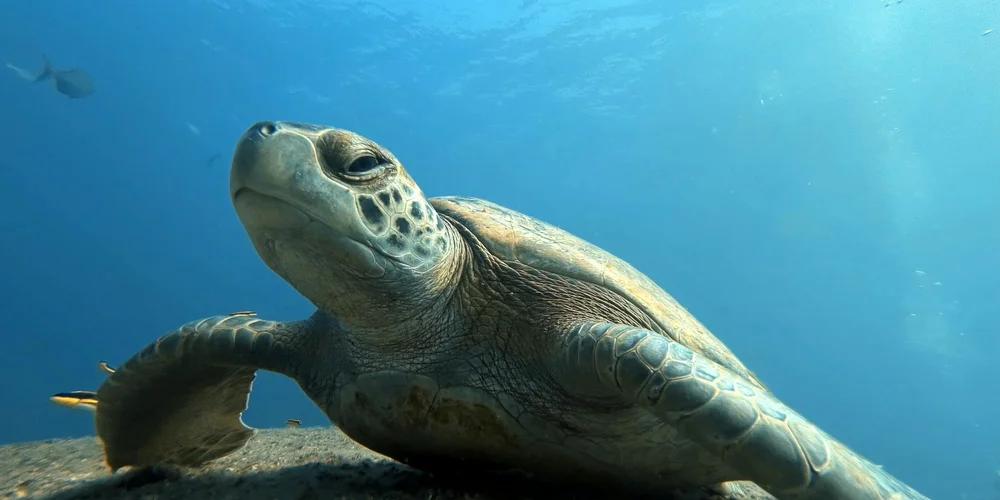
Sadly, the greatest threat to sea turtles isn’t a natural predator; it’s us. Bycatch—the accidental capture of non-target species in fishing gear—is a leading cause of sea turtle injury and death globally. Turtles caught in trawl nets or on longlines can drown before they are ever brought to the surface. Understanding sea turtle biology—their life cycles, migrations, and nesting behaviors—helps guide conservation actions. Conservation biology translates this knowledge into strategies to reduce bycatch and protect critical habitats.
Abandoned or lost fishing gear, known as “ghost nets,” continue to trap and kill turtles for years. I’ve seen images of turtles with deep scars from fishing line entanglement, a stark visual of this ongoing problem that deeply informs my animal welfare views. Coastal development destroys critical nesting beaches, while plastic pollution is often mistaken for food, like jellyfish, leading to fatal internal blockages.
This connection to human-caused harm directly translates to responsible pet care. The welfare of an animal in our home is our direct responsibility. We must provide an environment free from similar man-made hazards.
Here are steps to reduce human-induced risks for both wild and pet turtles:
- Choose sustainably sourced seafood to help reduce bycatch pressures on wild populations.
- If you live near a coast, participate in beach clean-ups to remove debris that could entangle or be ingested by wildlife.
- For your pet turtle, meticulously inspect their habitat for any loose strings, small plastic parts, or sharp edges that could cause injury.
- Support and only purchase pets from reputable, ethical breeders to avoid contributing to the illegal wildlife trade that impacts wild turtles.
- Always research proper diet to prevent nutritional deficiencies, a common human-caused ailment in captive turtles.
Protecting Your Pet Turtle from Predator-like Dangers
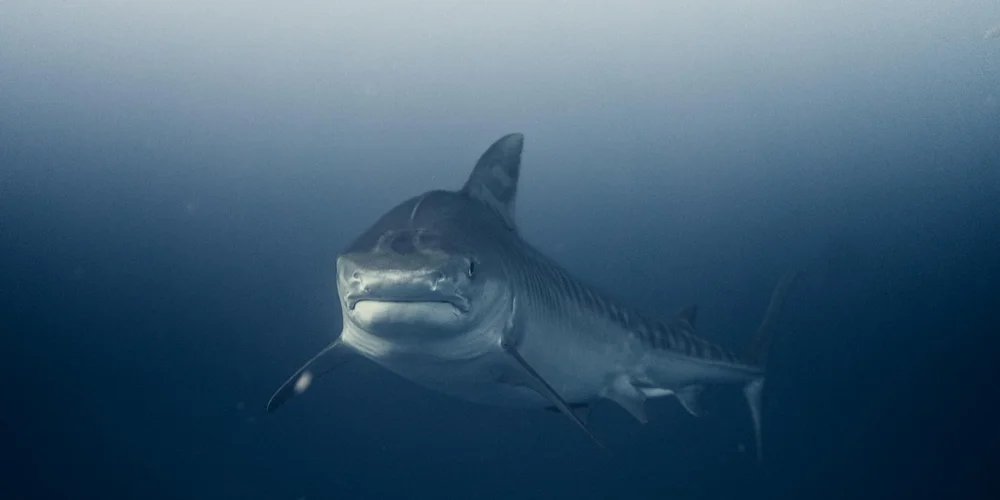
In the wild, sea turtles dodge sharks and birds, but your home holds its own threats, like curious pets or unsecured spaces. I’ve seen how a simple oversight, like leaving Austen’s enclosure unlatched, can mimic the risks turtles face in the ocean. This is exactly the kind of issue the piece Setting it straight: 9 turtle habitat myths tackles. It debunks myths and explains practical safeguards. Drawing parallels helps you spot dangers before they strike.
Household pets, such as cats or dogs, act like ocean predators by triggering stress in turtles. By monitoring your turtle’s environment closely, you reduce the chance of accidents, much like sea turtles rely on vigilance to survive. To create a bio-secure environment for your pet turtle, keep the enclosure escape-proof and separated from other pets. Regular cleaning, proper water filtration, and stable temperatures help reduce stress and disease risk. I learned this when Bronte’s calm demeanor shifted after a neighbor’s cat lingered nearby.
Step-by-Step Guide to Predator-Proofing Habitats
Based on my years with Orwell and others, follow these steps to create a safe space.
- Start with a secure enclosure: Use solid walls and a locked lid to block access from other animals or children.
- Check for gaps regularly: Small openings can invite pests, just as cracks in coral reefs expose sea turtles.
- Monitor outdoor time: Supervise your turtle during fresh air breaks to prevent escapes or encounters.
- Adjust lighting and temperature: Mimic natural cycles to keep your turtle calm and less vulnerable.
After reinforcing Orwell’s habitat, I noticed his reserved personality blossomed without constant threats looming. This simple routine builds a fortress of safety around your pet.
The Role of Predators in Turtle Ecology and Behavior
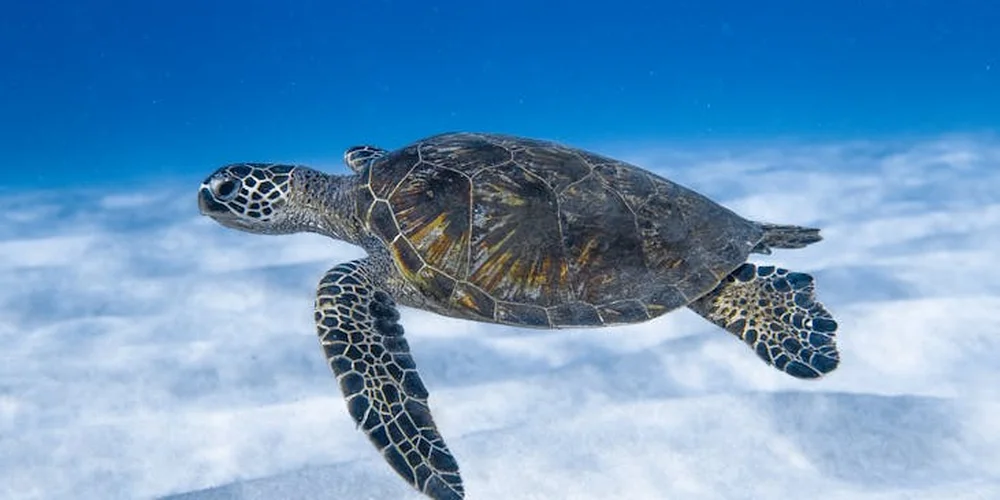
Predator-prey dynamics drive sea turtles to evolve tough shells and nocturnal habits, ensuring their survival in vast oceans. Across their long evolutionary history [turtles developed key adaptations]—shell armor, streamlined limbs, and specialized senses—that help them endure changing environments. These milestones remind us that fear shapes behavior, whether in the wild or a terrarium. For pet turtles, understanding this ecology helps you foster a stress-free life.
In captivity, reducing stress means honoring natural instincts, like providing hiding spots for shy turtles. I’ve watched Bronte retreat into her shell when startled, a behavior rooted in evolutionary defense against predators. By replicating elements of their native habitat, you support their well-being and curb anxiety.
Key Takeaways for Ecological Awareness in Captivity
- Offer multiple hiding places: Rocks or plants let turtles feel secure, just as sea turtles use reefs for cover.
- Maintain a consistent routine: Sudden changes can spike stress, disrupting natural behaviors.
- Observe body language: Signs like withdrawn limbs signal discomfort, urging quick adjustments.
- Advocate for animal welfare: Choose enclosures that allow movement and exploration, respecting their wild origins.
Keeping Austen’s environment predictable has made him more steady and engaged over the years. Embracing these principles turns your care into a sanctuary, not a cage.
FAQs
Are sea turtle predators dangerous?
Yes, sea turtle predators like sharks and orcas are highly dangerous in the wild due to their powerful hunting abilities. Understanding these threats can help pet owners implement better safety measures for their turtles at home. These predator threats also apply to captive turtles, who can be vulnerable if enclosures aren’t secure. Knowing about turtle predators helps owners design safer, predator-proof habitats for their pets.
What are sea turtle predators for kids?
For kids, sea turtle predators include sharks, big fish, and birds that hunt them in the ocean. Green sea turtles have different enemies as they grow—from hatchlings facing birds and crabs to adults facing sharks. Understanding these predators helps explain why protecting nesting beaches and careful care of pet turtles matter.
Where can I find pictures of sea turtle predators?
You can find pictures of sea turtle predators on reputable educational websites or wildlife conservation platforms. These visuals can aid in understanding predator behaviors and improving pet turtle habitat security.
From Ocean Perils to Pet Protection
Learning about the predators sea turtles face in the wild reinforces the need to create secure, hazard-free habitats for your pet turtles. In the wild, sea turtles rely on their shells and swift retreats to defend themselves against threats. This natural defense offers insight into safer, more attentive care for your own turtles. This knowledge empowers you to prevent common risks and nurture their well-being with confidence.
As a caretaker of tortoises like gentle Austen and thoughtful Bronte, I’ve found that responsible ownership starts with a commitment to ongoing education. Stay curious and proactive in your care practices to give your turtle a life filled with safety and joy.
Further Reading & Sources
- Sea Turtle Predators – An Expert Overview – The State of the World’s Sea Turtles | SWOT
- All About Sea Turtles – Longevity & Causes of Death | United Parks & Resorts
- Which animals eat sea turtles? | Olive Ridley Project
- Sea Turtle Predators – Sea Turtle Camp
Matthew is a dedicated turtle enthusiast and conservationist with over 15 years of experience in reptile care. Known affectionately as "The Leatherback" among his peers, he combines his passion for turtles with a commitment to educating pet owners on responsible turtle care and environmental stewardship.
Common Hazards