
Painted Turtle Hibernation Guide: Do They Brumate in Captivity?
If you’re wondering whether your painted turtle needs to brumate in captivity, you might be feeling anxious about their health and the risks of getting it wrong-I’ve been there with my own turtles, like my gentle Russian tortoise Austen, and I’m here to ease your mind.
This guide covers: understanding brumation, necessity in captivity, safe setup steps, monitoring health signs, and avoiding common errors.
Understanding Painted Turtle Brumation
Brumation is a natural slowdown for painted turtles during colder months, much like a long, restful nap. In my experience with reptiles like my Russian tortoise Austen, I’ve seen how this period helps conserve energy when food is scarce. Painted turtles may stop eating and move less, but they don’t fully sleep like mammals do.
You might notice your turtle seeking out darker, cooler spots in its habitat. This behavior signals their body is preparing for brumation, a process I’ve managed carefully to avoid stress. It’s their way of coping with seasonal changes, even in captivity.
- Reduced appetite and slower movements
- Preference for hiding under substrates or in shaded areas
- Less frequent basking and interaction
Handling brumation requires patience and observation. I always check water quality and temperature to ensure my turtles stay hydrated and safe. This approach stems from years of tweaking habitats for species like my Greek tortoise Bronte, who taught me the value of a steady environment. When you’re creating an ideal brumation environment for your turtle, aim for a cool, stable temperature, low light, and quiet, undisturbed conditions. That setup makes hydration and health checks easier and more effective.
Hibernation vs. Brumation in Captivity
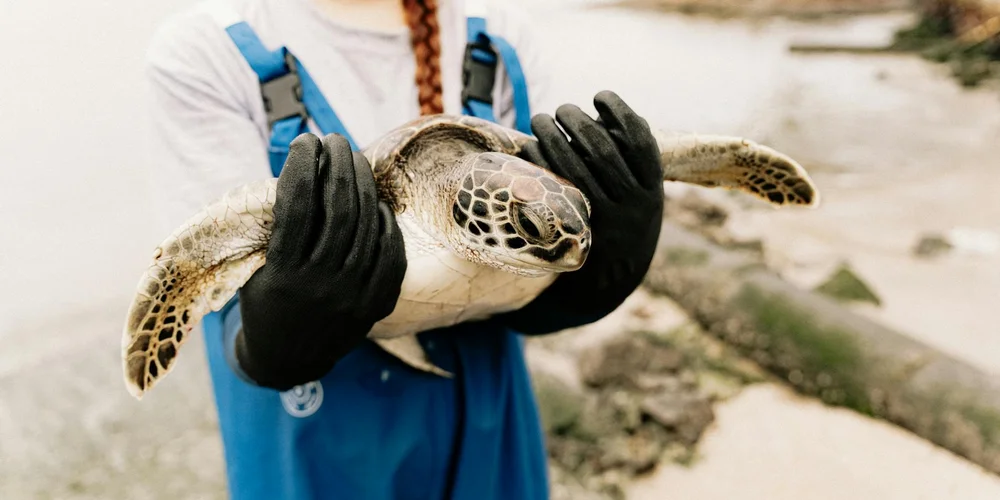
Hibernation involves a deep, continuous sleep in mammals, while brumation in reptiles like painted turtles is more intermittent. Your turtle might wake occasionally to drink or shift position, unlike hibernating animals that stay dormant for months. This difference is crucial for captive care, as forcing full hibernation can harm their health. (Learn more about the differences between brumation and hibernation.)
In captivity, brumation isn’t always necessary if you maintain stable temperatures. I’ve found that mimicking natural light cycles helps painted turtles decide if they need to brumate, based on my work with box turtles like Orwell. It’s about giving them choices, not imposing conditions. Observing diet and activity helps set expectations for brumation. Subtle shifts in appetite and energy often precede a true dormancy period.
| Aspect | Hibernation (Mammals) | Brumation (Reptiles) |
|---|---|---|
| Activity Level | Deep, unbroken sleep | Periodic waking and movement |
| Metabolic Rate | Significantly lowered | Reduced but not as extreme |
| Water Intake | Rare or none | Occasional drinking possible |
To support your painted turtle, provide a cool, quiet area and monitor their weight. Gradually lowering temperatures over weeks prevents shock, a method I’ve used to keep my turtles healthy through seasonal shifts. Always consult a vet if you’re unsure, as animal welfare comes first in any care decision.
Risks and Benefits of Brumating Your Painted Turtle
Brumation, or winter dormancy, is a natural process for painted turtles, but in captivity, it comes with both rewards and hazards. From my experience with Orwell, my box turtle, I’ve learned that mimicking nature can boost their overall well-being when done correctly. Let’s explore what you need to weigh before deciding, including understanding the signs your turtle is entering brumation and how to care for them during this period.
Benefits often include reduced stress and improved longevity. Allowing your turtle to brumate can align their internal clock with seasonal rhythms, much like how my Greek tortoise Bronte thrives on routine. It helps conserve energy and may support reproductive health in mature turtles.
- Enhanced immune function through natural cycles
- Potential for better breeding success in adults
- Lowered metabolic demands during cooler periods
Risks involve health declines if conditions aren’t ideal. An unhealthy turtle entering brumation might face dehydration or infections, something I always watch for with Austen, my Russian tortoise. Poor setup can lead to weight loss or even fatalities. This is exactly the kind of risk highlighted in the 8 worst brumation mistakes that can fatally harm your turtle. Knowing them helps me preempt problems and keep Austen safe.
- Increased susceptibility to respiratory issues
- Risk of starvation if pre-brumation feeding is inadequate
- Possible organ stress from temperature fluctuations
Weighing these factors helps you make an informed choice for your pet’s welfare.
Preparing Your Painted Turtle for Safe Brumation
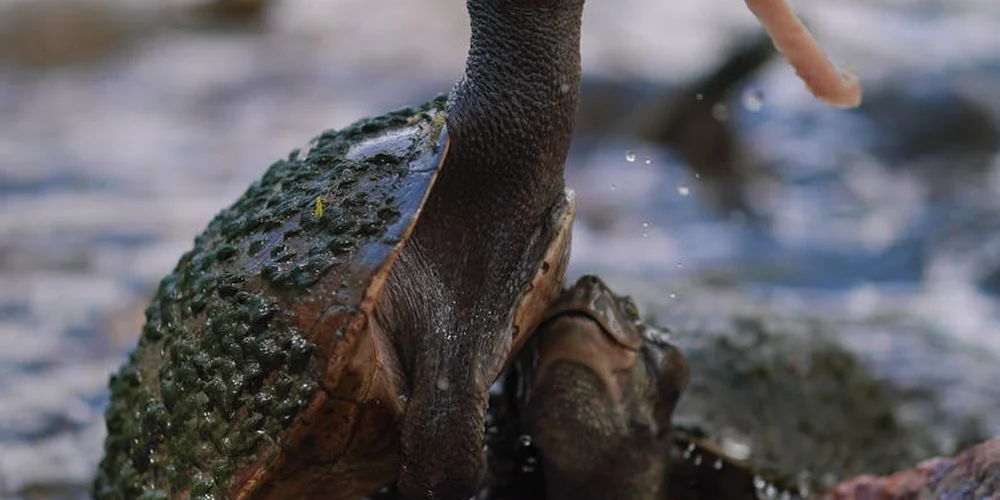
Proper preparation is key to a successful brumation period. I start by ensuring my turtles are in peak health, drawing from years of caring for species like Bronte and Orwell. To prepare your pet turtle for brumation, start a gradual cool-down and shorter day-length in the weeks leading up to it. This step-by-step approach minimizes risks and keeps them comfortable.
Conducting a Pre-Brumation Health Check
Begin with a thorough examination to catch any hidden issues. I always check for clear eyes and smooth shells, as even minor abnormalities can worsen during dormancy. Use this checklist to guide your assessment.
- Weigh your turtle to establish a baseline-significant loss signals problems
- Inspect for parasites or skin lesions under good lighting
- Observe activity levels; lethargy beyond normal could indicate illness
- Ensure they’ve emptied their bowels through a warm bath soak
If anything seems off, consult a vet-it’s better to skip brumation than risk their health.
Setting Up the Ideal Brumation Environment
Create a space that feels like a secure, natural burrow. Think of a cool, dim area that mimics the muddy bottoms painted turtles seek in the wild. Temperature and humidity control are non-negotiable for safety.
- Maintain temperatures between 40-50°F-use a reliable thermometer
- Keep humidity around 60-70% to prevent dehydration
- Provide a substrate like moist sphagnum moss for burrowing
- Ensure the enclosure is escape-proof and free from drafts
Monitor conditions weekly, adjusting as needed to keep your turtle stable and content.
Monitoring Your Turtle During Brumation
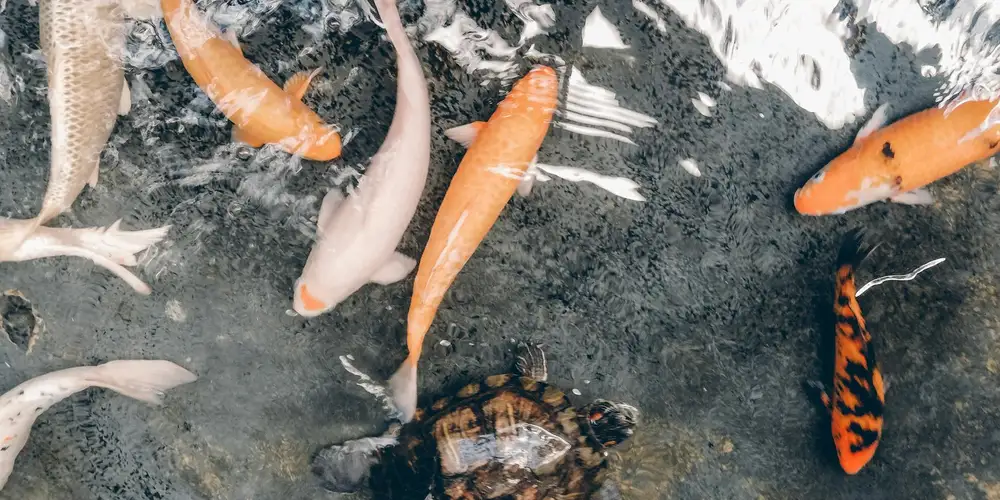
Even while your turtle is in its deep slumber, your role as a caretaker continues. Regular, gentle monitoring is essential to ensure your painted turtle remains healthy and safe throughout this dormant period. It’s a quiet vigil, but a vital one.
I check on my turtles, like my steady Russian Tortoise Austen, weekly during this time. You want to look for subtle signs that everything is proceeding as it should.
What to Look For During Health Checks
- Subtle Weight Loss: A small amount of weight loss is normal. I gently weigh my turtles monthly. A loss exceeding 10% of their body weight is a red flag to consult a veterinarian.
- Clear Eyes and Nostrils: Their eyes should be closed but not sunken or swollen. There should be no discharge from the eyes or nostrils, which could indicate a respiratory infection.
- Healthy Skin and Shell: The skin should not appear reddened or have any unusual spots. The shell should feel firm, not soft or pliable.
- Natural Position: Your turtle should be resting in a normal, tucked-in position. Limbs dangling limply can be a sign of a problem.
Creating a Log
Keep a simple journal of your weekly checks. Documenting their weight and general condition helps you spot trends and catch potential issues early. It turns your observations from a feeling into actionable data.
Waking Your Painted Turtle from Brumation
Waking your turtle is not a sudden event; it’s a gentle, gradual process that mimics the slow warming of spring. Rushing this transition can cause severe stress and health complications for your turtle. Patience is your greatest tool here.
I’ve found that a slow, methodical approach over 7-10 days works best for my shelled companions.
The Step-by-Step Waking Process
- Gradual Temperature Increase: Begin by slowly raising the temperature of their brumation enclosure by about 5 degrees Fahrenheit each day. Do this until you reach their normal active habitat temperature.
- Reintroduce Light Cycles: As you warm the environment, gradually increase the hours of light they receive each day. This helps reset their internal clock.
- Offer a Warm Bath: Once they are fully warmed up and beginning to show signs of movement, offer a shallow, lukewarm bath. This encourages hydration and helps stimulate their digestive system after its long rest.
- Provide Fresh Water: Ensure their main habitat has a full, clean water dish. They will be very thirsty.
- Introduce Food Slowly: Do not offer food immediately. Wait 2-3 days after they are fully active and alert. Start with a small, easily digestible meal.
Post-Brumation Observation
Watch your turtle closely for the first few weeks. A healthy turtle will resume its normal behaviors-basking, swimming, and eating-with enthusiasm. If they seem lethargic, refuse food for more than a week, or show any signs of illness, contact a reptile veterinarian promptly. This careful reawakening sets the stage for a healthy, active year ahead.
When to Avoid Brumation in Captivity
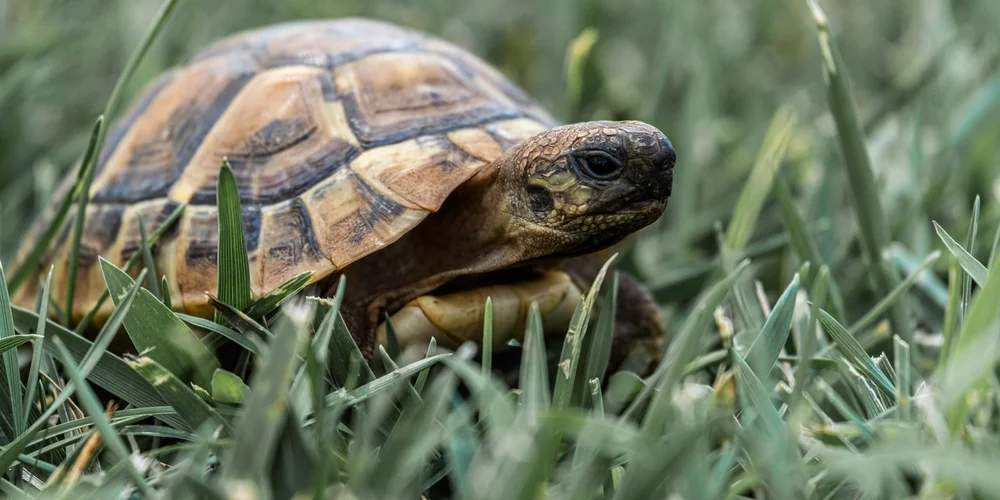
While brumation is a natural process, forcing it in a home environment can be incredibly risky. I’ve learned through caring for my own turtles, Austen and Bronte, that their health and safety must always come first. There are several key situations where you should actively prevent brumation from occurring.
Health Concerns and Pre-existing Conditions
A turtle that is not in peak physical condition should never be allowed to brumate. Their slowed metabolism during this period can turn a minor issue into a life-threatening one. From my experience, even a small health problem can spiral when their immune system is essentially on pause. That’s where a brumation risk-benefit analysis comes in. Assess your turtle’s health, species, and environment before deciding if brumation is appropriate.
- Underweight or malnourished turtles lack the necessary fat reserves.
- Turtles with respiratory infections, shell rot, or parasitic infestations.
- Any reptile showing signs of lethargy or weakness before the brumation season.
Age and Size Considerations
Very young and very old turtles are particularly vulnerable. Hatchlings and juveniles simply do not have the bodily resources to sustain themselves through a long fast. My Greek tortoise, Bronte, was a delicate eater in her first few years, and I would never have considered letting her brumate then.
- Turtles under one year of age.
- Turtles that have not reached a robust, healthy adult size.
- Elderly turtles, whose overall vitality may be diminished.
Inadequate Habitat or Environmental Control
Brumation requires a very specific and stable set of conditions. If you cannot perfectly replicate the cool, humid, and safe environment of a muddy pond bottom, it is far safer to forgo brumation entirely. An inconsistent temperature can lead to premature awakening or, worse, freezing.
- You lack a dedicated, escape-proof brumation enclosure like a refrigerator or insulated box.
- You cannot maintain a steady temperature between 40-50°F (4-10°C).
- Your home environment is too noisy or disruptive, preventing true rest.
Recent Illness or Injury
A turtle that has recently recovered from sickness or an injury is still rebuilding its strength. Brumation would halt this vital recovery process and could cause a full relapse. I kept my box turtle, Orwell, awake for a full year after he recovered from a shell injury to ensure he was completely strong again.
The body’s priority should be healing, not shutting down for hibernation. Always consult with a reptile-savvy veterinarian if you are unsure about your turtle’s health status. For sick turtles, supportive care for sick turtles—hydration, gentle feeding, and a warm, comfortable environment—can help maintain strength. This should be pursued while you obtain professional guidance. Their professional assessment is invaluable for making this critical decision.
FAQs
What triggers painted turtle hibernation?
Painted turtle hibernation is primarily triggered by shorter daylight hours and dropping temperatures in the environment. These seasonal changes signal their bodies to enter a dormant state to conserve energy. In winter, they enter brumation, greatly slowing their metabolism. They typically settle to the bottom of ponds, buried in mud or beneath debris to stay insulated.
Do painted turtles hibernate in water or on land?
In their natural habitat, painted turtles hibernate underwater, often buried in mud at the bottom of ponds or slow-moving streams. This submerged location helps maintain a stable temperature and prevents dehydration during the dormant period.
How long do painted turtles hibernate?
Painted turtles typically hibernate for about 3 to 5 months, usually from late autumn to early spring. The exact length can vary based on regional climate and the individual turtle’s health and age.
Guiding Your Painted Turtle Through Brumation Safely
From my years with turtles like Orwell, my reserved box turtle, I’ve learned that creating a stable, cool environment is key to supporting brumation in captivity. Regular health checks and consulting a vet ensure your turtle stays safe through this natural process. This is part of a complete guide to turtle brumation and hibernation. It covers prep, monitoring, and safety considerations.
Responsible pet ownership involves always putting your turtle’s welfare first by staying informed about their evolving needs. Embrace continuous learning to provide the best care, just as I do with my own gentle companions.
Further Reading & Sources
- Hibernating without oxygen: physiological adaptations of the painted turtle – PMC
- Painted Turtle – Wildlife in Winter
- Expert Answers on Painted Turtle Hibernation and Care | JustAnswer
- My painted turtle was hibernating, and every week I would go by his tank and poke him to see if he’d move. about a week
Matthew is a dedicated turtle enthusiast and conservationist with over 15 years of experience in reptile care. Known affectionately as "The Leatherback" among his peers, he combines his passion for turtles with a commitment to educating pet owners on responsible turtle care and environmental stewardship.
Winter Care