
8 Fatal Brumation Mistakes to Avoid for Your Turtle
Brumation can be a dangerous time for your turtle, and making a simple mistake could have heartbreaking consequences. I’ve cared for my own turtles through many cycles, and I know how stressful it can feel when you’re not sure if you’re doing everything right.
This article will cover improper temperature regulation, incorrect hydration methods, failing to get a pre-brumation vet check, disturbing your turtle too often, offering food at the wrong time, using an unsuitable substrate, ignoring weight and health checks, and waking your turtle incorrectly.
Mistake 1: Not Understanding Brumation Basics
Brumation is the reptilian version of a deep, seasonal rest, not a true mammalian hibernation. Your turtle will still need to drink water and may occasionally move to a different spot, which is a key difference from animals that hibernate and remain completely dormant.
This cycle is driven by shorter days and cooler temperatures, signaling your turtle’s body to slow its metabolism and conserve energy. This natural rhythm is essential for long-term health, helping to regulate their reproductive systems and overall biological clock. Understanding these rhythms is also crucial for sea turtle conservation, as climate change and habitat disruption can affect reproduction and survival. By studying how seasonal cues shape their biology, researchers can better protect nesting beaches and foraging habitats.
When you skip this vital process, you force their body to run non-stop. This can lead to severe metabolic issues, chronic stress, and a weakened immune system, making them far more susceptible to illness. I’ve seen turtles become sluggish and lose their appetite when their natural cycle, including their basking time, is disrupted.
Mistake 2: Brumating the Wrong Turtle Species
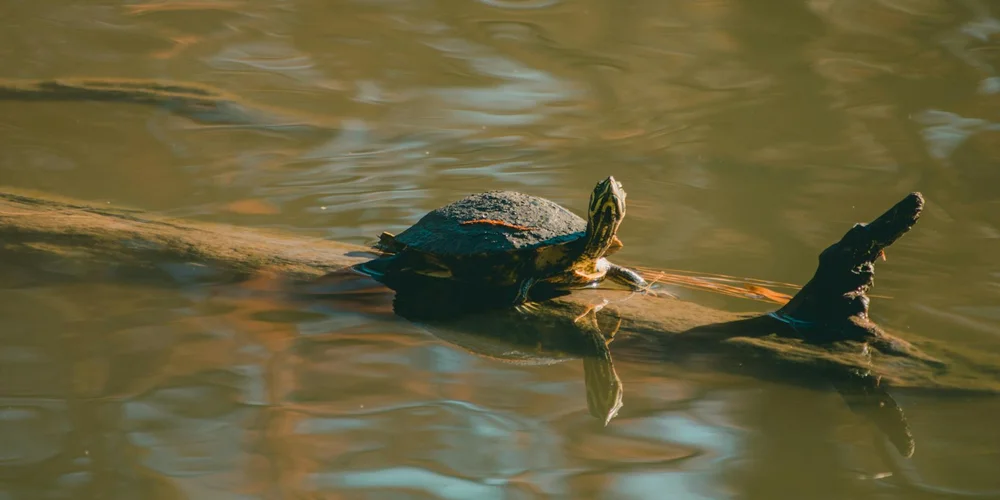
This is a critical step that depends entirely on your turtle’s natural heritage. Species from temperate climates, like many box turtles and Russian tortoises, are biologically programmed for brumation. Tropical species, like Red-Eared Sliders from warmer regions, should never be forced into it.
Forcing a tropical turtle to brumate is like asking a sunbather to sleep in a snowbank. Their bodies aren’t equipped for the metabolic slowdown, leading to a high risk of respiratory infections, malnutrition, and even fatal organ failure. Winter brings seasonal changes in activity and feeding, and tropical species should not be coerced into brumation.
From my own experience, my Russian Tortoise, Austen, and Greek Tortoise, Bronte, both go through a natural brumation period every winter. My Box Turtle, Orwell, however, only experiences a slight slowdown and would be at serious risk if I tried to induce a full brumation for him. Knowing your specific species’ needs is non-negotiable.
Mistake 3: Skipping Pre-Brumation Preparation
Rushing into brumation without proper preparation is like sending your turtle on a long journey without packing any supplies. This preparatory phase is non-negotiable for a safe brumation cycle. I learned this the hard way with my Greek tortoise, Bronte, who once entered brumation slightly underweight and emerged much weaker than her sibling.
Your Pre-Brumation Health Checklist
Follow these steps in the weeks leading up to brumation to ensure your turtle is a good candidate.
- Schedule a Veterinary Visit: A reptile-savvy vet can perform a fecal exam to check for parasites and give a general health clearance. Hidden illnesses can become fatal during brumation.
- Conduct a Weight Assessment: Your turtle needs adequate fat reserves. Weigh them weekly. A healthy turtle should have a firm, rounded feel, not bony or concave.
- Begin Fasting: About 2-3 weeks before cooling starts, stop offering protein and high-fat foods. This allows their digestive system to fully empty.
- Ensure Proper Hydration: Offer warm, shallow soaks daily during this fasting period. Hydration is the single most important factor in preventing renal failure during brumation. You want to see them passing clear urates.
The danger of skipping these steps is profound. An undigested meal will rot inside your turtle, releasing toxins. A dehydrated turtle’s organs can shut down. Taking these few weeks to prepare properly is the greatest gift of care you can give them.
Mistake 4: Failing to Regulate Temperature and Cooling

Brumation is not freezing; it’s a controlled, cool slowdown. Getting the temperature wrong is a primary reason many turtles don’t wake up. The goal is to lower their metabolism without allowing them to freeze or become susceptible to illness.
Ideal Brumation Temperature Ranges
The safe zone is typically between 40°F and 55°F (4°C and 13°C).
- Too Cold (Below 40°F/4°C): Risk of tissue freezing and death.
- Too Warm (Above 60°F/15°C): Metabolism remains too high, burning through fat reserves too quickly and leading to starvation.
The Art of Gradual Cooling
Never move your turtle directly from a warm tank to a cold brumation box. Their bodies need time to adjust.
- Over 1-2 weeks, slowly reduce the heat and light periods in their main enclosure by an hour every few days.
- Once the main tank is at room temperature, move them to their pre-prepared brumation setup in a consistently cool location, like an insulated garage or a cool closet.
- Use a high-low thermometer to monitor the temperature range daily, ensuring it never spikes or plummets.
My box turtle, Orwell, once experienced a sudden warm spell in his brumation space. The temperature fluctuation stressed his system, and he developed a mild respiratory infection upon waking. It was a stressful lesson. Overheating can awaken a dormant immune system, while undercooling prevents them from entering a true state of torpor, exhausting them. Consistent, cool temperatures are the key to a peaceful sleep.
Mistake 5: Neglecting Humidity and Dehydration Control
-
Enclosure humidity acts like a gentle shield against dehydration during brumation. It keeps your turtle’s skin and shell moist, preventing cracks and health declines that can sneak up silently. I noticed with Bronte, my Greek Tortoise, that consistent humidity helped her emerge each spring looking vibrant and healthy, unlike one season when levels dipped and her skin felt dry.
-
Maintain moisture without inviting mold by using a hygrometer for accurate readings. Maintaining proper humidity levels is essential for a healthy terrestrial turtle habitat. Light misting with distilled water and substrates like coconut coir hold humidity well while allowing air flow to reduce mold risks. Place the enclosure in a stable area away from drafts, and I’ve found that adding a shallow water dish nearby boosts ambient moisture safely for turtles like Orwell. Regular checks help ensure the environment stays within the ideal range for shell health and comfort.
-
Watch for dehydration signs like sunken eyes, wrinkled skin, or unusual lethargy. If you spot these, slowly raise humidity and offer a shallow water soak, but avoid startling your turtle awake. With Austen, I once caught early dehydration by his sluggish movements and corrected it with gradual adjustments, preventing a crisis.
Mistake 6: Using an Unsafe Brumation Enclosure

-
Choose substrates that avoid pests and respiratory dangers, such as organic topsoil or sphagnum moss. Avoid cedar or pine shavings, which can release harmful oils and trigger breathing issues in sensitive turtles. I switched to coconut coir after Orwell developed minor irritation from a dusty substrate, and it’s been a reliable, pest-free choice ever since.
-
Set up the enclosure with ample space for slight movement and screened lids for ventilation. Ensure it’s placed in a dark, quiet spot to mimic natural brumation conditions and reduce stress. A well-sized container prevents crowding, and I learned from Bronte’s setup that extra room helps her settle without restlessness.
-
I once used a poorly ventilated plastic bin that led to humidity spikes and mold growth. Now, I opt for terrariums with adjustable vents, which have kept all my turtles safe and comfortable through many winters. This simple change made brumation smoother and highlighted how small errors in enclosure choice can have big impacts.
Mistake 7: Ignoring Health Monitoring During Brumation
From my years caring for Austen, Bronte, and Orwell, I’ve learned that even in dormancy, turtles need our watchful eyes. Regular health checks can catch small issues before they become life-threatening.
-
Watch for key health indicators like weight loss or odd behaviors.
- Weight changes: A drop over 10% of body weight is a warning sign I always track with monthly weigh-ins.
- Behavior shifts: Look for extreme lethargy, lack of response to gentle touches, or unusual agitation.
- Physical clues: Check for runny noses, swollen eyes, or a softening shell-things I’ve spotted early with Orwell.
-
Set a gentle check schedule to minimize stress.
I observe my turtles weekly without handling them much. This routine lets me monitor their well-being without disrupting their rest, making it easier to spot any health issues early.
- Weekly visual inspections for movement and shell condition.
- Monthly weight checks using a soft, accurate scale.
- Quick, quiet observations to keep disturbances low.
-
Seek vet help promptly for infections or stress signs.
When Bronte once showed rapid weight loss, I called the vet right away. Acting fast can prevent minor issues from turning fatal.
- Contact a vet if you see persistent mucus, breathing troubles, or no improvement after adjustments.
- Watch for prolonged stress, like constant hiding or refusal to settle.
- Trust your instincts-if something feels off, professional advice is key.
Mistake 8: Mismanaging the Wake-Up Process
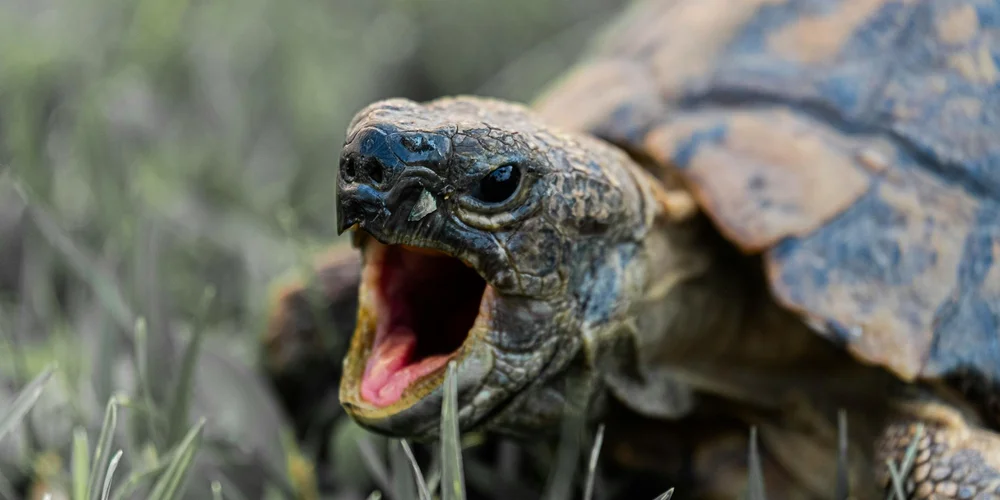
Waking a turtle too abruptly can shock their system, as I learned with Austen’s first brumation. A gradual approach mirrors nature and keeps them safe.
-
Follow steps for slow warming and feeding resumption.
I ease my turtles back over 5-7 days, starting with gentle warmth. This method reduces the risk of digestive upset and metabolic issues.
- Increase enclosure temperature by 2-3 degrees Fahrenheit each day.
- Offer lukewarm baths for hydration before introducing food.
- Begin with small, moist foods like chopped greens or soft veggies.
-
Time wake-ups to match natural sleep cycles.
I align this with spring’s arrival, when days lengthen and temperatures rise. Syncing with the seasons supports their internal rhythms.
- Aim for early to mid-spring, avoiding late cold snaps.
- Use gradual light increases to simulate longer days.
- Observe local weather patterns to guide your timing.
-
Avoid risks from sudden changes, like metabolic shock.
Rushing the process once led Orwell to refuse food for days. Abrupt shifts can strain their bodies and lead to malnutrition or organ stress.
- Metabolic shock from quick warming may cause lethargy or failure to thrive.
- Malnutrition risks rise if feeding starts too late or with large portions.
- Digestive problems can occur from introducing rich foods too soon.
Common Questions
When is the right time to start the brumation process for my turtle?
The timing is triggered by natural seasonal cues like shorter daylight hours and dropping temperatures in the fall. You should begin the gradual cooling process when these environmental changes occur, not on a fixed calendar date.
How long is it safe for a turtle to remain in brumation?
The duration varies by species and individual health, but most temperate turtles safely brumate for 2 to 4 months. It is crucial to monitor their weight throughout, as a loss of more than 10% of their body weight is a sign to end brumation. Understanding the natural cycle of pet turtles can help owners better anticipate these periods.
What are the most critical signs that something is wrong during brumation?
Key danger signs include significant weight loss, visible discharge from the nose or eyes, and a softening of the shell. Any of these symptoms warrant an immediate, gentle warming and a consultation with a reptile veterinarian.
Is brumation necessary for all turtles every single year?
No, brumation is not mandatory every year, especially for juveniles, sick, or underweight turtles. You should always assess your turtle’s health and weight each season to determine if brumation is a safe option for them. During a routine veterinary checkup, expect the vet to review your turtle’s weight trends, shell condition, and overall health. They’ll also discuss brumation readiness and outline what to monitor and expect in the coming season.
What should I do if my turtle wakes up on its own in the middle of brumation?
If your turtle wakes prematurely, you must assess its health and weight to decide if it can be cooled down again or needs to be warmed up fully. An unplanned awakening often indicates an underlying issue, such as an incorrect temperature or illness. Many keepers also wonder if turtles need heat at night and how to manage nighttime temperatures. A concise nighttime heat management guide can help you maintain safe, stable overnight temperatures.
Guiding Your Turtle Safely Through Brumation
From my years with tortoises like Austen and Bronte, I’ve learned that maintaining stable temperatures and regular health checks are non-negotiable for a safe brumation period. Always observe your turtle closely and adjust care based on their unique needs to sidestep common pitfalls.
Responsible pet ownership means dedicating yourself to lifelong learning and adapting as new information emerges in turtle care. Stay engaged with trusted sources and fellow enthusiasts to ensure your turtle enjoys a long, vibrant life under your watch.
Further Reading & Sources
- 7 Turtle Hibernation Facts You Haven’t Heard Before! | by Muntaseer Rahman | Medium
- Turtle Brumation: The Benefits & Dangers Of The Hibernation Cycle
- Brumation in Turtles and Tortoises | Taking Caring of Reptiles
- Three-Toed Box Turtle Brumation – Reptiles Magazine
Matthew is a dedicated turtle enthusiast and conservationist with over 15 years of experience in reptile care. Known affectionately as "The Leatherback" among his peers, he combines his passion for turtles with a commitment to educating pet owners on responsible turtle care and environmental stewardship.
Winter Care