
Turtle Anatomy and Health: Your Simple Guide to Better Care
Have you noticed changes in your turtle’s appetite or shell appearance and felt a knot of worry? I’ve been there with my own shelled friends-Austen, Bronte, and Orwell-and know how vital it is to spot early signs.
We’ll dive into shell basics, dietary must-haves, common ailments, and proactive wellness steps.
The Living Shell: More Than Just a Mobile Home
Many people think a turtle’s shell is just a hard case it carries around. In reality, the shell is a living, breathing part of their skeleton, fused directly to their ribs and spine. It’s not something they can simply abandon.
My Russian tortoise, Austen, taught me this firsthand. I used to tap gently on his shell, thinking it was like knocking on a door. I soon learned that the shell is rich with nerve endings. He could feel every touch. Now, I only use soft strokes, and he often stretches his neck out in clear enjoyment.
A healthy shell is a key indicator of overall wellness. Here is what to look for:
- Smooth, Hard Texture: It should feel solid, without any soft or flexible spots.
- Consistent Growth: The scutes (the individual plates) should show even, concentric growth rings.
- No Flaking or Cracking: Minor scratches can happen, but deep cracks or peeling layers need a vet’s attention immediately.
- Clean and Dry: A shell should not be slimy or have a foul odor, which can signal bacterial or fungal infections.
Providing proper UVB lighting and a calcium-rich diet is non-negotiable for shell health. Without these, the shell can become soft and malformed, a painful condition known as Metabolic Bone Disease. I always keep a cuttlebone in the enclosure; watching them gnaw on it is a sure sign they’re self-regulating their calcium intake.
Eyes and Blinking: Windows to Health

A turtle’s eyes should be clear, bright, and fully open. They don’t blink like we do; instead, they have a specialized clear membrane that cleans and protects the eye. If you see your turtle frequently rubbing its eyes or keeping them closed, it’s a definite cry for help. If eye rubbing continues or you notice redness, swelling, discharge, or cloudiness, those are signs your turtle needs to see a veterinarian. Early care can prevent more serious eye problems.
My Greek tortoise, Bronte, once had a minor eye issue. Her eye looked slightly swollen and she wasn’t opening it fully. The problem? The substrate in her enclosure was too dusty. A simple switch to a cleaner bedding and a gentle saline rinse cleared it right up.
Keep a watchful eye on these common symptoms:
- Swelling or Puffiness: Often a sign of infection or irritation from substrate.
- Discharge: Any goopy or watery substance is abnormal.
- Cloudiness or Film: This can indicate a vitamin A deficiency, which is serious but treatable with proper diet and vet care.
- Inability to Retract the Head: Swollen eyes can sometimes prevent a turtle from pulling its head safely into its shell.
Regular soaks in shallow, lukewarm water help keep their eyes hydrated and free of debris. Always use dechlorinated water, as the chemicals in tap water can cause significant irritation. Pet turtles do drink water; they sip from a shallow dish and stay hydrated through soaking. For more information on how pet turtles drink water and how to provide it, you can visit this helpful resource. Providing a clean, easily accessible water source is essential to their hydration. A healthy turtle will have alert, curious eyes, taking in the world with a quiet intelligence I’ve always admired in my own pets.
Skin and Scute Shedding: A Natural Renewal
Watching my Russian tortoise, Austen, shed is like observing a living sculpture slowly renew itself. His skin peels in delicate, papery flakes, and his scutes—those individual plates on his shell—lift at the edges before coming loose. This process is a completely natural and healthy sign of growth, not a disease. It means your turtle is thriving and making room for a larger, newer shell underneath. If you’re wondering why your turtle’s shell skin is peeling, it’s a normal part of growth as the old skin loosens and a new shell forms underneath. In short, peeling skin is a good sign that your turtle is thriving and growing.
Healthy shedding should be subtle and piecemeal. You might notice the translucent, flaky skin during soaks or see the old scutes become slightly opaque before they detach. Never, ever pull or peel off a scute that isn’t ready to come off on its own. You can seriously damage the new, sensitive scute forming beneath it, leading to infection or permanent shell deformity.
Proper hydration and nutrition are the biggest factors in a smooth shed. I make sure all my turtles get regular soaks and a balanced diet.
- Provide a shallow water dish large enough for soaking.
- Offer a varied diet rich in vitamins.
- Ensure proper humidity levels in their enclosure.
- Allow them to rub against rocks or logs to aid the process.
The Cloaca: A Master of Multitasking
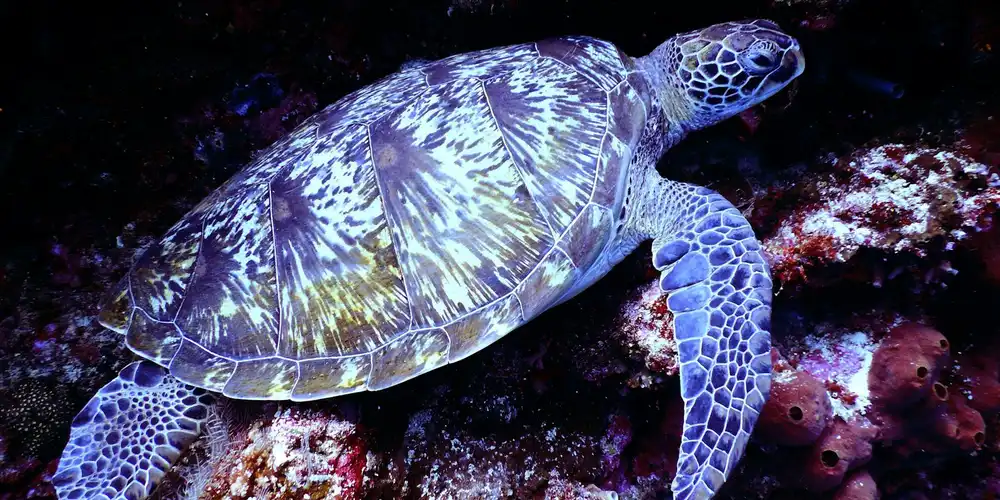
If you’ve ever wondered how a turtle manages its bodily functions in one neat package, the cloaca is your answer. It’s the single posterior opening you’ll see at the base of the tail, and its efficiency is a marvel of evolution. The cloaca serves as the universal exit point for a turtle’s digestive waste, urinary waste, and reproductive activities. It’s a true all-in-one system.
In my female Greek tortoise, Bronte, the cloaca is the passage for her eggs. In all my turtles, it’s where I observe their urates-the white, pasty portion of their urine. Seeing these is normal. A healthy cloaca should appear clean, symmetrical, and free from any swelling, discharge, or prolapse (where internal tissue protrudes out). Keeping their habitat impeccably clean is the best way to prevent cloacal infections.
During their soaks, you might see the cloaca “pulsing” or looking slightly more prominent as they absorb water. This is a normal behavior called cloacal respiration, which some aquatic and semi-aquatic species use.
- Monitor for any lingering redness or swelling.
- Check that waste is being passed normally.
- Ensure no substrate or debris is stuck to the area.
- Consult a vet immediately if you see a prolapse.
Supporting Internal Systems: Bones, Lungs, and More
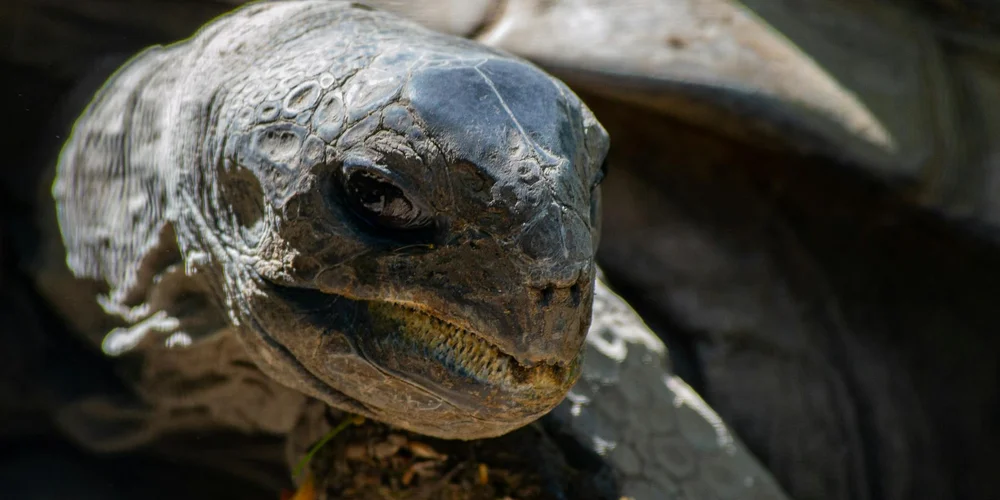
Beneath that beautiful shell is a complex network of organs and bones working in harmony. Your turtle’s skeleton is actually fused to the inside of its carapace (the top shell), creating a single, rigid structure that provides incredible protection. I’ve always been fascinated by how this unique design makes their entire body a unified fortress. That strong, hard shell is the turtle’s primary shield—tough enough to thwart bites and scrapes, yet light enough to keep mobility. Its rigidity also helps anchor powerful muscles for steady, confident moves.
Their respiratory system is particularly unique. Unlike us, turtles can’t expand their ribcage to breathe because their ribs are part of the shell. They use specialized muscles around their limbs and neck to pump air in and out of their lungs. This is why you’ll sometimes see their legs or throat moving rhythmically even when they’re still. You can learn more about turtle anatomy here.
The Internal Framework
- Spine and Ribs: Fused directly to the carapace, providing structural integrity.
- Limb Girdles: The shoulder and hip bones are uniquely located inside the ribcage, a feature found in almost no other animal.
- Muscle Groups: Powerful muscles control limb movement for digging, swimming, and climbing.
Vital Organ Systems
Their organs are packed efficiently into the limited space. The heart is positioned high up near the front legs, which is why vets are so careful during injections in that area. From my experience with Austen, his slow, steady metabolism is a direct reflection of his efficient, compact organ systems working perfectly in sync.
Spotting Trouble: Common Health Issues Linked to Anatomy
Understanding their anatomy is your first line of defense in spotting health problems. Many common issues have clear, physical signs you can learn to recognize.
Shell and Skeletal Problems
Pyramiding, the raised, pyramid-like scutes on the shell, is almost always a sign of improper diet or humidity levels during early growth. I noticed the first subtle signs of this with Bronte before I perfected her habitat, and it was a crucial learning moment for me.
- Metabolic Bone Disease (MBD): A soft, flexible shell or a drooping lower jaw. Caused by insufficient UVB light or calcium.
- Shell Rot: Pitted, discolored, or foul-smelling patches on the shell, often from bacterial or fungal infections in a damp environment.
- Fractures: Cracks or chips from falls or trauma. Even a small crack can expose bone and lead to serious infection.
Respiratory and Internal Issues
Because of their unique breathing mechanism, respiratory infections are a major concern. Watch for bubbles from the nose, wheezing sounds, or a turtle that tilts to one side while swimming, as this can indicate fluid in the lungs. Orwell once had a slight sniffle that quickly escalated, teaching me to never ignore even the smallest symptom.
- Pneumonia: Lethargy, loss of appetite, and open-mouth breathing are severe signs.
- Impaction: A blockage in the digestive tract, often from swallowing substrate. Causes a lack of bowel movements and lethargy.
- Egg Binding (in females): Restlessness, straining, and refusing food. A life-threatening condition if eggs cannot be laid.
Building a Healthy Body: Nutrition and Habitat Essentials
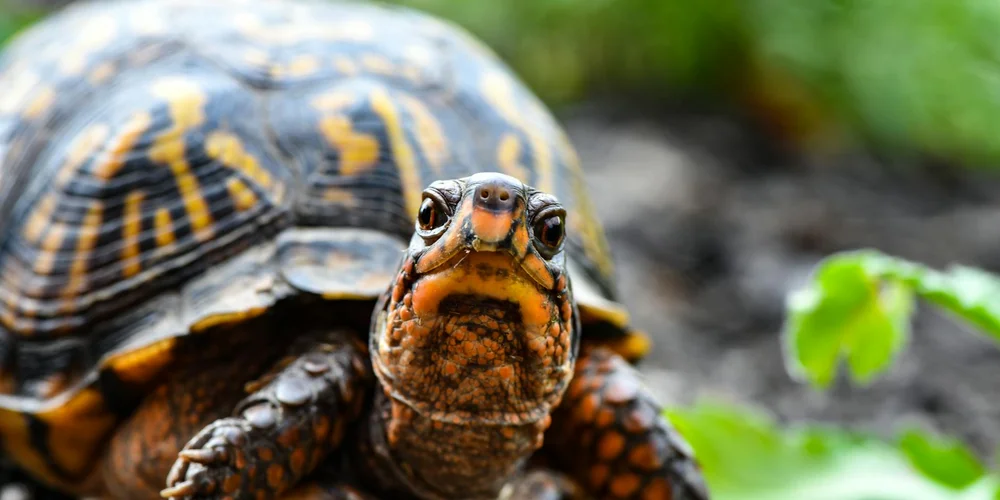
Think of your turtle’s shell as their home, and the world you build around them as their neighborhood. A thriving turtle is the product of a perfect partnership between what goes inside them and the environment they live in. Getting this balance right is the single most impactful thing you can do for their long-term health.
Fueling the Machine: A Varied Diet is Non-Negotiable
I learned this the hard way with my Russian tortoise, Austen. A boring, repetitive diet led to a lack of energy I couldn’t ignore. Turtles are not simple creatures when it comes to food.
- Leafy Greens are the Foundation: Offer a daily rotation of dandelion greens, endive, escarole, and turnip greens. I avoid spinach and kale due to compounds that can hinder calcium absorption.
- Protein in Moderation: For aquatic and box turtles like Orwell, this means earthworms, crickets, and the occasional feeder fish. For my herbivores like Austen and Bronte, it’s a small amount of soaked, low-fat cat food once a month.
- Colorful Vegetables for Vitamins: Shredded carrots, bell pepper strips, and small pieces of squash add crucial nutrients and enrichment.
- Calcium is King: I lightly dust their food with a pure calcium powder without vitamin D3 twice a week. A cuttlebone in their enclosure lets them self-regulate.
Watching Bronte methodically eat her hibiscus flower is a reminder that fresh, varied food is a source of joy and vitality for them.
Crafting the Perfect Turtle Universe
The tank or tortoise table is their entire world. Its setup dictates their behavior, metabolism, and immune function.
Space to Thrive
A cramped enclosure causes stress and stunts growth. The general rule is 10 gallons of space per inch of shell length, but I always advocate for going bigger whenever possible. Orwell, my box turtle, has a custom-built terrarium that allows for distinct “rooms.”
The Critical Temperature Gradient
Reptiles cannot regulate their body temperature internally. Your setup must do it for them.
- Basking Zone: This spot needs a focused heat lamp. For most species, aim for a surface temperature of 90-95°F. This is where they digest food and absorb warmth.
- Cool Zone: The opposite end of the enclosure should be 10-15 degrees cooler, around 75-80°F. This allows them to thermoregulate by moving.
- Nighttime Drop: A slight temperature drop at night is natural and beneficial, but it should not fall below 65-70°F for most common pet species.
Light: The Unsung Hero of Health
This is the most common mistake I see. A regular household bulb does not provide what they need.
- UVB Lighting is Mandatory: Turtles require UVB rays to synthesize vitamin D3, which allows them to use the calcium in their diet. Without it, they will develop Metabolic Bone Disease, a painful and crippling condition.
- Use a high-output fluorescent or mercury vapor bulb designed for reptiles.
- Replace the bulb every 6-12 months, as the UV output degrades long before the light burns out.
Water and Humidity Needs
Aquatic turtles need deep, clean water for swimming. I use a canister filter rated for twice the volume of their tank to keep it pristine. That’s why a high-capacity canister filter is often the best filter for an aquatic turtle tank. It delivers strong mechanical and biological filtration to handle the waste and keep the water clear and safe. For terrestrial tortoises like Austen and Bronte, a shallow water dish for drinking and soaking is vital. I also maintain a humid hide box with slightly damp sphagnum moss to aid with shedding and hydration.
FAQs
What is turtle anatomy?
Turtle anatomy refers to the physical structure of turtles, including their shell, limbs, and internal organs, which are uniquely adapted for their environment. Understanding this helps owners provide better care and identify potential health issues early. Within turtle anatomy, the shell is a living, bone-supported organ formed by fused ribs and vertebrae, with protective keratinous scutes on the surface. Shell biology helps explain how growth, hydration, and nutrition affect shell health and overall welfare.
What is turtle health?
Turtle health encompasses their overall well-being, from a strong shell and clear eyes to proper digestion and active behavior. Maintaining it requires a balanced diet, appropriate habitat conditions, and regular observation for any abnormalities. As part of a monthly health check, look for changes in the shell, eyes, appetite, or activity and note any abnormalities. If you see any concerning signs, schedule a visit to the veterinarian promptly.
How does a turtle’s anatomy influence its daily care?
Their anatomy, such as the shell being fused to the skeleton, affects handling and habitat setup to avoid stress or injury. For instance, their reliance on external heat sources means providing a temperature gradient is essential for metabolic functions.
What are the key indicators of poor turtle health?
Watch for symptoms like persistent lethargy, refusal to eat, or unusual discharge from the eyes or nose. Additionally, any swelling, soft spots on the shell, or labored breathing signal the need for veterinary attention.
How can I support my turtle’s long-term health through its anatomy?
Focus on preventive care by offering UVB lighting for calcium absorption and a clean environment to reduce infection risks. Regular health checks and a species-appropriate diet help sustain their unique anatomical functions and vitality.
Caring for Your Shelled Friend
Your turtle’s daily behavior and physical appearance are your most reliable guides to its well-being. This is a core rule you’ll find in our essential guide to caring for land and aquatic turtles. By providing a proper habitat and a balanced diet, you create the foundation for a long and healthy life.
Responsible turtle ownership is a rewarding, lifelong commitment to learning and adapting. Stay curious, keep observing your unique pet, and your dedication will be repaid with years of quiet companionship. Ethical care for turtles means providing proper housing, diet, and veterinary care, and choosing turtles responsibly rather than taking wild specimens. Before bringing a turtle home, assess whether you can meet its long-term needs and welfare.
Further Reading & Sources
- Sea Turtle Anatomy – ECOMAR
- The Anatomy of Sea Turtles
- Anatomy – Sea Turtles
- Body plan of turtles: an anatomical, developmental and evolutionary perspective – PubMed
Matthew is a dedicated turtle enthusiast and conservationist with over 15 years of experience in reptile care. Known affectionately as "The Leatherback" among his peers, he combines his passion for turtles with a commitment to educating pet owners on responsible turtle care and environmental stewardship.
Signs of Illness