
Turtle Shell Peeling: Normal or a Health Concern?
Published on: December 26, 2025 | Last Updated: December 26, 2025
Written By: Matthew The
Seeing your turtle’s shell or skin peeling can be alarming, making you wonder if something is seriously wrong with your shelled friend.
Having cared for my own tortoises, Austen and Bronte, for over a decade, I know that moment of panic. The answer isn’t always simple. Sometimes it’s a perfectly natural process; other times, it’s a cry for help.
We’ll cover the normal shedding process, signs of unhealthy peeling, the role of diet and habitat, and when a vet visit is essential.
Understanding Normal Turtle Shedding
Seeing your turtle’s shell or skin peel can be startling, but it’s often a natural process called shedding. Just like how we shed dead skin cells, turtles regularly renew their scutes-the bony plates on their shell-and outer skin layers to support growth and health. I’ve watched my Russian tortoise, Austen, go through this many times over the years; his gentle, steady nature makes it easy to observe the subtle flaking that signals all is well.
Normal shedding typically involves small, thin pieces that come off evenly without exposing raw tissue. For aquatic turtles, skin shedding might look like translucent bits floating in the water, while land tortoises like Bronte show dry, papery flakes. It shouldn’t cause discomfort or bleeding, and it happens periodically as part of their life cycle.
- Peeling occurs in patches or all over, not just in one spot
- No foul odor or discoloration under the shed areas
- Your turtle remains active and eats normally during the process
If you notice these signs, there’s usually no need to worry. Regular shedding helps turtles stay healthy by removing old, worn-out layers and preventing infections. In my experience, providing a balanced habitat reduces stress and supports this natural rhythm.
Common Causes of Abnormal Shell and Skin Peeling
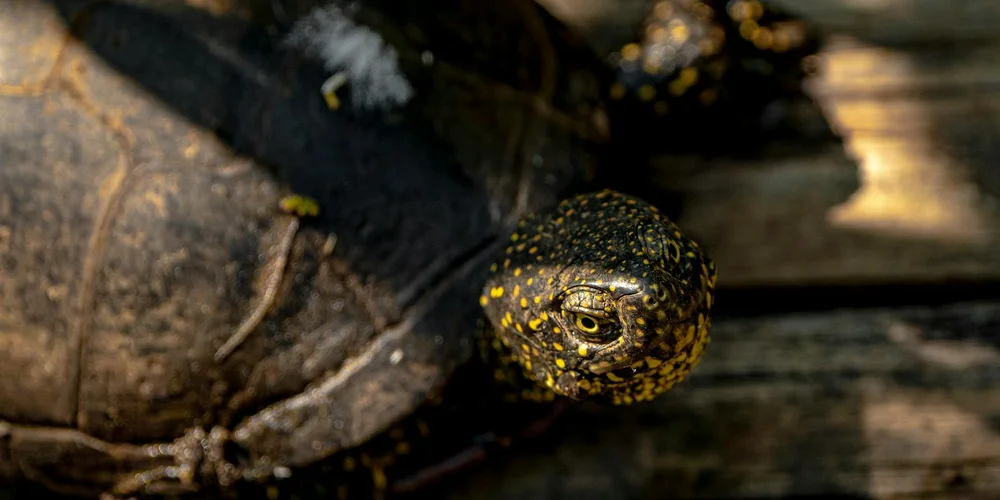
When peeling becomes excessive, uneven, or accompanied by other symptoms, it could point to an underlying issue. Abnormal shedding often stems from health problems or environmental factors that need prompt attention to protect your turtle’s well-being. Over my decade with turtles like Orwell, I’ve learned to spot these red flags early.
Shell Rot and Fungal Infections
Shell rot is a serious condition where bacteria or fungi invade the shell, causing soft spots, discoloration, and foul-smelling peeling. It often starts in damp, dirty environments and can spread quickly if left untreated, leading to pain and deeper infections. I once had to gently clean a minor case on Orwell’s shell by improving his habitat and using vet-recommended antiseptics.
- Soft, pitted areas on the shell that may ooze fluid
- White, green, or black fuzzy patches indicating fungus
- Lethargy or loss of appetite in your turtle
Prevention is key—maintain clean water and dry basking spots. Regular habitat checks and prompt veterinary care can stop shell rot from worsening and safeguard your turtle’s comfort. Regularly clean and disinfect the enclosure safely using reptile-safe cleaners and rinse thoroughly to remove residues. This helps prevent disease while protecting your turtle or tortoise’s living space.
Nutritional Deficiencies
A poor diet lacking essential nutrients like calcium, vitamin A, or protein can weaken your turtle’s shell and skin, leading to abnormal peeling. Without enough calcium, shells may become soft and peel excessively, while vitamin A deficiency often causes thickened skin and eye issues. With Bronte, I ensure she gets a mix of leafy greens, calcium supplements, and occasional protein to keep her shell strong and graceful.
- Offer calcium-rich foods like cuttlebone or dusted vegetables
- Include vitamin A sources such as carrots or sweet potatoes
- Avoid overfeeding high-protein items, which can imbalance their diet
Balanced nutrition supports overall health and reduces shedding problems. Consult a vet to tailor meals to your turtle’s species and age for optimal results. In our feed your pet turtle ultimate beginners guide, you’ll find a simple, beginner-friendly feeding plan. It helps new owners choose the right portions and feeding frequency for common species.
Environmental Stressors
Factors like incorrect temperature, poor water quality, or inadequate lighting can stress turtles and trigger abnormal peeling. Stress weakens their immune system, making them more prone to skin and shell issues that disrupt normal shedding cycles. Austen taught me that even small changes, like a drop in basking temperature, can cause visible stress signs.
- Inconsistent water pH or high ammonia levels in aquatic setups
- Lack of UVB lighting, which is vital for shell health
- Overcrowding or sudden habitat changes that increase anxiety
Address these by monitoring habitat conditions closely. Providing a stable, clean environment with proper heat and light mimics their natural habitat and promotes healthy shedding. Simple adjustments often make a big difference in your turtle’s vitality. Arrange the enclosure with naturalistic decor—rocks, wood, plants, and hiding spots—to mirror their native habitat. This kind of setup supports natural behaviors and overall well-being.
Identifying Serious Health Symptoms
When your turtle’s shell or skin peels, it can be tricky to tell if it’s just a natural shed or something more serious. From my years with Austen, my Russian Tortoise, I’ve learned that healthy shedding is gradual and uniform, not patchy or painful-looking. If you notice any of these signs, it’s time to pay close attention.
Watch for discoloration that isn’t part of their normal pattern. A healthy shell like Bronte’s golden brown one should not have sudden white, green, or black spots, which can signal fungal or bacterial infections. Feel for soft areas-gently press on the shell; it should be firm, not spongy or giving way.
- Foul odor coming from the shell or skin, which often points to shell rot
- Lethargy or lack of appetite, like when Orwell refused his favorite greens
- Visible pits, cracks, or bleeding that doesn’t heal quickly
- Excessive peeling in one spot, leaving raw or inflamed skin underneath
Trust your instincts—if something feels off, it probably is. I once caught a minor infection early in Austen by noticing a subtle change in his behavior, saving him from discomfort. In practice, I can tell if my turtle is sick by watching for changes in appetite, activity, or shell condition. If you see persistent signs, seek professional care. Always prioritize your turtle’s well-being and seek professional advice if unsure.
Immediate Care and Home Treatment Steps
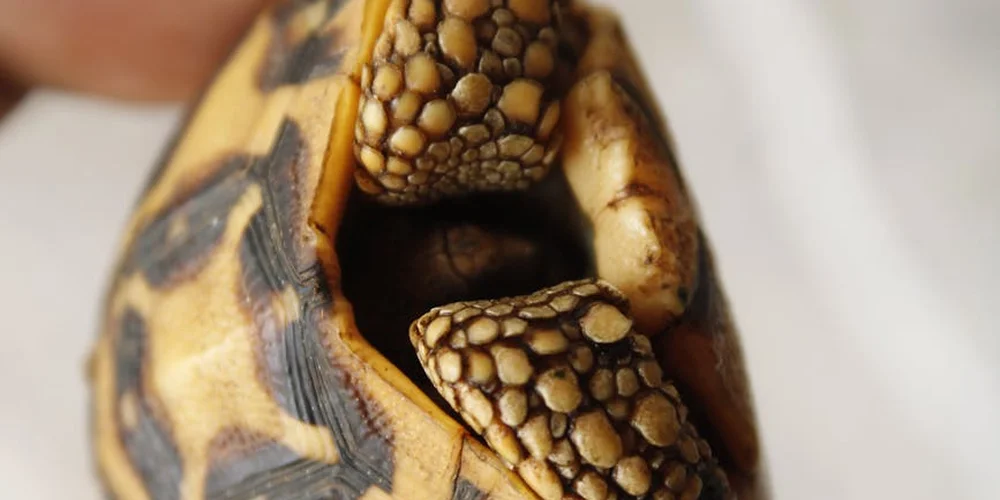
If you’ve identified serious symptoms, don’t panic — there are steps you can take at home to help your turtle feel better. Start by ensuring their habitat is clean and stress-free, as a dirty environment can worsen skin and shell issues. I’ve found that simple adjustments make a big difference for my turtles’ health. This aligns with the ultimate turtle health troubleshooting checklist from Shell Tail. It guides you through essential steps to review symptoms, enclosure, and care.
First, gently clean the affected area with a soft cloth and lukewarm water-avoid harsh soaps. For minor irritations, a diluted betadine solution can help prevent infection, but always rinse thoroughly to avoid residue. Dry them completely afterward to keep moisture from lingering.
- Isolate your turtle in a separate, clean enclosure if you have multiple pets to prevent spread
- Adjust their diet to include calcium-rich foods like chopped dark greens, which support shell health
- Monitor their basking area to maintain proper UVB light and temperature, crucial for healing
- Schedule a vet visit if symptoms persist beyond a few days, as professional care is essential
Remember, home care is a temporary measure. Based on my experience with Bronte’s graceful recoveries, consistency in these steps can aid healing, but never substitute for expert veterinary guidance. Your quick action shows how much you care for your shelled friend.
Long-Term Prevention and Habitat Optimization
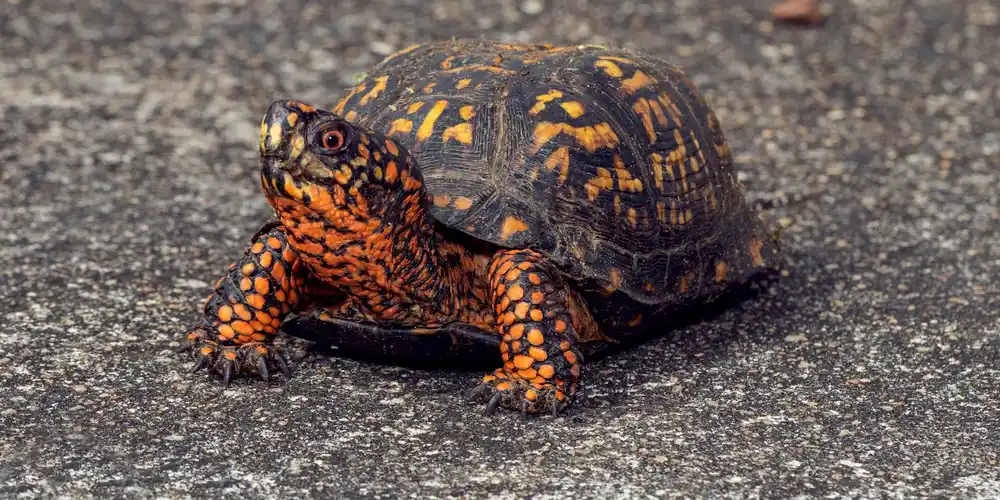
Creating a stable, enriching environment is the single most effective way to support healthy shell and skin. Think of your turtle’s habitat as their entire world; every element contributes to their overall well-being. I’ve spent years refining the setups for my tortoises, Austen and Bronte, and the difference a dialed-in habitat makes is incredible. To translate that idea into practice, avoiding common terrestrial turtle and tortoise enclosure mistakes is key. Simple things like ensuring adequate space and proper UV lighting can make a world of difference.
Master the Lighting and Basking Zone
Proper lighting isn’t just about warmth; it’s about health. Your turtle needs a precise gradient of temperatures to regulate their body and process nutrients. UVB lighting is essential for vitamin D3 synthesis, which helps calcium absorption for a healthy shell and bones. Setting it up correctly ensures your turtle can metabolize nutrients and prevent metabolic bone disease.
- UVB Lighting: This is non-negotiable. UVB rays allow turtles to synthesize vitamin D3, which is essential for absorbing calcium. Without it, their shells can become soft and unhealthy. Replace UVB bulbs every 6-12 months, as the invisible output diminishes long before the bulb burns out.
- Basking Spot Temperature: Create a dedicated basking area that is consistently 10-15°F warmer than the water or ambient temperature. My box turtle, Orwell, loves his basking spot at a toasty 90-95°F. This dry heat helps ensure their skin and shell dry out completely, preventing issues.
- Photoperiod: Mimic a natural day/night cycle with 12-14 hours of light followed by 10-12 hours of darkness. Using a simple timer saves you the hassle and provides your pet with a predictable routine.
Perfect Your Water and Humidity Parameters
For aquatic and semi-aquatic turtles, water quality is everything. For land-dwelling tortoises, humidity is the key. Understanding essential water quality parameters helps ensure a healthy turtle tank. Regular testing for ammonia, nitrite, nitrate, pH, and temperature keeps aquatic habitats safe.
- Filtration is Your Best Friend: Invest in a canister filter rated for 2-3 times the volume of your tank. Clean, filtered water prevents skin infections and reduces stress. I do a partial water change weekly for my aquatic turtles, and the water stays crystal clear.
- Water Temperature: Keep it species-specific. Most common aquatic turtles thrive in water between 75-80°F. A reliable aquarium heater with a guard is a must.
- Humidity for Tortoises: Species like my Russian and Greek tortoises need a humidity gradient. I provide a humid hide box filled with slightly damp sphagnum moss, which they can use as needed, especially when shedding is imminent.
Provide a Balanced, Species-Appropriate Diet
You truly are what you eat, and for a turtle, their diet is written on their shell.
- Calcium is King: Dust their food with a high-quality calcium powder (without phosphorus) 2-3 times a week. For my herbivorous tortoises, I always keep a cuttlebone in their enclosure for them to gnaw on.
- Variety is Vital: Avoid the monotony of a single type of commercial food. Rotate between high-quality pellets, dark leafy greens, and appropriate proteins based on your turtle’s species. A diverse diet prevents nutritional gaps that can manifest as poor skin and shell quality.
- Limit Treats: Fruits and fatty feeder insects should be rare treats. An excess can lead to nutritional imbalances and digestive issues.
When to Seek Professional Veterinary Advice
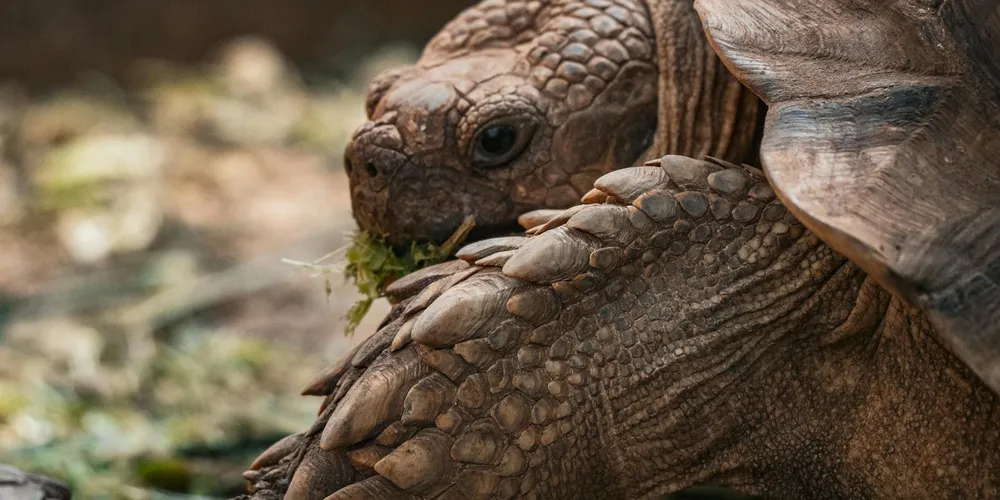
While some peeling is a sign of healthy growth, other symptoms are clear distress signals from your pet. Knowing when to call a vet can make the difference between a simple treatment and a long-term health battle. I’ve learned to trust my instincts-if something feels off, it usually is.
Visual Red Flags on the Shell and Skin
Look for these specific signs that indicate a problem beyond normal shedding.
- Discolored Patches: Any white, chalky, or fuzzy spots could be a fungal infection. Pink or reddish areas underneath the scutes can indicate septicemia, a serious bloodstream infection.
- Soft or Spongy Shell: A healthy shell is hard. If any area gives way to gentle pressure, this is a medical emergency often linked to Metabolic Bone Disease.
- Pitting or Uneven Erosion: Small holes or divots in the shell are not normal and are often a sign of ulcerative shell disease.
- Foul Odor: A healthy turtle and its shell should not smell bad. A rotten smell is a classic sign of shell rot, which requires prescription medication.
Behavioral and Systemic Warning Signs
Sometimes the problem isn’t just skin deep. Pay close attention to how your turtle is acting.
- Lethargy and Loss of Appetite: If your normally active turtle becomes sluggish and refuses food for more than a couple of days, it’s time for a vet visit.
- Swollen Eyes or Discharge: This is often a symptom of a vitamin A deficiency or a respiratory infection, both of which require medical intervention.
- Asymmetrical Shedding: If large pieces of skin or scutes are hanging off for weeks or the shedding seems stuck and patchy, a vet can help safely remove them and address the underlying cause.
Your relationship with an exotics veterinarian is a cornerstone of responsible turtle ownership. Don’t wait for a crisis to find one. Establish care early, and never hesitate to bring them in for a check-up if you are concerned. It is always better to be safe and get a professional, hands-on assessment.
FAQs
Is shell peeling normal for Red-Eared Sliders?
Yes, Red-Eared Sliders commonly experience normal shedding as part of their growth and health maintenance. However, if the peeling is patchy, foul-smelling, or paired with lethargy, it may signal an underlying problem.
What do white spots on a peeling turtle shell mean?
White spots can indicate fungal infections or mineral buildup, often requiring attention to water quality and habitat cleanliness. If the spots are fuzzy or the shell feels soft, consult a veterinarian for proper diagnosis and treatment.
How long does normal turtle shell peeling last?
Normal shedding typically lasts a few weeks but can vary based on the turtle’s age, species, and overall health. If peeling continues excessively beyond this period or shows signs of distress, it might need professional evaluation.
What is the best treatment for abnormal turtle shell peeling?
Focus on improving habitat conditions, such as ensuring clean water and proper UVB lighting, to support healing. For persistent issues, a vet may recommend antifungal treatments or dietary adjustments to address root causes.
What does it mean if my turtle’s shell is peeling excessively?
Excessive peeling often stems from nutritional deficiencies, environmental stressors, or infections that disrupt normal shedding cycles. Addressing diet, habitat stability, and seeking veterinary care can help resolve these issues effectively.
Caring for Your Turtle’s Shell
A little peeling is often just a healthy shed, but significant, uneven, or frequent peeling with other symptoms like lethargy is your cue to consult an exotics veterinarian. Your most powerful tool is simple, consistent observation of your turtle’s normal behavior and appearance.
Providing a proper habitat with correct lighting, temperature, and diet is the foundation of preventing many shell and skin issues. Committing to lifelong learning about your specific turtle’s needs is one of the most rewarding parts of being a responsible pet guardian. See this reflected in our care for land and aquatic turtles: an essential guide. It covers habitat setup, lighting, temperature, and species-specific dietary needs.
Further Reading & Sources
- Expert Answers on Turtle Shell Peeling and Scute Shedding
- Turtle Shell Peeling: The REAL Reason Why Turtles Shed Their Shell – YouTube
- Expert Answers on Turtle Shell Peeling and Discoloration
- Help: Why is my turtle’s shell peeling? It’s been just like this for about a month… : r/turtle
Matthew is a dedicated turtle enthusiast and conservationist with over 15 years of experience in reptile care. Known affectionately as "The Leatherback" among his peers, he combines his passion for turtles with a commitment to educating pet owners on responsible turtle care and environmental stewardship.
Signs of Illness