
How Many Turtle Species Are There?
Published on: June 11, 2026 | Last Updated: June 11, 2026
Written By: Matthew The
You might be surprised to learn just how many different kinds of turtles share our planet, far beyond the familiar ones you see in ponds or as pets. The world of turtles is vast and wonderfully varied, from the giants of the sea to the tiny terrapins in freshwater streams.
In this article, we will explore the total number of turtle species, the main types you should know, their diverse habitats, and the critical conservation efforts needed to protect them. Having shared my home with several wonderful turtles over the years, I’ve developed a deep appreciation for their unique place in the animal kingdom.
The Global Count of Turtle Species
Scientists currently recognize approximately 360 living species of turtles and tortoises worldwide, a number refined through ongoing genetic research. This figure represents our best understanding of a lineage that has survived over 220 million years.
All these species belong to the order Testudines, also historically called Chelonia. This single order encompasses every turtle, from my small Russian tortoise to the massive leatherback sea turtle. Being part of this ancient order means they all share the defining feature of a bony shell developed from their ribs.
- Species richness is highest in Southeastern North America and South Asia, making these regions global hotspots for turtle diversity.
- Taxonomic diversity is broad, with species adapted to nearly every non-polar habitat, including deserts, oceans, and rainforests.
- Freshwater ecosystems host the greatest number of turtle species by a significant margin.
- Many species are micro-endemics, meaning they exist only in one very small, specific geographic area.
The official count is a living document, constantly under revision. Cryptic species-animals that look nearly identical but are genetically distinct-are frequently being identified. I’ve seen this firsthand in the hobby; what was once considered one widespread pet species is sometimes split into two or three after detailed study. New species are still being found in remote tropical regions, reminding us how much we have yet to learn.
Understanding Turtle Taxonomy and Diversity
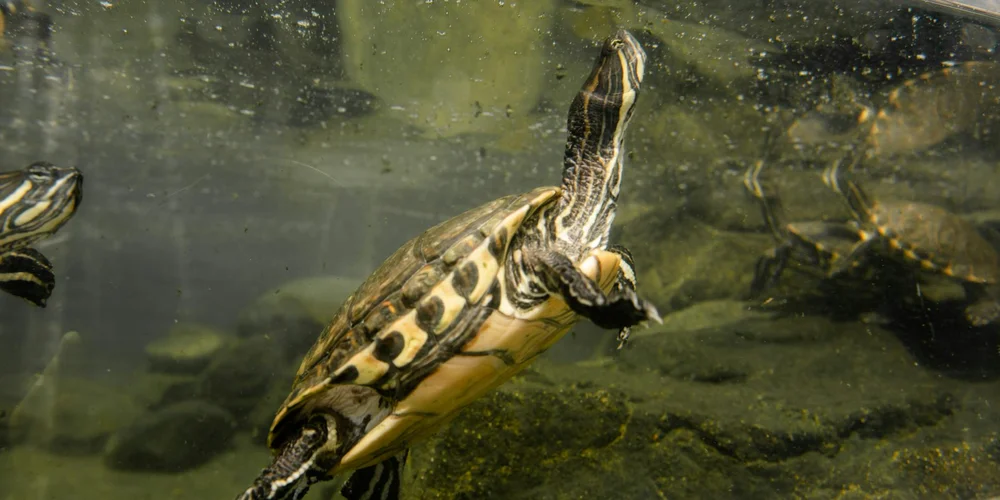
To make sense of the 360 species, biologists group them into families and genera. This classification system is the roadmap to understanding their relationships, needs, and behaviors.
The main families include Testudinidae (tortoises), Cheloniidae and Dermochelyidae (sea turtles), and a host of families for freshwater turtles like Emydidae, Geoemydidae, and Chelydridae.
| Family | Common Names | Primary Habitat | Key Characteristics |
|---|---|---|---|
| Testudinidae | Tortoises | Terrestrial | Stout, elephantine legs; strictly herbivorous; high-domed shells. |
| Emydidae | Pond Turtles, Box Turtles, Sliders | Freshwater & Semi-Aquatic | Highly diverse; many are popular pets; often have hinged shells for closure. |
| Cheloniidae / Dermochelyidae | Sea Turtles | Marine | Flipper-like limbs; cannot retract into shell; largely migratory. |
| Chelydridae | Snapping Turtles | Freshwater | Powerful jaws; long, saw-toothed tails; reduced plastron. |
For a prospective turtle owner, this taxonomy is incredibly practical. Knowing a turtle’s family instantly tells you volumes about its required habitat, diet, and temperament. My tortoises, Austen and Bronte, are from the Testudinidae family, which immediately signals they need a dry, terrestrial setup, unlike my box turtle Orwell from the Emydidae family, who requires both land and water areas.
Studying these phylogenetic relationships reveals a spectacular biodiversity. It shows an evolutionary tree where a single body plan has been exquisitely modified for life on land, in fresh water, and in the open ocean. This diversity is not just a scientific curiosity; it’s a treasure we are responsible for protecting through informed pet care and conservation support.
Popular Turtle Species for Pet Care
When choosing a turtle, consider species that fit your lifestyle and space. I’ve found that matching a turtle’s natural behaviors to your home environment leads to a happier pet and owner. Habitat requirements can vary widely between turtle species, from enclosure size to lighting and humidity. Choosing a species that fits your space helps ensure those needs are met.
- Red-Eared Slider: Vibrant green shell with bold red markings near the ears, known for their active and curious personality.
- Russian Tortoise: Brown and tan shells with dark patterns, like my Austen, displaying a gentle and steady demeanor.
- Greek Tortoise: Golden brown shells with dark blotches, as seen in Bronte, who moves with a graceful and thoughtful pace.
- Box Turtle: Dark brown shells adorned with yellow designs, similar to Orwell, often reserved but surprisingly intelligent.
Caring for Austen, my Russian Tortoise, taught me how their slow, deliberate movements reflect a calm presence in any room. Observing his daily routines has deepened my appreciation for their simple yet fulfilling care needs.
- Red-Eared Sliders are widely legal but check local regulations due to invasive concerns.
- Russian and Greek Tortoises are generally permitted in most areas with few restrictions.
- Box Turtles may require permits in some regions, so always verify before adoption.
Many pet turtles originate from specific regions, like Red-Eared Sliders from the southern United States or Russian Tortoises from arid Central Asia. Understanding their native habitats helps you recreate a comfortable home that supports their well-being.
Red-Eared Slider
These turtles boast a striking green shell with yellow stripes and a vivid red patch behind each eye. Their semi-aquatic nature means they need both water for swimming and dry areas for basking under heat lamps.
- Appearance: Bright, patterned shells that can reach 8-12 inches in length.
- Habitat Needs: Spacious aquariums or ponds with clean, filtered water and UVB lighting.
- Temperament: Energetic and social, but they may become nippy if stressed or overcrowded.
From caring for aquatic setups, I learned that Red-Eared Sliders thrive with consistent routines. Regular water changes and a balanced diet prevent common health issues like shell rot.
Care Requirements
- Select a tank that holds at least 40 gallons for young turtles, upgrading to 75-100 gallons as they grow.
- Maintain water temperature between 75-80°F and provide a basking area heated to 85-90°F.
- Feed a mix of commercial pellets, leafy greens like kale, and occasional protein sources such as insects.
Avoid overfeeding and inadequate filtration, which can lead to obesity and poor water quality. Monitoring their behavior daily helps you spot early signs of stress or illness.
Russian Tortoise
Russian Tortoises, like my Austen, have compact, domed shells in shades of brown and tan with subtle dark markings. They typically grow to 6-8 inches, making them suitable for both indoor enclosures and secure outdoor pens.
- Shell Colors: Earthy tones that blend well with natural substrates.
- Size: Small and manageable, ideal for homes with limited space.
- Housing: Adaptable to indoor tanks or outdoor setups with protection from predators and extreme weather.
Austen’s gentle nature shines during feeding time, as he methodically nibbles on fresh greens. His steady pace reminds me that these tortoises value consistency and a stress-free environment.
Care Requirements
- Offer a diet rich in fibrous plants like dandelion greens, hibiscus flowers, and occasional vegetables.
- Set up an enclosure with a substrate for digging, a hide box for security, and a heat lamp for warmth.
- Ensure access to fresh water in a shallow dish for drinking and soaking.
Always source tortoises from ethical breeders or rescues to support animal welfare. Mimicking their natural arid habitat with rocks and plants reduces stress and promotes natural behaviors.
Care Needs for Beginner-Friendly Turtle Species
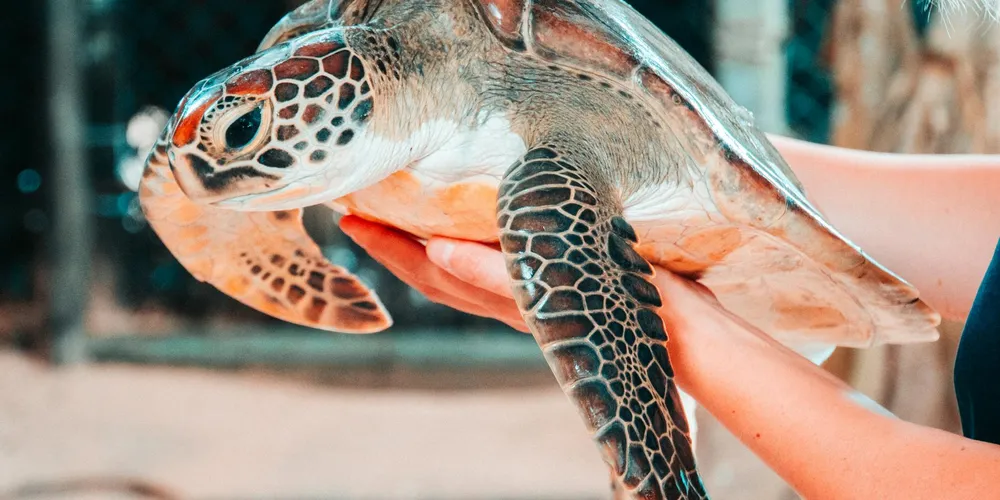
Starting with low-maintenance species like Russian Tortoises or Box Turtles makes pet care enjoyable and manageable. These hardy animals adapt well to beginner routines, reducing the risk of common mistakes.
- Choose an enclosure that provides ample space for movement, such as a 20-gallon tank for small tortoises or a secure outdoor area.
- Install proper heating and UVB lighting to simulate natural sun exposure, crucial for shell and bone health.
- Add substrate like coconut coir or cypress mulch, along with hiding spots and shallow water dishes.
- Maintain a consistent feeding schedule with fresh vegetables, weeds, and occasional fruits for variety.
- Monitor temperature and humidity levels daily to ensure they stay within ideal ranges for your species.
Handle your turtle sparingly to minimize stress, and always wash your hands before and after interactions. Regular health checks for clear eyes, active movement, and a firm shell help catch issues early. During a routine veterinary checkup, you can expect a quick physical exam, weight measurement, and an assessment of shell and skin condition. Be ready to discuss diet, enclosure, and any recent changes in behavior.
When I first set up Orwell’s habitat, I learned that a secure lid is essential-he once tried to climb out! Simple, consistent care routines build trust and keep your turtle thriving for years.
Conservation Status and Ethical Pet Ownership
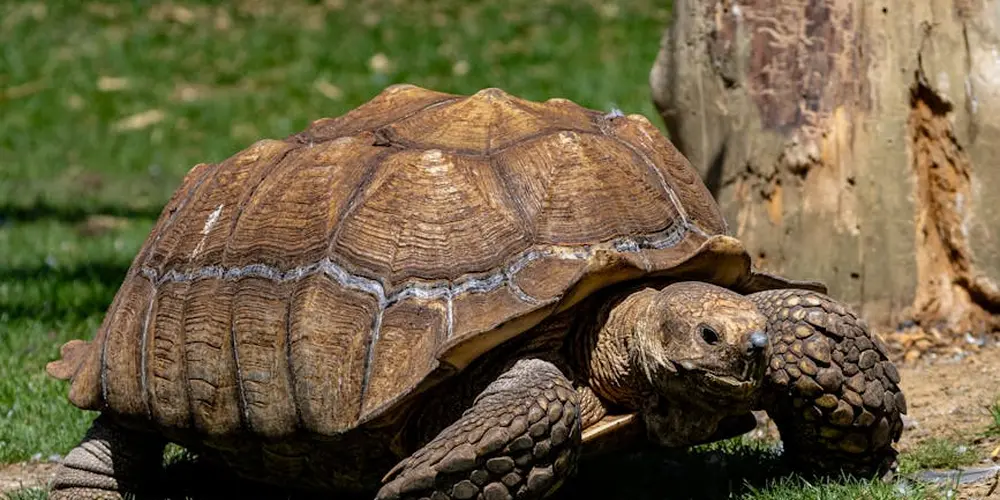
Many turtle species face significant threats in the wild, and their conservation status should directly influence our choices as pet owners. The International Union for Conservation of Nature (IUCN) Red List categorizes species from Least Concern to Extinct, providing a critical snapshot of their survival chances. Species listed as Vulnerable, Endangered, or Critically Endangered are struggling for survival.
Choosing a pet from a threatened population can inadvertently support harmful practices. Some species, like the Radiated Tortoise or the Philippine Forest Turtle, are critically endangered due to habitat loss and the illegal pet trade. These animals are not suitable pets, as removing them from the wild pushes their populations closer to collapse.
Supporting conservation is a fundamental part of responsible turtle ownership. You can make a difference by donating to reputable organizations that protect wild habitats and combat wildlife trafficking. Every small contribution helps fund research and enforcement that keeps these ancient creatures in their natural homes.
Your purchasing power is your greatest tool for ethical pet ownership. Always choose a turtle from a responsible breeder who can provide documentation proving the animal was born in captivity, not taken from the wild. Ask questions, verify their reputation, and walk away from any seller who seems evasive about an animal’s origin. If you’re unsure where to buy, consult a reputable guide on responsible acquisition to steer you toward ethical sources. A good guide will help you identify legitimate breeders, shelters, and local regulations before you commit.
How to Identify Different Turtle Species
Learning to identify your turtle is the first step in providing proper, species-specific care. You can identify most turtles by examining a combination of their shell shape, color patterns, and overall size. I’ve spent many afternoons with my tortoises, Austen and Bronte, noting the subtle differences that define their species. A turtle basic identification guide can walk you through these traits step by step. With it, you’ll start recognizing species at a glance and tailoring care accordingly.
Key features vary significantly between common pet species. Look for these diagnostic characters to help narrow down the possibilities:
- Shell Shape (Carapace): Is it highly domed like a Russian Tortoise, streamlined and flat for swimming, or does it have a hinged plastron (bottom shell) like a Box Turtle?
- Color and Patterns: Note the base color and any markings. Are they radiating lines, symmetrical blotches, or intricate networks like a map?
- Head and Limb Features: Observe the head shape, beak structure, and whether the feet are webbed for swimming or stout for walking on land.
- Adult Size: A species’ potential adult size is a crucial identifier, separating small species like the Greek Tortoise from giants like the Sulcata.
Identifying your own turtle is a fun, detective-like process. Follow these simple steps to get a confident identification: This is all about turtle identification classification. You’ll learn how to classify your turtle with confidence.
- Take clear, well-lit photographs of your turtle from the top, side, and bottom.
- Note its size and any distinctive markings on its head, legs, and shell.
- Observe its behavior-is it primarily aquatic, semi-aquatic, or terrestrial?
- Compare your notes and photos against reliable resources.
You don’t have to be an expert herpetologist to get a correct identification. Excellent resources include regional field guides, university herpetology department websites, and moderated online forums where experienced keepers can offer guidance. These tools turn a moment of curiosity into a solid understanding of your shelled friend’s needs.
Geographic Distribution of Turtle Species
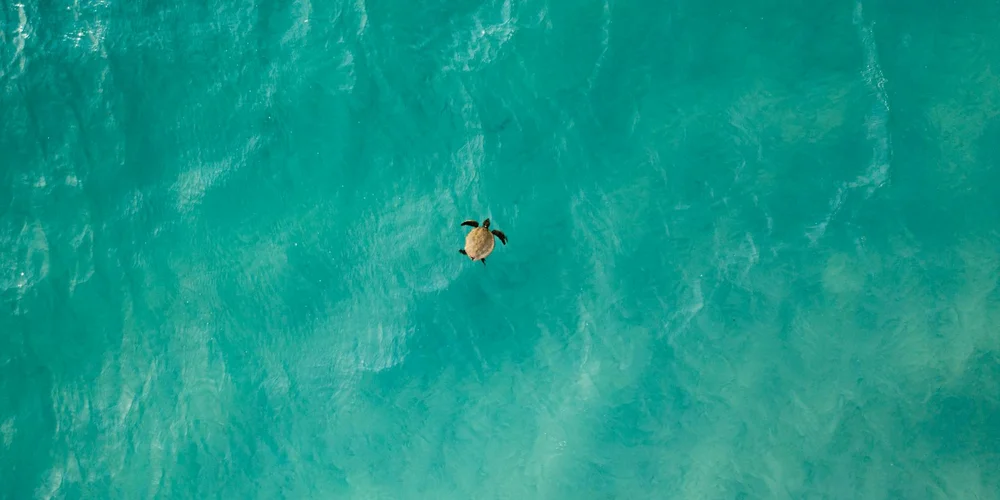
From my years keeping tortoises like Austen and Bronte, I’ve learned that a turtle’s origin story is written in its needs. Where a species evolved directly shapes the care it requires in your home.
Biodiversity Hotspots and Their Inhabitants
Certain regions of the world are simply overflowing with turtle life. These areas have the perfect cocktail of climate, food sources, and habitat structure.
- Florida, USA: A true turtle paradise with a mix of native and introduced species. You’ll commonly find the Florida Box Turtle, Peninsula Cooter, and the Gopher Tortoise. The abundant waterways and warm climate create an ideal environment.
- India and Southeast Asia: This region is a cradle for some of the most stunning and diverse species. The Indian Roofed Turtle, the Indian Flapshell Turtle, and various Black Pond Turtles are native to these rich river systems and forests.
Distribution’s Direct Link to Pet Care
This geographic spread isn’t just a map trivia; it’s the foundation of the pet trade. The species you see in pet stores are often those from robust, widespread populations. This availability, however, comes with a significant responsibility.
Many popular pet species, like the Red-Eared Slider, have been transported far from their native homes, sometimes causing ecological issues. Always research your local and international laws before acquiring any turtle. Legally keeping a turtle as a pet means confirming you can own one in your area and following permit and welfare requirements. Protecting wild populations is a core part of ethical pet ownership.
A World of Habitats, A World of Species
Turtles have conquered nearly every corner of the globe except the frozen poles. They thrive in deserts, grasslands, freshwater ponds, and deep forests. This incredible habitat diversity is the primary engine behind the vast number of turtle species we see today. A turtle built for a scorching desert, like my Russian Tortoise Austen, is a completely different animal from one adapted for a humid rainforest. Their unique evolutionary paths are a direct response to their homes.
FAQs
How many turtle species are there worldwide?
Approximately 360 turtle and tortoise species are recognized globally, based on current scientific research. This number helps pet owners understand the diversity and choose species suitable for care. There are many different species of turtles, each with unique habitats, sizes, and care requirements.
What turtle species are commonly found in Florida?
Florida hosts species like the Florida Box Turtle and Gopher Tortoise, which thrive in its varied habitats. These natives are often seen in wetlands and forests, but always check local laws before considering them as pets. In the wild, box turtles live in wooded areas with leaf litter and moist soil, often near wetlands. They roam slowly, using logs and brush for cover.
Which turtle species are native to India?
India is home to species such as the Indian Roofed Turtle and Indian Flapshell Turtle, adapted to its river systems. Learning about these can aid in ethical pet selection and conservation awareness.
Where can I find a map showing turtle species in Florida?
You can access distribution maps through resources like the Florida Fish and Wildlife Conservation Commission website. These maps help visualize species ranges for educational or pet care planning.
Where can I see pictures of Indian turtle species?
Websites like Wikipedia or specialized herpetology forums offer images and details on Indian turtles. Reviewing these can assist in identification and informed pet ownership decisions.
Your Journey into Turtle Care Awaits
Choosing the right turtle species means focusing on those suited to captivity, like my gentle Russian tortoise Austen, to ensure a good fit for your lifestyle. When choosing, consider key factors such as space, climate, diet, and temperament to find the best match. These considerations help you pick a species that will thrive in your home. Always prioritize species with well-documented care needs to avoid common pitfalls and provide a stable environment from the start.
Responsible ownership involves committing to their long lifespan and adapting as you learn, much like I have with my thoughtful Greek tortoise Bronte. Keep exploring resources and connecting with experts to deepen your understanding and advocate for turtle welfare in every decision.
Further Reading & Sources
- Turtle | Species, Classification, & Facts | Britannica
- How Many Species Of Turtles Are There?
- Turtle – Wikipedia
- 50 States of Turtles
Matthew is a dedicated turtle enthusiast and conservationist with over 15 years of experience in reptile care. Known affectionately as "The Leatherback" among his peers, he combines his passion for turtles with a commitment to educating pet owners on responsible turtle care and environmental stewardship.
Unusual Turtle Species