
Turtle Evolution History and Key Adaptations: A Gentle Guide
Published on: December 13, 2025 | Last Updated: December 13, 2025
Written By: Matthew The
Watching my Russian tortoise, Austen, methodically explore his enclosure with that steady, gentle pace, I often reflect on the immense journey his kind has taken-a journey spanning epochs, filled with challenges that make our modern worries seem fleeting.
My life with Austen, Bronte the Greek tortoise, and Orwell the box turtle has taught me that their calm exteriors hide an epic survival story. We will cover: primordial origins, major evolutionary turning points, specific anatomical and behavioral adaptations.
The Deep Time Journey of Turtles
When Did Turtles First Appear on Earth?
Close your eyes and imagine a world over 220 million years old, where the first turtles slowly emerged during the Triassic period. These ancient creatures shared the planet with early dinosaurs, marking turtles as one of the most enduring reptile lineages we know. Fossils such as Odontochelys, with its belly shell but not a full carapace, reveal a gradual blueprint for survival. My Russian tortoise, Austen, with his brown and tan shell, carries this legacy in his gentle, steady pace today.
Stem Turtles vs. Crown Group Turtles: What’s the Difference?
Let’s simplify this with a family analogy. Stem turtles are like the distant, evolutionary ancestors-the pioneers who set the stage. Crown group turtles include all living species and their most recent common ancestor. In essence, stem turtles are the historical roots, while crown group turtles are the thriving family tree you see now, from my graceful Greek tortoise Bronte to every pet turtle in homes. This difference helps us trace how key adaptations, like shell formation, unfolded over millennia.
The Marvelous Evolution of the Turtle Shell

From Ribs to Armor: How the Shell Formed
The turtle shell is a slow-motion wonder of evolution, not a sudden invention. Research suggests that ribs broadened and fused over time, creating the bony carapace that defines turtles. Imagine ribs expanding sideways, like a scaffold, with skin and bone layers adding protection. Transitional fossils show this process in action. When my box turtle, Orwell, tucks into his dark brown shell, I see millions of years of refinement at work. His reserved but intelligent nature might stem from the security this armor provides. In living turtles, the shell grows as the animal grows, with bone and keratin layers lengthening and thickening. If the shell is damaged, healing is possible but complete regeneration of a lost shell is uncommon.
Why the Shell is More Than Just Protection
While shielding from predators is obvious, the shell is a multi-tool for life. This complex structure supports functions vital for health and behavior, something I’ve observed firsthand with my tortoises. Here are the key roles it plays beyond defense:
- Temperature Control: The shell absorbs and releases heat, helping regulate body temperature. Bronte’s golden brown shell soaks up sunlight during her basking sessions, keeping her comfortable.
- Mineral Storage: It acts as a calcium bank, crucial for bone strength. That’s why a balanced diet with proper UV light is non-negotiable for pets like Austen.
- Buoyancy Aid: For aquatic species, the shell assists in floating and diving, making movement fluid. Even land tortoises use it for balance and stability.
- Communication Tool: Colors and patterns, like Orwell’s yellow markings, can signal health or species identity in social interactions.
Recognizing these roles transforms how we care for our shelled friends. Advocating for animal welfare means honoring this evolutionary masterpiece with proper habitats and nutrition, ensuring every turtle thrives as nature intended.
Adaptive Diversification: Land, Sea, and Freshwater Paths
From that single, sturdy blueprint, turtles embarked on incredible journeys. The story of turtle evolution is a masterclass in taking one excellent idea and tailoring it to wildly different real estate. They didn’t just survive; they thrived, splitting into distinct lineages that conquered deserts, rivers, and the vast, open ocean.
I see this legacy every day in my own home. My Russian tortoise, Austen, ambles across his arid terrain with high-domed, elephantine legs perfect for digging and walking. Just a few feet away, my box turtle Orwell is a creature of the forest edge, his slightly webbed feet and more streamlined shell suited for damp leaf litter and shallow ponds. This is adaptive diversification in a terrarium, a tiny echo of a 200-million-year process.
The Leap to the Ocean: Evolution of Marine Turtles
This path is perhaps the most breathtaking transformation. Imagine a turtle, built for plodding resilience, looking at the horizon and deciding to become a graceful, oceanic astronaut. This wasn’t a casual swim; it was a total anatomical overhaul.
Their limbs transformed into long, paddle-like flippers, powerful enough for epic migrations but clumsy on land. Their shells became lighter and more hydrodynamic, some, like the leatherback’s, even losing the heavy bony plates for a leathery, flexible covering. They evolved salt glands near their eyes to excrete the excess salt from seawater, a feature my freshwater pets certainly lack.
Watching a sea turtle glide on television is humbling. Their entire existence is shaped by currents, temperature, and the bounty of the sea. A green sea turtle’s serrated jaw for grazing on seagrass is a world apart from a leatherback’s delicate, scissor-like jaw for eating jellyfish. This specialization is their genius and their fragility; these are not animals we can ever truly replicate in a home aquarium, a fact that fuels my advocacy for protecting their natural habitats, especially for species like green sea turtles that have specialized diets.
The Great Neck Debate: Pleurodire vs. Cryptodire Lineages
Here’s a fascinating fork in the evolutionary road that defines nearly all living turtles. It all comes down to a simple question: how do you tuck your head into your shell? To understand this better, it’s essential to grasp basic turtle anatomy.
- Pleurodires (Side-Necked Turtles): These turtles, like many from the Southern Hemisphere, bend their neck sideways in a horizontal plane to retract their head. Picture a hinge on the side.
- Cryptodires (Hidden-Necked Turtles): This group pulls their neck straight back into their shell in a vertical S-curve, tucking it neatly between their shoulders. This is the method used by most turtles familiar in North America and Europe.
This isn’t just a trivial difference. It represents two separate, highly successful evolutionary solutions to the same problem-predator defense. My box turtle Orwell is a cryptodire; I watch him draw his head straight back with a quiet hiss when startled. Most common pet species-like red-eared sliders, Russian tortoises, and Greek tortoises-are also cryptodires.
The pleurodire method seems almost comical in its lateral fold, but it’s just as effective. Evolution rarely offers one “right” answer, just different paths to the same goal of survival. Both lineages developed their technique over eons, and both produced an amazing array of species that continue to charm us as pets and awe us in the wild. It’s a beautiful reminder that there’s often more than one way to build a perfect turtle.
Key Anatomical and Physiological Adaptations
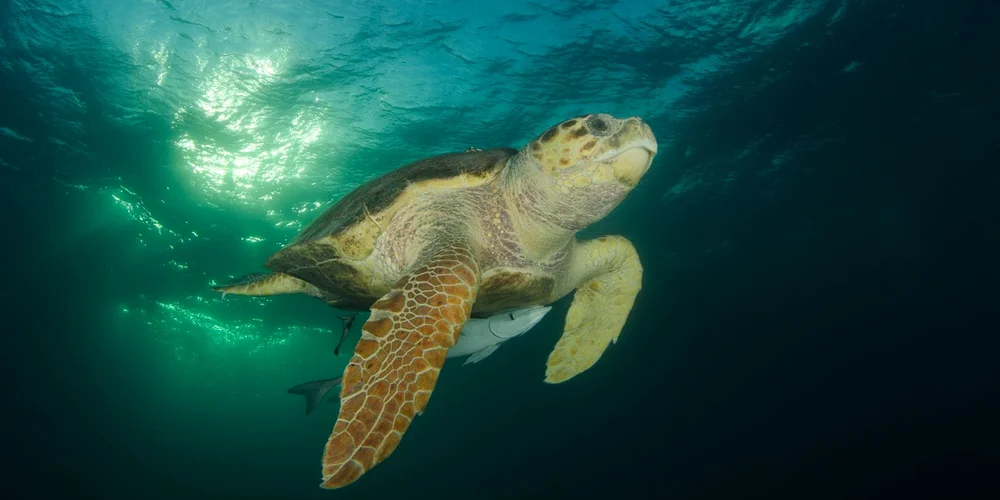
Picture a turtle, and you might just see a slow, shelled creature. But look closer. Their bodies tell a story of incredible change, a masterpiece of evolutionary engineering. Every curve of their shell and every movement they make is a direct result of adaptations forged over millions of years for one purpose: survival. As someone who has spent over a decade caring for turtles like my steady Russian, Austen, I see these ancient blueprints in action every single day.
Built for Survival: Limb Modifications and Locomotion
Watch a turtle walk or swim. Their limbs are not accidents; they are specialized tools. Aquatic turtles have flippers—flattened, paddle-like arms perfect for graceful, powerful swimming. My friend’s red-eared slider moves through water with a fluid elegance I can only envy. Do turtles have fins? Not exactly, but their limbs are modified into flippers that function as paddles in water, a clear example of aquatic adaptations. On land, it’s a different story. Tortoises like my gentle Austen and graceful Bronte have columnar, elephantine legs. These are built for weight-bearing and trudging across dry terrain.
The structure of their feet says it all. Webbed toes for swimmers, stout claws for diggers. Observing their locomotion teaches you about their world; a turtle struggling on a slippery surface is a turtle in the wrong environment. For pet owners, this means tailoring the habitat. A water turtle needs deep space to paddle, while a tortoise requires firm, diggable substrate. I learned this early with Orwell, my box turtle; his semi-aquatic nature means he enjoys a split home-part pond, part land. Turtle anatomy—legs, toes, and feet—explains these adaptations: webbed toes for swimming and stout claws for digging. These features help you read a turtle’s needs at a glance.
- Flippers: Elongated digits fused within a paddle, ideal for aquatic propulsion.
- Columnar Legs: Short, sturdy limbs with thick scales, designed for carrying a heavy shell on land.
- Feet Variations: Webbing for swimming versus thick claws for digging and traction.
Eating Without Teeth: The Keratin Beak and Diet
Turtles don’t have teeth. Instead, they sport a sharp, keratinous beak-the same material as your fingernails. This beak is a versatile tool, shaped by diet. A carnivorous turtle’s beak is often hooked for tearing flesh, while a herbivore’s is serrated and broad, like a pair of garden shears, for slicing tough plants. My Greek tortoise, Bronte, uses her beak to meticulously snip dandelion greens.
Their beak grows continuously, and a proper diet is crucial to keep it worn down and healthy. I make sure Austen gets a mix of leafy greens and the occasional calcium-rich cuttlebone to chew on. Offering only soft food can lead to overgrowth, causing serious eating problems. It’s a small, daily act of care that honors their unique anatomy. Advocating for their welfare means understanding that their food is not just nutrition; it’s dental care, too.
- Keratin Beak: A self-sharpening, ever-growing tool adapted for specific food types.
- Diet Shapes Form: Hooked for meat, flat and serrated for vegetation, strong for crushing snails or insects.
- Essential Wear: Provide crunchy vegetables, calcium blocks, or cuttlebone to prevent painful beak overgrowth.
Temperature Tales: Ectothermy and Sex Determination
Turtles are ectotherms. They rely on external heat to regulate their body temperature. You’ll often find Austen basking under his lamp, soaking up warmth to fuel his digestion and activity. This dependence on temperature isn’t just about comfort; for many species, it literally determines the sex of their offspring. It’s called Temperature-Dependent Sex Determination (TSD). In some turtles, warmer nest temperatures produce females, while cooler ones produce males. Learn more about turtle reproduction and how it affects their eggs and gender.
This fact has profound implications. In the wild, climate change can skew populations. In your home, it means your incubator settings matter if you’re breeding. But more directly, it means your pet’s health hinges on you providing a proper thermal gradient-a warm basking spot and a cooler area to retreat to. I monitor Bronte’s enclosure with two thermometers, ensuring she can always find her perfect personal climate. It’s a quiet responsibility, managing a world of warmth and cool for a creature that cannot do it alone.
Caring for an ectotherm is a lesson in empathy. You become their sun. Providing that consistent, appropriate heat is one of the most fundamental acts of kindness in turtle stewardship. It supports their metabolism, immune function, and overall well-being, allowing their ancient, temperature-tuned bodies to thrive.
Evolutionary Insights for Modern Pet Turtle Care
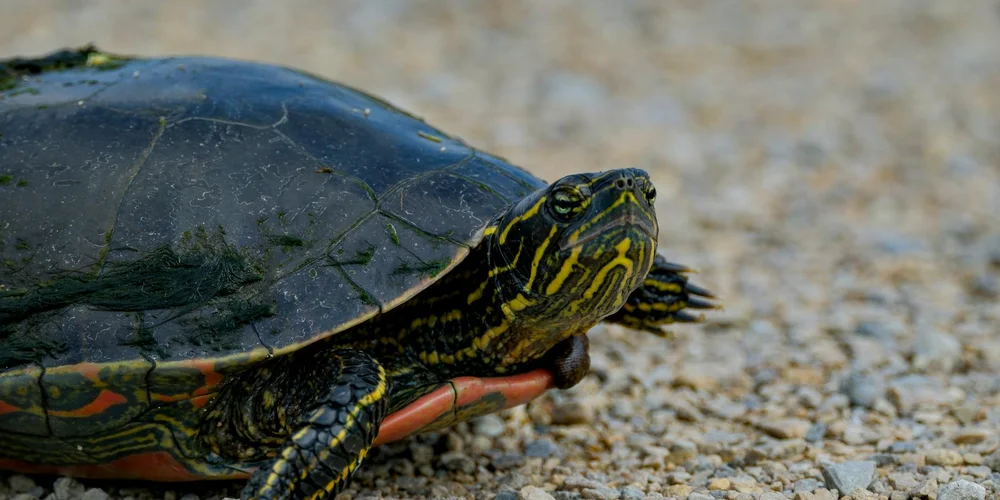
Living with turtles like my Russian tortoise Austen or my box turtle Orwell isn’t just about daily feeding. It’s stewardship of a living fossil. Their every quirk, from their slow pace to the shape of their shell, is a chapter in a 220-million-year story. By understanding their deep past, we stop seeing pets and start seeing prehistoric survivors, which completely changes how we care for them.
Reading the Shell: What Your Pet’s Anatomy Tells You
Run your finger along your turtle’s shell. You’re touching their spine and ribs, fused into a fortress. This single adaptation, the carapace and plastron, is why their lineage outlived the dinosaurs. For a pet owner, the shell is a daily health report. To understand its complex structure, you might want to explore turtle anatomy and shell biology.
- The Dome: A high, rounded shell like my Greek tortoise Bronte’s is a desert adaptation. It minimizes surface area, reducing water loss and heat absorption. In your home, it tells you she’s built for dry heat, not humidity.
- The Streamline: Aquatic turtles have flatter, smoother shells for swimming. Any pyramid-like raising of the scutes on a pet aquatic turtle is often a sign of improper diet or habitat, a distortion of their evolutionary design.
- The Hinge: Box turtles like Orwell have a plastral hinge, allowing them to seal shut. This incredible defense mechanism means they value secure, tight hides in their enclosure. An open, exposed habitat causes them deep stress.
I check Austen’s shell weekly. A healthy shell is hard, with defined, aligned scutes. Softness, discolored spots, or a foul smell are immediate red flags. That shell evolved to withstand predators, not metabolic bone disease from poor nutrition, so its condition is our most honest feedback.
Respecting Ancient Rhythms: Behavior and Egg-Laying
You cannot hurry a turtle. Their slow metabolism and deliberate movements are energy-saving strategies refined over eons. When Bronte spends a whole morning basking under her lamp, she is following a program written by ancestors who needed the sun to digest and thrive.
Egg-laying behavior is perhaps the most profound instinct we witness. A female may become restless, dig relentlessly, and refuse food. This isn’t illness; it’s a primal drive. I provide a deep, moist laying box for my females, a simple chamber of soil and sphagnum moss. Without it, they may become “egg-bound,” a dangerous condition. Providing for this innate behavior is a direct act of respecting their evolutionary biology. It acknowledges that their body has needs that transcend our domestic schedule.
Common Behaviors Rooted in Evolution
- Brumation: Many species slow down in cooler months. This is not always full hibernation, but a reduced state. Forcing constant, year-round activity goes against their cyclical nature.
- Digging: From creating burrows to escape heat to burying eggs, digging is essential. A substrate they can dig in is not a luxury; it’s a welfare requirement.
- Basking: Essential for thermoregulation and Vitamin D3 synthesis. The basking spot must provide a significant temperature gradient, mimicking the move from cool shade to warm sun their bodies expect.
Creating a Sanctuary: Housing That Honors Evolution
The goal isn’t to recreate the Cretaceous period in your living room. It’s to meet the core environmental needs their physiology demands. Think of it as building a biome, not just a tank.
- Thermal Geography: Reptiles are thermoregulators. Your enclosure must have a distinct heat gradient-a warm basking zone (species-specific, often 90-95°F), a warm ambient area, and a cooler zone. This allows them to move and manage their body temperature as they evolved to do.
- Light as Nutrition: A UVB lamp is non-negotiable. It replaces the sun, allowing them to synthesize vitamin D3 for calcium metabolism. Without it, their magnificent, ancient skeletal system fails. I replace my bulbs every 6 months, as UVB output decays long before the light dies.
- Complex Terrain: Flat enclosures are boring and stressful. Use cork rounds, slate slabs, and safe plants to create hills, hides, and visual barriers. Orwell uses every hide I give him. This complexity reduces stress by providing choice and security.
- Hydration Hierarchy: Aquatic turtles need clean, filtered water to swim and eat. Terrestrial tortoises need a shallow soak dish and humid hides. Both need fresh drinking water. This addresses the different ways their species solved the water problem over millennia.
The most profound change in my own care came when I stopped asking “what does my pet need today?” and started asking “what does a turtle need to express its turtle-ness?” The answer always leads back to their incredible, enduring journey through time. Your care becomes an act of preservation.
Turtles Through the Ages: A Legacy of Resilience
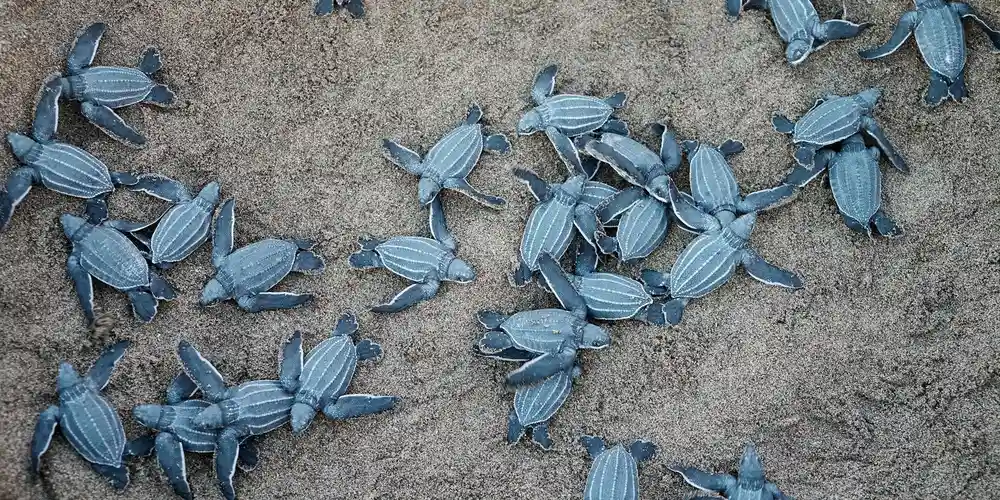
When I watch my Russian tortoise, Austen, methodically patrol the perimeter of his enclosure, I see a creature whose basic blueprint has succeeded for over 220 million years. That’s before the Tyrannosaurus Rex ever took a step. Their story isn’t one of dramatic conquest, but of quiet, stubborn persistence. Their evolutionary strategy wasn’t to outrun or outfight change, but to outlast it by perfecting the art of defense and metabolic patience.
How Climatic Changes Shaped Turtle Diversity
Think of Earth’s climate as a great sculptor, and turtle lineages as its clay. Major shifts didn’t wipe them out; instead, they prompted fascinating specializations. When ancient continents broke apart and seas rose, some turtle groups ventured back into the water, their limbs slowly transforming into the flippers we see in sea turtles today.
Other changes led to the wonderful variety we keep as pets. The cooler, drier periods likely favored tortoises, with their high-domed shells and columnar legs for terrestrial life. My Greek tortoise, Bronte, with her perfectly shaped shell for retaining moisture and heat, is a direct descendant of those ancient adaptations to arid environments.
- The Box Turtle’s Innovation: My box turtle, Orwell, showcases a brilliant climate-response. His hinged plastron (bottom shell) allows him to seal himself completely inside. This wasn’t just for defense; it was a survival kit for fluctuating temperatures and dry spells, creating a stable, humid microclimate.
- Softshells and Snorkels: In aquatic environments, some turtles like spiny softshells evolved flattened, leathery shells and long, snorkel-like noses. This let them bury themselves in riverbeds for ambush hunting and breathe while mostly submerged, a direct response to specific aquatic niches.
- Metabolism as a Tool: Perhaps their greatest adaptation was a slow, flexible metabolism. During food scarcity or extreme cold, many species can drastically slow their bodily functions. This “wait-it-out” approach meant they could endure conditions that wiped out faster, hungrier animals.
Unanswered Questions in Turtle Evolution
For all we know, the turtle’s origin story still has missing chapters. The biggest mystery remains the genesis of their most famous feature: the shell. How did ribs broaden and fuse to form a carapace? These questions are exactly the kind you’ll find in the turtle anatomy biology FAQs. They link the shell’s evolution to the underlying anatomy of ribs and spine. Fossil evidence is frustratingly sparse for this critical transition period.
We also grapple with their family tree. Genetic studies sometimes clash with fossil interpretations, leaving scientists debating exactly how different groups-like side-necked turtles versus hidden-neck turtles-are related. It’s a reminder that the fossil record is a puzzle with many pieces still buried.
Then there are the living puzzles. The bizarre pig-nosed turtle of New Guinea, for instance, seems like a mosaic of traits from different lineages. Each new discovery, whether in genetics or paleontology, has the potential to quietly rewrite a paragraph in their immense history. Caring for my own trio, I see these questions not as dry academic debates, but as the deep history of the gentle beings I’m responsible for. Understanding their evolutionary journey fuels my commitment to their welfare; they are inheritors of an ancient, fragile legacy we must protect.
FAQs
What are the main fossil forms that illuminate early turtle evolution such as Proganochelys?
Key fossils like Proganochelys and Odontochelys reveal critical steps in early turtle evolution, such as partial or full shell formation. Proganochelys, from the Late Triassic, shows a complete shell but with ancestral traits like a spiked tail, highlighting transitional anatomy.
What origin hypotheses exist for turtles and how do they differ?
The anapsid hypothesis suggests turtles descended from early reptiles without skull openings, while the diapsid hypothesis links them to reptiles with two openings. Modern molecular data often favors diapsid origins, placing turtles within the reptile tree near archosaurs.
What molecular data have contributed to resolving the turtle phylogeny and its placement among reptiles?
Analyses of mitochondrial and nuclear DNA sequences have helped clarify turtle relationships, supporting their placement as a sister group to archosaurs. This molecular evidence resolves debates by showing turtles are more closely related to birds and crocodiles than to other reptile groups. Moreover, these DNA-based approaches extend to turtle DNA related organisms, such as other chelonians (tortoises and sea turtles) and their closest reptile kin. Comparing their genomes helps place the whole group in a broader evolutionary context.
Your Turtle’s Ancient Blueprint for Modern Care
Your turtle’s evolutionary journey explains their specific needs for heat, food, and space. I’ve learned that by respecting these ancient adaptations-like providing my Greek tortoise, Bronte, with the right substrate for digging-you create a habitat where they can truly flourish.
Commit to being a student of your pet’s natural history for their entire life. This ongoing education in turtle care is the foundation of animal welfare, ensuring creatures like my inquisitive box turtle, Orwell, receive the dignity their lineage deserves.
Further Reading & Sources
- Turtle – Evolution, Adaptation, Conservation | Britannica
- Turtle – Wikipedia
- Evolution and the Repeating Turtle – STORAGE ROOM No. 2
- Turtle – Adaptations, Habitats, Lifespan | Britannica
Matthew is a dedicated turtle enthusiast and conservationist with over 15 years of experience in reptile care. Known affectionately as "The Leatherback" among his peers, he combines his passion for turtles with a commitment to educating pet owners on responsible turtle care and environmental stewardship.
Understanding Turtle Behavior