
Turtle Anatomy and Biology FAQs
Published on: December 11, 2025 | Last Updated: December 11, 2025
Written By: Matthew The
Have you ever watched your turtle slowly amble across the room and wondered what’s really going on inside that remarkable shell? Many owners worry about their health, growth, or if they’re providing the right care, but a little knowledge can turn concern into confidence.
We’ll explore shell structure, diet needs, lifespan, health signs, and reproduction to give you a full picture.
The Turtle Shell: Is It Made of Bone?
Many people think a turtle’s shell is like a separate house it carries on its back, but the truth is far more integrated. The shell is a living part of the skeleton, composed of bone fused with the vertebrae and rib cage. This bony structure is then covered in protective plates called scutes, which are made of keratin-the same protein that makes up our fingernails.
The top part is the carapace, and the bottom is the plastron. They connect along the sides, creating a sturdy bony box that protects the vital organs inside. I’ve felt the solid connection of this structure when gently holding my Russian tortoise, Austen; his shell isn’t just a covering-it’s him.
Because the shell is living bone, it requires specific care. A poor diet, especially one low in calcium and high in protein, can cause a condition called shell pyramiding. This is where the scutes grow upward in pyramid-like shapes instead of remaining smooth. I noticed the early signs of this with my Greek tortoise, Bronte, and correcting her diet made a world of difference. Proper humidity and UVB light are also non-negotiable for a healthy, strong shell.
While all chelonians have shells, their structure can differ based on whether the animal is a turtle or a tortoise.
- Turtles: Typically have flatter, more streamlined shells for swimming. The carapace is often lighter and more hydrodynamic.
- Tortoises: Possess high-domed, heavy shells built for life on land. This structure offers protection from predators but would be cumbersome in water.
- Scutes: Both have them, but the patterns and thickness can vary significantly between aquatic and terrestrial species.
Are Turtles and Tortoises Classified as Reptiles?
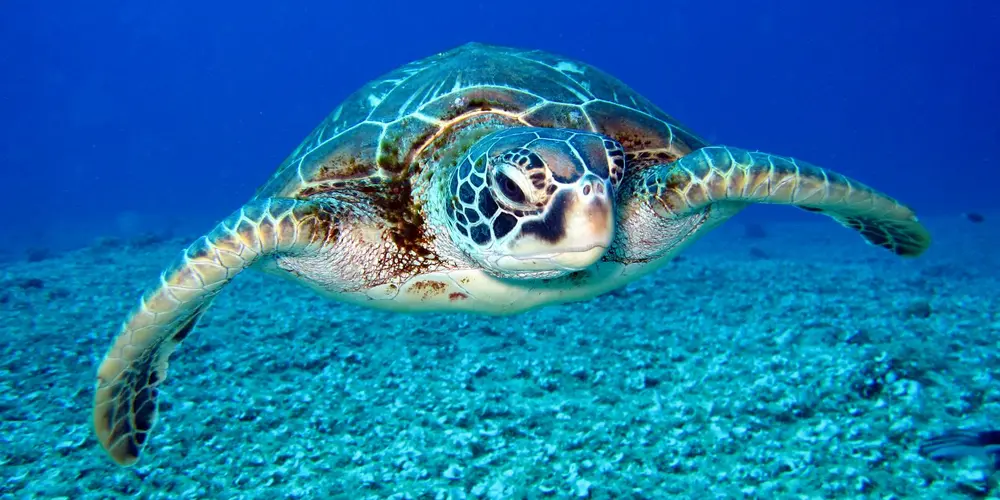
Yes, absolutely. Turtles and tortoises are firmly classified as reptiles. They share the core reptilian traits of having scaly skin, breathing air with lungs, and laying amniotic eggs on land. This classification isn’t just a scientific label; it fundamentally shapes their biology and, consequently, how we must care for them as pets.
Their reptilian nature means they are ectotherms, relying on external heat sources to regulate their body temperature. This is why you’ll always see a basking spot in a proper turtle or tortoise enclosure. My box turtle, Orwell, spends his mornings parked directly under his heat lamp, soaking up the warmth he needs to digest his food and stay active.
Their limbs are also key adaptations. Turtles often have webbed feet or flippers for an aquatic life, while tortoises have stout, column-like legs for walking on land. Understanding this basic distinction is the first step in creating the right habitat for your pet. A tortoise like Austen needs a large, secure outdoor pen, while an aquatic turtle requires a spacious tank with clean, filtered water.
This table highlights some of the key anatomical differences driven by their environments.
| Feature | Aquatic Turtles | Tortoises |
|---|---|---|
| Limb Shape | Webbed feet or flippers | Stout, elephant-like legs |
| Shell Shape | Streamlined, flattened | High-domed, heavy |
| Primary Habitat | Water-based | Land-based |
What Determines Turtle Egg Texture and Development?
Many people are surprised to learn that most turtle eggs don’t have the hard, brittle shell of a chicken egg. The vast majority of turtle species produce eggs with soft, leathery, and pliable shells. This flexible texture allows the eggs to absorb moisture from the nesting substrate and withstand slight pressure without cracking, which is vital for their development buried underground.
The Science of Temperature-Dependent Sex Determination
One of the most fascinating aspects of turtle biology is how the incubation temperature directly influences the sex of the hatchlings. For many species, warmer nest temperatures typically produce females, while cooler temperatures yield males. A pivotal temperature range often results in a mix of both. This natural mechanism means the climate literally shapes the future population of these incredible creatures.
Egg Care Insights from Personal Breeding
From my time breeding my Russian and Greek tortoises, Austen and Bronte, I’ve learned that attentive care is everything. The single most important factor for successful incubation is maintaining a stable, species-appropriate temperature and humidity level. Fluctuations can disrupt development or skew the sex ratio unexpectedly.
Identifying fertile eggs is a skill developed with practice. A few weeks after being laid, a fertile egg will often show a faint, chalky white “band” around its middle, a sign of healthy calcification. Infertile eggs, in contrast, may collapse, develop strange discoloration, or even smell foul.
Steps for Identifying Healthy Eggs in a Pet Setting
If your pet turtle has laid eggs, here is a simple process to check their viability safely.
- Handle with extreme care: Always wash and dry your hands thoroughly before touching the eggs. Avoid rotating or turning them, as this can drown the embryo.
- Perform a visual inspection: Look for a firm, evenly colored shell without any sunken spots, mold, or shiny patches.
- Use the candling method: In a dark room, gently shine a bright, small flashlight through the egg after a week or two. A fertile egg may show a network of tiny blood vessels or a darker, developed area.
- Monitor for changes: A healthy egg will gain a slight heft and feel heavier over time as the embryo grows, while an infertile one may feel lighter and hollow.
How Do Turtles Breathe and Regulate Body Temperature?
-
Lung-Based Respiration and Cloacal Breathing
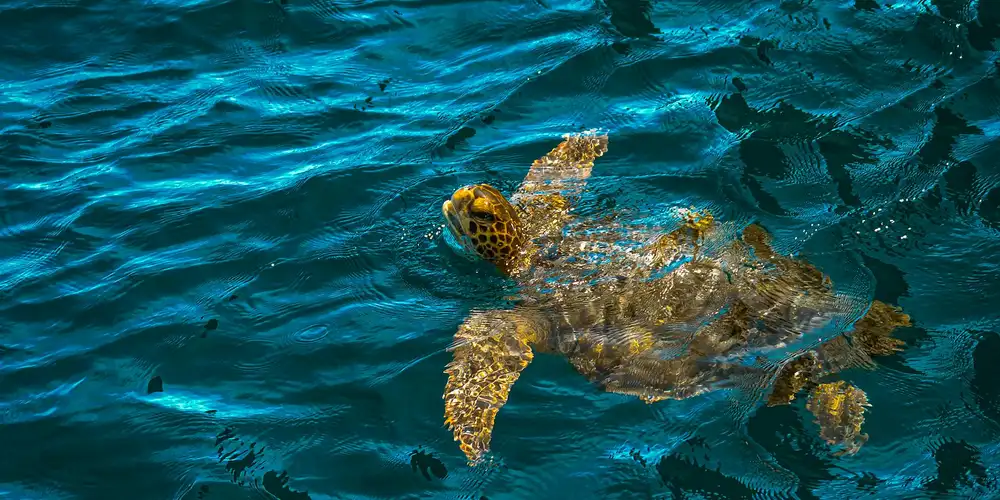
Like us, turtles primarily breathe air using lungs. Their rigid shell means they can’t expand their chest to take a deep breath like mammals do. They rely on specialized muscles to pull air in and push it out, a process that can look quite deliberate and calm. I’ve spent countless hours watching my Russian tortoise, Austen, take these slow, measured breaths while resting in his enclosure.
Some aquatic species possess a fascinating adaptation called cloacal respiration. They have highly vascularized sacs, called bursae, near their cloaca-the multipurpose opening used for excretion and reproduction. These sacs can absorb small amounts of oxygen directly from the water, almost like a natural gill system. This isn’t their main breathing method, but it lets them extend underwater time during rest or hibernation.
-
Thermoregulation Through Basking
Turtles are ectotherms, meaning they depend on external sources to control their body temperature. They cannot generate internal heat the way a dog or cat does. This is why you will almost always find a dedicated basking spot in a proper turtle habitat. Nighttime warmth matters too, and many keepers follow a nighttime heat management approach to keep temperatures stable after dark. A concise nighttime heat management guide can help you set safe overnight temperatures for your turtle’s species. My Greek tortoise, Bronte, is a true sun-worshipper; she will spend her entire morning positioned perfectly under her heat lamp.
They move between warmer and cooler areas throughout the day to maintain their ideal internal temperature. This behavior is called thermoregulation. A turtle that is too cold becomes lethargic and its digestion grinds to a halt. One that is too hot will desperately seek shade and can become dangerously dehydrated.
-
Anatomy’s Link to Common Health Issues
The very anatomy that defines them also makes them susceptible to certain problems, particularly respiratory infections. Their lungs are located right up against the top of their shell (carapace). Consistently low temperatures or high humidity for a species that needs it dry can easily lead to a serious lung infection. I learned this the hard way early on with my box turtle, Orwell, who developed a sniffle after his enclosure stayed too damp.
Poor habitat conditions stress their entire system. A cold turtle has a suppressed immune system. A damp environment can foster bacteria and fungi. It’s a perfect storm that directly targets their unique respiratory setup. Proper heating and habitat hygiene are non-negotiable for prevention.
-
Symptoms to Watch For in Your Pet Turtle
Catching an illness early makes all the difference. Keep a close eye on your shelled friend for these warning signs.
- Wheezing, clicking, or gurgling sounds when breathing.
- Discharge from the nose or eyes, sometimes appearing bubbly.
- Lethargy and a persistent lack of appetite.
- Swimming lopsidedly in aquatic turtles, as a lung infection affects buoyancy.
- Keeping the mouth open for extended periods or gasping for air.
If you notice any of these symptoms, a prompt visit to a reptile-savvy veterinarian is critical. Respiratory infections rarely resolve on their own and can worsen quickly in these delicate creatures.
What Are the Internal Systems in Turtle Anatomy?
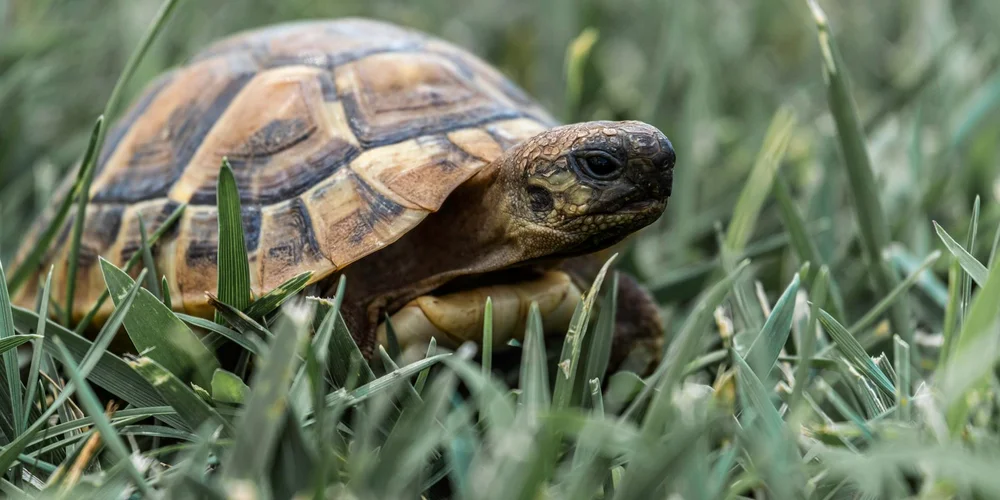
Understanding your turtle’s inner workings helps you provide better care. From my years with Austen, Bronte, and Orwell, I’ve seen how their biology shapes their daily needs and behaviors. Exploring turtle care also opens a window into turtle evolution history and key adaptations. Over millions of years, the shell evolved into a protective armor, while limbs diversified to suit life on land, freshwater, and in the sea.
Digestive System: Slow and Steady Wins the Race
Turtles have a low metabolic rate, meaning food moves slowly through their system. Their stomach and intestines break down plant matter or protein, depending on species, and the kidneys filter waste efficiently. With Austen, my Russian Tortoise, I notice he digests leafy greens over hours, so I avoid overfeeding to prevent issues. If Austen isn’t eating, I check his environment and health for stress or illness. To encourage eating, I keep a regular feeding schedule and offer a variety of approved greens, never forcing him to eat.
- Key organs: Stomach, intestines, liver, and kidneys handle digestion and waste removal.
- Heart function: A three-chambered heart pumps blood, supporting their slow-paced life.
- Personal tip: Offer varied, species-appropriate foods to mimic natural digestion cycles.
Respiratory System: Breathing with Precision
Turtles use lungs to breathe air, even aquatic species. Their rib cage is fused to the shell, so breathing involves specialized muscles that expand and contract the body cavity. This biology is central to sea turtle conservation. Understanding their respiration and shell biology helps guide conservation actions. I’ve watched Bronte, my Greek Tortoise, take calm, deep breaths during basking, which keeps her oxygen levels stable.
- Lungs are the primary organs, with some species able to absorb oxygen through skin or cloaca in water.
- Health note: Poor habitat ventilation can lead to respiratory infections, so ensure good air flow.
Reproductive System: Built for Survival
Reproduction involves internal organs like ovaries or testes, with females often storing sperm for later use. Egg development relies on proper calcium levels, which I monitor closely with Orwell, my Box Turtle, to prevent shell problems in offspring.
- Organs: Ovaries, testes, and cloaca play roles in egg-laying or mating.
- Behavior clue: Nesting behaviors signal it’s time to provide a soft, diggable area in the habitat.
Limb Structure: More Than Just Walking
Forelimbs and hindlimbs are adapted for movement, digging, and feeding. Forelimbs in species like Austen’s help him push through substrate and grasp food, while hindlimbs provide stability and propulsion. Their sturdy bones and muscles make everyday activities like climbing or burrowing possible.
- Movement support: Limbs aid in swimming, walking, and manipulating objects.
- Feeding role: Turtles use limbs to hold or position food, especially with tricky items.
- Welfare advice: Provide varied terrain to encourage natural limb use and prevent atrophy.
The Beak: A Crucial Tool for Eating
A turtle’s beak, made of keratin, is essential for biting and tearing food. Over time, I’ve seen how a healthy beak allows Orwell to crunch through insects and veggies with ease, but wear and tear must be balanced. Overgrowth can cause eating difficulties, so regular checks are vital. It’s important to monitor your turtle’s overall health alongside its beak condition.
- Eating function: Beaks cut and grind food, adapting to diet types.
- Health concerns: Malocclusion or injuries may require vet care; offer calcium-rich items to maintain beak strength.
- Prevention: Include rough foods or cuttlebones in the diet to naturally file the beak.
Diet and Habitat Setup Rooted in Biology
Tailor care to support internal systems for a thriving pet. Based on their slow digestion, I feed Austen and Bronte high-fiber greens in small, frequent meals to avoid impaction. Habitat elements like basking spots aid respiration and digestion by regulating body temperature.
- Diet guidance: Match food to species-herbivores like leafy greens, omnivores need variety.
- Habitat tips: Include UVB lighting for calcium metabolism and spacious areas for limb exercise.
- Personal routine: I set up Orwell’s enclosure with hiding spots and clean water to reduce stress on his kidneys and heart.
How Can You Identify Common Anatomical Issues in Pet Turtles?

Spotting health problems early can save your turtle from discomfort and serious illness. Regular observation helps you catch subtle changes before they escalate. I’ve learned this through years of caring for my own shelled friends, and I’ll guide you through what to watch for.
Signs of Common Anatomical Problems
- Shell rot: Look for soft, discolored, or foul-smelling areas on the shell, often with pitting or flaking.
- Eye infections: Watch for swelling, redness, discharge, or if your turtle keeps its eyes closed frequently.
- Limb injuries: Notice limping, swelling, or reluctance to move, which could indicate fractures or sprains.
- Respiratory issues: Listen for wheezing or see mucus around the nose and mouth.
- Skin abnormalities: Check for sores, shedding issues, or unusual bumps.
Early detection often means simpler treatments and faster recovery for your pet. For instance, my Greek Tortoise Bronte once had a minor eye infection that I caught just by noticing she wasn’t as alert during feeding time.
Personal Stories of Diagnosis and Treatment
With Austen, my Russian Tortoise, I discovered shell rot early during a routine check. His usually smooth shell had a soft spot near the edge, which prompted a vet visit and a quick treatment plan. We used topical antiseptics and adjusted his habitat humidity, and he bounced back in weeks.
Orwell, the Box Turtle, taught me about limb injuries when he favored one leg after a fall. By keeping him in a quiet, padded area and ensuring proper nutrition, he healed without complications. It reinforced how their anatomy is both resilient and delicate.
Steps for Regular Health Checks
- Examine the shell: Run your fingers gently over it to feel for soft spots, cracks, or unusual textures.
- Check the eyes: Look for clarity, no swelling or discharge, and ensure they open fully.
- Inspect the ears and nose: These should be clean, with no blockages or mucus buildup.
- Observe movement: Watch for even gait and full use of limbs during activity.
- Monitor behavior: Note changes in appetite, basking habits, or overall energy levels.
Doing this weekly helps you build a baseline for what’s normal for your turtle. I make it a calming ritual, like a mini wellness session that strengthens our bond.
Emphasizing Preventive Care
Proper lighting and nutrition are your best tools to avoid anatomical issues. UVB lighting supports shell and bone health by aiding calcium absorption. Without it, turtles can develop metabolic bone disease, leading to soft shells or deformities.
- Provide a balanced diet with calcium-rich foods like dark leafy greens and occasional supplements.
- Ensure habitat temperatures mimic their natural environment to boost immune function.
- Keep water and enclosures clean to prevent infections from taking hold.
Prevention isn’t just about avoiding problems; it’s about giving your turtle a vibrant, healthy life. From my experience with Bronte, consistent care has kept her graceful and free of major issues for years.
FAQs
How do turtles hear and see compared to other animals?
Turtles have limited hearing and primarily detect low-frequency sounds and vibrations through their ears. Their vision is adapted for motion detection and varies between species for land or water environments.
What is the function of a turtle’s tail in anatomy and behavior?
The tail aids in balance and steering during movement, especially in aquatic species. In many turtles, tail length can help distinguish males from females, with males often having longer, thicker tails.
How does a turtle’s circulatory system support its slow metabolism?
Turtles have a three-chambered heart that efficiently circulates blood despite their low energy needs. This setup allows for adequate oxygen distribution while conserving energy during periods of inactivity.
Why do some turtles have webbed feet while others have clawed legs?
Webbed feet are evolutionary adaptations for swimming, providing better propulsion in water. Clawed legs are designed for walking on land and digging, offering stability and grip for terrestrial life.
How can I ensure my turtle’s habitat supports its natural biological needs?
Design the habitat with temperature zones, UVB lighting, and clean water or substrate to match their species-specific requirements. Regularly monitor and adjust these elements to prevent stress and promote overall health.
Your Turtle’s Body: A Care Guide
Getting to know your turtle’s unique anatomy helps you create a habitat that truly supports their health. By observing their shell, skin, and behaviors, you become the best advocate for their physical and mental enrichment. A basic grasp of turtle shell biology—how the carapace and plastron grow, and how keratinized scutes protect and interact with the body—helps you monitor healthy development and spot potential issues early.
Responsible turtle ownership is a long-term commitment to learning and adapting as your shelled friend grows. I encourage you to keep researching and connecting with our community to provide a life full of vitality for your pet. For both land-dwelling and aquatic turtles, the care land and aquatic turtles essential guide offers practical steps on habitat setup, diet, and health to support their well-being.
Further Reading & Sources
- Sea Turtle Anatomy – ECOMAR
- Body plan of turtles: an anatomical, developmental and evolutionary perspective – PubMed
- The Anatomy of Sea Turtles
- The anatomy of sea turtles
Matthew is a dedicated turtle enthusiast and conservationist with over 15 years of experience in reptile care. Known affectionately as "The Leatherback" among his peers, he combines his passion for turtles with a commitment to educating pet owners on responsible turtle care and environmental stewardship.
Understanding Turtle Behavior