
What Do Green Sea Turtles Eat? A Guide to Their Plant-Based Diet
Published on: January 31, 2026 | Last Updated: January 31, 2026
Written By: Matthew The
If you’re curious about what green sea turtles munch on and worry they might be eating creatures like fish or jellyfish, rest easy-their diet is overwhelmingly herbivorous, focused on sea grasses and algae.
From my time caring for turtles like my Box Turtle Orwell, I’ve seen how specific and vital the right diet is for their health, and green sea turtles thrive on a simple, plant-based menu.
In this article, we’ll explore: their primary food sources, how their eating habits shift with age, and easy ways to support their conservation through mindful choices.
Understanding the Green Sea Turtle’s Herbivorous Diet
Unlike my own Russian and Greek tortoises, who enjoy the occasional protein, adult green sea turtles are almost exclusively herbivores. This fundamental shift in their diet is a remarkable adaptation tied directly to their life stage and habitat. This contrast highlights the broader differences between aquatic and land turtle diets. As juveniles, they start as omnivores, eating tiny creatures like jellyfish, but their bodies and jaws transform as they mature to specialize in processing marine vegetation.
Their serrated beaks are perfectly designed for tearing through tough, fibrous seagrass, not for capturing prey. Watching my tortoises graze reminds me of this elegant design, though on a much smaller, terrestrial scale. This herbivorous lifestyle is crucial for the health of their marine ecosystems, as their grazing helps maintain seagrass bed productivity.
Primary Food Sources in the Wild
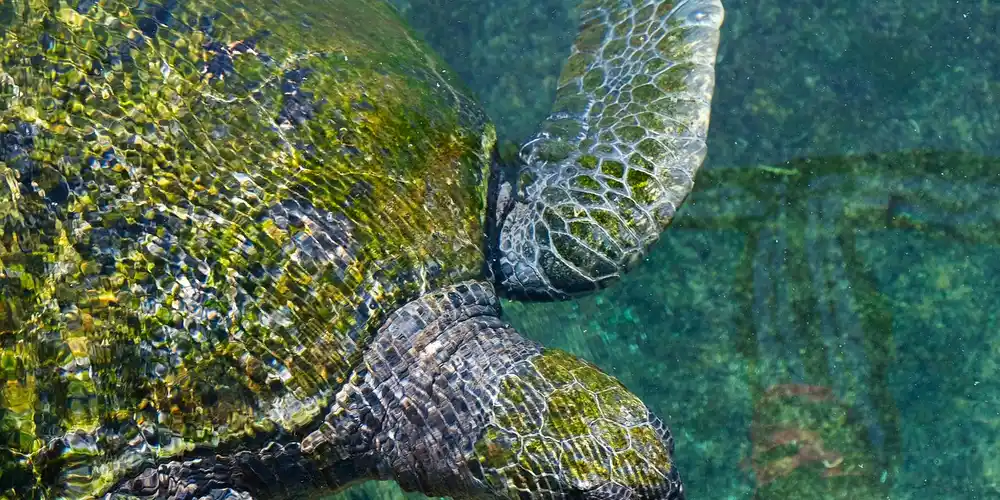
In their ocean home, green sea turtles are the lawnmowers of the sea. Their menu is dominated by a few key items that provide all the necessary nutrients for their large, slow-moving bodies.
- Seagrasses: This is the staple of their diet. Turtles favor turtle grass and manatee grass, cropping the blades closely, which actually stimulates new growth.
- Marine Algae: They consume a wide variety of seaweed, including sea lettuce and red algae, which provides essential vitamins and minerals not always abundant in seagrass.
- Other Vegetation: In some locations, they may also nibble on mangrove leaves and even consume small amounts of sponges or other invertebrates, though this is not a primary component.
The specific plants they eat can vary based on their geographical location and what’s seasonally available, much like how I offer my own shelled companions a rotation of greens. This varied, plant-based diet is what gives their cartilage and fat its characteristic green color, which is how they earned their common name.
Green Sea Turtle Foraging Behavior and Habitat
Green sea turtles are methodical grazers, spending a significant portion of their day slowly swimming through their underwater pastures. Their daily life revolves around finding and consuming vast amounts of marine vegetation to sustain their large bodies. I’ve watched my own land tortoises exhibit a similar, deliberate pace while foraging, though their world is a terrarium, not a coral reef.
You’ll primarily find them in coastal bays, lagoons, and shallow waters along continents and islands. These areas are rich in seagrass beds and algae, which form the cornerstone of their diet. They prefer depths where sunlight easily penetrates, allowing their food sources to flourish.
Key Foraging Grounds
- Seagrass Meadows: These underwater prairies are their primary supermarket, offering a consistent and abundant food source.
- Coral Reefs: The nooks and crannies of reefs host a variety of algae and seaweeds for them to browse.
- Estuaries and Mangrove Swamps: These nutrient-rich environments support different types of algae and submerged plants.
Nutritional Composition and Digestion
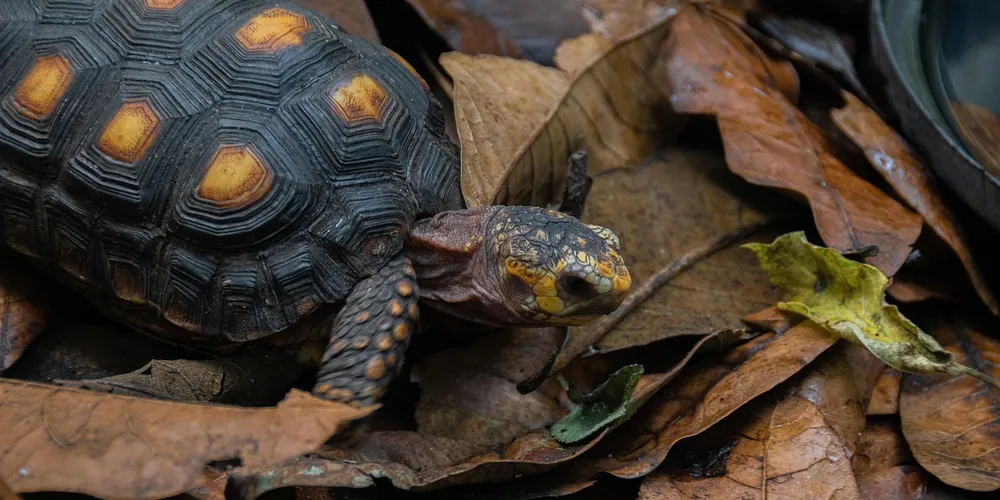
The green sea turtle’s diet is a masterclass in extracting maximum nutrition from seemingly low-energy plants. Their digestive system is a specialized fermentation tank, designed to break down tough cellulose. Understanding these processes helps explain why protecting their habitats matters for sea turtle biology conservation. Conserving seagrass beds and foraging areas supports their nutrition and survival. Watching my tortoises process fibrous greens gives me a tiny window into this complex biological process.
Their gut hosts a unique community of microbes and symbiotic bacteria. This gut flora is essential for fermenting the tough plant material, allowing them to absorb nutrients that many other animals cannot. It’s a slow, deliberate process, much like the turtle itself.
Breaking Down the Greens
- Fermentation: Microbes in their elongated digestive tract break down cellulose into volatile fatty acids, a primary energy source.
- Long Retention Time: Food remains in their system for a long period, ensuring maximum nutrient extraction.
- Jaw Adaptations: Their serrated beaks are perfect for sawing through tough, fibrous seagrass blades.
This highly efficient system allows them to convert simple greens into the energy needed for their long migrations and substantial growth. It’s a beautiful example of evolutionary adaptation to a specific ecological niche. Proper digestion is as vital for them as it is for my Russian tortoise, Austen, who takes his own time with every leaf of dandelion greens.
Creating a Balanced Diet for Captive Green Sea Turtles
Feeding a green sea turtle in captivity is a delicate art, one I’ve spent years perfecting with my own shelled companions. Their diet must mimic the rich, varied seagrass meadows they would naturally graze upon in the wild. It’s not just about throwing lettuce into a tank; it’s about creating a nutritional ecosystem. I also source and prepare fresh foods for your turtle daily, choosing greens and vegetables that are safe and nutritionally balanced. By prepping meals from fresh ingredients, you can support your turtle’s health and keep them thriving.
I often start with a base of dark, leafy greens. Romaine lettuce can be a staple, but it shouldn’t be the only item on the menu.
- Kale and collard greens for essential vitamins and minerals.
- Dandelion greens, a personal favorite of my tortoises, packed with calcium.
- Small amounts of shredded carrots or zucchini for variety.
- Aquatic plants like duckweed or anacharis, which they can forage for naturally.
While adult green sea turtles are primarily herbivorous, younger turtles often need a bit more protein for growth. I’ve found that offering a small amount of animal-based protein once or twice a week can support their development. This could include finely chopped earthworms or commercially available turtle pellets designed for omnivorous species. Some care guides also discuss using meat-based proteins, including small amounts of cooked chicken for omnivorous turtles, as an occasional protein source. If you choose this route, ensure the chicken is unseasoned, boneless, fully cooked, and offered in very small amounts.
Supplementation is non-negotiable for shell and bone health. I always dust their food with a high-quality calcium powder a few times a week. A cuttlebone in their enclosure also allows them to self-regulate their calcium intake, much like my tortoises Austen and Bronte do.
Monitoring Health Through Diet Observation
Your turtle’s appetite and eating habits are a direct window into their well-being. Observing how and what they eat daily is one of the most powerful tools you have as a caretaker. A sudden change is often the first sign that something is amiss. If the change persists or you notice new signs like lethargy, swelling, or trouble eating, consider a visit to a veterinarian. A vet can assess for infections, metabolic issues, or shell problems and guide care.
I make it a habit to watch my turtles during feeding time. A healthy green sea turtle should approach its food with steady, deliberate enthusiasm.
- Note their energy level. Are they actively swimming towards the food or waiting passively?
- Observe their chewing. Is it strong and consistent, or does it seem labored?
- Check for clean bites. Ragged, torn leaves can indicate a problem with their beak or jaw.
- Monitor their buoyancy. Difficulty diving to eat can signal a respiratory or other health issue.
A sudden loss of appetite is a major red flag. Just like when my box turtle Orwell refuses his berries, a disinterest in food warrants immediate attention. Conversely, frantic, desperate eating can sometimes indicate nutritional deficiencies or parasites.
Keep a close eye on their waste. Their feces should be well-formed and consistent. Runny or unusually discolored stool can be a direct result of dietary problems or illness. Consistent, careful observation is the key to catching small issues before they become big problems. If you’re wondering how to tell if your turtle is sick, start by noting changes in waste, appetite, and activity. If you notice anything unusual, consult a reptile vet. This simple, daily practice is the cornerstone of proactive and compassionate turtle care.
Conservation and Ethical Considerations
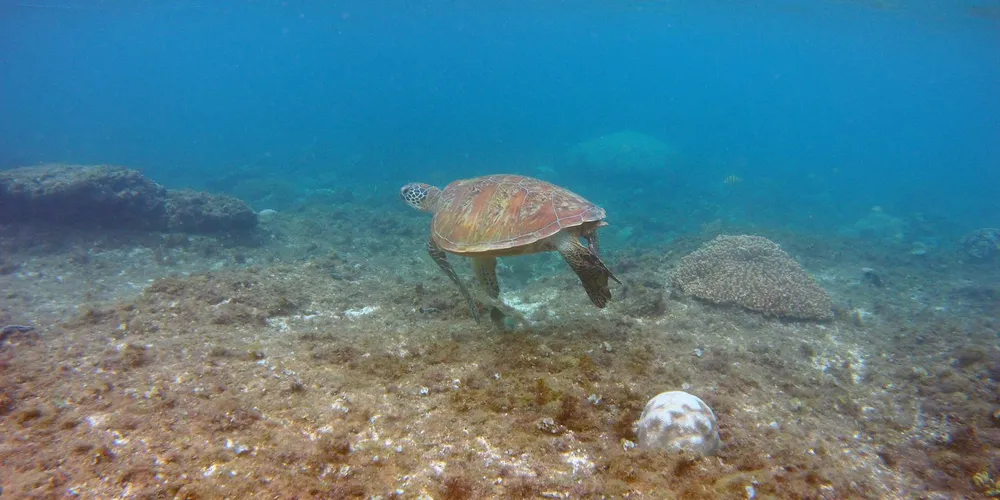
Watching my own tortoises, Austen and Bronte, methodically graze on their greens, I’m reminded that their wild cousins, the green sea turtles, face a much harsher reality. Our everyday choices have a direct and profound impact on the survival of these ancient mariners. Their struggle for food is a struggle against human activity.
The Direct Threats to Their Dinner Plate
Green sea turtles are herbivores, and their survival is tied directly to the health of seagrass beds. Several human-driven problems are degrading this vital food source.
- Coastal Development & Pollution: Runoff from lawns and farms carries fertilizers and chemicals into the ocean. This pollution can cause algal blooms that block sunlight, killing the seagrass the turtles need to eat.
- Plastic Debris: A floating plastic bag looks eerily similar to a jellyfish. While adult greens are mostly herbivorous, they can still mistake plastic for food, leading to fatal intestinal blockages.
- Boat Strikes & Habitat Loss: Propellers from boats can not only injure or kill turtles but also tear up entire seagrass meadows, destroying their primary feeding grounds in moments.
How You Can Make a Difference
You don’t need to live near the ocean to help protect a green sea turtle’s next meal. Simple, conscious decisions create a ripple effect of positive change.
- Reduce Plastic Use: Opt for reusable bags, bottles, and containers. Every piece of plastic you refuse is one less piece that could end up in the ocean.
- Dispose of Chemicals Properly: Never pour paints, oils, or harsh cleaners down the drain. They will eventually find their way to coastal waters.
- Support Sustainable Seafood: Choose seafood that is caught or farmed in ways that support healthy oceans and minimize bycatch, where turtles can be accidentally caught in fishing gear.
- Be a Responsible Tourist: If you’re lucky enough to see a sea turtle in the wild, maintain a respectful distance. Never attempt to touch or feed them.
Connecting to Your Pet Turtle’s World
Caring for my Russian and Greek tortoises has taught me that proper nutrition is the cornerstone of animal welfare, whether in a backyard enclosure or the open ocean. By making ethical choices for our planet, we are indirectly ensuring that wild green sea turtles have access to the healthy, chemical-free greens they need to thrive. It’s all connected. The same mindfulness we apply to sourcing fresh dandelions for our pet tortoises should extend to protecting the vast seagrass pastures of the sea.
FAQs
What is the typical diet of a green sea turtle?
Green sea turtles primarily consume seagrasses and marine algae, which form the bulk of their herbivorous diet. This plant-based nutrition supports their health and contributes to the green tint in their fat and cartilage. It is similar to the benefits of live plants in turtle habitats, as plants play a crucial role in the well-being of turtles.
How can I understand a green sea turtle diet chart?
A diet chart for green sea turtles outlines key food groups like seagrasses, algae, and occasional other vegetation. It helps visualize the balance of nutrients needed for their well-being in different life stages. In captivity, feeding can include live foods, pellets, and vegetables to provide variety and cover all nutritional needs.
What should a diet plan for a captive green sea turtle include?
A captive diet plan should feature daily offerings of dark leafy greens, aquatic plants, and calibrated portions to maintain health. Supplements like calcium and occasional protein for juveniles are crucial to mimic natural nutritional needs.
Where are green sea turtles distributed in the wild?
Green sea turtles inhabit tropical and subtropical coastal waters globally, favoring areas with abundant seagrass beds and algae. They are commonly found in regions such as the Caribbean, Indo-Pacific, and along continental shelves.
What does a green sea turtle distribution map illustrate?
A distribution map shows their range across warm ocean waters, highlighting key habitats like nesting beaches and foraging grounds. It visually represents their presence in shallow, sunlit areas essential for feeding and reproduction.
Reflections on Turtle Diets from My Shelled Companions
After years with my tortoises Austen and Bronte, I’ve learned that green sea turtles rely heavily on seagrasses and algae for optimal health. For any pet turtle, always match their diet to what they’d eat in the wild to prevent nutritional gaps and boost their energy. This includes ensuring access to safe plants and flowers they can consume.
Stay curious and seek out reliable sources to keep improving your turtle care skills. By prioritizing animal welfare through ongoing education, you create a nurturing home that honors these incredible creatures’ natural behaviors. Learn the essential techniques for caring for both land and aquatic turtles.
Further Reading & Sources
- Sea Turtle Diet – SEE Turtles
- Green Turtle | NOAA Fisheries
- All About Sea Turtles – Diet & Eating Habits | United Parks & Resorts
- r/Awwducational on Reddit: The diet of a green sea turtle changes with age. Juveniles are primarily carnivorous, feeding on jellyfish, for example, as we see in this video. Adult green sea turtles are strictly herbivorous, feeding mainly on sea grasses and algae.
Matthew is a dedicated turtle enthusiast and conservationist with over 15 years of experience in reptile care. Known affectionately as "The Leatherback" among his peers, he combines his passion for turtles with a commitment to educating pet owners on responsible turtle care and environmental stewardship.
Common Turtle Foods