
Turtle Anatomy: Legs, Toes, and Feet Simply Explained
Published on: December 13, 2025 | Last Updated: December 13, 2025
Written By: Matthew The
Have you ever watched a turtle amble along and questioned why their legs look so different from other animals, perhaps worrying if their unique structure could lead to mobility issues or health problems in captivity?
This guide will explore leg types, toe counts, foot functions, adaptation secrets, and practical care tips based on years of hands-on experience.
The Basic Structure of Turtle Limbs
How Many Legs Do Turtles Have?
Turtles possess four legs, just like many other land vertebrates. This quadrupedal design provides the stable, low-to-the-ground posture they are famous for. Each leg is specifically adapted to the turtle’s primary environment, whether that’s land or water.
Do Turtles Have Knees and Elbows?
Yes, turtles do have knees and elbows, but they are located deep within their body cavity, tucked up close to the shell. You won’t see a prominent knee joint like on a dog because the turtle’s unique skeleton internalizes these structures. Watching my Russian tortoise, Austen, walk, you can see the complex hinge-like motion at the “shoulder” and “hip” where these joints are working hard inside.
How the Shell Affects Leg Movement
The shell is not a backpack; it’s a fused part of the skeleton, with the ribcage and vertebrae integrated into it. In turtle anatomy, the shell is a living structure—the carapace and plastron incorporate bone from the ribs and spine and are covered by keratinous scutes that grow with the animal. This fundamental design means a turtle’s leg sockets are attached to the inside of its shell, which dramatically limits their range of motion. They cannot make large, sweeping strides. My Greek tortoise, Bronte, demonstrates this with her graceful, short steps—a direct result of her beautiful, confining shell.
Forelimb Anatomy: Arms and Front Feet
Bones and Muscles of the Forelimb
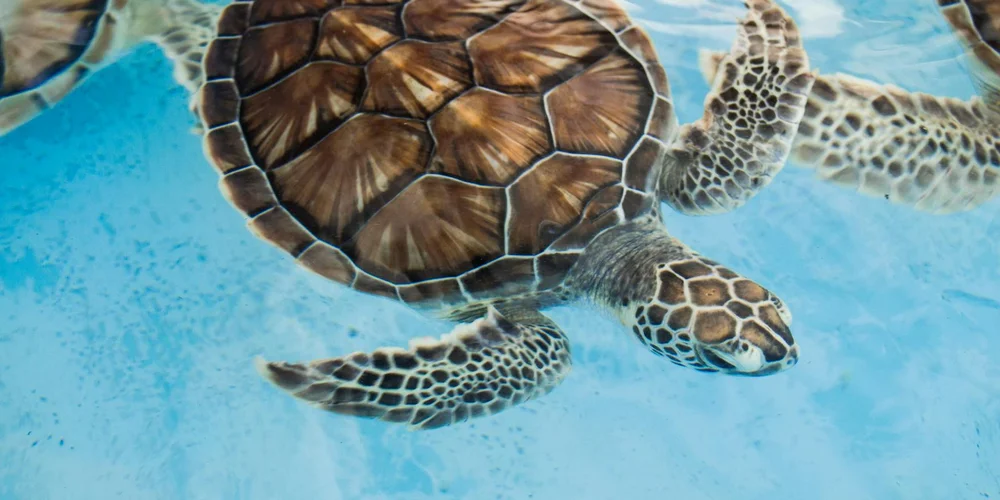
The forelimb contains the same basic set of bones you’d find in a human arm: a humerus, radius, and ulna. The major difference is in the proportion and the immense power of the shoulder and chest muscles. These muscles are what allow aquatic turtles to be powerful swimmers and diggers like my box turtle, Orwell, to move surprising amounts of soil.
- Humerus: The upper arm bone, short and stout.
- Radius & Ulna: The forearm bones, which provide stability.
- Powerful Pectorals: The main muscles for retracting the limb and generating thrust.
Front Foot Structure and Toe Count
The number of toes on a turtle’s front foot is a great indicator of its lifestyle. Most tortoises, like my Austen and Bronte, have five stout, club-like toes with thick claws for traction and digging. Aquatic turtles often have four longer toes to maximize the surface area for their webbed feet.
Webbing and Aquatic Adaptations
Webbing between the toes turns the front foot into a highly efficient paddle. The more aquatic the species, the more prominent the webbing, creating a larger surface to push against the water with each stroke. This is a perfect adaptation for a life spent mostly swimming, unlike my terrestrial tortoises whose feet are designed for a life of walking on solid ground.
Hind Limb Anatomy: Legs and Back Feet
While the front limbs are often the powerhouse for digging and swimming, the back legs are the unsung heroes of stability and propulsion. Your turtle’s hind limbs act as anchors and rudders, providing the crucial balance needed for every movement. From my years of observing my Russian tortoise, Austen, I’ve seen how his back feet dig in to brace himself while munching on a particularly stubborn piece of greens. It’s one of those small behaviors that can be easily overlooked, much like some common mistakes in terrestrial turtle and tortoise enclosures.
Bones and Muscles of the Hind Limb
The basic skeletal structure is surprisingly similar to many other vertebrates, just adapted for a shell-bound life. The femur, or thigh bone, is a short, stout bone that connects the hip socket inside the shell to the lower leg. This design provides a strong, stable base.
Powerful muscle groups surround these bones, giving your turtle its surprising strength.
- Retractor muscles: These are the workhorses, pulling the entire leg backward for walking, swimming, and that all-important digging.
- Extensor muscles: They work to straighten the leg, providing the push-off force for each step or stroke.
- Adductor muscles: This group pulls the legs inward, close to the body, for a compact and protected posture.
Feeling the firm muscle in my box turtle Orwell’s back legs when he resists being moved always reminds me of the hidden power contained within that calm exterior.
Back Foot Structure and Toe Count
If you’ve ever tried to count your turtle’s back toes, you know it can be a challenge. The number of toes on the back feet is a key identifier for different species and is often different from the front feet. The skin webbing and scales can make individual toes look fused together.
Here’s a quick guide to what you might find:
- Four Toes: This is a very common configuration, especially among many aquatic turtles and some tortoises.
- Three Toes: You’ll often see this in certain box turtles and three-toed box turtles, as the name suggests.
- Five or More: Some species, particularly softshell turtles, may have more toes with extensive webbing.
My Greek tortoise, Bronte, has four stout toes on each back foot, each ending in a thick, blunt claw perfect for traction on dry ground.
Terrestrial vs Aquatic Hind Feet
The lifestyle of a turtle is written plainly in the shape of its feet. Evolution has perfectly sculpted hind feet for either a life on land or a life in water, with some interesting compromises in between. This is one of the clearest examples of form following function.
Take a moment to compare these adaptations:
- Terrestrial (Tortoises): Their back feet are often described as elephantine. They are columnar, with short, thick bones and stubby, unwebbed toes. These are built for weight-bearing and trudging across rugged terrain.
- Aquatic (Turtles): Their back feet are typically flatter and broader, with long, slender toes connected by prominent webbing. These act like swim fins, creating a large surface area to push against the water with each powerful kick.
- Semi-Aquatic (Many Pet Turtles): They have a blend of both. You’ll see webbing for efficient swimming, but the toes are still distinct and tipped with claws for climbing onto basking spots and tearing at food.
Seeing my aquatic turtles use their webbed back feet to dart through the water, while my tortoises use their pillar-like legs to climb over a small rock, is a daily lesson in anatomical specialization.
Toes, Claws, and Foot Coverings
Understanding Turtle Digits
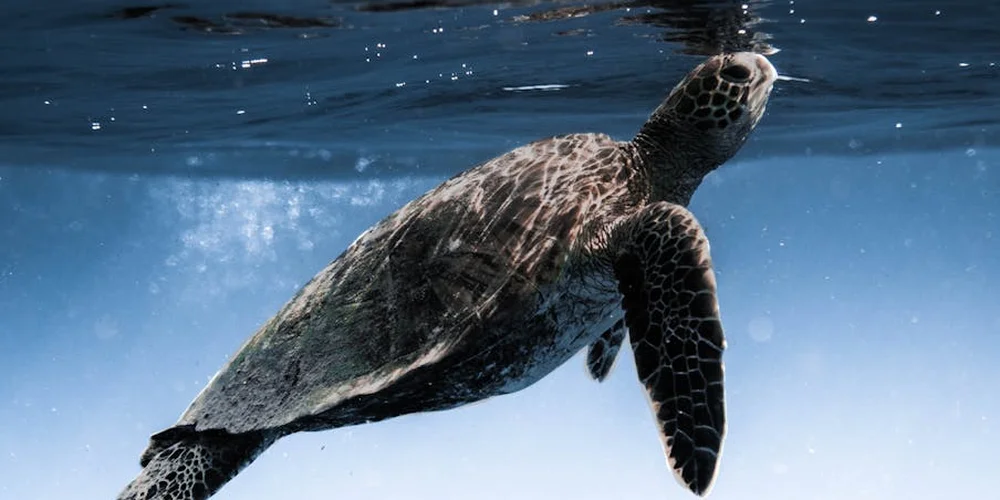
Turtle toes vary by species, with most having four or five digits per foot. Observing the number and shape of toes can help you identify your turtle’s species and understand its natural habitat needs. For instance, my Russian tortoise Austen has five sturdy toes on his front feet, perfect for digging in sandy soil.
Aquatic turtles often have webbed toes for swimming, while land-dwellers like Bronte, my Greek tortoise, possess more separated digits for walking on rough terrain. This adaptation shows how evolution tailors each turtle for its environment, much like how shoes fit different activities. In the turtle evolution history, such limb diversification marks key adaptations that allowed lineages to colonize aquatic and terrestrial niches. These changes—along with shell and neck evolution—underscore how turtles have repeatedly reworked body plans to fit their habitats.
- Front feet typically have more toes for digging and climbing
- Rear feet may have fewer digits, aiding in propulsion for swimming or walking
- Variations include webbing in aquatic species or thickened pads in desert tortoises
The Purpose of Claws and Nails
Claws serve multiple roles, from digging burrows to gripping surfaces during movement. In my experience, Bronte’s graceful claws help her navigate rocky areas in her enclosure without slipping. They are not just for show-they are vital tools for survival and daily activities.
These nails also play a part in social interactions and mating rituals among turtles. Never trim your turtle’s claws without veterinary guidance, as it can hinder their natural behaviors and cause stress. I’ve seen Orwell, my box turtle, use his sharp claws to assert dominance gently during feeding times.
- Digging for food or shelter, especially in species like Russian tortoises
- Climbing over obstacles or gripping substrates
- Defense against predators or rivals
- Aiding in courtship displays and mating
Scales, Pads, and Skin Protection
The skin on turtle feet is covered in scales that act like armor, shielding them from abrasions and infections. Proper substrate in their habitat, such as soft soil or sand, prevents scale damage and keeps their feet healthy. I check Austen’s feet regularly to ensure no rough surfaces cause irritation.
Pads on the soles provide traction and cushioning, similar to how our shoes protect our feet. Maintaining clean, dry areas in their environment reduces the risk of fungal infections, which I’ve learned is crucial for long-term welfare. Orwell’s dark, patterned feet have resilient scales that handle his reserved explorations with ease.
- Scales protect against cuts and parasites
- Pads offer grip and shock absorption
- Skin secretions help repel moisture and dirt
- Regular inspections can catch issues early, promoting overall health
Species Variations in Limb Structure
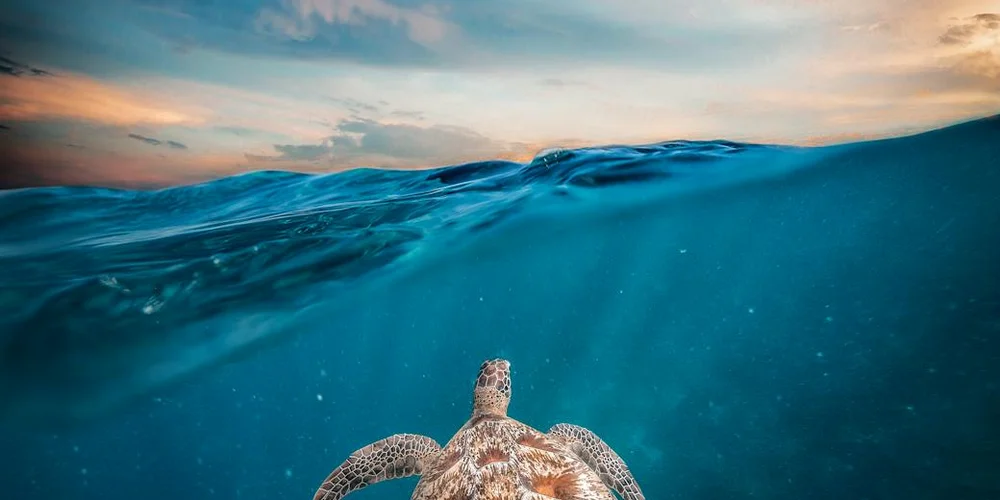
Turtle limbs are not one-size-fits-all; they evolve to match each species’ unique lifestyle and habitat. Observing how limb shapes differ helps you provide better care by mimicking natural environments. I’ve spent years tending to various turtles, and their limb adaptations never cease to amaze me with their efficiency and beauty.
Aquatic Turtle Limb Specializations
Aquatic turtles, like red-eared sliders, boast limbs transformed into sleek flippers for life in water. Their elongated, paddle-like forelimbs propel them with graceful strokes, while hind limbs act as rudders for steering. From my experience, watching these turtles glide through ponds feels like seeing underwater ballet—their movements are fluid and effortless. For beginners, proper care is essential—habitat setup, lighting, and nutrition are key. A red-eared slider beginner’s guide can help you start on the right track.
Key features include reduced toes and extensive webbing that maximize surface area. This design minimizes drag and allows for swift escapes from predators or during feeding, especially when used in appropriate tank environments. If you keep aquatic turtles, ensure their tank has deep water areas to let those specialized limbs stretch and swim freely.
- Forelimbs are elongated into flippers for powerful thrust
- Hind limbs are shorter with partial webbing for stability
- Toes are often fused or minimal to reduce resistance in water
Terrestrial Turtle and Tortoise Limbs
Land-dwellers like tortoises have stout, columnar legs built for walking on varied terrain. My Russian Tortoise, Austen, uses his sturdy limbs to navigate his enclosure with a gentle, steady pace that reflects his calm personality. These limbs support heavy shells and allow for digging or climbing over obstacles.
Bronte, my Greek Tortoise, displays graceful movements thanks to her strong, elephantine feet that grip the ground firmly. Providing a spacious, flat area with loose substrate lets tortoises exercise their limbs naturally, preventing joint issues. Always advocate for habitats that let them roam as they would in the wild.
- Limbs are thick and column-like for weight-bearing
- Feet have blunt, sturdy toes ideal for traction on land
- Claws are often prominent for digging burrows or handling food
Semi-Aquatic Turtle Adaptations
Semi-aquatic species, such as box turtles, balance life between water and land with versatile limbs. Orwell, my Box Turtle, has feet with partial webbing-perfect for paddling in shallow water yet agile enough for terrestrial exploration. His reserved but intelligent nature shines as he transitions smoothly between environments.
These turtles use their limbs for both swimming and walking, so their toes are more defined than in aquatic types but still slightly webbed. In my care, I’ve noticed that semi-aquatic turtles thrive in enclosures with both water features and dry basking spots to exercise their adaptable limbs. This setup supports their health and mimics the diversity of their natural habitats.
- Forelimbs have moderate webbing for efficient swimming
- Hind limbs are stronger for pushing off on land
- Toes are flexible, aiding in climbing over logs or rocks
Caring for Your Turtle’s Legs and Feet
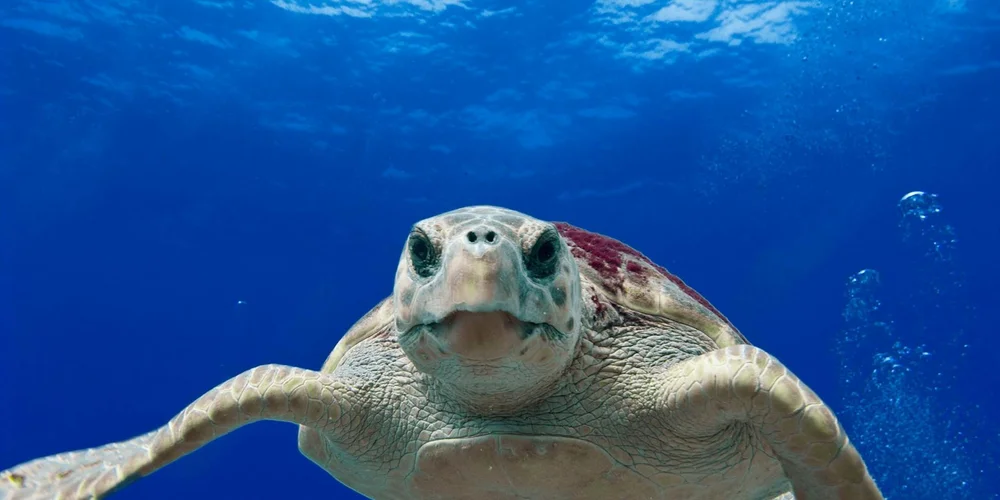
Your turtle’s limbs are their connection to the world, allowing them to explore, eat, and bask. Proper care of their legs and feet is a direct investment in their quality of life and overall well-being. From my years with Austen and Bronte, I’ve seen how small changes in their environment make a huge difference in their mobility and comfort. Safe live plants can provide shade, humidity, and enrichment that encourage natural movement and support their mobility and comfort. When plants are chosen for safety and properly maintained, they add real benefits to a turtle habitat.
Proper Habitat Setup for Healthy Limbs
A thoughtfully designed habitat prevents most limb and foot issues before they start. The goal is to mimic the varied textures and challenges of their natural environment.
- Choose the Right Substrate: For land-dwelling tortoises like my Russian and Greek, I use a mix of topsoil and coconut coir. It’s firm enough for digging but soft on their scales and plastron (the bottom shell).
- Provide Varied Terrain: Flat, monotonous surfaces can lead to muscle weakness. Add flat stones, gentle slopes, and even a shallow dig box. You’ll notice your turtle engaging different muscles as they navigate.
- Ensure Proper Basking Access: The ramp to their basking platform must offer excellent traction. I line mine with a rough-textured reptile-safe tile to prevent slipping, which can cause sprains.
- Maintain Clean Water: For aquatic and semi-aquatic turtles, the water quality is paramount. Dirty water is a leading cause of skin and shell infections that can quickly spread to the sensitive skin between their toes.
Nail and Claw Maintenance
Turtle nails are made of keratin, just like ours, and they continuously grow. In the wild, constant foraging on rough terrain files them down naturally. In our homes, we often need to help.
- Assess the Need: If you hear a constant “click-clack” on hard floors or see the nails starting to curl, it’s time for a trim.
- Gather Your Tools: Use a pair of small, sharp pet nail clippers. Have a styptic powder or cornstarch on hand just in case you cut too close.
- Identify the Quick: In light-colored nails, you can see a pinkish vein-the quick. Avoid cutting into this, as it will bleed and cause pain. For dark nails, trim just the sharp, translucent tip.
- Trim with Confidence: Have a friend gently hold the turtle steady. Make quick, clean cuts, and reward your turtle with a favorite treat afterward to create a positive association. If you’re nervous, your veterinarian or a reptile groomer can demonstrate.
Recognizing and Preventing Foot Problems
Early detection is your best tool for keeping your turtle’s feet healthy. During weekly handling for habitat cleaning, take a moment to gently inspect their legs and feet. Watch for swelling, sores, limping—these can signal illness, as detailed in this helpful guide Watch for swelling, sores, limping. If anything seems off, consult a reptile veterinarian promptly.
- Shell Rot (Ulcerative Shell Disease): This often starts on the plastron but can affect the scales on the legs. Look for pits, soft spots, or a foul smell. It’s frequently caused by a damp, dirty environment.
- Swelling or Redness: A swollen leg or foot joint can indicate an injury, infection, or even metabolic bone disease from insufficient UVB light.
- Cuts and Abrasions: Check between the toes for small cuts from sharp objects in the enclosure. These can become infected if not kept clean.
- Prevention is Simple: Most foot problems are preventable with a clean habitat, a balanced diet with proper calcium, and the correct temperature and UVB lighting. A healthy turtle in a proper setup is a resilient one.
FAQs
Do turtles have a patella (kneecap)?
No, turtles lack a patella, as their knee joint is a simple hinge without this bone. This adaptation supports their unique leg movement within the shell’s constraints.
Are the tibia and fibula fused in turtles?
In most turtles, the tibia and fibula remain separate bones and are not fused. This separation allows for flexibility in the lower leg, aiding in both terrestrial and aquatic locomotion.
How are the carpal bones arranged in turtle forelimbs?
The carpal bones in turtle forelimbs are organized into proximal and distal rows, similar to other reptiles. This structure provides stability for weight-bearing and flexibility for digging or swimming motions.
What joints are present in a turtle leg (hip, knee, ankle)?
Turtle legs feature hip, knee, and ankle joints, all modified as hinge-like structures due to the shell. These joints enable the limited but powerful movements essential for walking, climbing, or swimming. Understanding these adaptations is crucial when studying turtle anatomy and biology.
How do turtle leg muscles enable propulsion?
Turtle leg muscles generate propulsion through coordinated groups like retractors for pulling limbs backward and extensors for pushing off. This antagonistic action efficiently powers both swimming strokes and walking steps.
Caring for Your Turtle’s Unique Feet
Understanding your turtle’s legs and feet helps you spot early signs of health issues like shell rot or mobility problems. Regularly inspecting their toes and providing a proper habitat with varied terrain supports their natural behaviors and prevents injuries. It’s an essential part of keeping your turtle healthy from shell to tail.
Responsible pet ownership means committing to lifelong learning about species-specific needs, just as I do with my turtles Austen, Bronte, and Orwell. Stay curious and consult reliable sources to ensure your turtle thrives in a safe, enriching environment.
Further Reading & Sources
- Zilla’s Guide to Turtles and Tortoises
- Tortoise Anatomy: What Tortoises Are Made of & Why Tortoise Fun Facts / By Matthew & Kateryna | The Tortoise Apedia Wiki | Fandom
- Turtle – Wikipedia
- Turtle Anatomy – Info Turtle
Matthew is a dedicated turtle enthusiast and conservationist with over 15 years of experience in reptile care. Known affectionately as "The Leatherback" among his peers, he combines his passion for turtles with a commitment to educating pet owners on responsible turtle care and environmental stewardship.
Terrestrial Turtles